- Category
- World
Russia’s Naval Activity Near UK Jumps 41%—Now Britain Wants a European Drone-Powered Response
 Prefer U24 Media on Google
- Authors


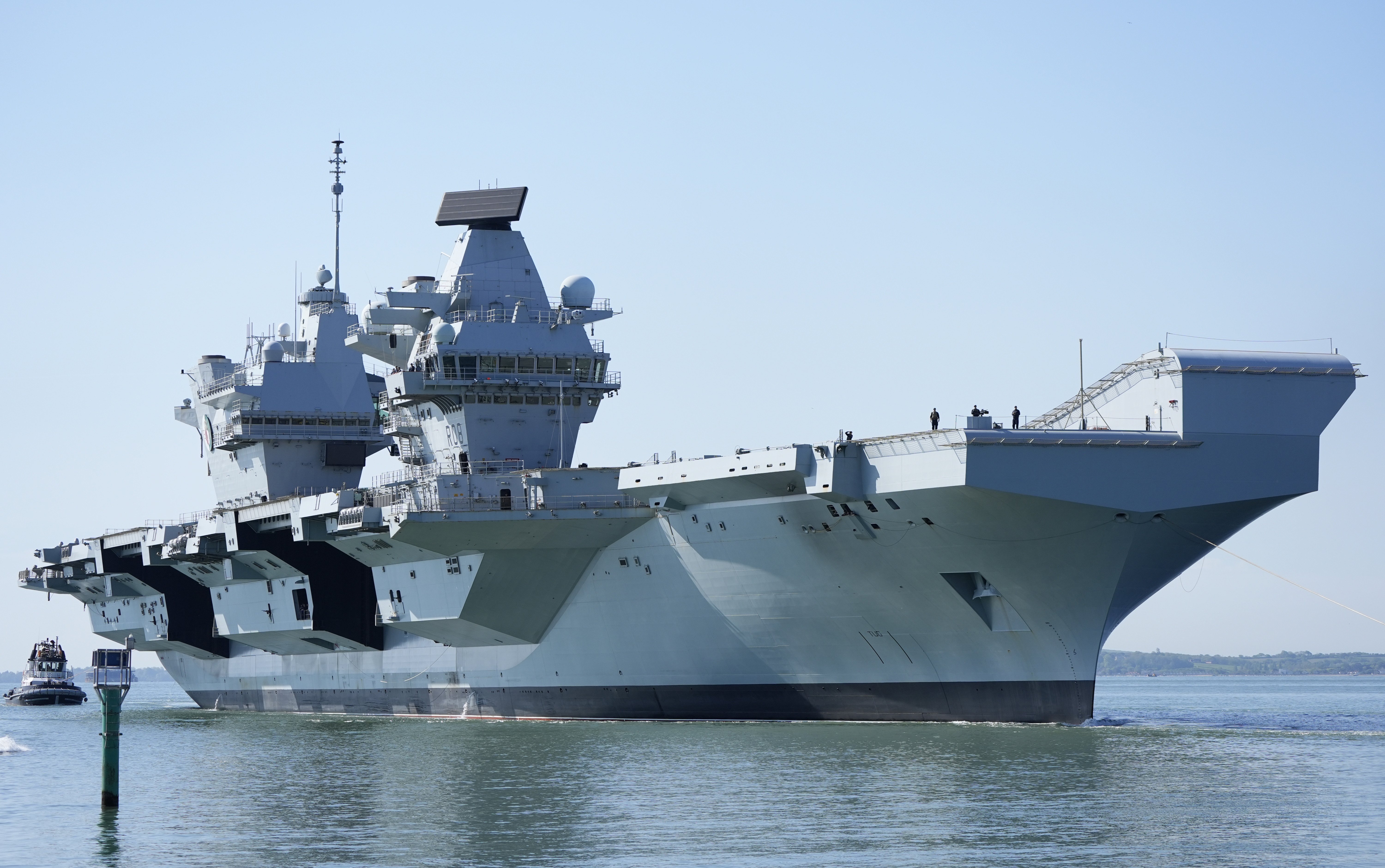
Russian naval operations near the United Kingdom rose by 41% in the first nine months of 2026, leading Britain to pursue closer maritime defense cooperation with nine other European countries, British Defence Readiness Minister Luke Pollard said.
According to The Guardian on November 10, Pollard characterized the rise as “a huge increase” and announced plans to expand the use of unmanned maritime systems alongside conventional warships through the Northern Navies Initiative.
We bring you stories from the ground. Your support keeps our team in the field.
The initiative involves the United Kingdom, the Netherlands, and countries across the Baltic and Nordic regions. It aims to establish a system allowing naval drones from participating nations to operate with warships belonging to different allied fleets.
“The model that we want is where British autonomy [drones] can be teamed with a British warship or a Danish warship or a Norwegian warship and can hand that autonomy off to an allied nation’s warship,” Pollard explained.
The proposed cooperation comes amid concerns about the shrinking size of Britain's naval fleet, particularly its frigates. The Guardian reported that the number of Royal Navy frigates could decline from 12 in 2021 to just three by 2030.
Rather than relying exclusively on traditional vessels, Pollard said the navy intends to combine crewed warships with unmanned platforms, arguing that such integration is necessary “because that would increase our lethality”.
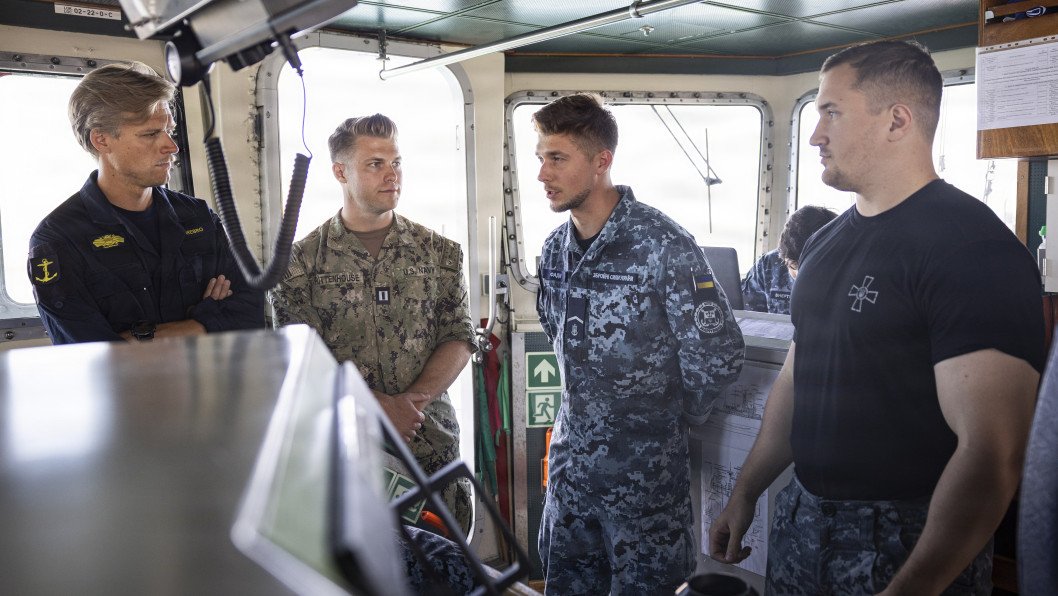
The plans follow an October warning from the UK Parliament’s cross-party Defence Select Committee, which raised concerns that shortages of available warships and submarines could weaken Britain's ability to counter Russian military activity in nearby waters.
The minister also highlighted an additional £10 billion in annual defense funding planned for 2030 under October’s budget, which he said would help the government “send a clear demand signal to industry” and support efforts to address the Russian threat.
Nevertheless, The Guardian reported that no significant new defense spending commitments had been announced since the budget. The government continues to follow its previously outlined defense investment plan, which includes £1.5 billion in funding for maritime drones over four years.
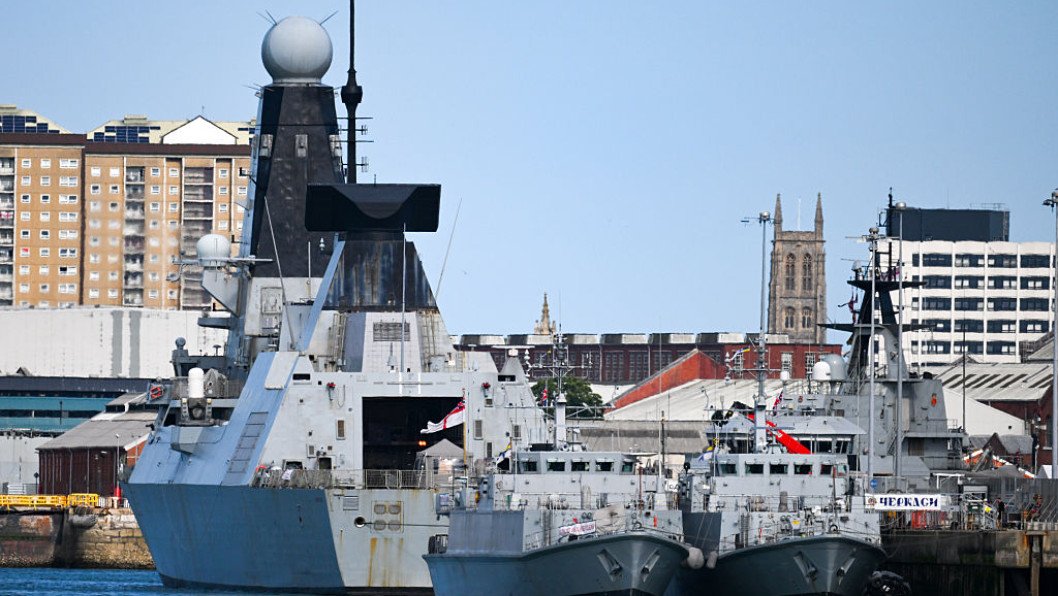
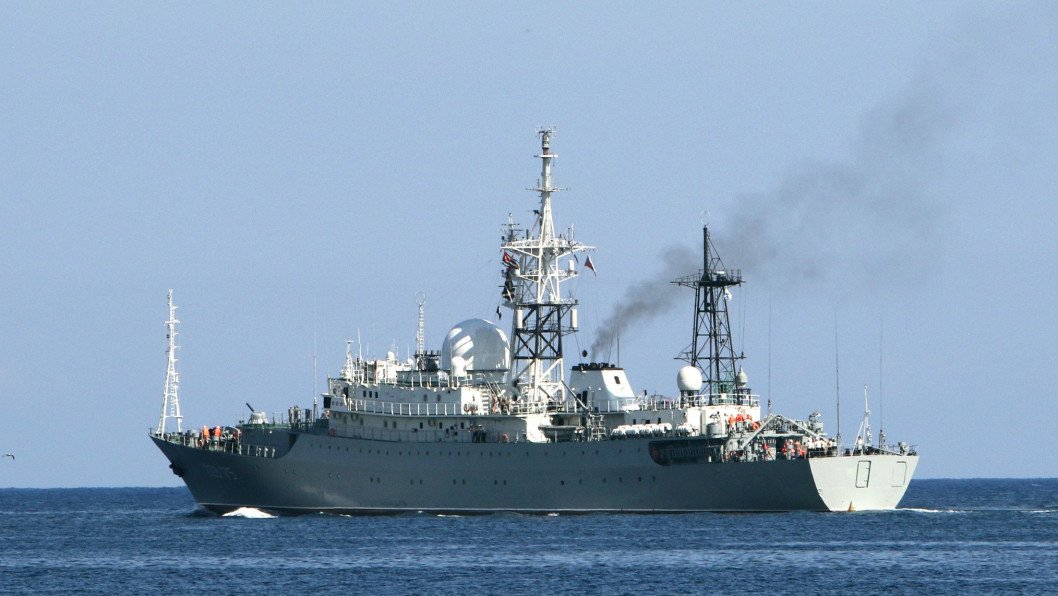
Alongside the growing number of Russian naval deployments, Pollard expressed concern about intelligence-gathering activities targeting Britain's critical infrastructure. He said Russian surveillance vessels, including the Yantar, had operated near British waters in 2026 to develop “an increased picture of our critical national infrastructure”, including by “mapping our undersea cables”.
Russian frigates have also operated regularly in the North Sea and English Channel, often accompanying oil tankers and other commercial ships.
In June, a Russian frigate fired warning shots near a recreational yacht south of the Isle of Wight, The Guardian reported. During the same month, British forces intercepted and seized the Russia-linked oil tanker Smyrtos in the English Channel.
Pollard said tankers associated with Russia had subsequently begun avoiding the Channel more frequently, instead “sailing around the UK”.
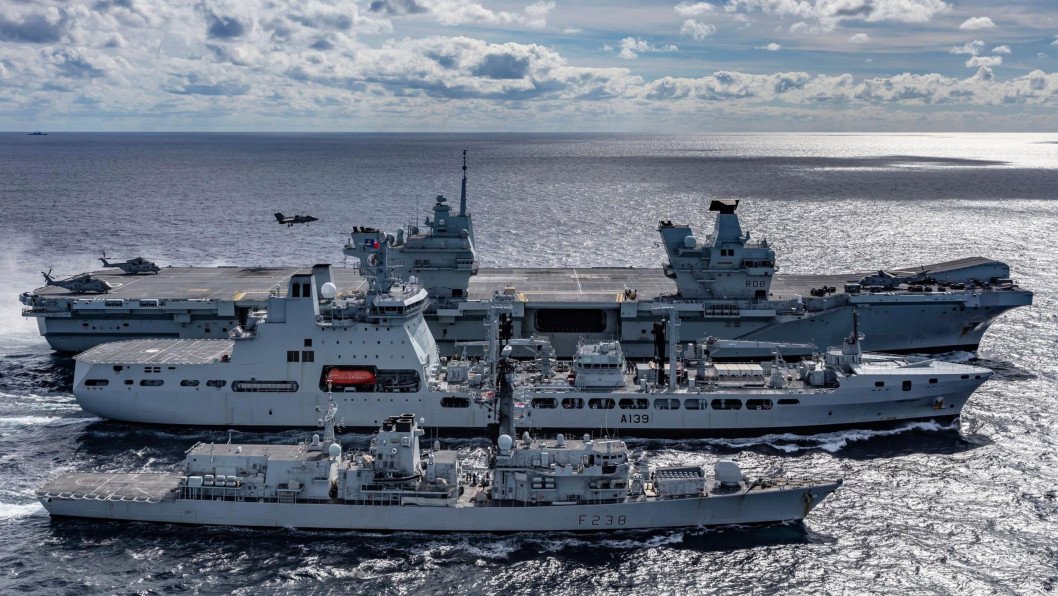
Despite questions about the Royal Navy’s operational capacity, Pollard maintained that British naval forces were “ready to fight tonight” if necessary.
The minister further warned that Russia continues to maintain substantial submarine capabilities despite the demands of its ongoing war against Ukraine.
According to Pollard, Russia's Northern Fleet, stationed in the Barents Sea, maintains “a really formidable undersea presence”, with Moscow continuing to invest in these capabilities throughout the war.
As Britain seeks to respond to these challenges, the Royal Navy is also preparing for a major expansion and modernization of its fleet.
First Sea Lord General Sir Gwyn Jenkins announced on November 10 that the service is undertaking its most extensive modernization program since World War II, with 13 frigates already under construction and additional investments planned in submarines, amphibious vessels, support ships, and autonomous systems.
According to the UK Ministry of Defence, the current shipbuilding program involves approximately 280,000 tons of new steel, a figure expected to increase to around 450,000 tons once planned projects are included.
The 13 frigates under construction include Type 26 warships, which Britain will operate alongside Norway. The modernization program also предусматриes six Common Combat Vessels designed to command and coordinate uncrewed maritime systems.
Discuss this article: