- Category
- War in Ukraine
Ukraine Pushed Russia’s Fleet Back. Now Its Navy Is Training for the Threat Beneath the Black Sea
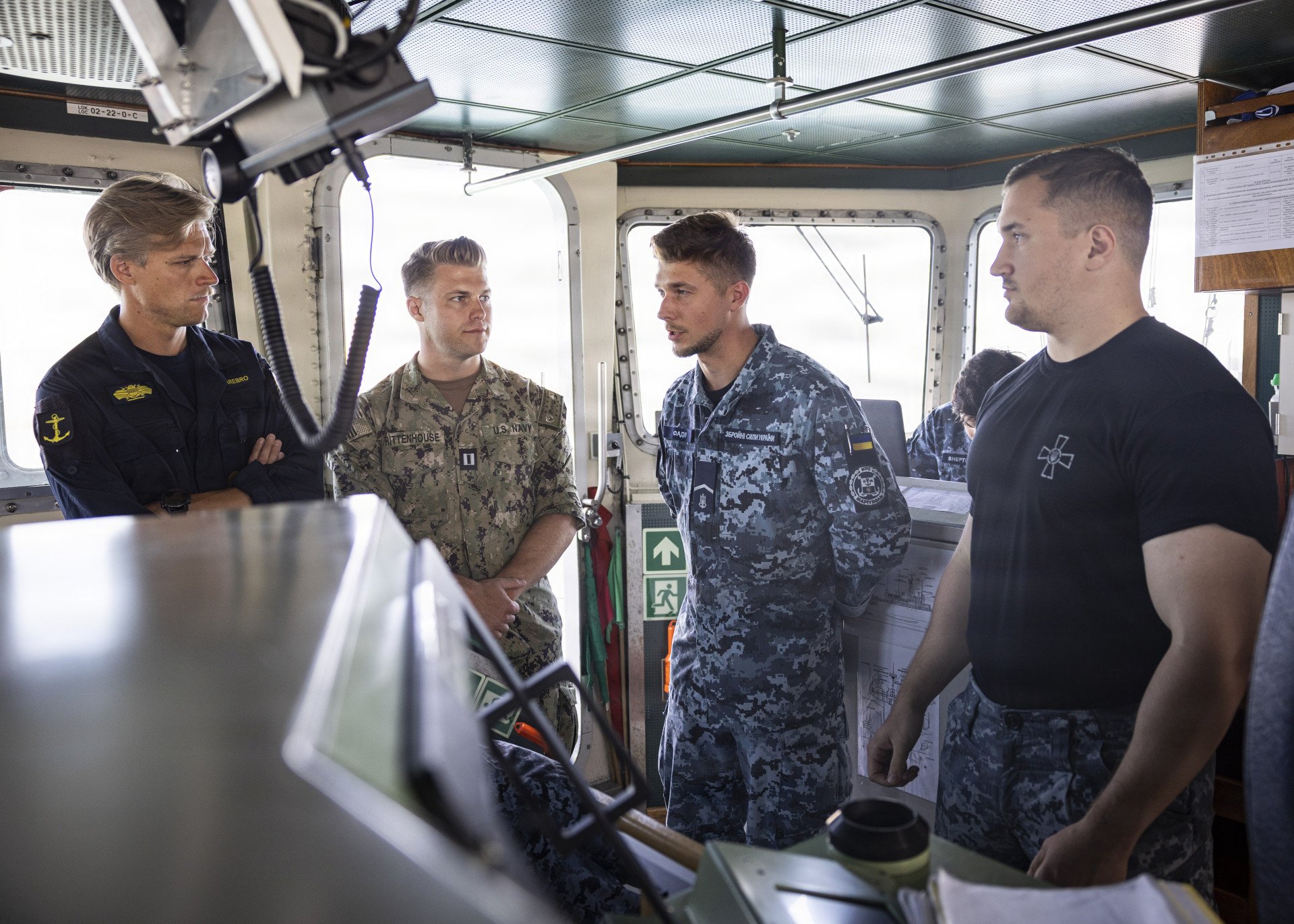
Exercise Sea Breeze trained crews in Ukraine’s Black Sea waters for decades. Now hosted in the UK following Russia’s full-scale invasion, Ukrainian sailors are training alongside NATO partners to counter evolving Russian threats, deploy a new generation of uncrewed systems, and prepare to make their waters safe again.
 Prefer U24 Media on Google
- Authors

-46f6afa2f66d31ff3df8ea1a8f5524ec.jpg "Photo of Jess Daly")
Ukraine’s Navy is preparing for a mission that will eventually take its sailors back to the Black Sea, clearing waters scarred by Russian aggression. Ahead of Exercise Sea Breeze 2026, UNITED24 Media went aboard to meet the sailors preparing to make that mission a reality.
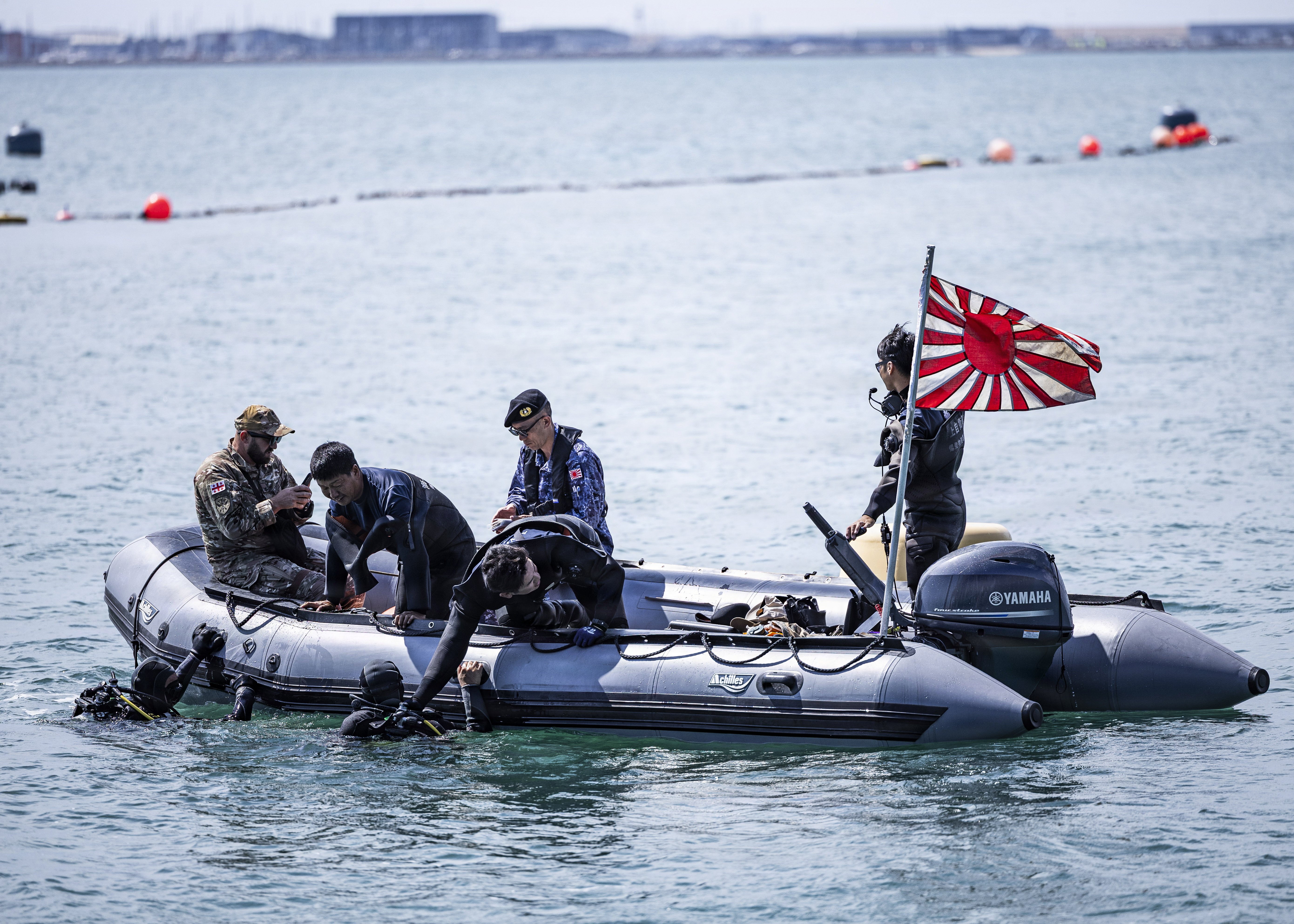
In the port of Weymouth, England, the walls of a canvas tent flapped in the strong coastal wind as naval delegations poured in to mark the opening of the exercise. The weather was fitting to its name, so was the scene inside. From Japan to Georgia, sailors and military personnel from around the world gathered under one roof, united by a mission centered on Ukraine.
“Russia has lost operational control of the Black Sea,” Ukraine’s Commodore Dmytro Kovalenko told UNITED24 Media during the press conference, “Russia’s Black Sea Fleet is either destroyed or contained in the Novorossiysk port.”
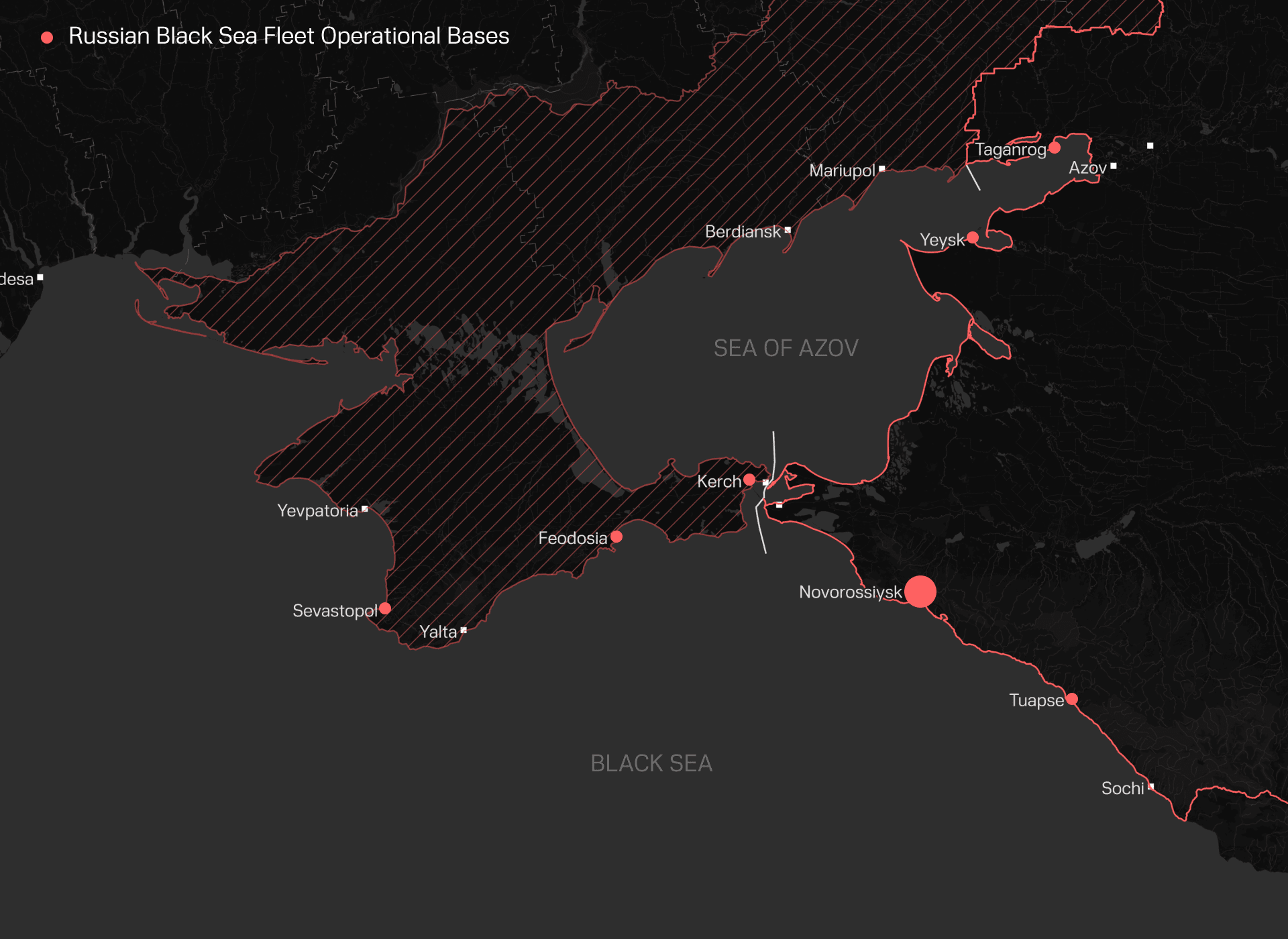
During a month-long maritime campaign, Ukrainian drones have successfully targeted 134 vessels in the Sea of Azov and another 84 in the Black Sea, as of August 8.
Ukraine has now “established a blockade for the Russian fleet,” Kovalenko said, with the maritime space “under control of surface and air unmanned systems.”
The campaign aims to disrupt Russian maritime logistics, including vessels associated with Moscow’s so-called shadow fleet.
But pushing Russia back at sea is only part of the challenge. The Black Sea remains one of the most heavily mined maritime environments in the world, while Russia continues “adopting and devising new tactics and techniques of mining,” including the use of unmanned systems, Kovalenko said. Russian mines can continue restricting shipping and threatening civilian vessels long after the ships that laid them are gone.
Zelenskyy confirmed that Ukraine is now establishing a dedicated mine countermeasures (MCM) brigade to confront that threat.
“By forming this brigade, we are gaining the ability to mine the inland waters, the seabed waters, and the far sea zone,” Kovalenko said. “We will further develop our capabilities of demining our internal waters, our territorial waters, and our economic zone.”
That capability is now being developed alongside Sea Breeze, a multinational exercise that brings together Ukrainian sailors and 20 allied naval forces to prepare for the future security of the Black Sea.
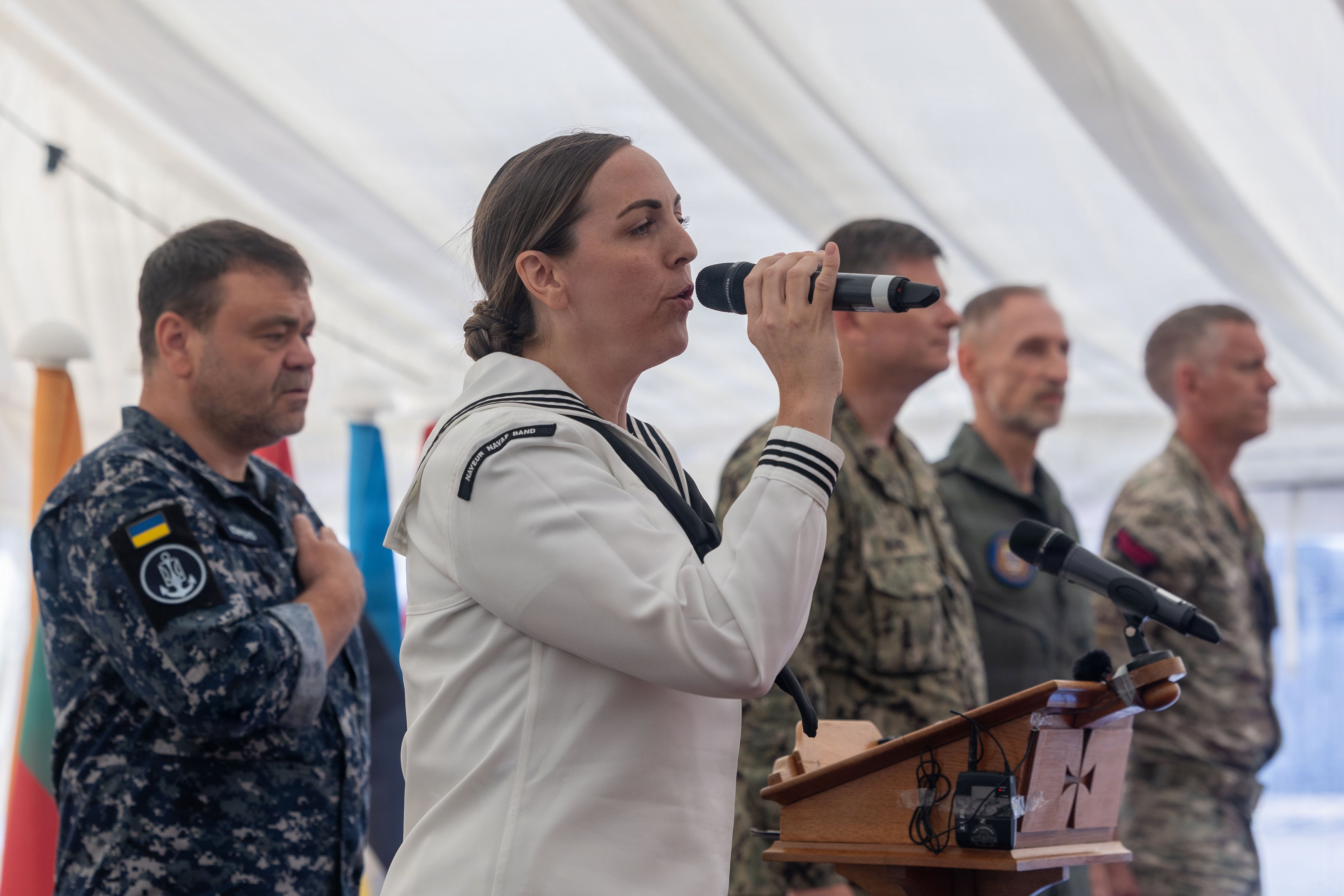
As the ceremony drew to a close, the tent fell silent. Sailors stood motionless as a US representative sang Ukraine’s national anthem, her voice carrying above the sound of the wind outside. I thought of my colleagues back in Ukraine, and of the families these sailors had left behind. Here, thousands of miles from the Black Sea, the reason for the exercise suddenly felt much closer.
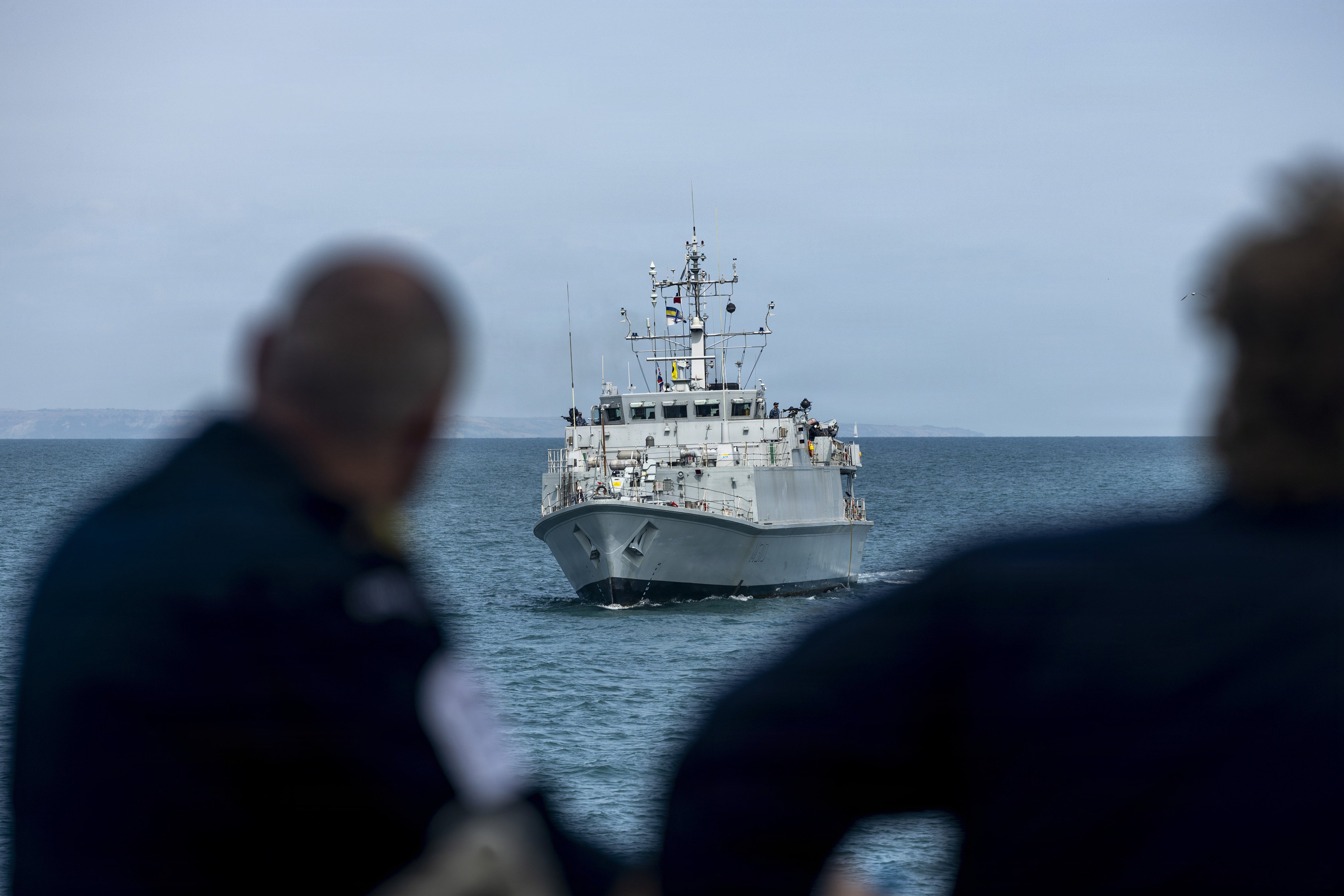
Aboard Ukraine’s mine countermeasure vessels (MCM), the final preparations were underway. UNITED24 Media joined the crews before they headed to sea, where their counter-mine skills and interoperability with NATO nations and partners will be tested.
What is Exercise Sea Breeze?
Exercise Sea Breeze has historically been a keystone exercise for the Ukrainian Navy, taking place annually in the Black Sea since 1997. It was formerly hosted in Ukraine’s port of Odesa, before Russia’s full-scale illegal invasion in 2022.
Since 2023, the UK has hosted Sea Breeze as part of Operation Interflex-Maritime, a wider British Ministry of Defense training program. Just weeks earlier, UNITED24 Media went behind the scenes of Operation Interflex on land, where experienced Ukrainian combat veterans are developing the leadership skills needed to command platoons and companies on the battlefield.
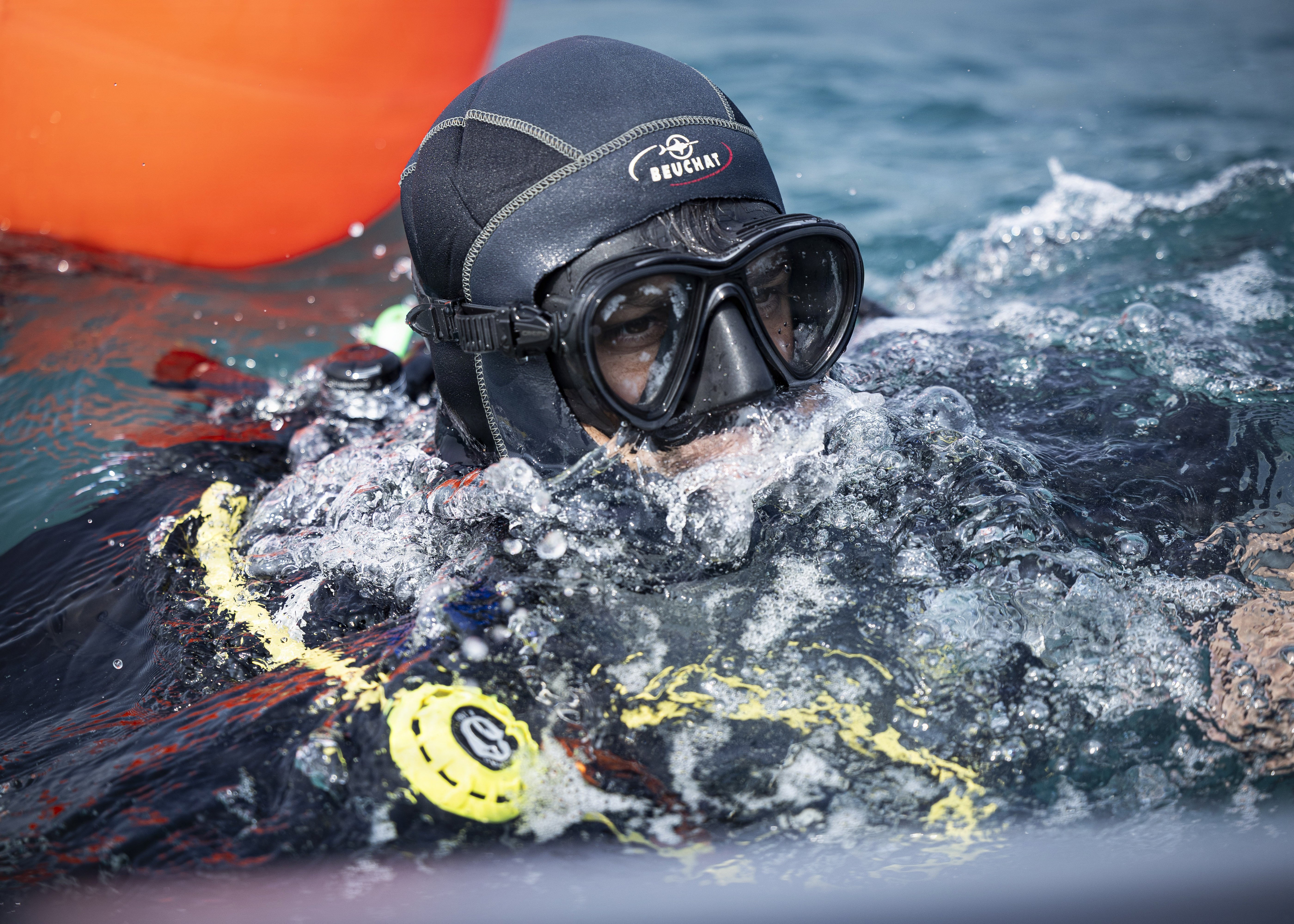
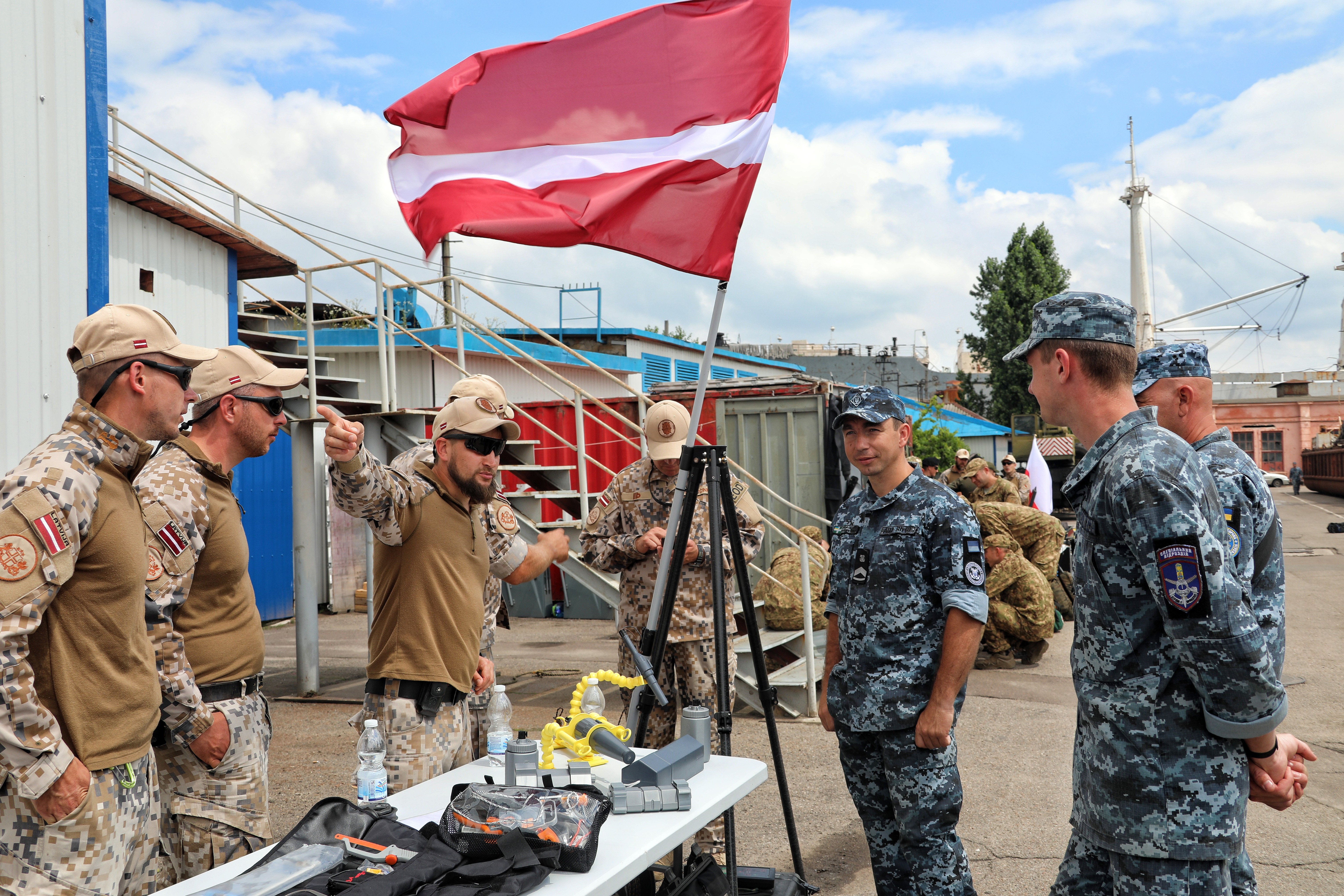
In 2026, Sea Breeze focused on mine countermeasure operations, with crews training aboard mine countermeasure vessels (MCMVs) in mine hunting, explosive ordnance disposal (EOD), diving and salvage operations, and the use of unmanned underwater vehicles (UUVs) and unmanned surface vessels (USVs).
Hosted by the Royal Navy and led by the US and Ukrainian navies in the English Channel, the exercise brought together more than 2,500 personnel from 20 partner nations, including Bulgaria, Denmark, Estonia, Georgia, Japan, Latvia, Norway, Poland, Spain, Sweden, and Türkiye.
The UK-based training began in 2023 with two former British Sandown-class minehunters, His Majesty’s Ship (HMS) Shoreham and HMS Grimsby, transferred to Ukraine and renamed Chernihiv and Cherkasy—like the two Ukrainian cities. Training has since prepared their Ukrainian crews to operate in accordance with NATO standards, building the Navy’s capacity to detect and clear mines in deeper waters.
In 2025, Ukraine’s mine countermeasure fleet expanded further with two Tripartite-class minehunters, Mariupol and Melitopol, formerly operated by the Belgian and Dutch navies. Together, the four vessels are helping build the capability Ukraine will need to secure its waters and ultimately clear the Black Sea of mines.
How Exercise Sea Breeze is training Ukraine to clear Black Sea mines
As we clambered aboard Ukrainian Naval Ship (UNS) Mariupol, sailors saluted while others moved across the deck making final preparations. Ship horns sounded across the harbor as the vessel shifted beneath our feet in the swell. The name Mariupol appeared everywhere aboard the ship. The last time I had seen those letters marking the places they belonged was in January 2022, while traveling through the city of Mariupol just weeks before Russia’s occupation.
Here, more than 1,000 miles away in British waters, the name Mariupol now belongs to a Ukrainian ship preparing for the day it can operate in Ukraine’s waters.
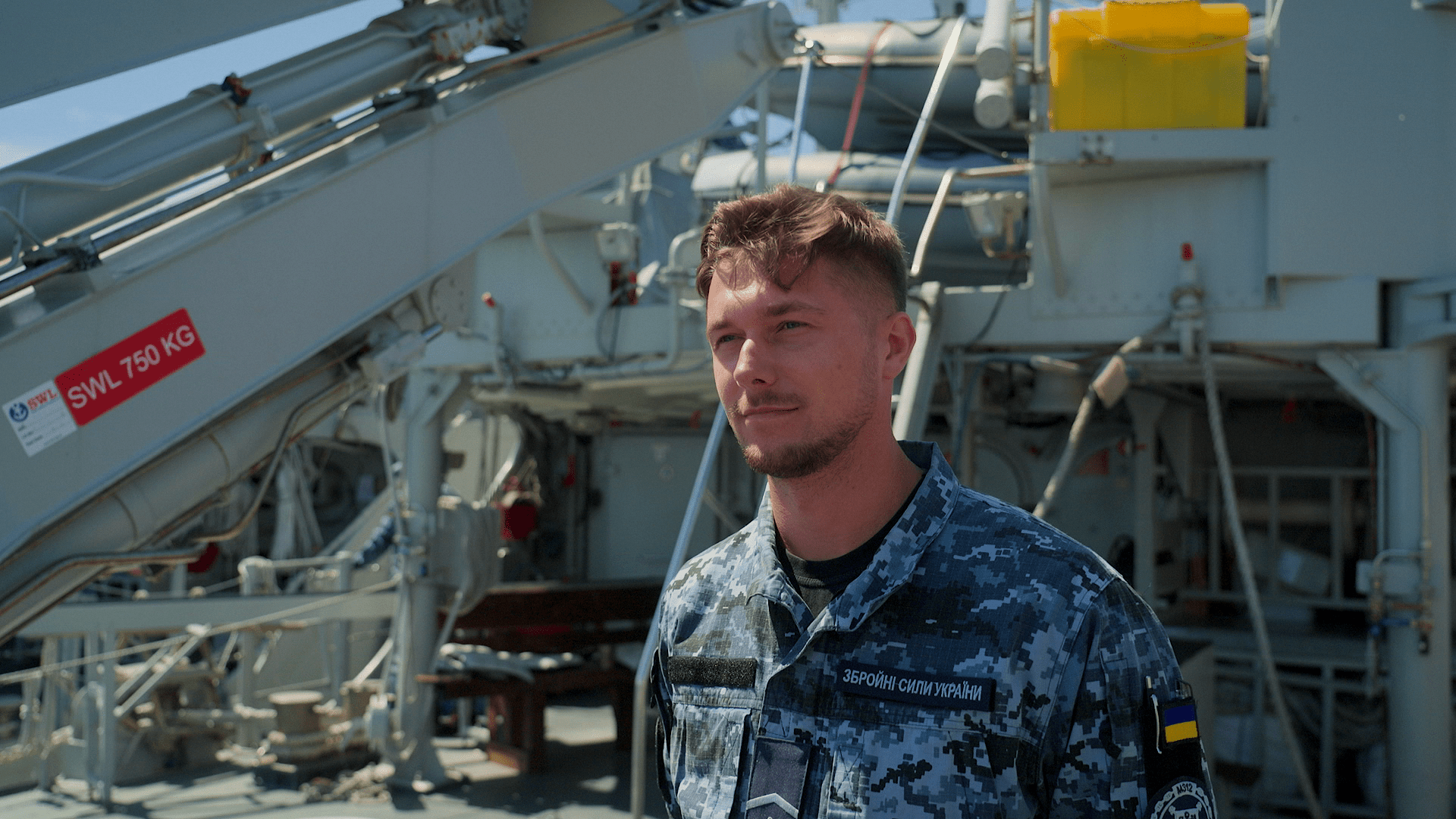
The commanding officer of UNS Mariupol told us that the importance of this maritime exercise lies not only in gaining vital experience training alongside NATO partners, but also in the fact that Russia’s war brings new challenges and tactics to maritime warfare. A Ukrainian sailor, identified by the call sign “Radio,” gave UNITED24 Media a tour of the UNS Mariupol. Before joining Ukraine’s Navy, he worked as a game developer. Friendly and articulate, Radio joked between explanations of the ship’s technology, but grew noticeably more somber when speaking about Ukraine and Russia’s war waged on his home. “Russia always creates something new,” said Radio. “They still use World War II mines and USSR mines. They are also manufacturing plastic mines that are hard to detect. They are smaller but can be more powerful.”
It is a pattern Ukraine has already confronted on land. Russian forces have scattered small anti-personnel mines, including Soviet-designed PFM-1 “butterfly” mines, across parts of Ukraine. Their largely plastic construction and small, innocuous-looking shape can make them particularly dangerous to civilians long after fighting has moved elsewhere.
“Now, they are also using drones to mine the Black Sea,” says Radio. “It’s a big challenge, not only for this ship, but for civilian ships in the Black Sea, for everybody.”
Maritime mines can remain a threat for decades, and Ukraine’s Navy is still clearing mines left from previous wars, Radio said. “We have eliminated a one-tonne mine in the North Sea off Belgium,” he recalled, as well as another dating back to World War II, “which was used by the Luftwaffe, the Germans, to bomb civilian buildings.”
Radio is also studying psychology to “help cope with the challenges” of war.
“You leave everything behind you…your family, your relationships, your friends,” he says. “After that, your life is changed. Civilian cities are being bombed, people live underground, and spend their nights in the metro stations. It’s tough to describe, but your life views and your plans are being changed forever.”
How Ukraine’s drones are reshaping Black Sea mine warfare
From the front line to the open sea, uncrewed systems are reshaping modern warfare. At sea, naval forces are increasingly integrating autonomous systems to detect and remotely neutralize mines—keeping sailors further from danger.
Major General R.J. Cantrill, Commander Operations, Royal Navy, told UNITED24 Media that the “very obvious lesson” from the Black Sea has been the importance of autonomous systems.
What Russia sought was to have complete sea control of the Black Sea. They failed. They failed because of the resolution and determination of the Ukrainian Armed Forces, but also their innovation and drive to modernize.
Major General R.J. Cantrill
Commander Operations, Royal Navy
Cantrill said the Royal Navy is now moving towards a hybrid approach: “crewed when necessary, uncrewed where possible,” drawing on “the absolute best of the incredible innovation of Ukraine” as it develops its future fleet.
That shift is clear during this year’s Exercise Sea Breeze, where uncrewed systems play a major role in mine countermeasure training—allowing naval forces to tackle maritime threats while reducing the risk to crews.
Neil Skelland, Business Development Director at TKMS Atlas UK, explained how the technology could transform naval mine clearance.
During the exercise, naval forces were using SeaFox, a remotely operated mine-disposal system designed to identify and neutralize underwater mines. It’s launched by platforms capable of performing mine-hunting and minesweeping missions without putting sailors directly into the minefield.
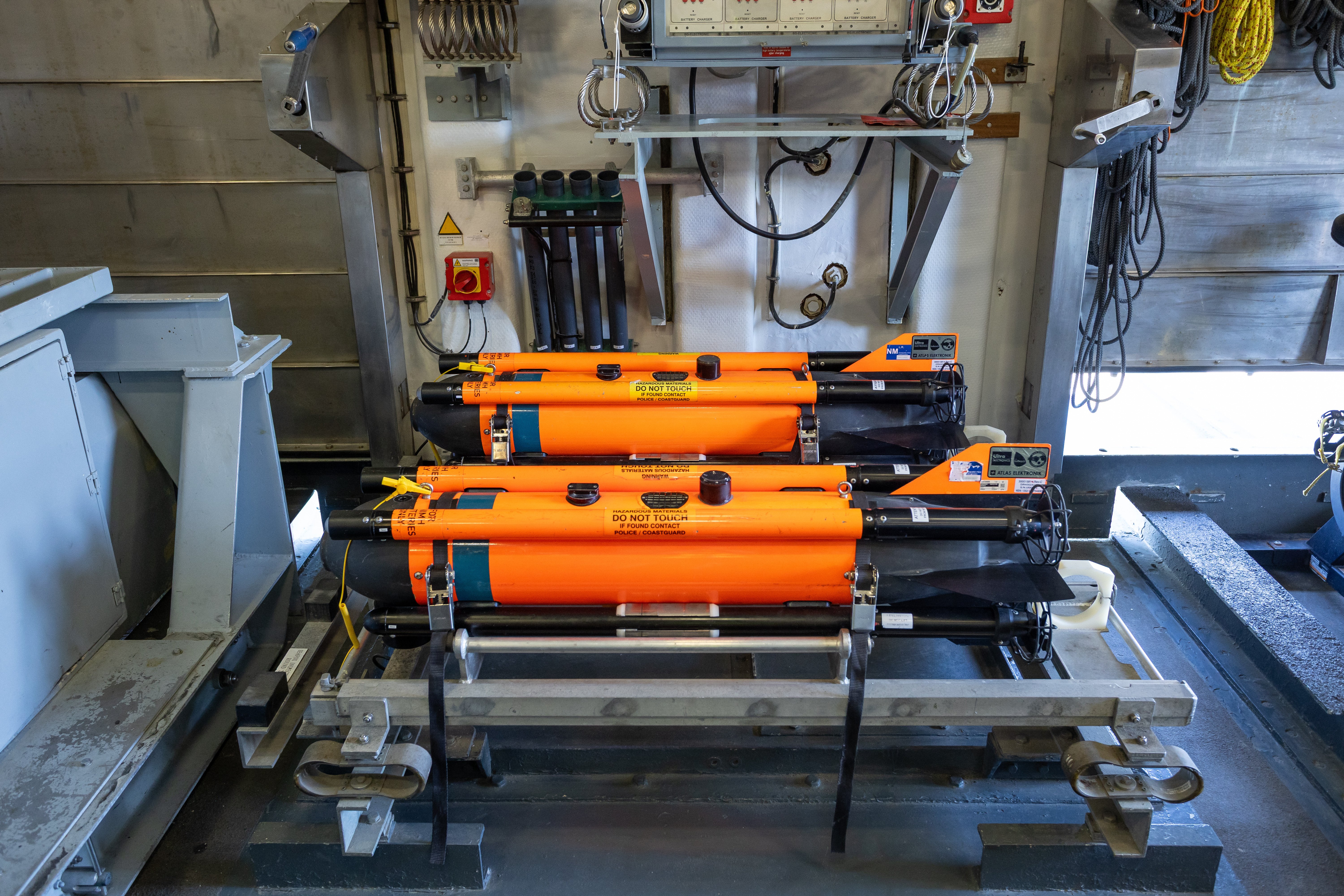
Modern mines, Skelland explained, can detect the signature of a vessel passing above them. Uncrewed minesweeping like Sea Fox can instead imitate those signatures, triggering the threat from a safe distance.
As UNS Mariupol and the rest of the fleet departed the port, Radio and the other sailors waved from the deck. Moments later, their focus returned to the task ahead. Sea Breeze may now take place far from Ukraine, but its mission remains firmly tied to the Black Sea. Every crew trained and system tested builds Ukraine’s ability to secure its waters marked by Russian aggression.
Discuss this article:


-c439b7bd9030ecf9d5a4287dc361ba31.jpg "Photo of Katherina Popilnichenko")

-111f0e5095e02c02446ffed57bfb0ab1.jpeg "Photo of Roman Kohanets")