- Category
- Latest news
Russia Drops Deadly “Butterfly” Mines on Kherson—Ambulances Damaged in Overnight Attack
 Prefer U24 Media on Google
- Authors



Russian forces are once again scattering PFM-1 “butterfly” mines across the streets of Kherson, dropping the explosives from drones, Kherson’s Regional Administration reported on November 13.
Officials noted that the devices are especially difficult to detect because of their shape and size, allowing them to blend into grass and fallen leaves. The mines are also unstable—they can self-destruct at any moment or detonate from the slightest touch.
“Therefore, if you encounter a PFM-1 butterfly mine, do not touch it, move it, or try to neutralize it yourself,” the administration warned.

Residents are urged to step back to a safe distance, mark the location, and immediately call emergency services.
According to the statemnet, two ambulances were damaged by Russian “butterfly” mines this morning in the Dnipro district of Kherson.
The first vehicle hit a mine at around 03:00 while evacuating a patient; the second struck one at around 05:00 on its way to another call.
In both cases, the blasts destroyed the wheels — but no one was injured.
The PFM-1, widely known as the “butterfly mine,” is a small Soviet-designed anti-personnel mine that has become one of the most dangerous explosive threats in war-affected areas of Ukraine. It is banned under the Ottawa Convention due to the severe humanitarian harm it causes, especially to civilians and children.
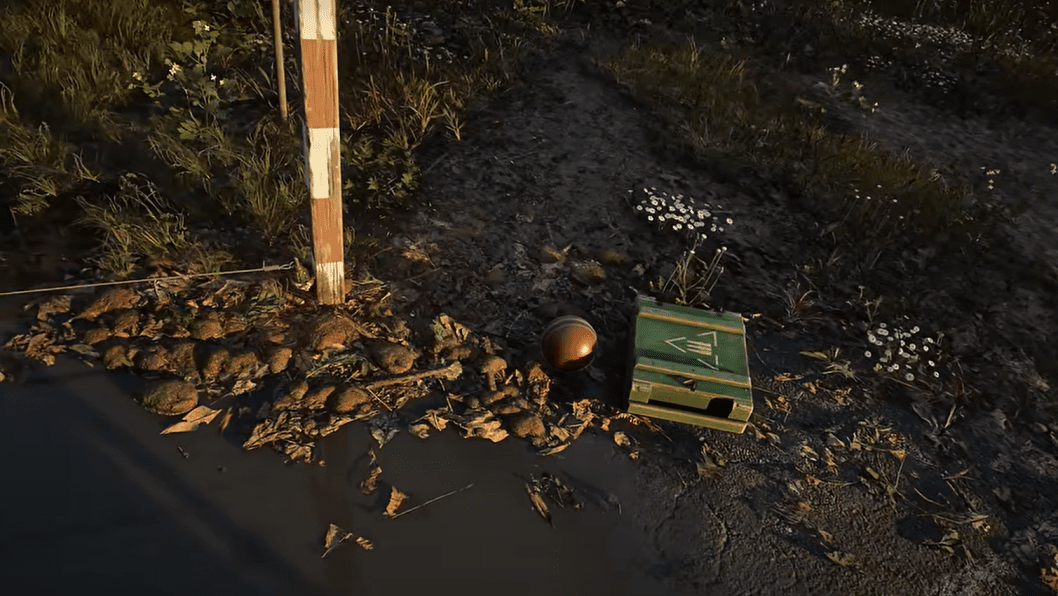
Shaped like a tiny winged object, the PFM-1 is made of plastic and typically colored green or brown, allowing it to disappear easily into grass, leaves, and soil. Its lightweight design enables it to be dispersed in large quantities from aircraft, artillery, or, as seen in Ukraine, from drones. This makes the mines difficult to detect and allows them to contaminate large areas quickly.
The PFM-1 can detonate from the slightest touch or pressure—even a child picking it up. Its toy-like appearance has led to countless injuries. Unlike many other anti-personnel mines, it is designed primarily to maim rather than kill, creating long-term medical, social, and logistical burdens for communities living near the frontlines.
Earlier, since Russia launched its full-scale invasion, explosive hazards have injured or killed 1,358 people across Ukraine. Of those, 380 individuals—among them 21 children—have lost their lives.
Discuss this article: