- Category
- War in Ukraine
Ukrainian Soldiers Are Training Their Minds to Survive Russia’s War
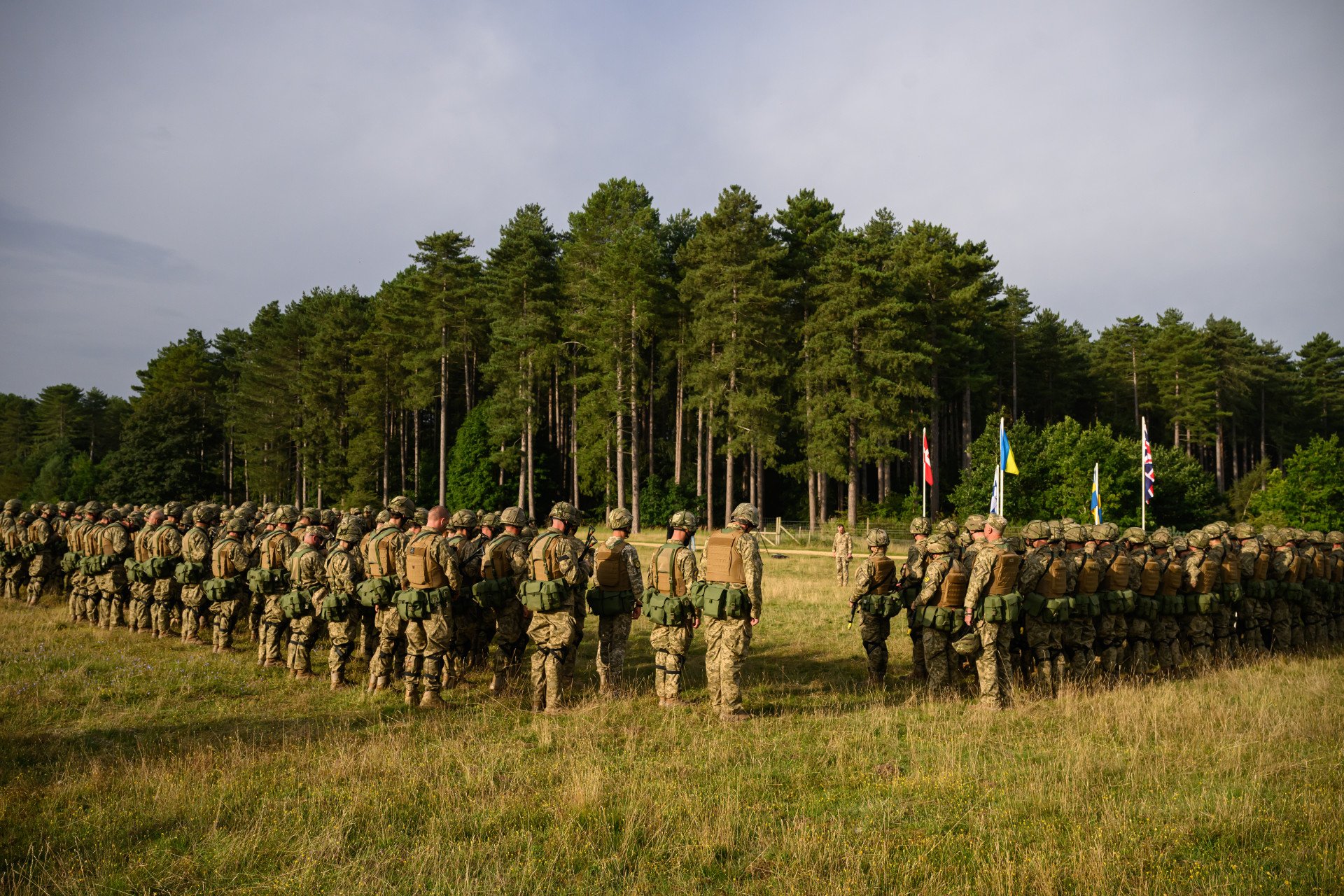
We went inside the UK's Operation Interflex, where Ukrainian soldiers are learning to manage combat stress, trauma, and the psychological toll of Russia’s war.
 Prefer U24 Media on Google
- Authors

-46f6afa2f66d31ff3df8ea1a8f5524ec.jpg "Photo of Jess Daly")
Ukraine faces a serious mental health crisis, with a staggering 72% of people surveyed by the World Health Organization in 2026 experiencing anxiety or depression in the past year.
“The burnout after four years of war is immense, and the demand for health care has never been higher," Dr. Jarno Habicht, WHO Representative to Ukraine, said.
Today, millions of Ukrainians are facing psychological trauma: from sleep disorders and anxiety to severe manifestations of post-traumatic stress disorder (PTSD). Traditional methods do not work for everyone, and it is becoming increasingly clear that the country needs a broader set of tools to support mental health.
A range of therapy techniques has emerged to help Ukrainians cope with the psychological impact of war. Horse therapy has been a beneficial tool to support soldiers wounded physically and struggling with PTSD, alongside others such as Psychedelic therapy, VR therapy, and much more.
However, there is much more work to be done, and as Russia’s war of aggression continues, the impact of war will remain with Ukrainians for many years to come, even when peace is restored.
How Operation Interflex is training Ukrainian soldiers to build mental resilience
In June 2026, UNITED24 Media went behind the scenes of Operation Interflex, a UK-led military training mission established to support Ukraine in its defense against Russian aggression.
When the mission launched in 2022, its primary objective was to transform civilians into soldiers. Four years later, with Ukraine's armed forces now possessing extensive combat experience, Operation Interflex has evolved to meet the changing needs of the battlefield. At the request of the Armed Forces of Ukraine, the programme now focuses on developing military leadership and delivering advanced courses, including the Section Commanders Battle Course and the Platoon and Company Sergeants Course.
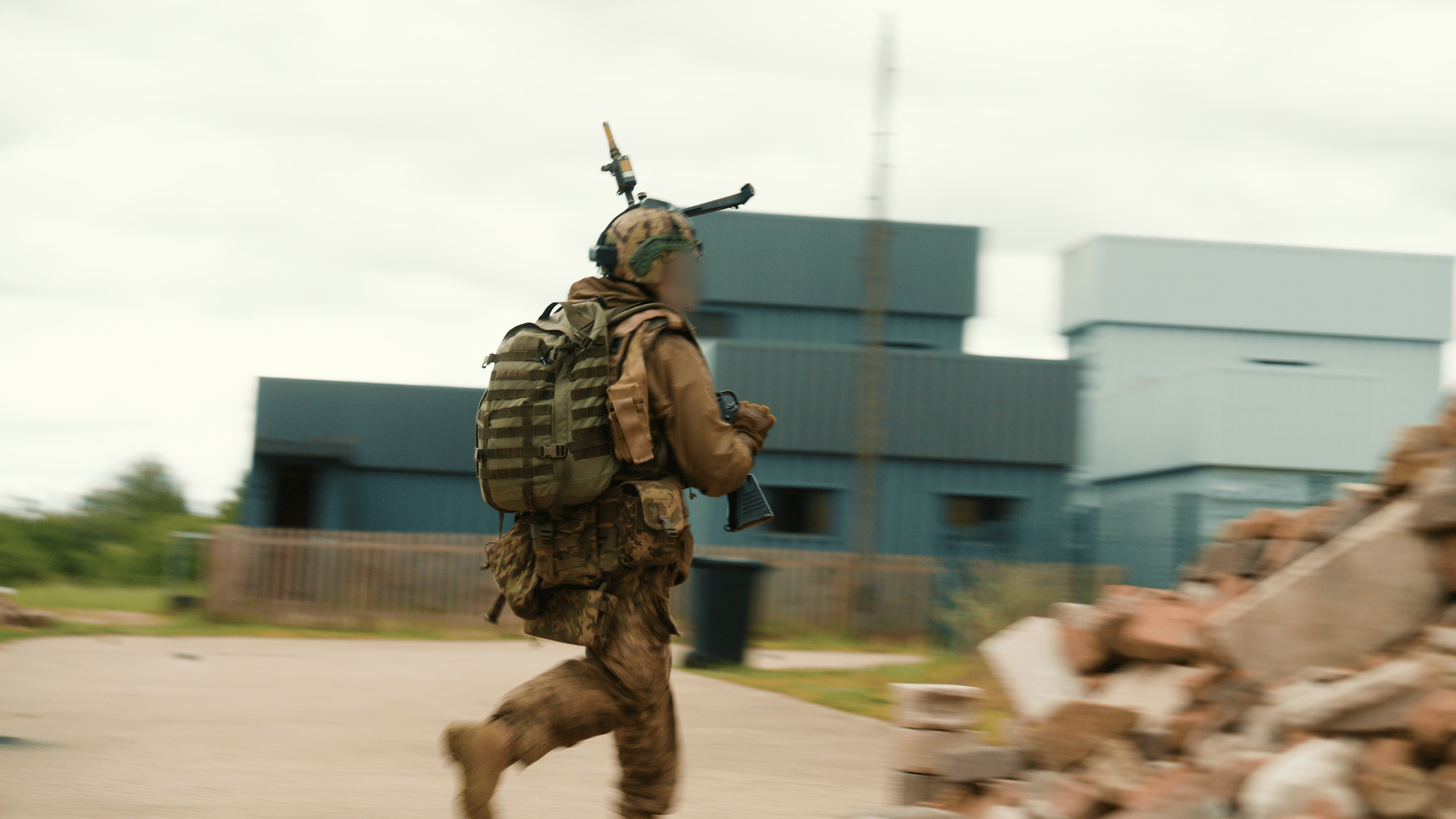
Alongside the leadership course, Operation Interflex began delivering a specialist Combat Stress Signposting Course (CSSC) in 2024, designed to equip both psychologists and Ukrainian Army officers with the skills to build mental resilience within their units.
The course trains officers to deliver resilience training, recognise the signs of combat stress, apply battle shock management techniques in high-pressure environments, and direct personnel to further support when needed. To date, 375 Ukrainian psychologists have completed the specialist training.“I think any operation has an impact on the welfare and the mental health of those who are part of it”, Colonel Andy Boardman, Commanding Officer of Operation Interflex, told UNITED24 Media.
Having gone through what they've gone through, it's undeniably going to be a mental stress burden on all those who've been a part of it—the soldiers, but equally the civilian population, the people of Ukraine who live under nightly bombardment.
Colonel Andy Boardman
Operation Interflex commander
Considering the amount of mental stress, “there's definitely going to be some work to be done to mitigate that afterwards,” Boardman said.
How drone warfare is affecting Ukrainian soldiers’ mental health
Karma, a Ukrainian combat medic from the Kherson Region, undergoing training at Operation Interflex, told UNITED24 Media how living under Russian occupation has had a long-term impact on her.
“I felt like I couldn’t breathe, like a lack of oxygen.” She supported civilians, families, and people with disabilities by delivering essential supplies under Russian fire, including basic necessities such as baby food for children.
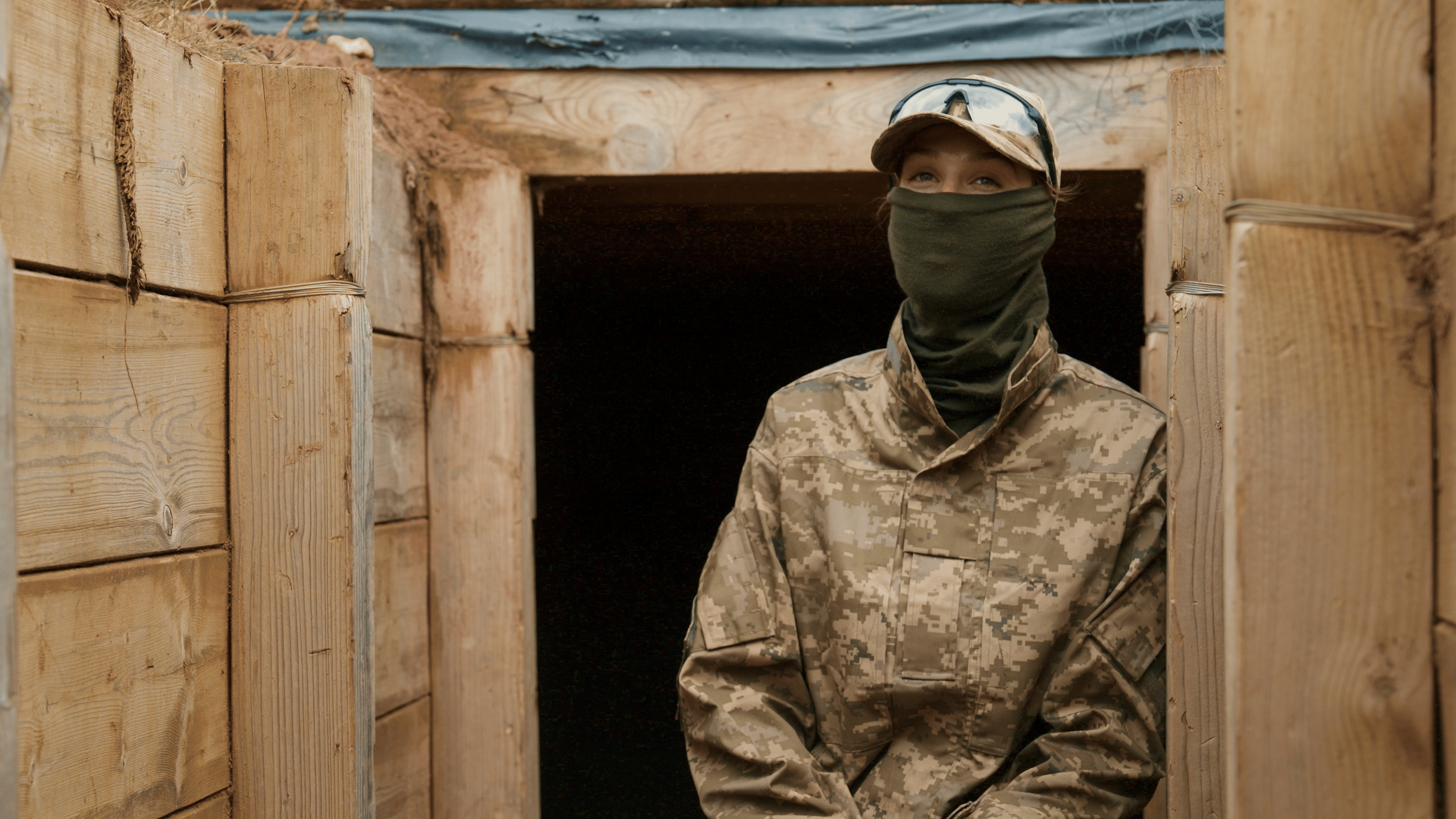
The left bank of the Dnipro River near Kherson is still under Russian occupation. Russian forces carry out what’s disturbingly known as the “human safari” onto civilians in the Ukrainian-controlled area of the city. Russian drone operators target pedestrians, civilian vehicles, residential buildings, medical facilities, rescuers, and public transport. Kherson came under 600-700 drone attacks per week in March 2025. The sound of drones and buzzing that sounds even remotely similar, from a motorbike, for example, has a lasting emotional impact on Ukrainians.
Karma recalls the first drone she heard flying above her while undergoing training at Operation Interflex. “I started crying, I started getting attacks, flashbacks, flashbacks that fill your heart and soul,” she said. The British trainers at Operation Interflex were very supportive, bringing the drones down, stopping their flight and calming her through their training techniques. These, Karma says, were very impactful and techniques that she’ll be taking with her to further support her team in Ukraine.
How combat stress training helps Ukrainian military leaders
Barba, another young Ukrainian soldier taking part in Operation Interflex, said he “underestimated the realities of war” and that the CSSC course was the most important part of his training in dealing with the losses he faced.
The deaths of my brothers-in-arms and friends—people with whom I began my military journey, studied alongside in military lyceum as teenagers, and later attended the academy with—were deeply painful losses. I would not say that I have fully recovered from them even now.
Barba
Ukrainian Marine
Barba began his military training at just 14 years old, then enrolled at the National Academy of Land Forces, graduated in 2021, and was assigned to a combat brigade. Despite years of military training, he says nothing could have fully prepared him for the realities of war.
Like many Ukrainians, the losses he experienced left him in a state of shock, but “thanks to the support” of his comrades, he was “able to find his footing and, overall, cope with the hardships of military service”.
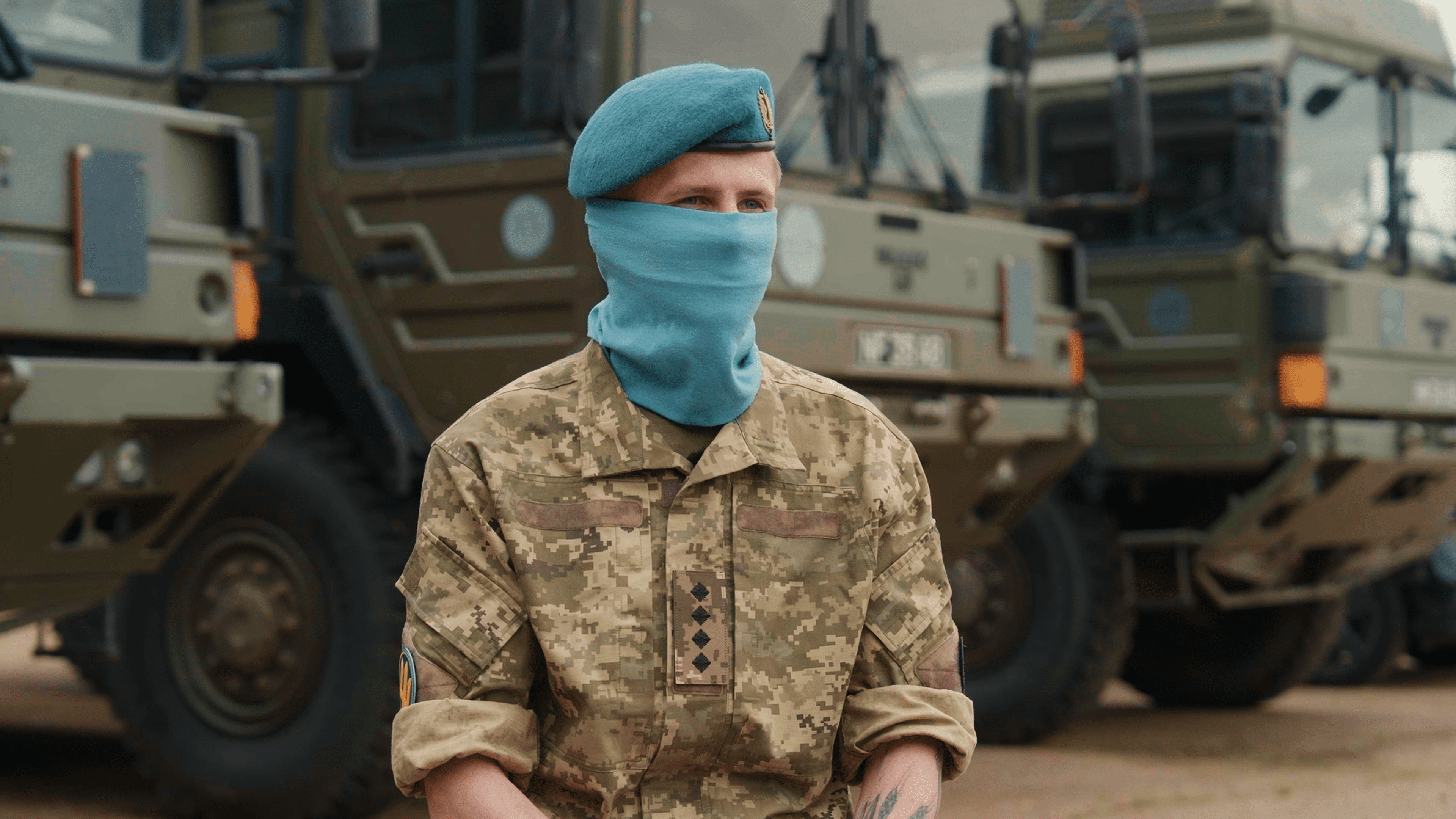
“Everyone is different,” Barba said. “Different levels of resilience to stress, unique psyche. Like a fingerprint.” The CSSC course taught him many ways to self-regulate.
“Mindfulness, in particular,” he says, “was an incredible discovery for me; it can be used not only for your own well-being but also to support the personnel under your command.” This, he says, was one of the most important takeaways from the course.
Barba says he now intends to put everything he has learned into practice, using the skills gained through the course to better support the comrades in his unit. He concluded with a message for others: “Never close yourself up and give yourself a chance to let go of your emotions and worries.”
After training more than 63,000 Ukrainian troops, Operation Interflex will bring a new phase focused less on mass infantry training and more on specialist capabilities designed to strengthen Ukraine’s Armed Forces over the long term. The support will expand into areas including aviation, medical, engineering, and logistics, with helicopter instructor training already beginning under the new framework.
Discuss this article:
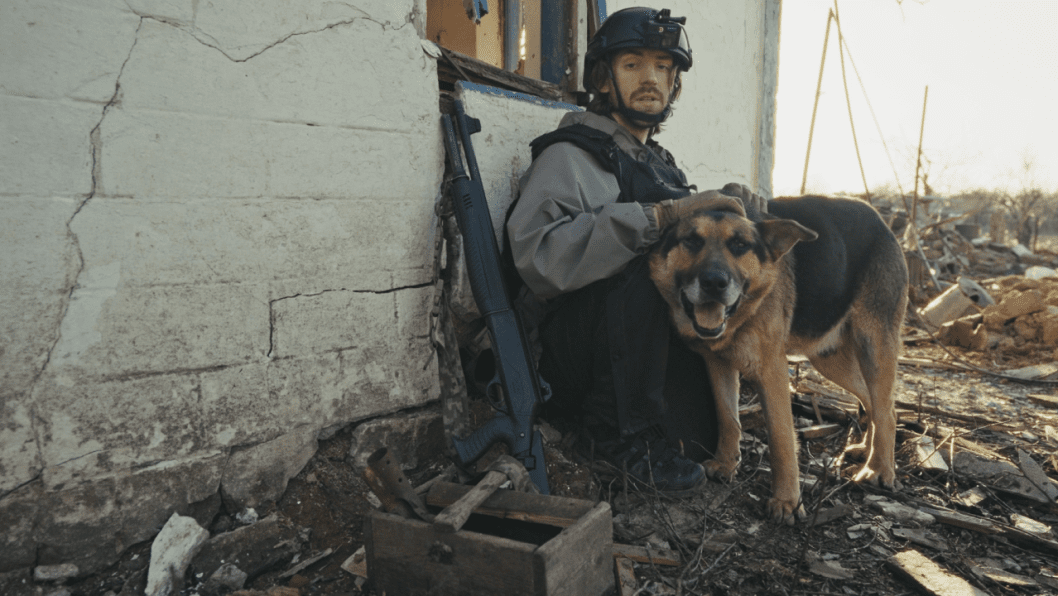

-7647a088f8ed2b81f52ab779f3a93cd0.png "Equipment and personal gear belonging to Ukrainian troops from the 425th Separate Assault Regiment “Skelya” are transported on a small wagon through an underground gas pipeline near Kupiansk. (Source: 425th Separate Assault Regiment “Skelya”)")
-72b63a4e0c8c475ad81fe3eed3f63729.jpeg "Photo of Cyril Barabaltchouk")