- Category
- Life in Ukraine
How Psychedelic PTSD Therapy for Ukrainian War Veterans Works
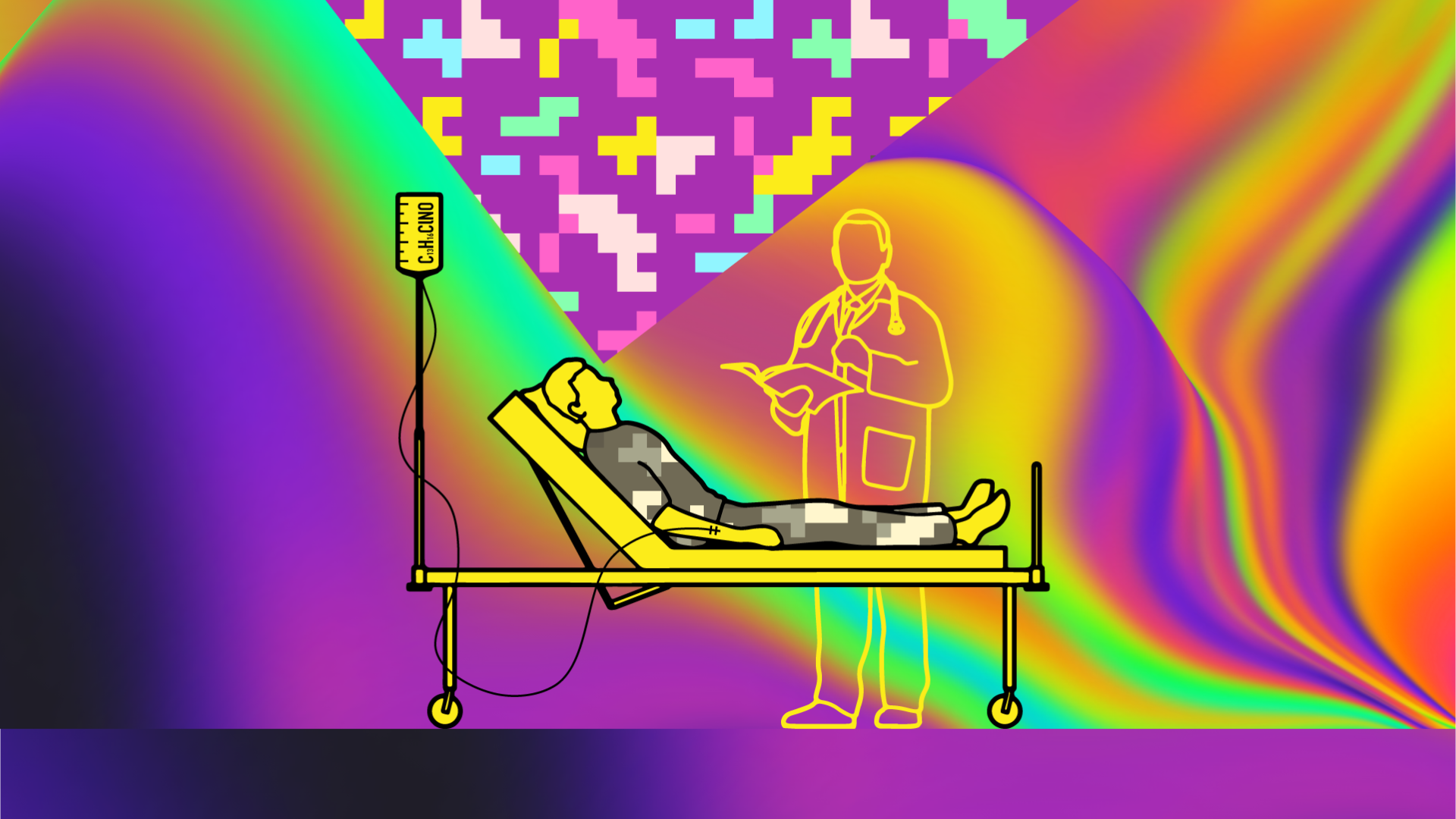
“I felt like I was merging with a rock I was sitting on. I called my mother to say I loved her,” says Oleh Fitkalo, describing his experience during a psychedelic session. For him and other Ukrainian veterans, psychedelic therapy is opening unexpected doors to healing from the invisible wounds of war.
 Prefer U24 Media on Google
- Authors


Today, amid the Russian war, millions of Ukrainians are facing psychological trauma: from sleep disorders and anxiety to severe manifestations of post-traumatic stress disorder (PTSD). Traditional methods do not work for everyone, and it is becoming increasingly clear that the country needs a broader set of tools to support mental health.
“I hugged a tree, laughed and cried,” Fitkalo recalls. “I heard a leaf fall from a tree, brushed it with my shoulder by accident, and started apologizing. I had a sense of complete unity with nature and love for everything around me.”
Globally, psychedelic therapy has been actively studied for several years, with growing scientific evidence of its effectiveness. In Ukraine, the first steps in this field are being taken by the Fenix project—a rehabilitation program centered around therapy sessions with psychoactive substances. It organizes therapeutic programs for veterans using psychedelics in safe and controlled settings.
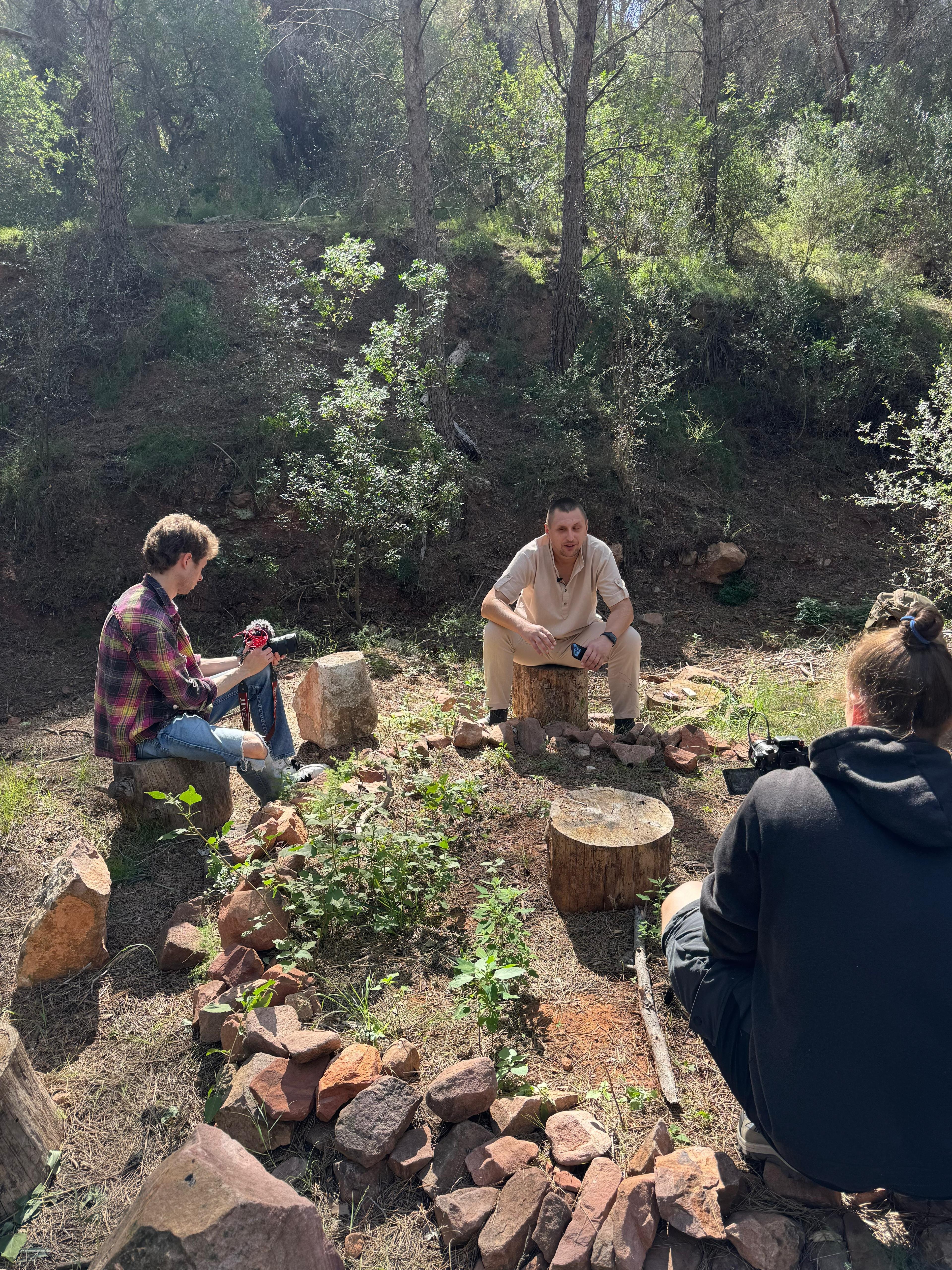
First positive results in psychedelic therapy
While serving in the Ukrainian army, psychiatrist and associate professor Oleh Fitkalo, who has spent years working with trauma survivors, encountered severe PTSD in four of his fellow soldiers. Describing their cases to colleagues at Harvard and Stanford, he struggled to understand their unusual symptoms—such as extreme stuttering that made speech impossible under stress, severely disrupted sleep, intense full-body tremors, and hypersensitivity to any sound. Neither therapy nor medication seemed to help.
That’s when he met Anton and Maryna Mormul, founders of the Fenix project and co-founders of the Ukrainian Psychedelic Research Association (UPRA).
After sharing his condition and the cases of the four veterans with Anton and Maryna, all five underwent screening and were accepted into the program. In August 2024, they traveled to Spain.
Within days, Fitkalo recalls, his comrade Illinoi showed his hand—the tremor was gone. Another, who had suffered the worst stuttering, was already speaking calmly at the airport.
Back home, all of them showed months of positive progress: reduced anxiety and physical tension, improved sleep, better emotional well-being, and in some cases, even a loss of alcohol cravings.
“But to achieve a lasting effect, several sessions are necessary,” Fitkalo says. “So far, there’s very little research worldwide.”
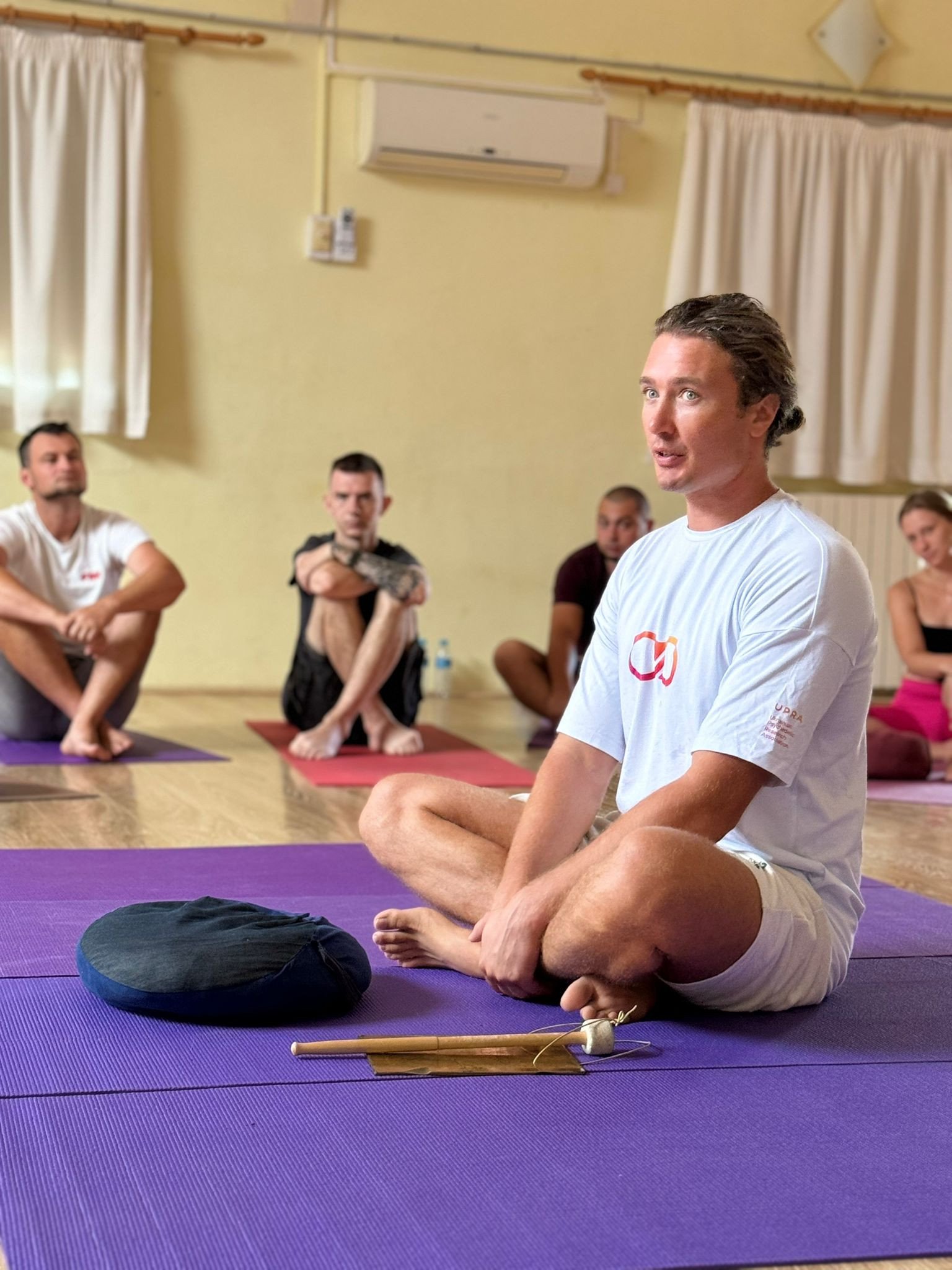
The birth of the Fenix project
Anton Mormul, founder of the project and the association, had been working with veterans since Russia’s first invasion in 2014. He first encountered psychedelic rehabilitation in 2021, when he met a soldier who had long struggled with severe PTSD without success.
At the time, Mormul was completing a PsyTech certification that included lectures at a Swiss university where the psychiatry department had been studying psychedelics for years.
The soldier agreed to a therapy session, after which he experienced a rapid and powerful remission — despite having stopped medication just days earlier. Later, he said he felt better than he had even before the war.
“Psychedelic therapy alters the brain’s biochemistry in ways that change reactions, imagination, and worldview,” Anton says. “A person begins to see themselves differently and to accept traumatic events.”
Word spread, and friends of the soldier also sought therapy. But in Ukraine, psychoactive substances are banned. In early 2022, Anton began looking for a country where sessions could be held legally and safely. With the outbreak of Russia’s full-scale war, the need for a safe and quiet environment became even more urgent. Changing scenery and the act of travel itself also proved beneficial.
By 2023, the project had expanded, registering the Fenix Foundation in Kyiv.
“So far, no one officially supports us,” Anton says. “We and a few volunteer friends cover all the costs—from travel to accommodation and meals.”
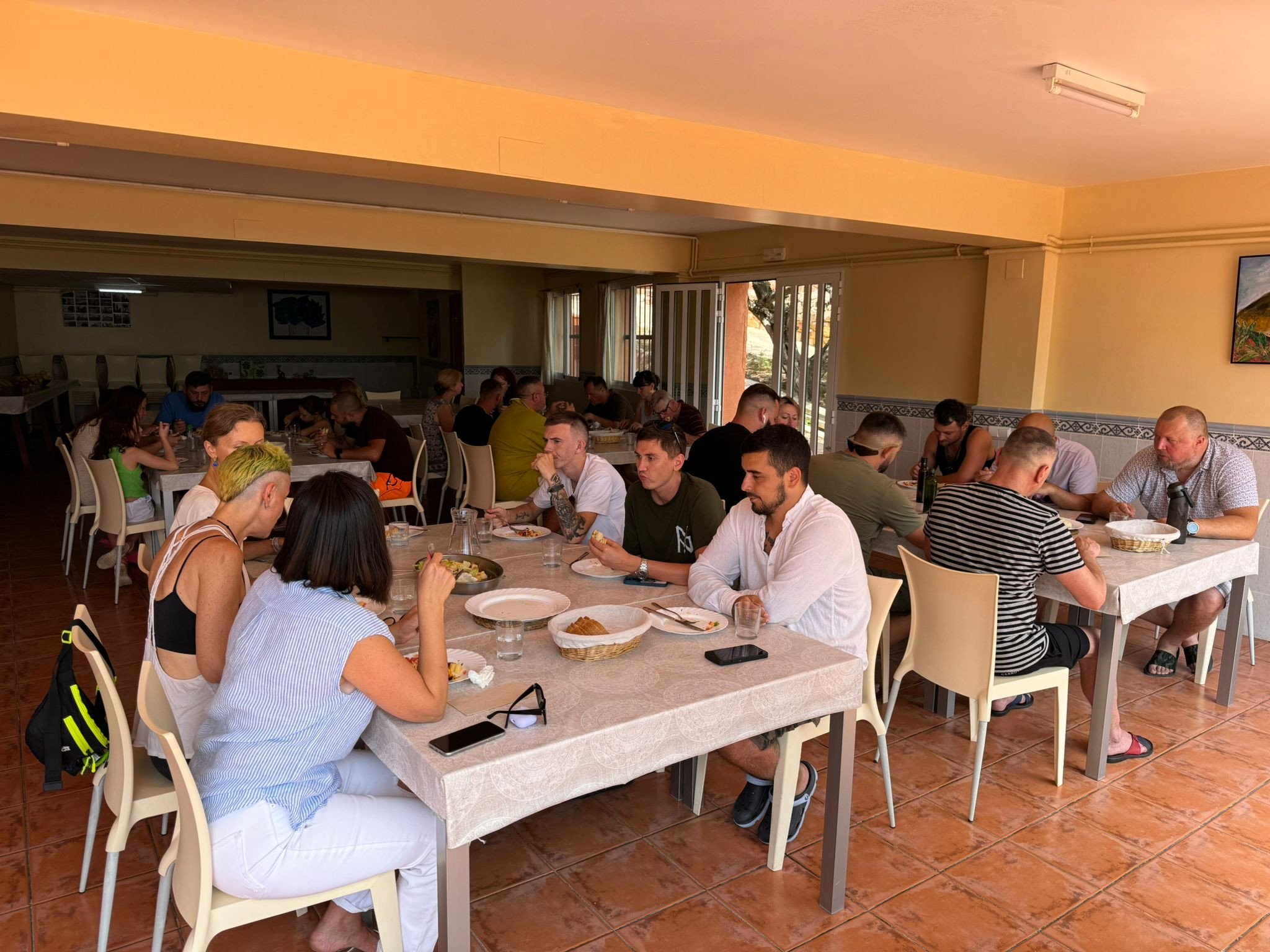
The project is open to anyone described as defenders, both men and women, and their families. Participants can apply through the website.
If funding were available, Anton says, the program would last at least ten days instead of five, and more people could attend. Over the past year, around 60 participants joined on average.
Choosing a country and psychedelics
In Ukraine, ketamine is permitted for therapeutic use, though, as Fitkalo explains, many more sessions are required with it.
Fenix works with psilocybin, MDMA, and DMT. In Spain, these substances are decriminalized, meaning personal use is not a criminal offense.
Globally, 5-MeO-DMT is also being tested, showing strong results in treating PTSD, depression, addictions, and brain injuries. Its biggest advantage is session length—just 20 minutes compared to six hours with psilocybin or MDMA.
“We’re in talks with Ukrainian lawmakers and committees about the effectiveness of psychedelics in working with veterans,” says Anton. “We present numerous successful cases from our practice.”
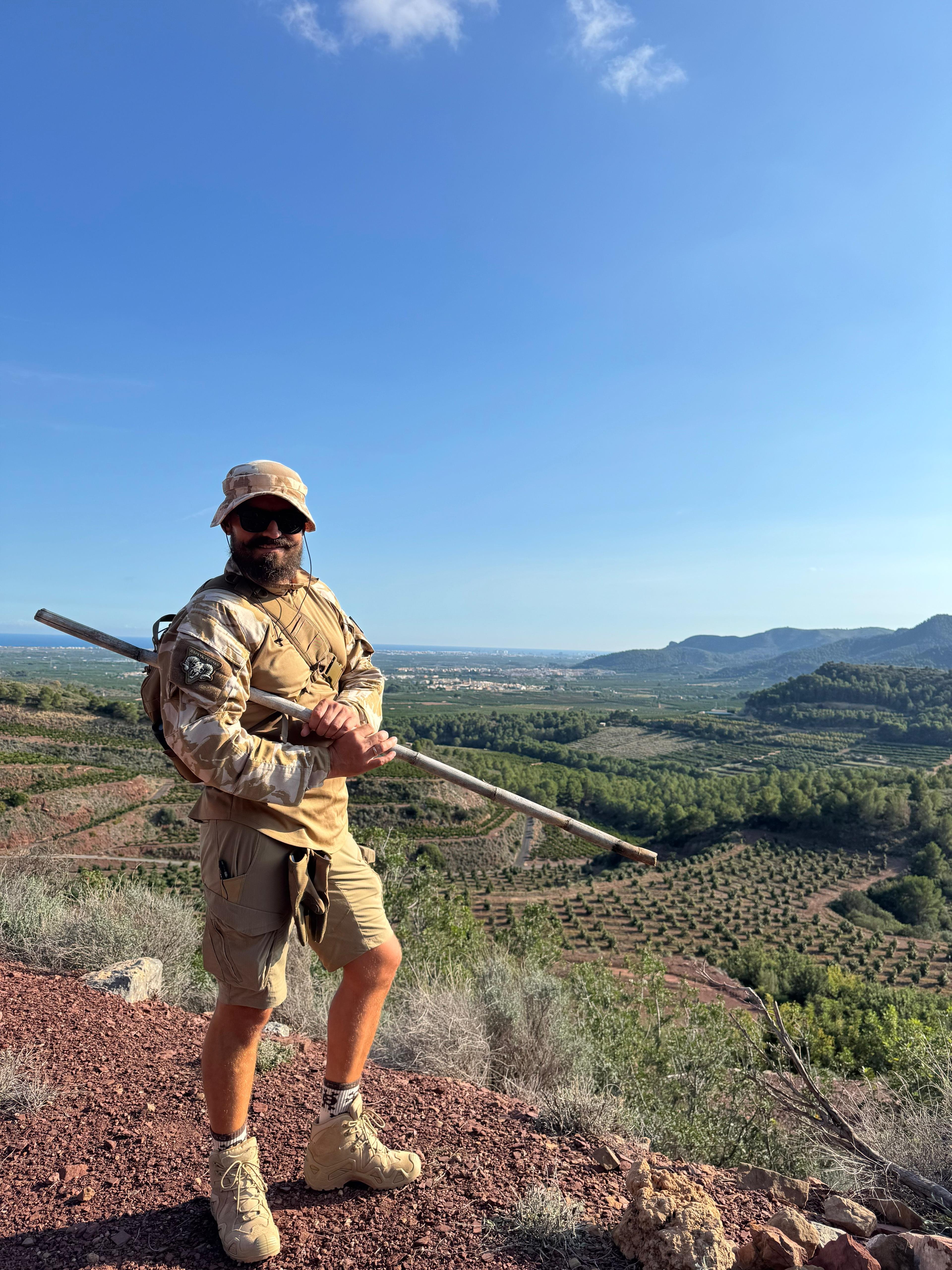
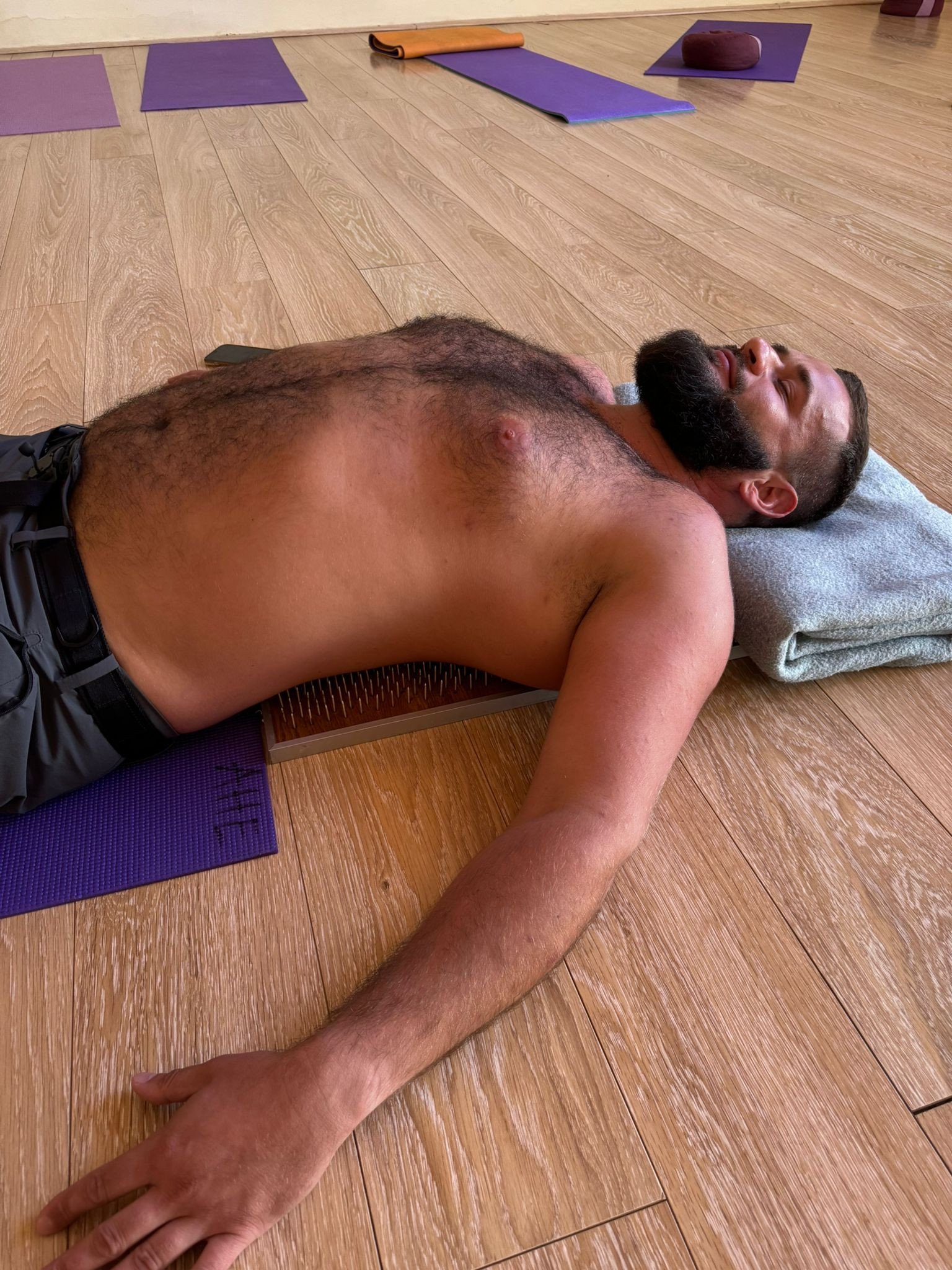
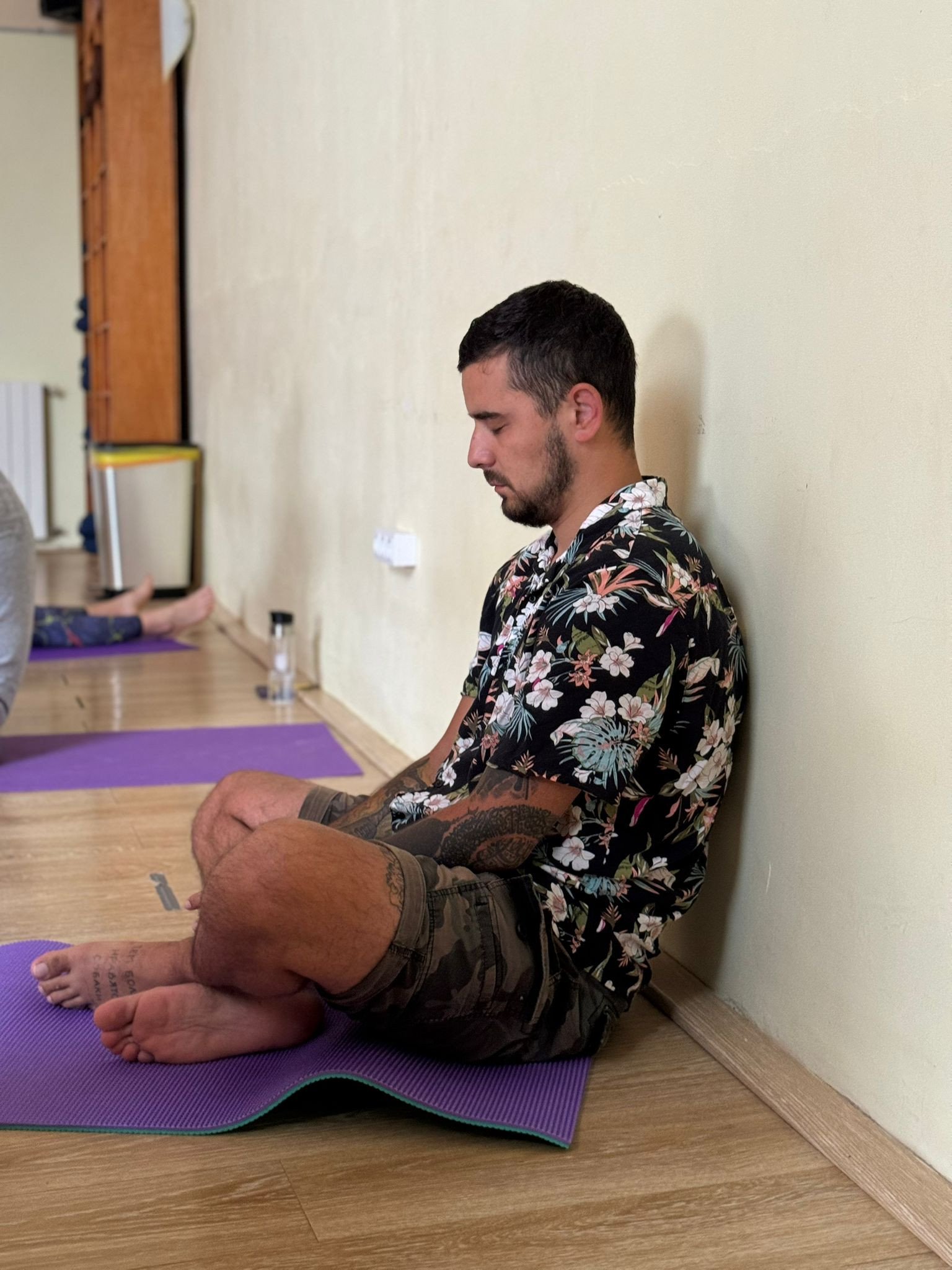
The program avoids the traditional hospital atmosphere. Instead, it takes place in a quiet monastery 1.5–2 km above sea level, with several days of meditation, breathing exercises, yoga, and mindfulness practices. The retreat is about more than psychedelics—it’s also about nature, human connection, and making sense of the experience.
Rehabilitation program schedule
When a group is formed, a psychologist from the team—previously part of Ukraine’s police psychological support service and experienced in working with veterans—conducts initial screening. Participants fill out questionnaires and test to assess their mental and physical condition, past treatments, and medications.
An online consultation follows, with basic lifestyle and diet recommendations at least a week before the trip: no alcohol, psychoactive substances, caffeine, or tobacco. Participants can also speak with a psychotherapist. Those on medication should consult with a psychiatrist about safe withdrawal. A psychologist accompanies the group on the journey.
Day 1: Arrival, settling in, in-person introductions, mindfulness practices, healthy meals, and rest in nature.
Day 2: Preparatory activities — lectures, exercise, psychological practices, with a focus on readiness.
Day 3: Session day. Participants drink a special tea, then lie under the open sky, covered with blankets and wearing masks to fully relax.
Following days: Integration, helping participants not only live through the experience but also understand how to apply it.
According to Anton, there is no such thing as a “bad trip” in therapy. Every experience is valuable for processing trauma.
Contraindications include people who are not yet physically recovered, those with psychotic disorders, or those with close relatives with such conditions (e.g., schizophrenia spectrum disorders).
PTSD in Ukraine and integrating international experience
Worldwide, between 11% and 25% of combat veterans develop PTSD. But unlike the US, for instance, Ukraine faces war on its own territory, compounded by the trauma of ongoing invasion.
“I’m convinced that in a few years, the global understanding of PTSD will change because of the Ukrainian experience,” Fitkalo says.
In his doctoral research on over 400 servicemen, 59% showed signs of PTSD.
“If you extrapolate this to society, the figure could be even higher,” he says. “We often forget about Ukraine’s strong family ties. Relatives of soldiers live in constant tension alongside them.”
Fitkalo says that early symptoms are called acute stress reactions. If they persist for more than six months, full PTSD develops. Often, it is family members who first notice changes, since the person themselves may not recognize the irrational nature of their feelings.
“That’s why psychoeducation must become a foundation for Ukrainian society,” he says. “We need to learn to recognize symptoms in time and seek help.”
Given the sheer scale and atypical manifestations of trauma in Ukraine, expanding treatment methods is essential.
What happens at Fenix retreats is also supported by science. In 2022, the third phase of clinical trials of MDMA therapy for PTSD in the US and Israel was completed. After three sessions, 67% of participants no longer met PTSD criteria, compared to just 32% in the placebo group.
Other psychedelics show similar effects: psilocybin helped most veterans with treatment-resistant depression achieve remission; ayahuasca (a traditional Amazonian brew) produced clinical improvement in seven of eight participants; ibogaine (of African origin) reduced PTSD symptoms by 88% in a Stanford experiment.
More countries are integrating these results into their veteran support systems. Australia, for instance, funds MDMA and psilocybin therapy for PTSD and depression.
Still, psychedelic therapy is not a “magic pill.” It is a complex ecosystem of pharmacology, group experience, ritual, embodied presence, and integration. But in the right combination, it often succeeds where medication and conventional therapy have failed.
For Ukraine, this experience could become more than just borrowing global practices — it may serve as a catalyst for developing new worldwide approaches to healing war trauma.
Discuss this article:
-111f0e5095e02c02446ffed57bfb0ab1.jpeg "Photo of Roman Kohanets")
-07c046f037cabcd54fb44b5253b3733d.jpg "“Bathing” (2021), an 80 × 60 cm artwork by Ukrainian artist Mariia Drozdova. (Source: Art From Ukraine/Instagram)")


-c439b7bd9030ecf9d5a4287dc361ba31.jpg "Photo of Katherina Popilnichenko")