- Category
- World
Russia Looks to Keep Wired Radio Networks Alive Through 2035 to Alert the Population
 Prefer U24 Media on Google
- Authors


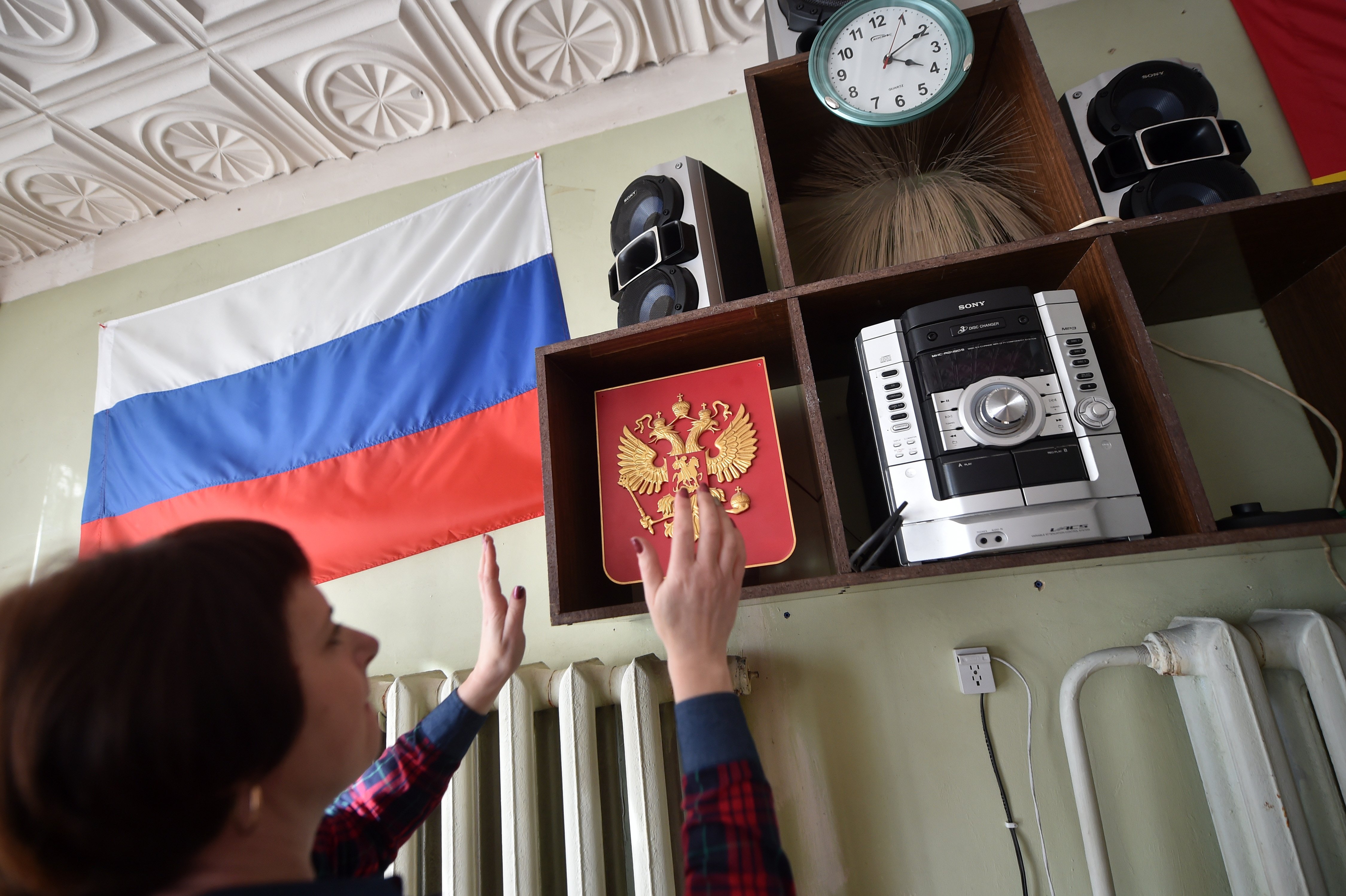
Russia’s Ministry of Digital Development has proposed maintaining and expanding the country’s wired radio broadcasting networks as part of a updated telecom development strategy through 2035, ASTRA reported.
The agency considers radio outlets an additional channel for alerting the population to emergency situations, highlighting that about 70% of Russian citizens live in multi-family apartment buildings.
We bring you stories from the ground. Your support keeps our team in the field.
Russian officials noted that wired radio operates independently from local power grids, resists cyberattacks, and allows targeted message distribution.
The initiative was suggested by the Russian Broadcasting and Alert Networks company.
The organization emphasized that preserving this infrastructure is particularly relevant given the high likelihood of sustained geopolitical tension over an indefinite period.
Wired radio service in Russia has consistently lost subscribers in recent years. Developers were also freed several years ago from the obligation to install radio outlets in new residential buildings, leaving only a small portion of the population currently using the service.

On May 7, 2026, Russian Prime Minister Mikhail Mishustin promoted radio as the country’s most convenient, reliable, and accessible form of communication, while authorities rolled out fresh mobile internet shutdowns across Russia.
His endorsement appeared in a Radio Day greeting published on the government’s website, where he praised radio’s reach into remote regions and framed broadcasters as carriers of national culture.
The statement coincided with widespread mobile internet and SMS outages tied to Victory Day security measures, during which operators warned subscribers about restrictions in Moscow, St. Petersburg, and over twenty other regions. Meanwhile, state conglomerate Rostec advertised a portable radio receiver called “Sever,” drawing on wartime imagery to position legacy broadcast tools as fallback infrastructure.
Discuss this article: