- Category
- War in Ukraine
Russia’s Oil Industry Is Feeling the Heat as Ukrainian Drones Hit Refineries Accounting for Nearly 30% of Capacity
 Prefer U24 Media on Google
- Authors


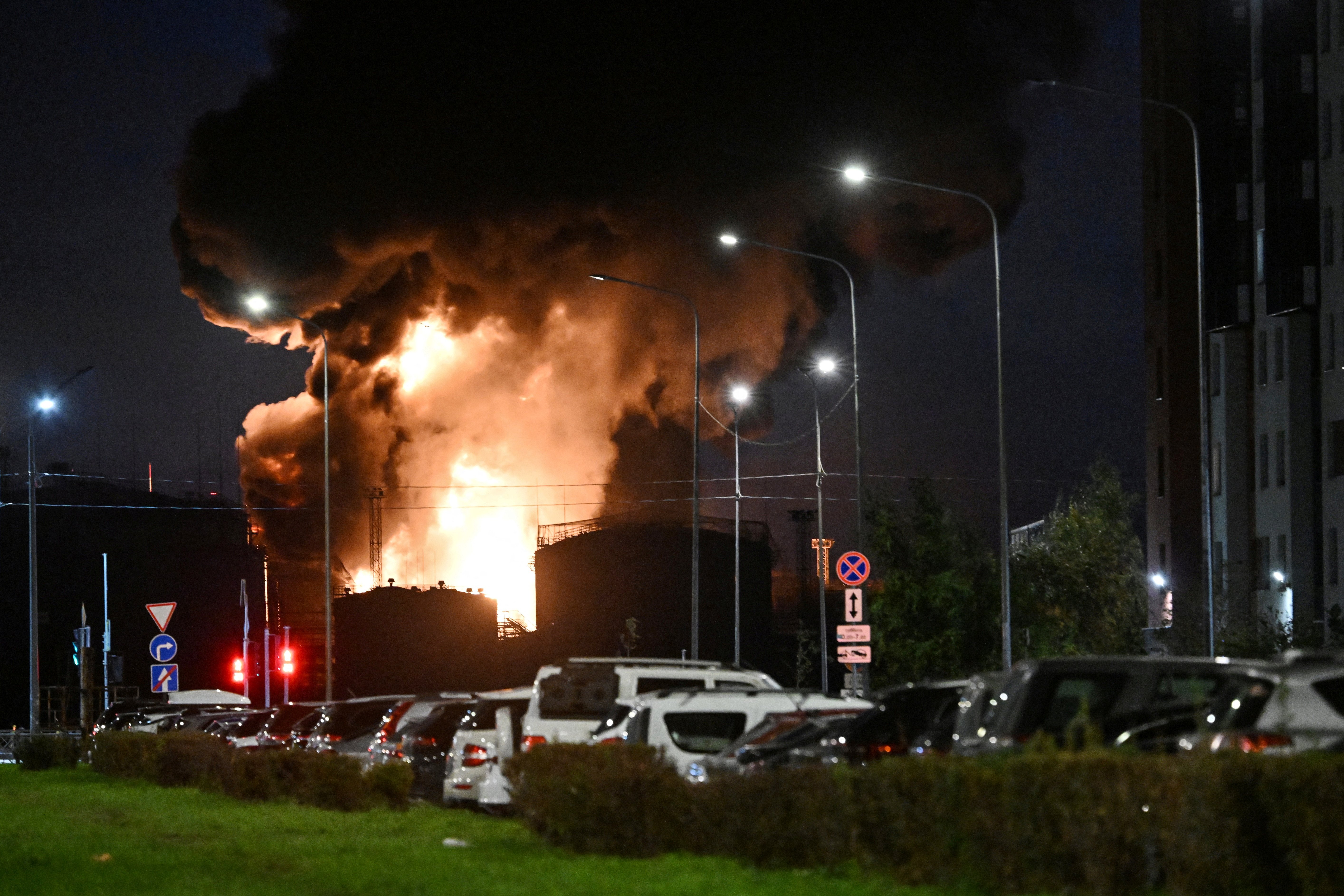
Ukrainian drone strikes targeting Russian oil refineries since late October have affected nearly 30% of the country’s total refining capacity, adding to Moscow’s difficulties in maintaining domestic fuel supplies while fulfilling international diesel export obligations, Reuters reported on November 10, citing two industry sources.
According to the sources, the renewed attacks have caused operational disruptions and emergency incidents at nine of Russia’s 35 major oil refineries over the past week.
We bring you stories from the ground. Your support keeps our team in the field.
Industry sources told Reuters that refineries affected by the strikes since late October have a combined nominal processing capacity of approximately 300,000 metric tons of crude oil per day, equivalent to around 2.2 million barrels.
This accounts for nearly one-third of Russia’s total primary refining capacity, which stands at approximately 930,000 metric tons per day.
However, the loss of nominal refining capacity does not necessarily translate into an equivalent decline in actual crude processing volumes, as refineries do not always operate at full capacity.
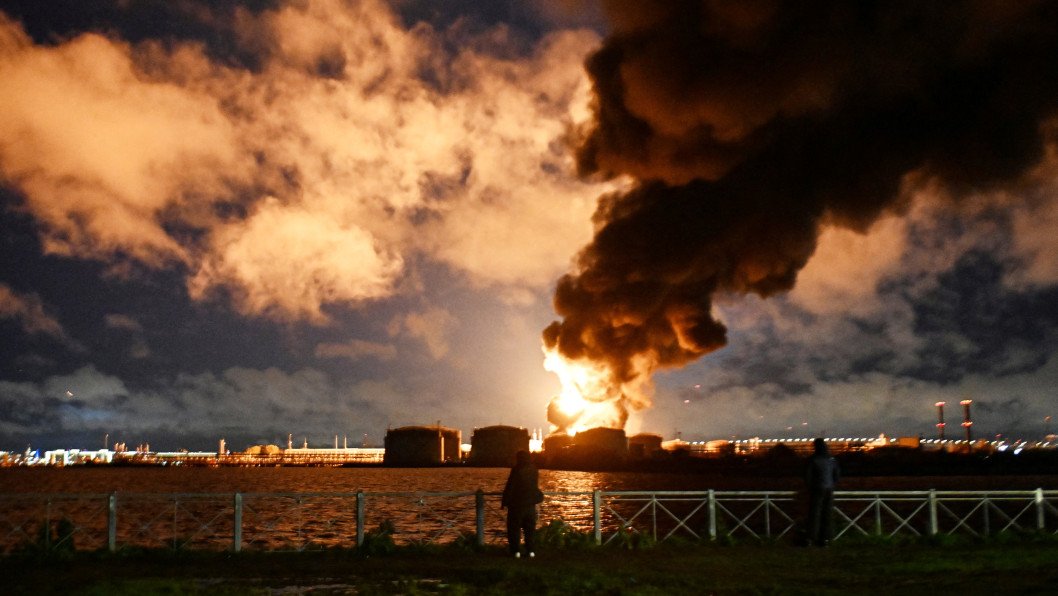
At the end of October, Russian facilities were processing approximately 700,000 metric tons of crude oil daily, or around 5 million barrels, according to the industry sources. The latest disruptions could reduce actual refining volumes by as much as 200,000 metric tons per day.
Among the facilities affected are refineries in Ryazan, Yaroslavl, and the Volga region, although the precise extent of the damage and the timeline for restoring normal operations remain uncertain, Reuters reported.
The renewed strikes follow the collapse of a proposed ceasefire on attacks against energy infrastructure, announced by US President Donald Trump. Ukraine intensified its operations against Russian refineries in late October after the agreement failed to take hold.
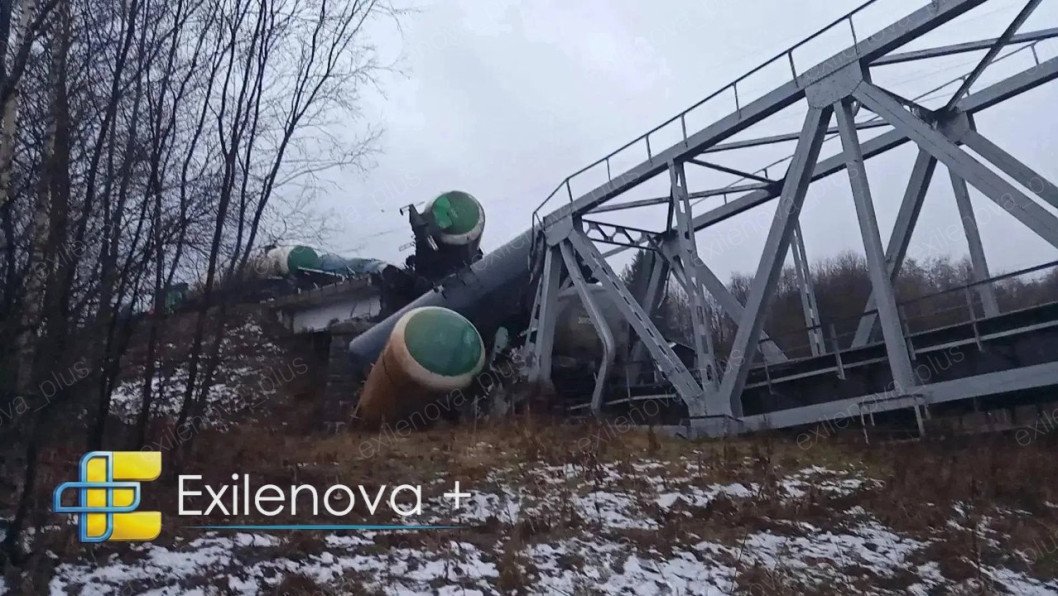
The failure of the proposed ceasefire has also drawn criticism from European officials, who have accused Moscow of continuing attacks on Ukrainian energy infrastructure rather than observing the arrangement.
European Commission President Ursula von der Leyen previously reaffirmed that the European Union would maintain sanctions against Russia until Moscow ends its war against Ukraine, citing the Kremlin’s continued escalation despite the US-announced energy ceasefire.
“Of course, we supported President Trump's energy ceasefire, but we've seen that Russia did not respect it. Not a single minute. Instead, Russia escalated. And therefore, we have to increase the pressure on Russia. We're working now on the 22nd sanctions package. And one thing is absolutely clear. We will not lift any sanctions unless Russia stops the war,” von der Leyen stated.

Her remarks followed another major Russian attack on Ukraine’s energy infrastructure on October 14, when Russian forces launched a large-scale missile assault targeting all three of Kyiv’s combined heat and power plants, as well as critical energy facilities in Kharkiv and the surrounding region.
According to Ukrainian Prime Minister Serhii Koretskyi, Russian forces deliberately targeted energy infrastructure in Kyiv, Kharkiv, and the Kharkiv region with ballistic missiles.
Additional strikes hit critical facilities in the Kyiv region responsible for supplying electricity to the Ukrainian capital and central parts of the country.
Discuss this article: