- Category
- War in Ukraine
Russia Now Strikes Ukraine’s Grid Almost Every Night to Leave Families Without Power, Heat, and Water Before Winter

As winter closes in, Russia is pounding Ukraine’s energy infrastructure almost every night, putting power, heat, and running water at risk. Ukraine is running short of interceptors that can stop Russian ballistic missiles.
 Prefer U24 Media on Google
- Authors


The Kremlin is terrorizing civilians on a wide scale as its forces suffer record losses and make few significant gains on the front lines.
“The Russian armed forces have been ordered to prepare and carry out mass strikes on Ukraine's energy facilities," Vladimir Putin said on September 1, as Kyiv was still reeling from an overnight missile and drone barrage that killed at least 12 people in the capital and surrounding region.
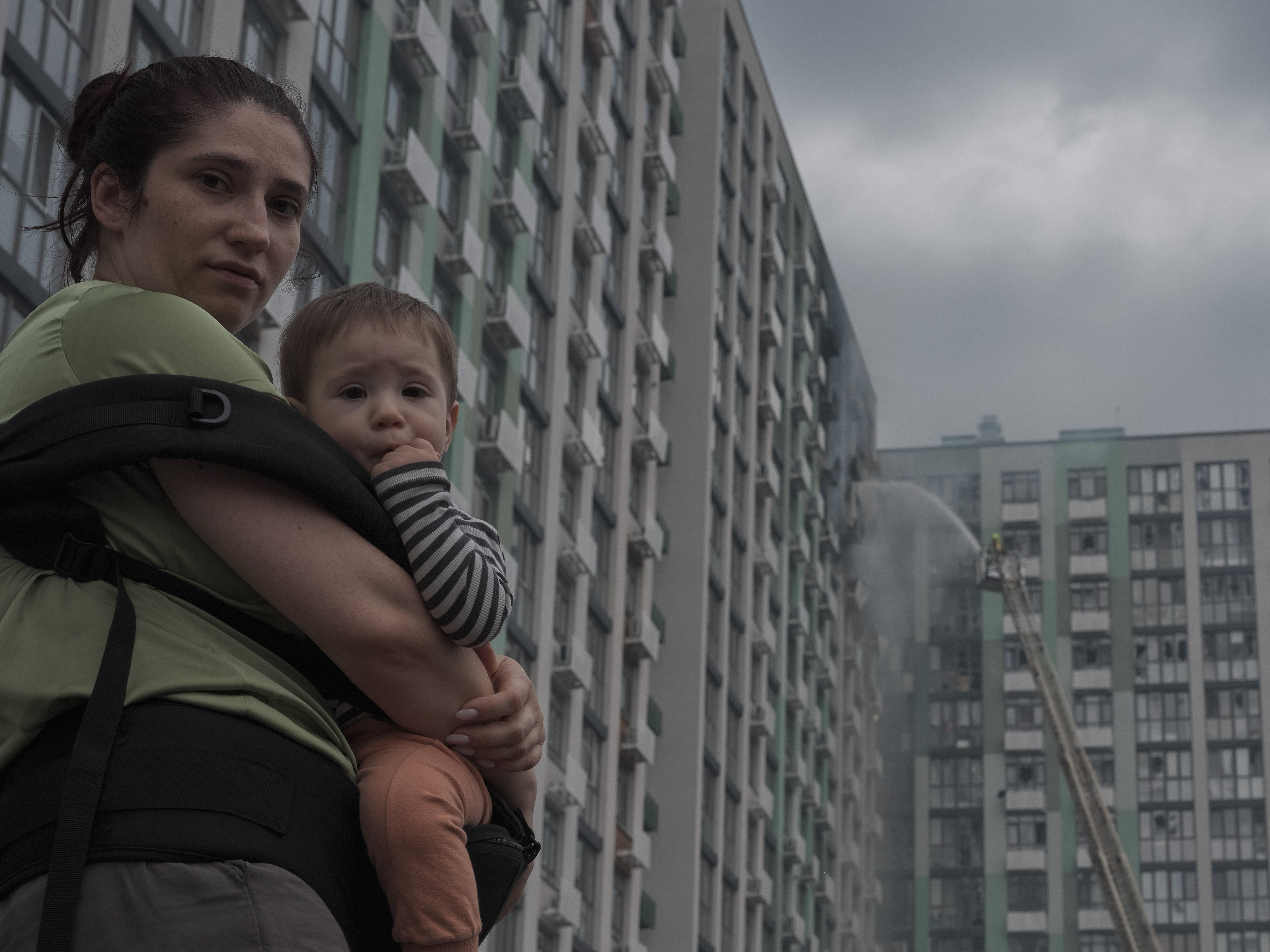
Russia’s sustained attacks on Ukraine’s energy infrastructure amounted to war crimes and crimes against humanity, the UN Commission of Inquiry on Ukraine concluded in an October 26 report. The commission examined the harm to civilians since fall 2022, with a focus on the winter of 2025–2026.
“Since September, 800 pieces of energy equipment have been hit,” Denys Shmyhal, Ukraine’s first deputy prime minister and energy minister, said on October 30. The figures have only gotten worse since the start of November. With winter approaching, each new strike can leave families without power, heat, and running water.
Strikes on Ukraine’s power plants ahead of winter
Centrenergo, which operates several Ukrainian thermal power plants, said on the morning of November 9:
“Russia has attacked the Trypilska Thermal Power Plant again. The consequences of the strikes are extremely serious.”
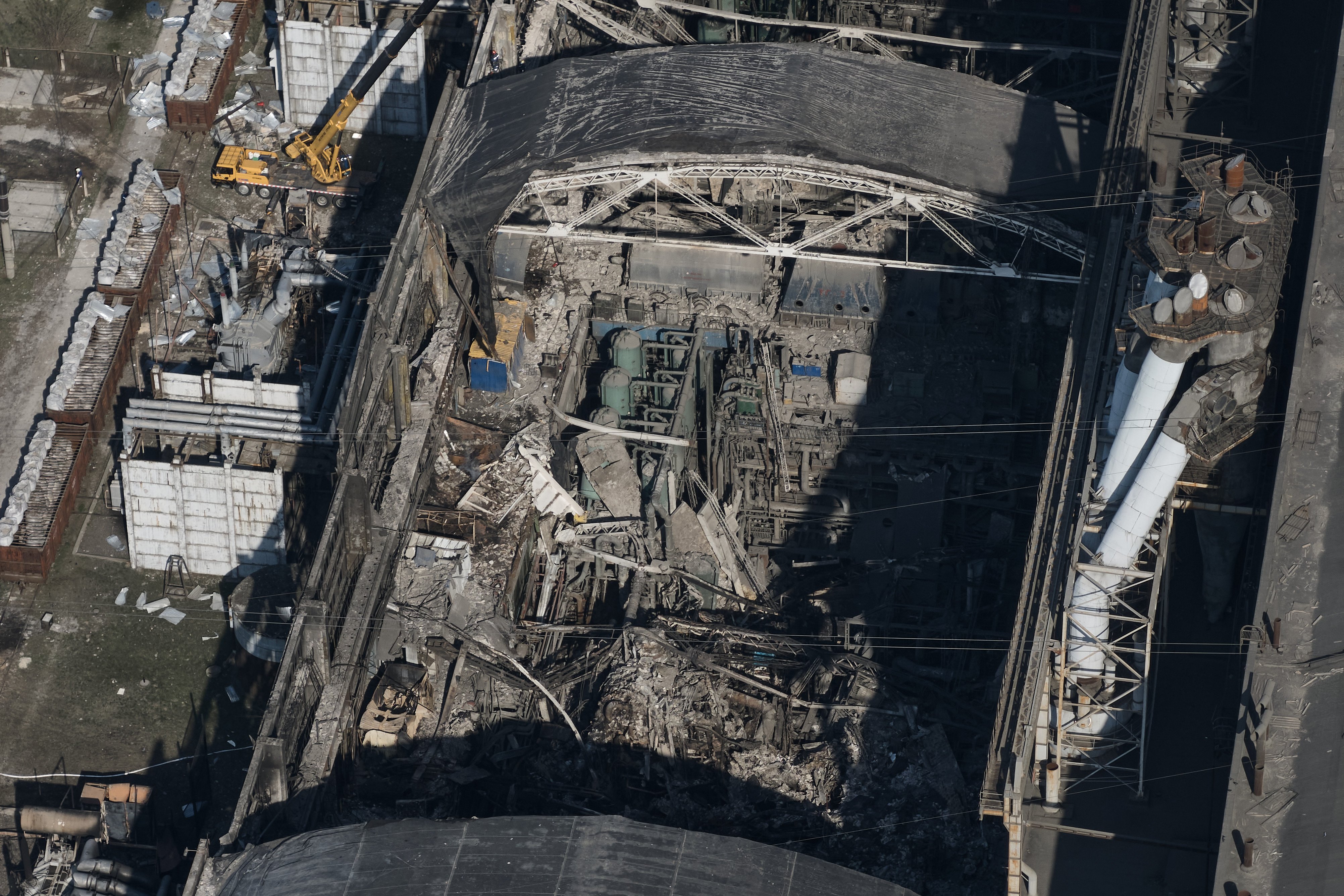
The company said Russia had sharply intensified its attacks on the plant since late September and changed its tactics.
“The enemy is using ballistic missiles and jet-powered attack drones, among other weapons,” Centrenergo said.
The situation is similar across Ukraine’s energy sector.
Energy company DTEK reported on November 3 that three of its thermal power plants had been hit simultaneously. The damage was extensive, and the plants stopped generating power.
A week later, DTEK released new figures showing that its energy facilities alone had come under 128 Russian attacks in seven days.
Russian strikes on energy infrastructure and their aftermath are a recurring theme in Ukrainian President Volodymyr Zelenskyy’s addresses. Day after day, hundreds of thousands of families are left without power in Dnipro, Kharkiv, the Kyiv region, and elsewhere across Ukraine. In every large-scale attack on the country, energy infrastructure is the main target.
In a single week during the purported energy truce, when Ukraine halted all strikes on Russian oil refineries, the Kremlin ordered nearly 100 strikes on Ukraine’s energy infrastructure.
Leaving Ukrainians without power, heat, and water
When Russian strikes cut power, the effects can quickly spread. In cold weather, homes can lose heat because many power plants supply both electricity and heating. Homes that rely entirely on electric heating are also vulnerable.
Running water can stop, too. Pumping stations may take several hours to switch to backup power, leaving households without water in the meantime.
Outages can bring subways, trolleybuses, and streetcars to a halt. That can make it much harder to get around in cities like Kyiv, where the subway carries a large share of passengers.
The longer an outage lasts, the more likely phone and internet service are to drop as backup batteries run down. Even everyday tasks like making a payment can become difficult when people lose access to online banking.
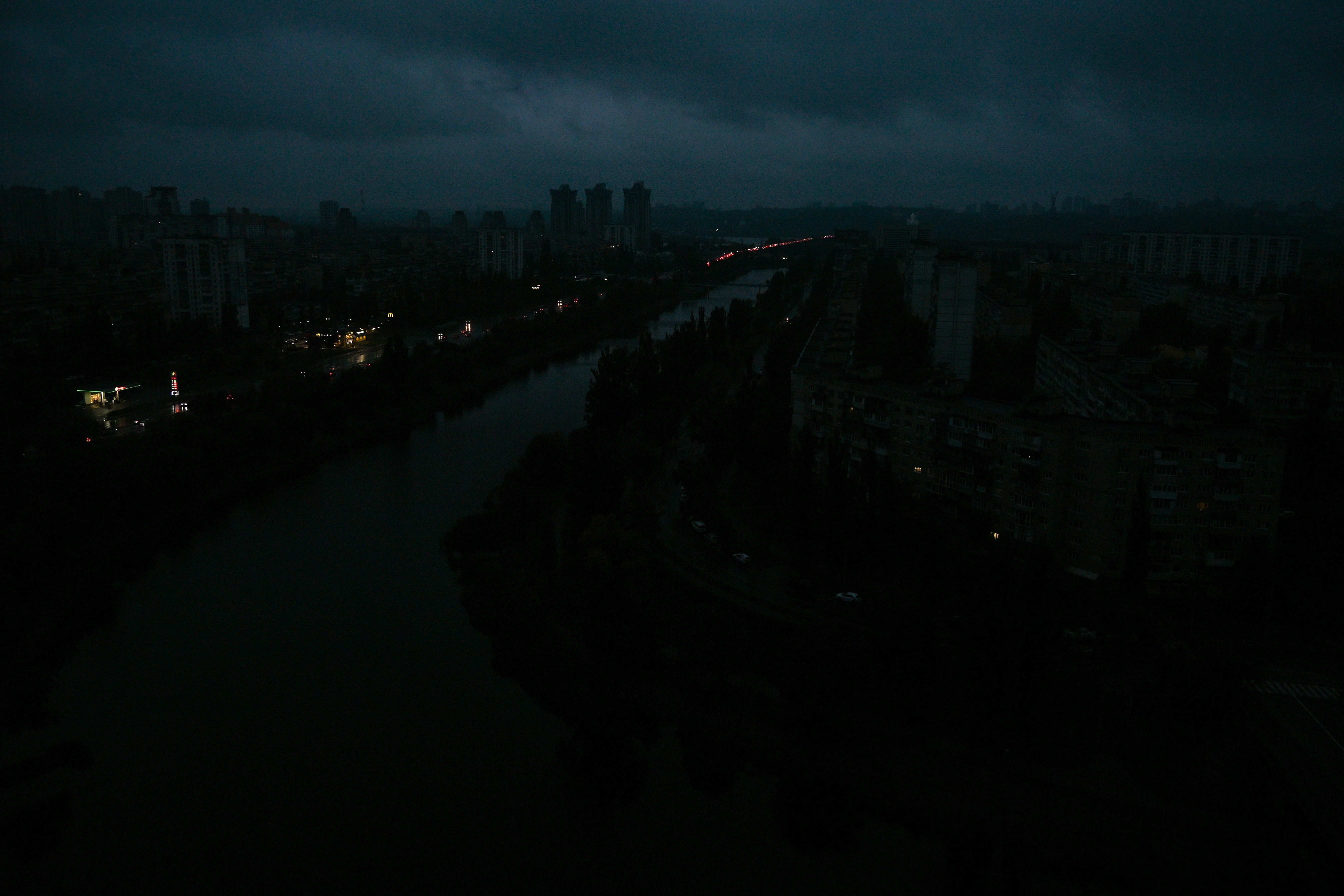
Russia knows what these strikes do to daily life. By repeatedly targeting Ukraine’s energy infrastructure, it is trying to make life in Ukrainian cities impossible, leaving residents without power, heat, or running water in the middle of winter.
Ukraine lacks the resources to defend against these attacks. Building a shelter for a facility the size of a football field is impossible, let alone protecting it from several successive direct ballistic missile hits. Repairs take time and require large quantities of equipment that is hard to come by.
In 2025, for example, Ukraine received a full set of equipment from Lithuania for a thermal power plant capable of supplying electricity to about 1 million Ukrainians. The logistics operation took 11 months.
The biggest challenge remains the near-total shortage of Patriot interceptors, the most effective defense against Russian ballistic missiles.
Russia can launch up to 150 such missiles a month, and Ukraine needs a corresponding number of interceptors to protect its cities and critical infrastructure from this threat alone. These interceptors are among Kyiv’s biggest requests to its partners in Europe and the United States, whose help it needs to obtain them.
Shifting attention away from the front
One reason for Russia’s sustained attacks on civilian infrastructure is the slow advance of Russian forces on the front lines. In the first 10 days of November 2026, almost 23,000 Russian troops were killed or wounded, a figure equivalent to one-fifth of Russia’s total casualties for all of 2022.
Russia has seized a quarter as much territory in 2026 as it did in 2025, while its casualties continue to rise. More than 100,000 Russian troops were killed or wounded in September and October combined, as many as in all three spring months this year. Ukrainian forces have managed to retake territory in some sectors of the front.
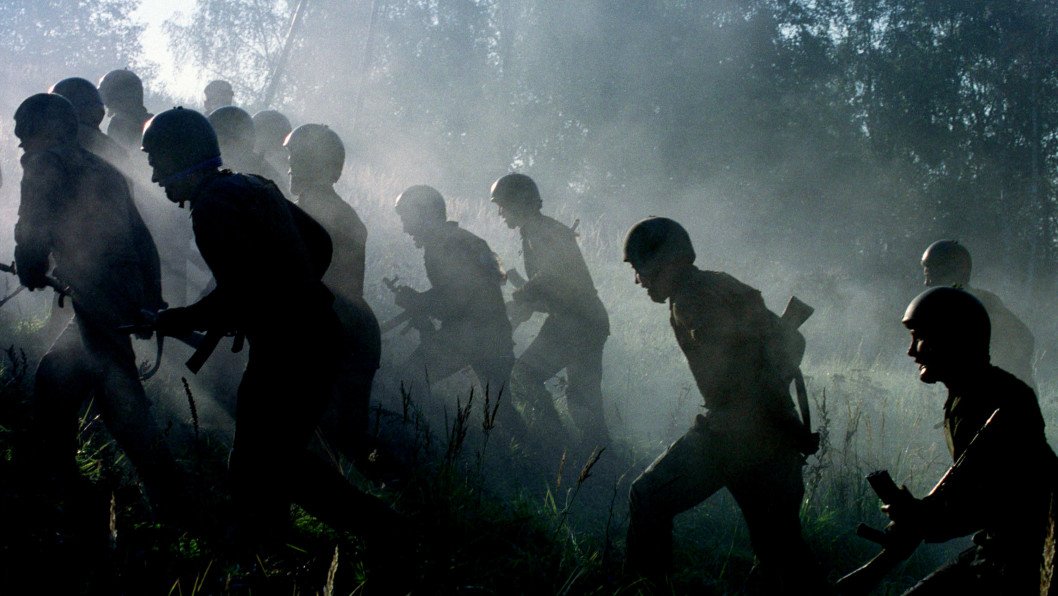
As its forces stall on the front lines, Russia is waging a campaign of terror behind Ukrainian lines, targeting civilians and infrastructure.
Russia struck a humanitarian aid distribution center in the village of Komyshuvakha in the Zaporizhzhia region on November 2, 2026. More than 50 people are known to have been killed, and about 40 others are still missing. The rescue operation is ongoing, but Russian forces have already used first-person-view (FPV) drones to attack rescuers, preventing them from carrying out their work.
Continued support from Ukraine’s partners is critical to protecting its infrastructure, cities, and people. Russia is maintaining pressure on the front lines while seeking to devastate the areas behind Ukrainian lines, regardless of the potential civilian toll.
Discuss this article: