- Category
- War in Ukraine
Russia’s Answer to Trump’s Energy Ceasefire? 76 Attacks on Ukraine’s Grid in One Week
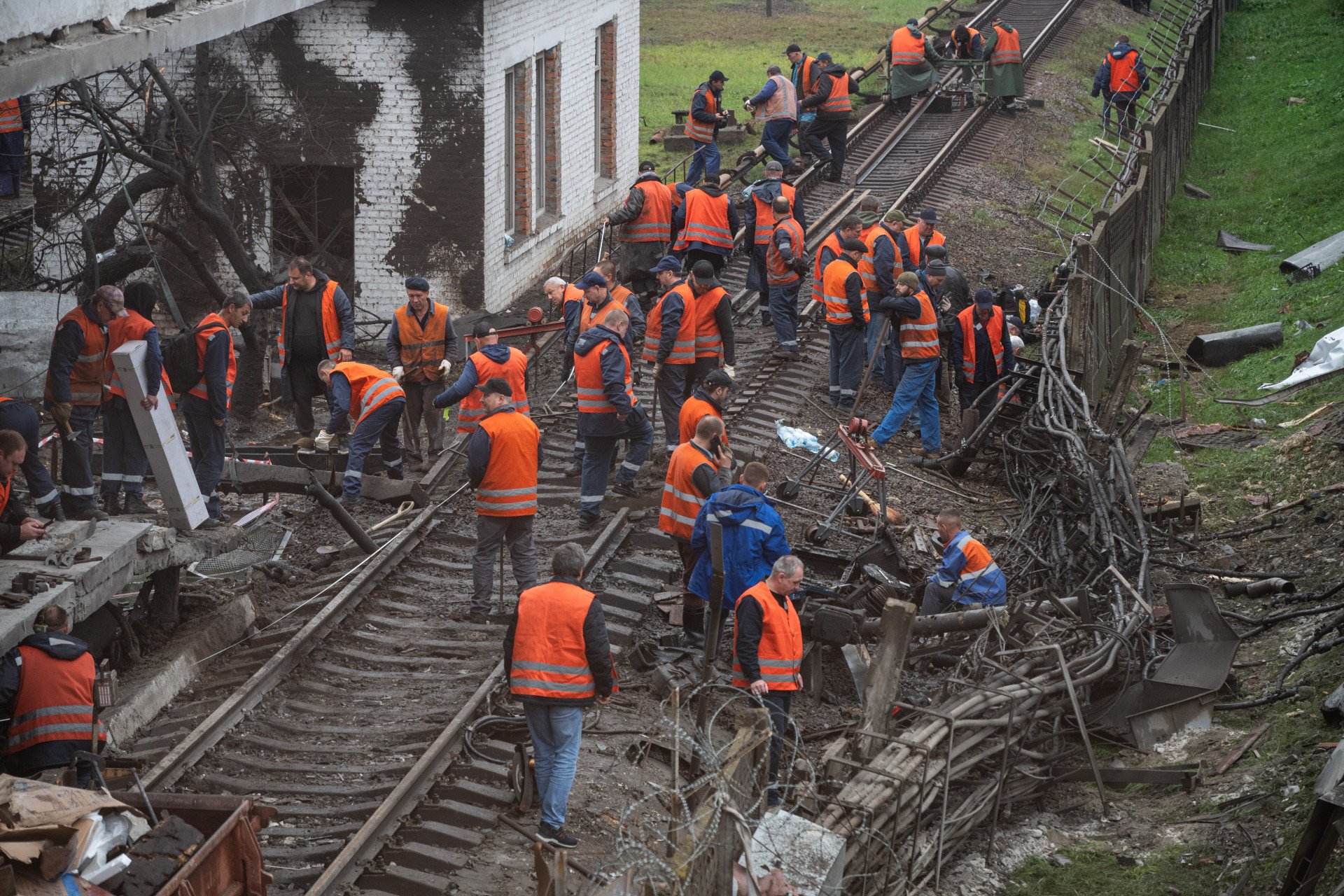
The US-proposed energy ceasefire lasted barely a few hours before Russian missiles struck Kharkiv’s largest thermal power plant. Soon after, Moscow launched dozens of attacks on Ukraine’s energy infrastructure, triggering blackouts and disrupting water supplies.
 Prefer U24 Media on Google
- Authors


On the morning of October 17, residents of the Ukrainian city of Vinnytsia found themselves in a dire situation. The city, home to more than half a million people, was left without electricity and, consequently, running water following a Russian attack on the region’s energy infrastructure.
That night, the Russian military carried out one of its largest attacks on Ukraine’s energy system. Russia targeted energy facilities in ten regions: Vinnytsia, Volyn, Donetsk, Zaporizhzhia, Zhytomyr, Odesa, Rivne, Ternopil, Khmelnytskyi, and Kharkiv, Ukraine’s Energy Ministry reported. Scheduled power outages were introduced across many regions.
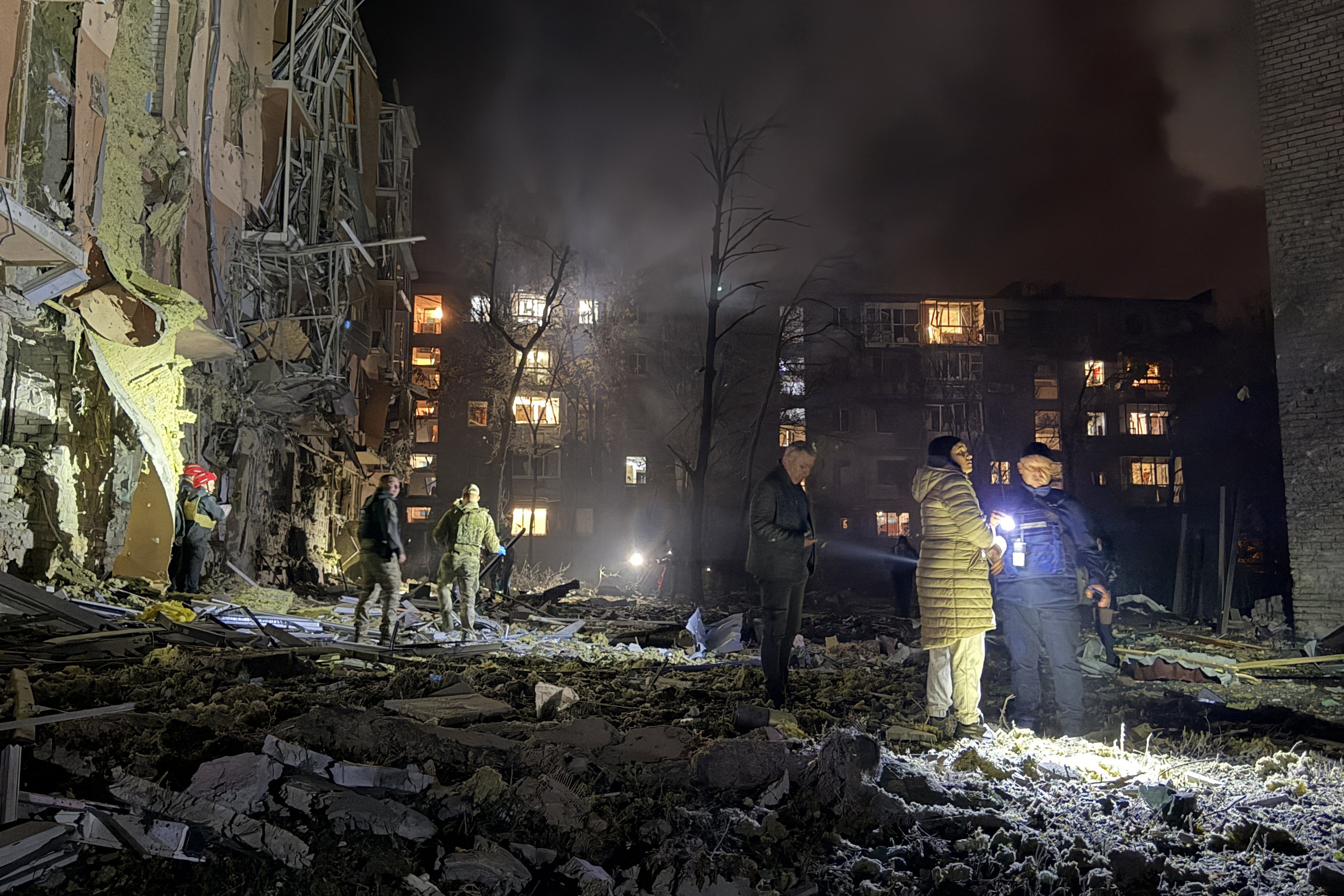
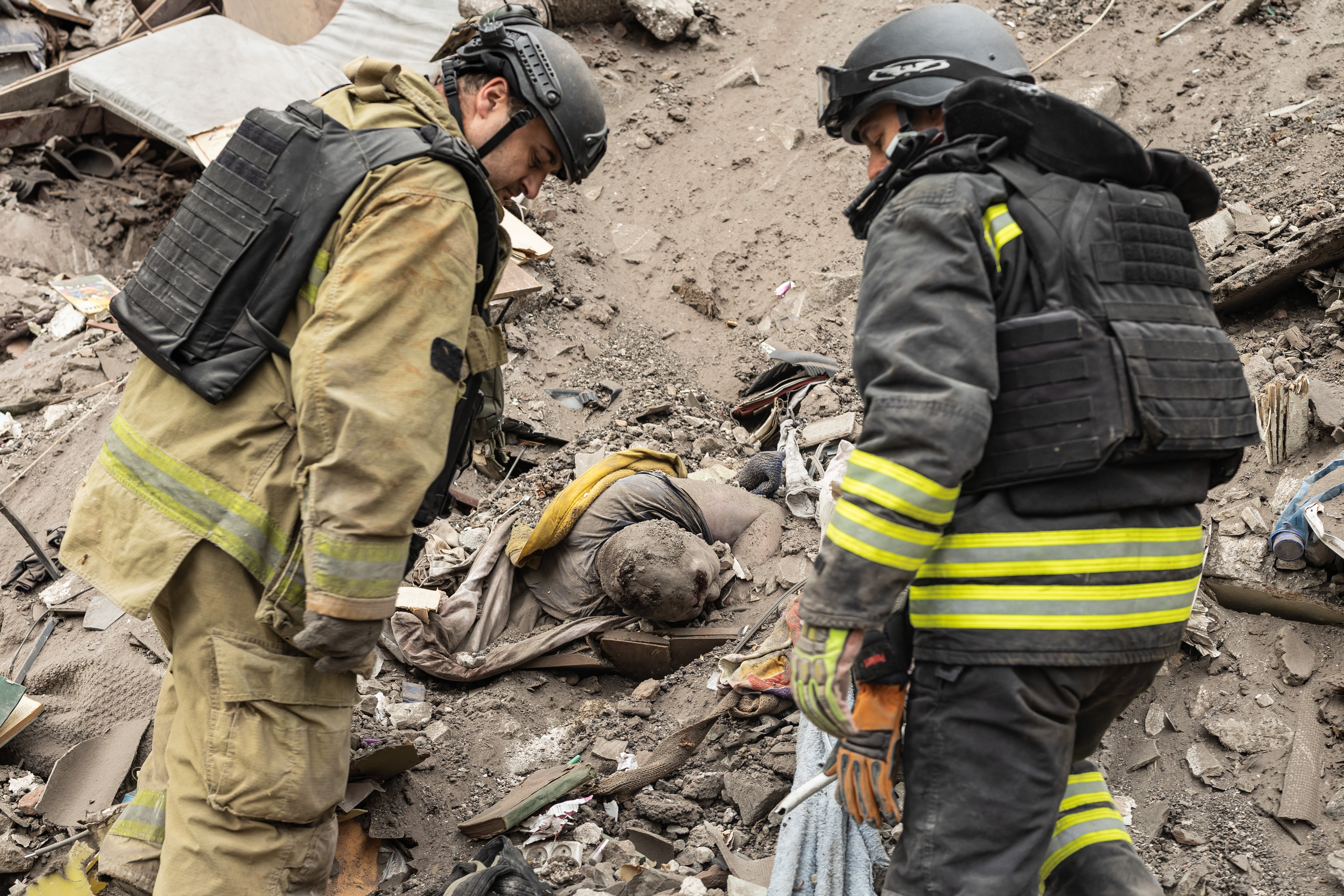
This happened just days after the United States proposed a mutual halt to attacks on energy infrastructure. Under the initiative, Russia was to stop striking Ukrainian power generation facilities, while Ukraine was expected to suspend attacks on Russian oil refineries and other oil infrastructure.
But the Kremlin apparently had no intention of honoring the proposed arrangement. Speaking at the Warsaw Security Forum the following day, Ukrainian President Volodymyr Zelenskyy described what had happened: almost immediately after the US president published his post, Russia launched a targeted strike on a power plant in Kharkiv.
Russia deliberately targeted Ukraine’s energy infrastructure and oil and gas sector 76 times over the course of the week, says Zelenskyy. It appeared that the Kremlin had never intended to participate in the US-backed energy ceasefire initiative.
Meanwhile, Ukraine refrained from striking Russian oil refineries for several days, with no reports of such attacks appearing in the media or in statements from the Russian Defense Ministry.
Making Ukrainian cities unlivable
With the Russian army struggling to advance on the front line and suffering heavy losses, Moscow is once again intensifying attacks on everyday life in Ukraine, hitting the infrastructure that keeps the cities running.
This involves the systematic destruction of municipal infrastructure and everything essential to normal urban life, including electricity, water supply, sewage systems, transportation, and, ultimately, the basic conditions people need to live in their cities.
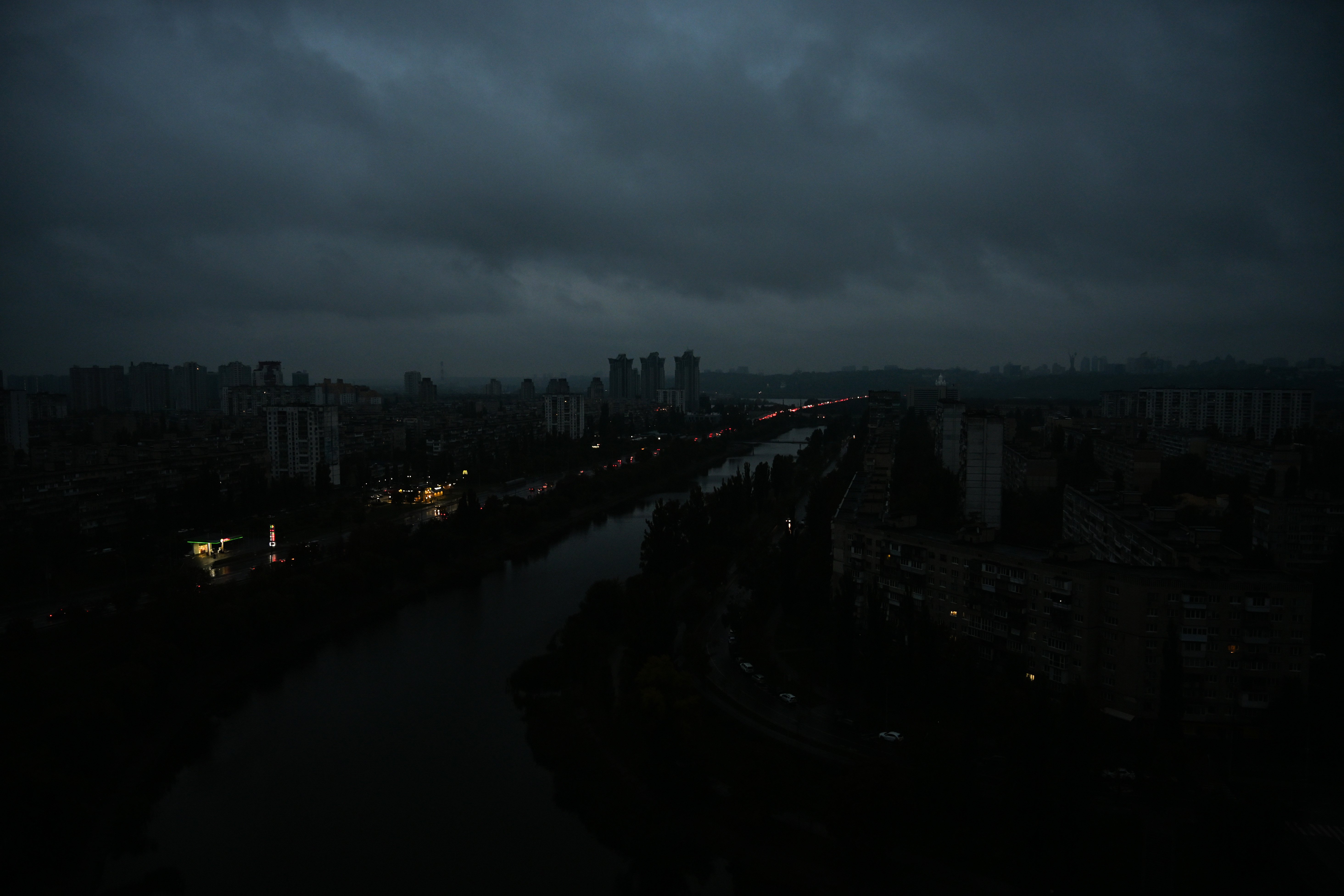
For example, on the night of October 19, Russia once again attacked Kyiv, destroying part of the city’s metro infrastructure. The Kyiv Metro is the capital’s main transportation artery, carrying hundreds of thousands of passengers every day. A school, a medical facility, a shopping mall, and other sites across the city were also damaged.
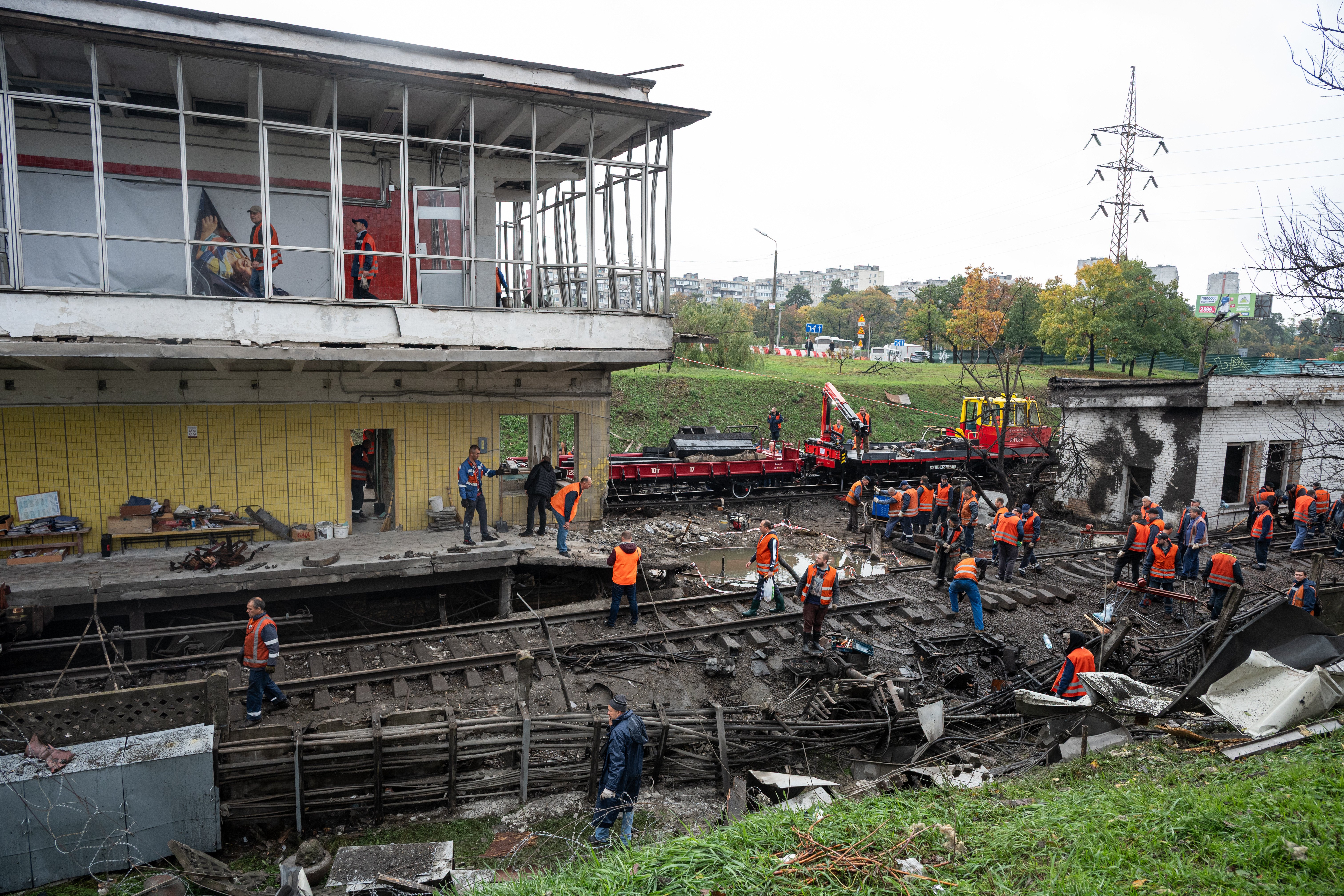

At the same time, Moscow is increasingly targeting not only cities near the front line but also those farther away. Russian drones and missiles are striking Rivne, Lviv, Vinnytsia, Ivano-Frankivsk, and Khmelnytskyi. The drive to engulf all of Ukraine in flames and turn civilian life into a humanitarian catastrophe stems from Russia’s failures on the battlefield. Russian forces are advancing far too slowly and are even retreating in some sectors of the front.
This comes despite Russia showing no signs of reducing the intensity of its attacks. Ukraine’s Unmanned Systems Forces recorded two of their most successful days in history over the past week. On October 17, they eliminated 657 Russian troops, followed by another 635 on October 18. Just a month earlier, these figures were at least 25% lower, suggesting that the Russian military is sending increasingly large numbers of soldiers into assaults.
Overall, during the third week of October, Russia launched nearly 2,700 attack drones, dropped 1,700 aerial bombs, and fired 66 missiles at Ukraine, most of them ballistic.
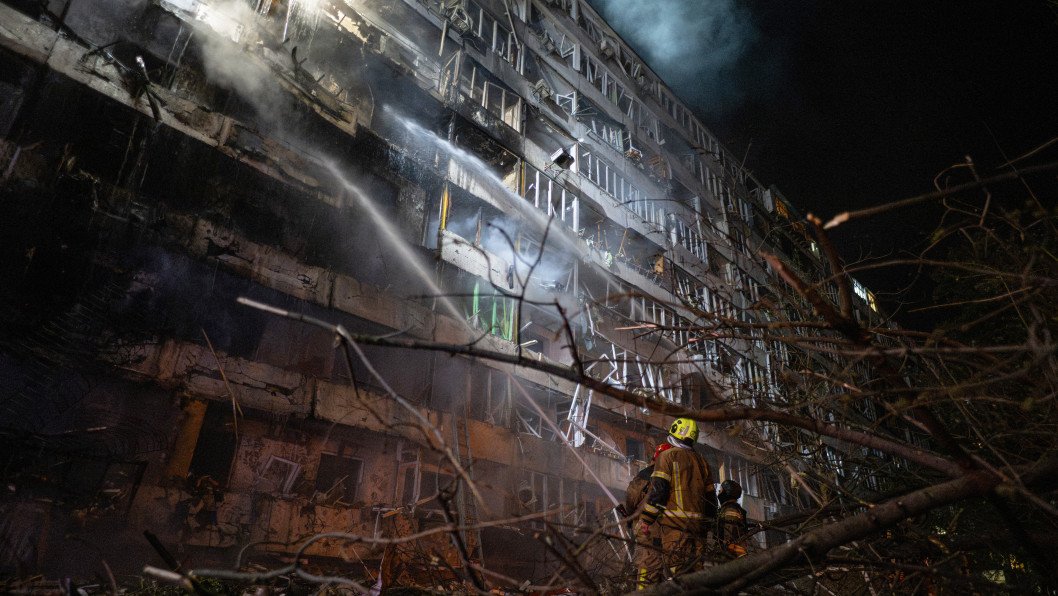
The primary target—Ukraine’s energy infrastructure, with Russian forces attempting to trigger a nationwide blackout, says Zelenskyy. The intensity of these strikes points to extensive advance planning and reinforces the conclusion that Russia never intended to take part in the energy ceasefire.
Discuss this article: