- Category
- War in Ukraine
Russia Ignored Trump’s “Energy Ceasefire” and Kept Firing Ballistic Missiles at Ukraine
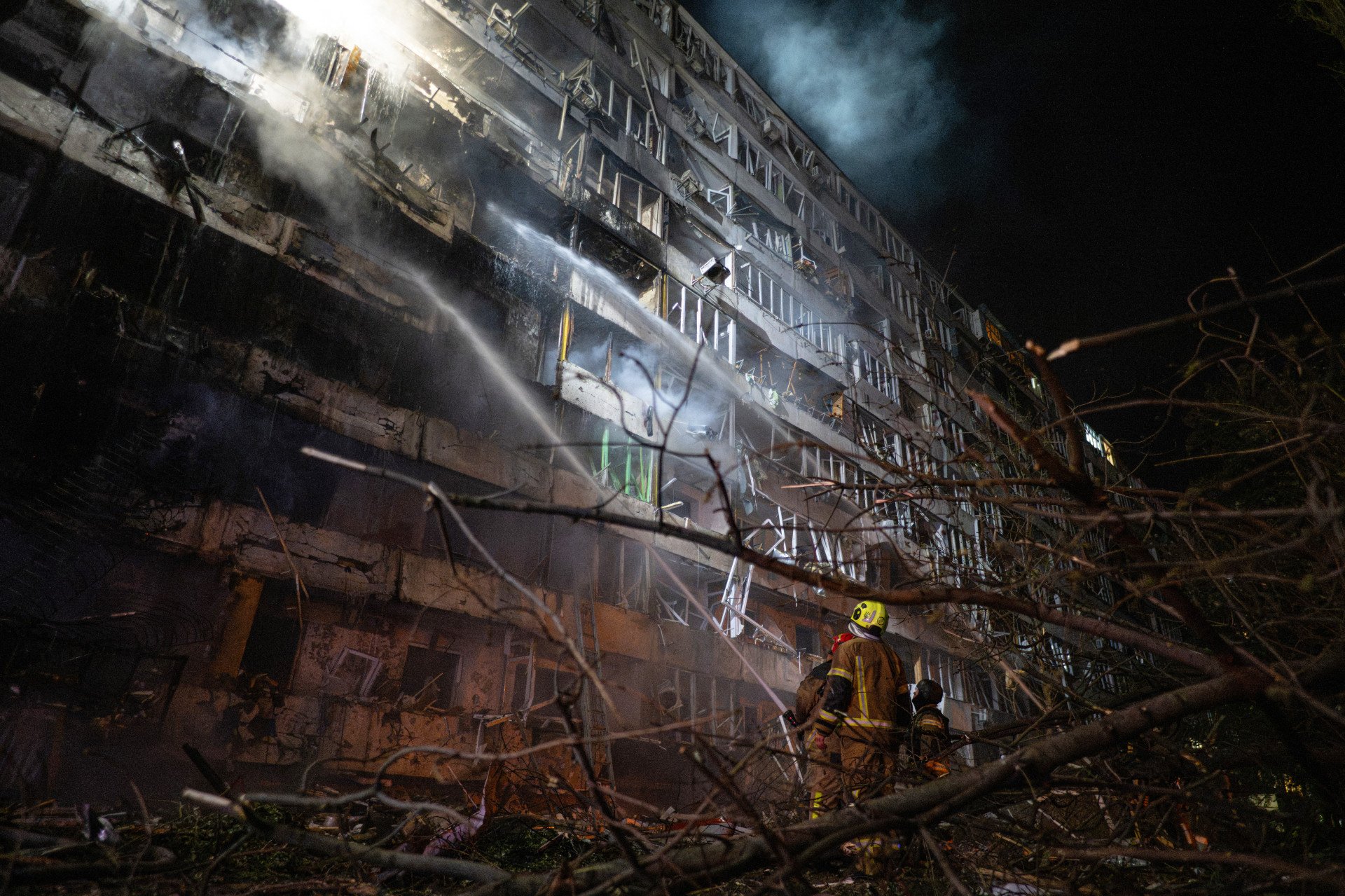
While Ukraine halted strikes on Russian oil refineries following Trump’s proposed energy ceasefire, Moscow continued bombarding Ukrainian energy infrastructure with ballistic missiles and drones.
 Prefer U24 Media on Google
- Authors

-29a1a43aba23f9bb779a1ac8b98d2121.jpeg "Photo of Illia Kabachynskyi")
On the night of October 14, Kyiv residents barely got any sleep. The air raid alert began shortly after 11 p.m. and lasted until morning. Russian missiles kept coming, hour after hour, targeting the Ukrainian capital.
Throughout the night, Russia launched 39 ballistic missiles and more than 120 attack drones and loitering munitions, targeting energy and critical infrastructure in Kyiv, the Kyiv region, and Kharkiv.
Russia’s target: Ukraine’s energy infrastructure
“The main target is energy infrastructure, specifically Combined Heat and Power Plant No. 4 (CHPP-4),” Ukrainian President Volodymyr Zelenskyy reported around midnight on October 13. “Unfortunately, there have been hits. CHP-4 is one of Kyiv’s main energy facilities.”
Zelenskyy also warned that further ballistic missile strikes were expected in the coming hours. Several more missiles were launched at Kyiv before morning.
Ukraine’s energy infrastructure has long been a regular target of Russian attacks and a means of terrorizing the civilian population. Repairing damaged energy facilities takes considerable time, leaving people without electricity, disrupting water supplies, and, in winter, cutting off heating. Moscow is deliberately seeking to create inhumane living conditions for civilians, taking steps that could trigger a humanitarian catastrophe across Ukrainian territory.

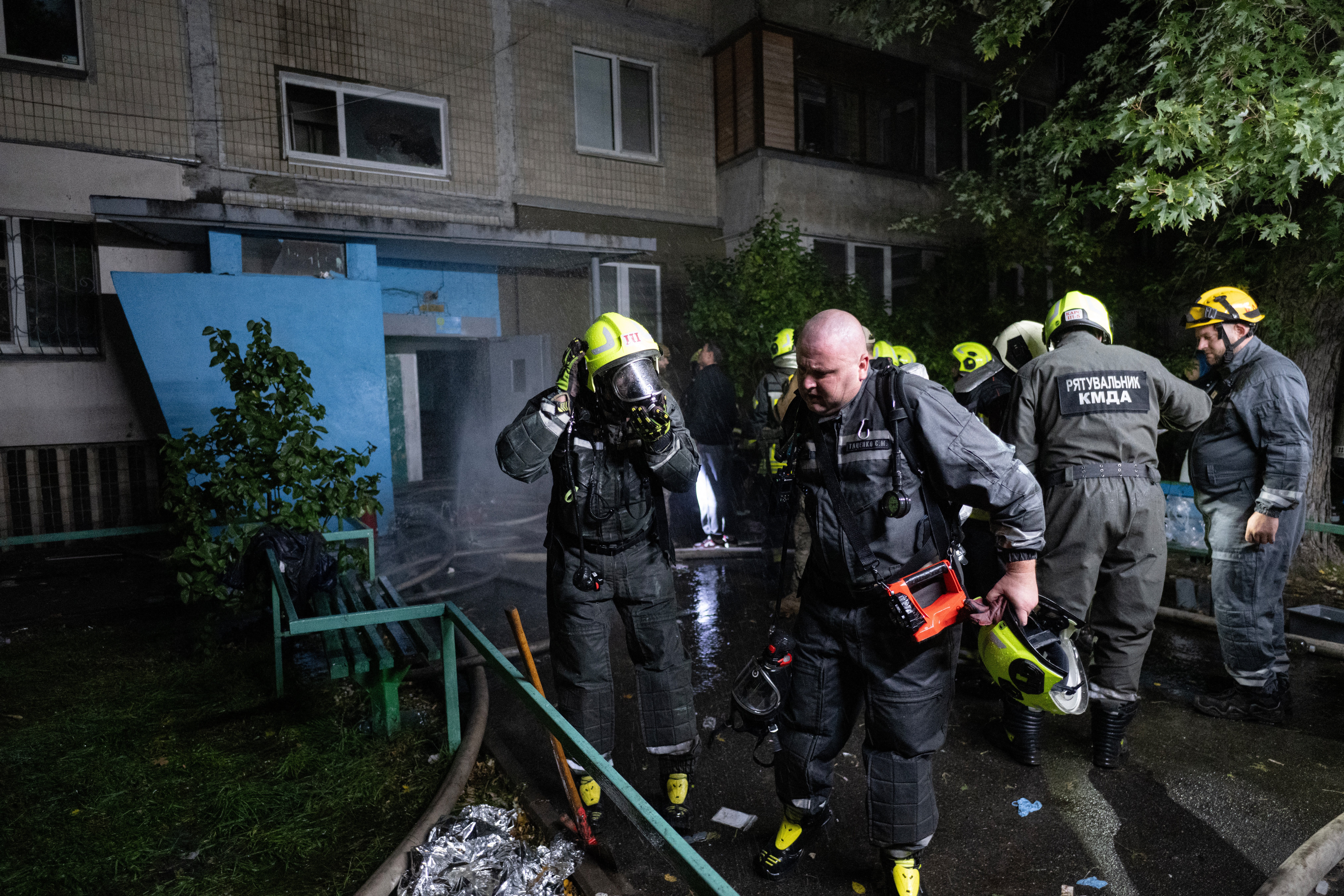
Another aspect is equally revealing: the Kremlin is deliberately acting against the agreements announced by American and European partners working to bring an end to the fighting. While world leaders announce an energy ceasefire, Russia continues to strike energy facilities.
The possibility of suspending attacks on energy infrastructure was first reported on October 11. There were no official documents or announcements from either Russia or Ukraine. Zelenskyy himself said he had not been aware of such a “ceasefire,” but nevertheless ordered Ukraine’s Defense Forces to halt strikes on Russian oil refineries.
Moscow, however, apparently decided that the agreements should remain words on paper. Russian forces immediately struck CHP-5 in Kharkiv, the main energy facility serving a city of more than one million people.
Ukrainian strikes on Russian oil refineries stopped.
What followed was just as revealing as the initial Russian missile strike. By the end of October 12, Russia attacked six energy infrastructure facilities across Ukraine. The targets included energy facilities, gas production infrastructure, and even an ordinary gas station. In just one day, 33 people were injured.
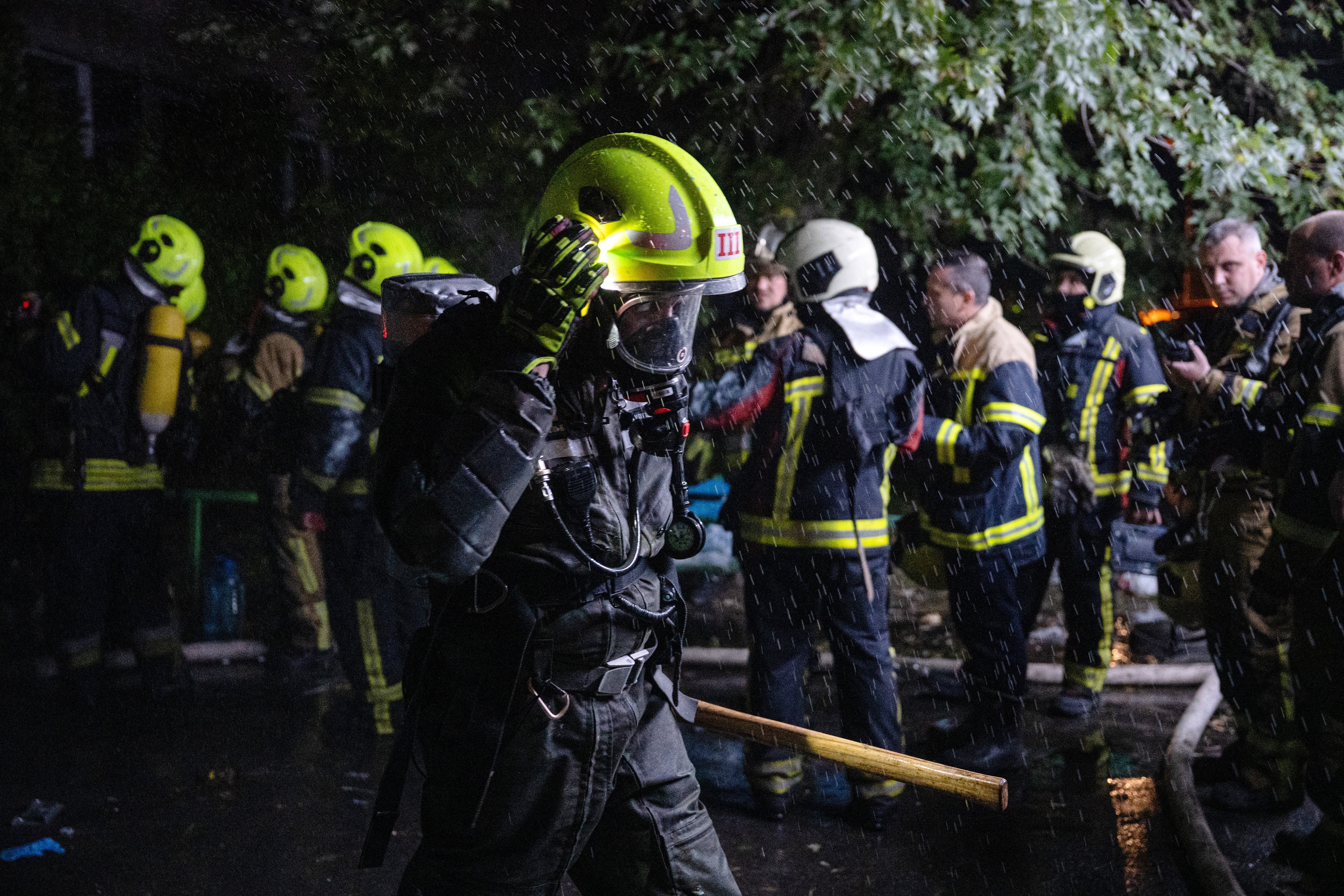
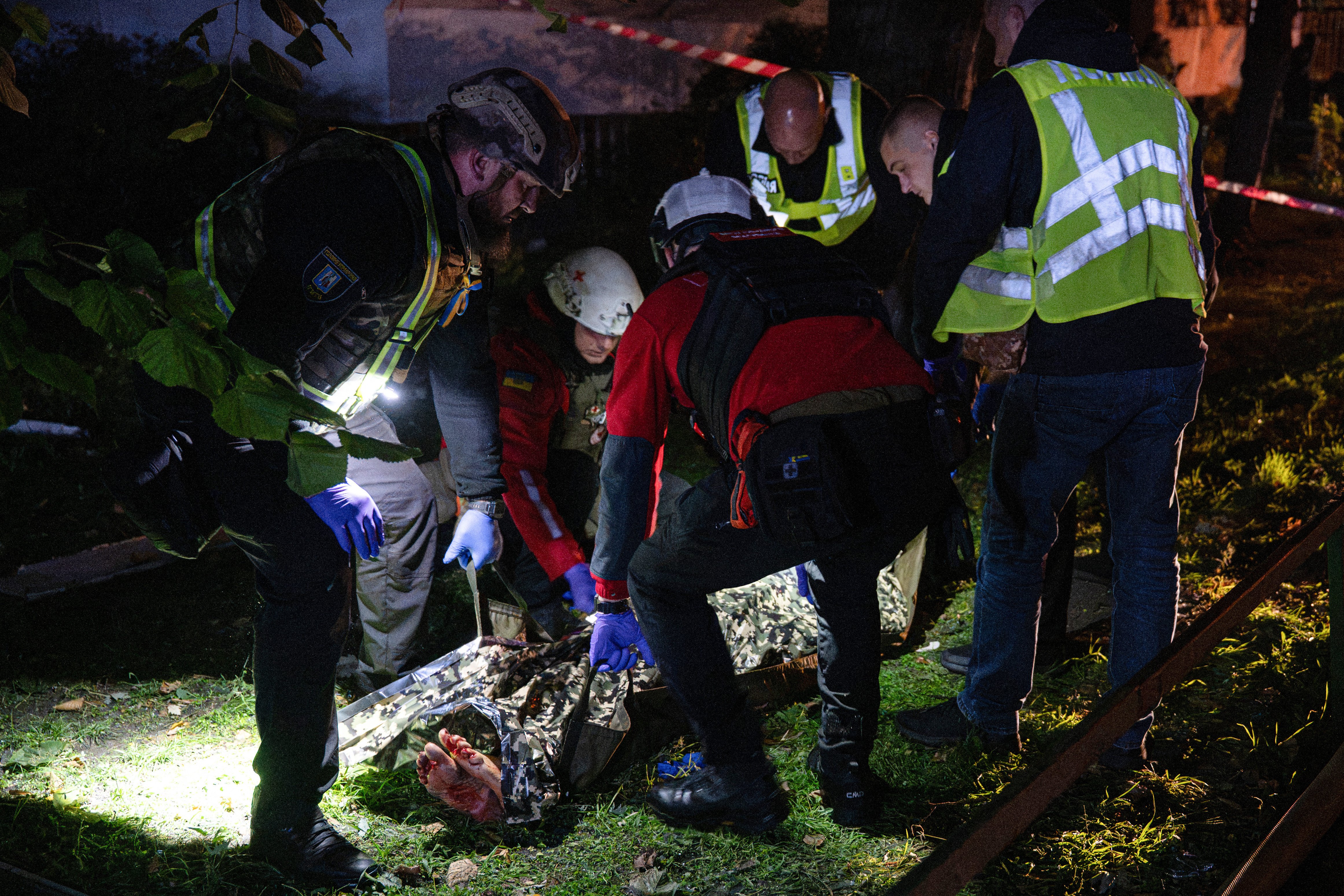
At that point, not a single Russian oil refinery had been hit by Ukrainian drones or missiles.
By October 13, it had become clear that Moscow had no intention of suspending its attacks and claimed not to trust Ukraine, even though Kyiv had refrained from striking Russian energy infrastructure for two consecutive days.
Russia had done no such thing.
By the evening of October 13, Russian ballistic missiles were once again heading toward Ukrainian energy facilities. The attacks continued into the early hours of October 14.
What Russia’s continued attacks mean for peace talks
Ukraine’s strikes against Russia serve a clear purpose: to undermine Moscow’s ability to continue its war or to respond in kind to Russian attacks.
That is why Kyiv targets oil refineries and petroleum infrastructure, which generate revenue for the Russian budget, a substantial share of which is spent on military expenditures and the war against Ukraine.
Ukraine is prepared to halt these strikes at any moment, but only on one condition: Russia must stop its attacks as well.
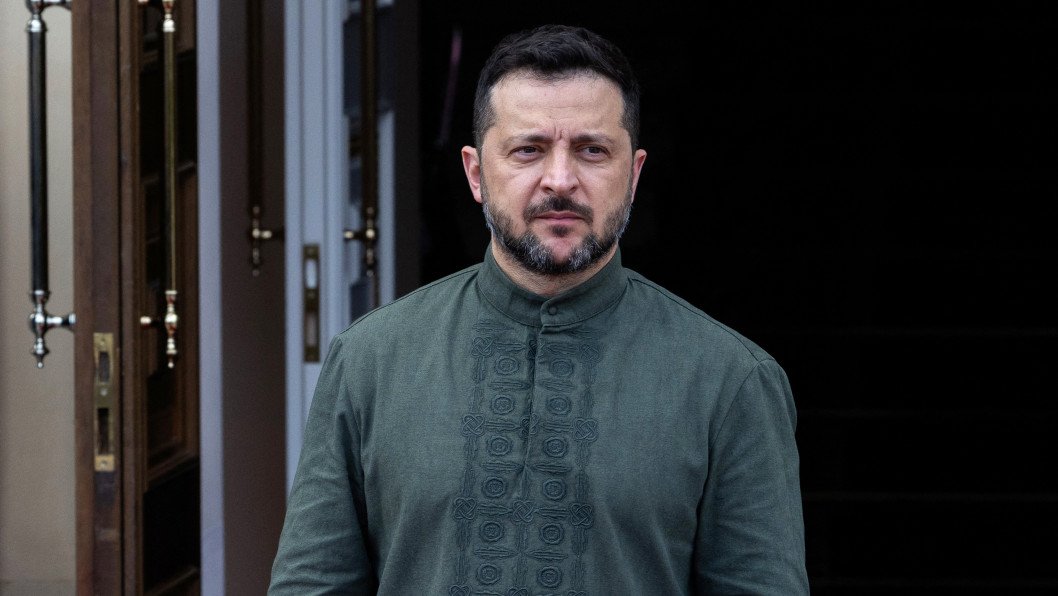
So far, there have been no such signals from the Kremlin. Russian Foreign Minister Sergey Lavrov has explicitly described any suspension of hostilities as an opportunity for a “respite,” and is unwilling to accept the ceasefire proposed by Trump.
Russia is making it clear that it is not ready to negotiate peace. Only pressure can change Moscow’s calculations, and it is precisely this pressure that Ukraine and its partners must work to build.
Discuss this article:
-4a56a6b482ec132402c16ef6fcabf9a2.png)