- Category
- War in Ukraine
51 Nations Just Called on Russia to Cease Fire. Moscow Answered With a Day-Long Missile and Drone Barrage on Ukraine
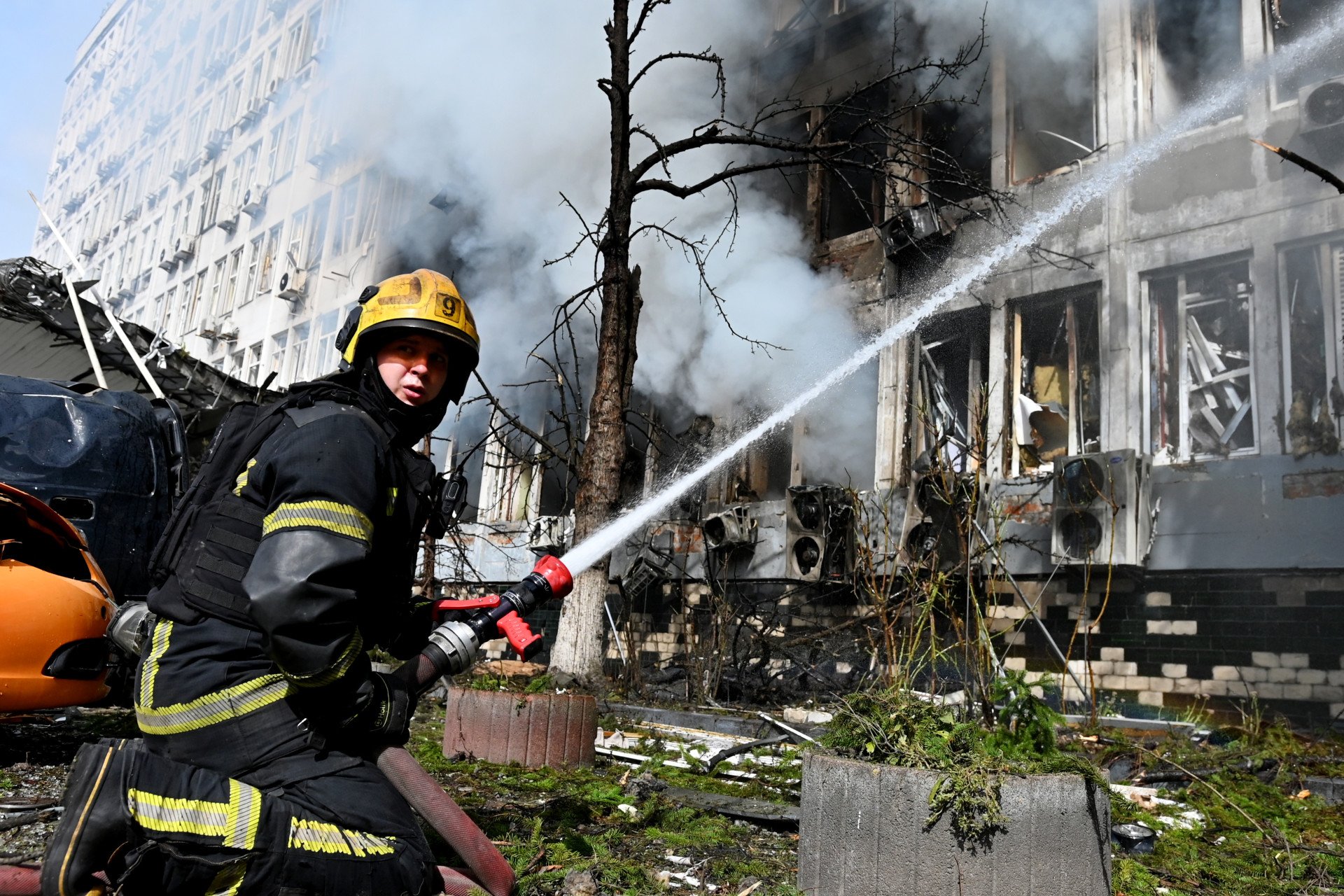
In New York, representatives of 51 countries gathered to call on Russia to halt the attacks. In Kyiv, missiles and drones filled the skies as the capital came under Russian bombardment, killing people and wounding dozens more.
 Prefer U24 Media on Google
- Authors

-29a1a43aba23f9bb779a1ac8b98d2121.jpeg "Photo of Illia Kabachynskyi")
This is how Russian leader Vladimir Putin continues to respond to the world’s calls to halt the fighting.
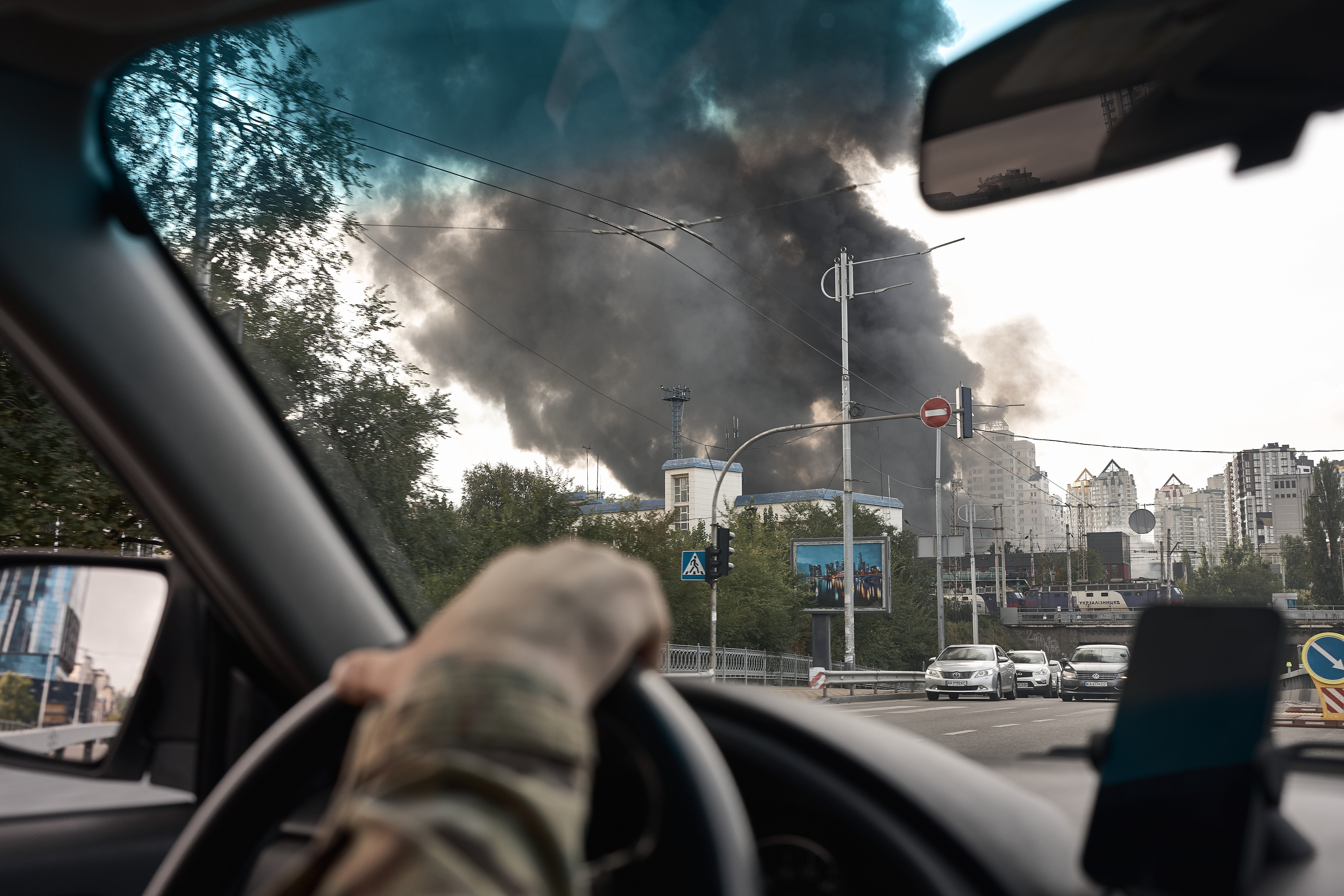
Throughout September 23, air raid sirens sounded 10 times in Kyiv. The city came under drone attack for virtually the entire day, beginning overnight, and by morning, one of the capital’s central districts was under Russia’s attack. Drones struck a market, a supermarket, and a business center—civilian infrastructure where many people were present on a weekday. Dozens of people were injured as a result.
-105a3905362ed8dc3e87d605623347e2.jpg)
That same day, an official warning emerged that Russia was preparing a massive strike on the capital that night. The warning proved accurate: at 12:55 a.m. on September 24, air raid sirens began sounding, warning of a missile threat. By morning, Ukraine’s Air Force reported that 227 aerial targets had been intercepted:
4 Zircon anti-ship missiles;
3 Iskander-M/S-400/KN-23 ballistic missiles;
1 Banderol/Dan-T;
219 Shahed and Gerbera-type drones, as well as drones of other types.
Russia’s aerial weapons were recorded striking 13 locations, while debris from intercepted targets fell at 10 locations.
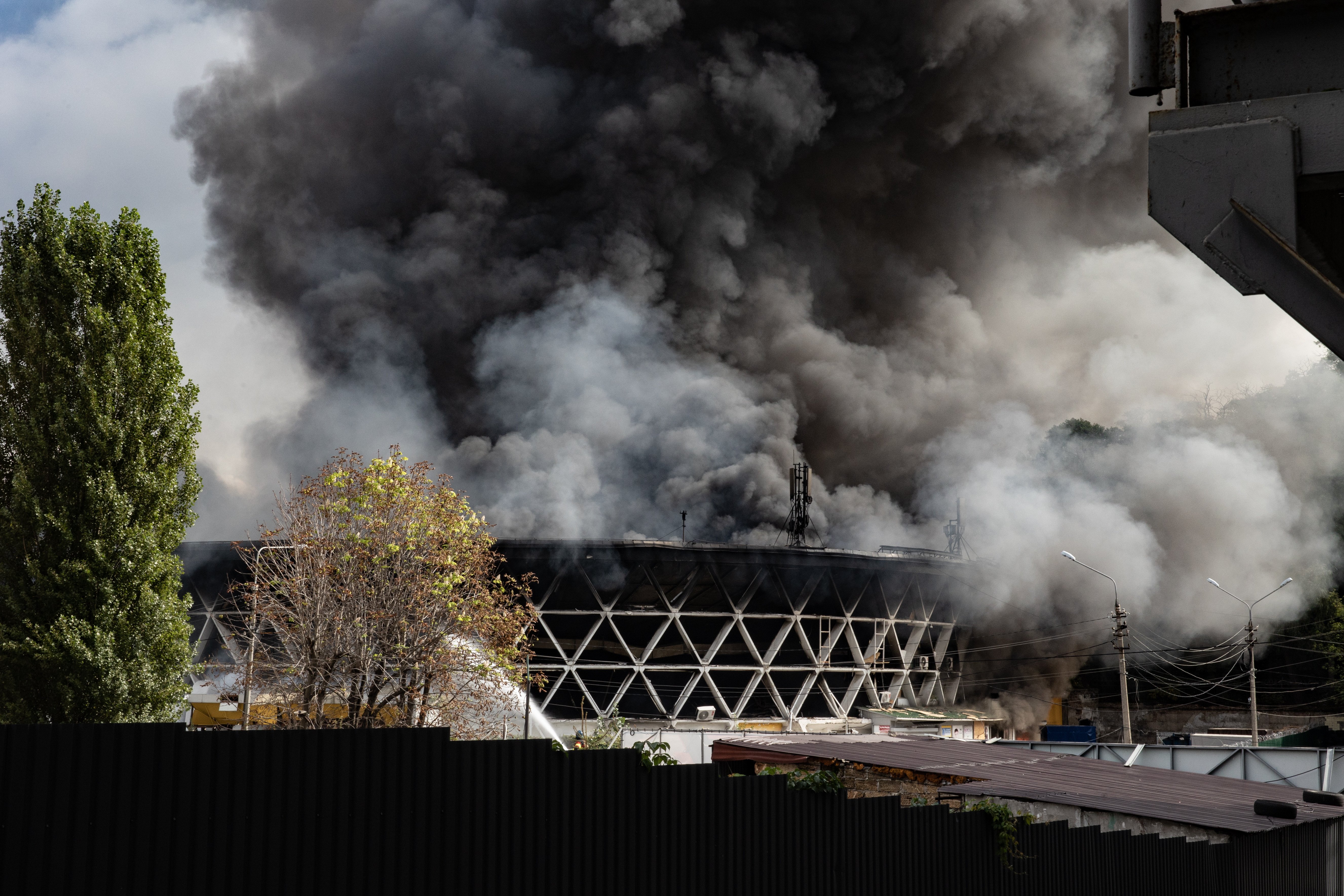
After the missile interceptions, Russia continued its attack on Ukraine with drones. The air raid alert continued uninterrupted from 3 a.m. until noon—more than 10 consecutive hours. Several people were killed, and dozens were injured in the attacks. Damaged buildings included a maternity hospital, a medical clinic, and residential properties. Gas stations, internet service providers, and energy infrastructure were also damaged.
51 nations push for a ceasefire
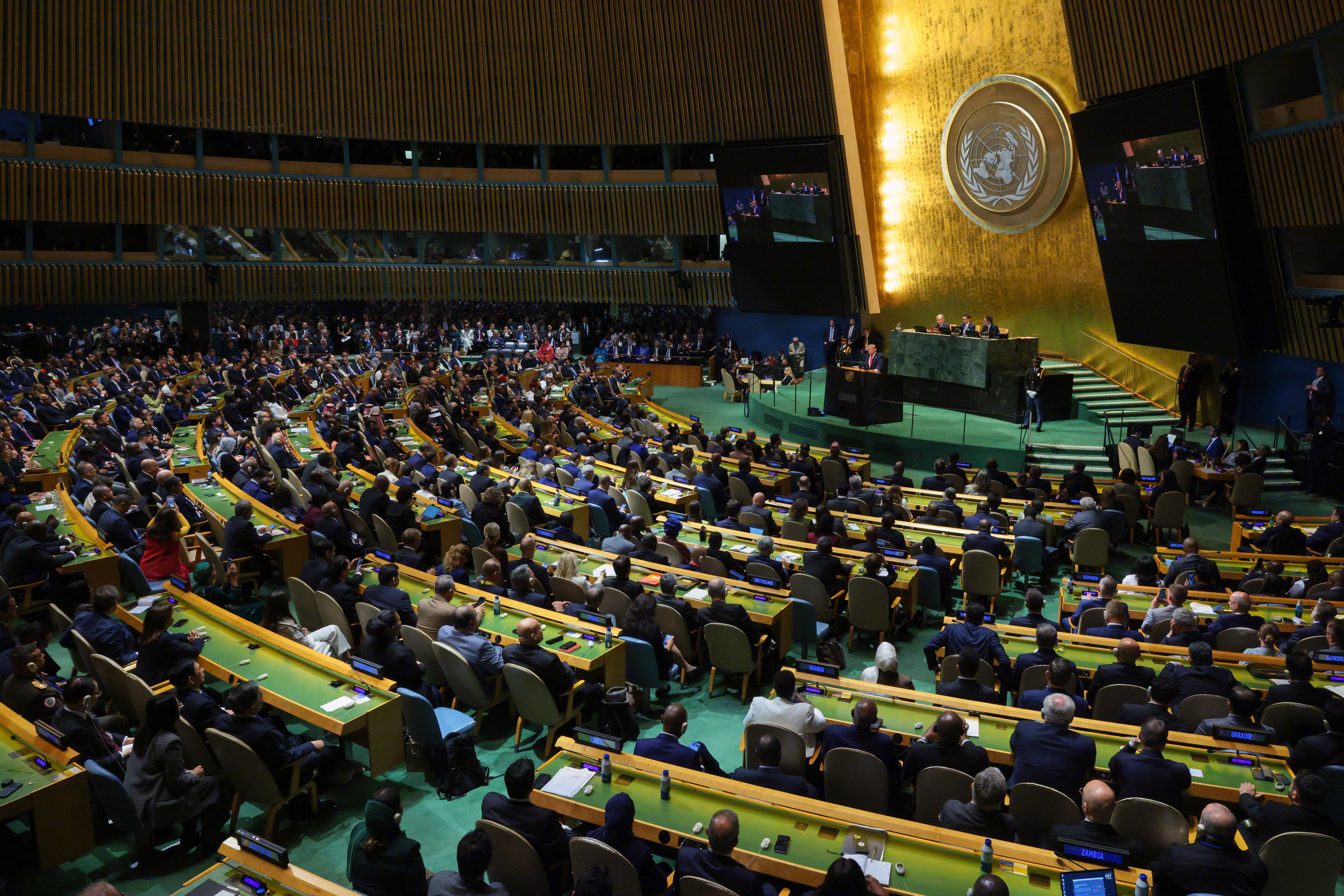
All of this is unfolding at a particularly notable moment—against the backdrop of the UN General Assembly in New York, attended by world leaders including Donald Trump and Xi Jinping.
On September 23, ahead of a UN Security Council meeting on Ukraine, 51 UN member states issued a joint statement calling for a ceasefire. The signatories—including Ukraine, EU countries, Canada, Australia, Japan, and South Korea—recalled that Ukraine had agreed to a full and unconditional ceasefire back in March 2025 and called on Russia to do the same.
A day earlier, on September 22, Zelenskyy and Trump met in New York, with Zelenskyy saying that the United States would convey a proposal for an energy ceasefire to Moscow. Russia issued no official response. Instead, the following night, it struck Ukraine’s energy infrastructure with missiles and drones.
Ukraine has consistently emphasized the need to halt the fighting and come to the negotiating table, arguing that such an approach would help save the lives of service members. Leaders of the free world have made similar calls, while Trump has also stressed the need to end the war.
Russia’s battlefield reality collides with its war goals
At the same time, Russian Foreign Minister Sergey Lavrov, also in New York, has indicated that Moscow has no intention of ending what it calls its “special military operation” and will continue pursuing its objectives.
At a minimum, those objectives concern the Donetsk and Luhansk regions, which, at the current pace of the Russian military’s advance, it would be unable to capture in the next several years, let alone months. Overall, Russia has occupied no more than 1,000 square kilometers of Ukrainian territory this year while losing control of roughly the same amount of territory, Zelenskyy said.
-f14be43f0648c4b4c92dc8a933010e69.jpg)
The reality, however, looks different. Putin will not stop at the two regions: his goal is to occupy Odesa, Kharkiv, Dnipro, and other Ukrainian cities, and he is therefore prepared to continue the war, says Zelenskyy.
That is precisely why support from Ukraine’s allies in Europe, the United States, and around the world—including assistance in protecting Ukrainian airspace—is so critical. Whenever Ukraine’s Air Force has interceptor missiles available, the percentage of incoming targets it can shoot down rises. On September 24, that figure stood at 60%. When interceptor missiles are unavailable, the interception rate can fall to zero. This is why Ukraine urgently needs missiles for its Patriot air defense systems.
For the world, this should once again serve as a signal: the Kremlin is not prepared for genuine negotiations until it faces maximum pressure. That is why maintaining sanctions and long-range strikes against Russia’s oil infrastructure remains so important.
Discuss this article:


-c439b7bd9030ecf9d5a4287dc361ba31.jpg "Photo of Katherina Popilnichenko")


-72b63a4e0c8c475ad81fe3eed3f63729.jpeg "Photo of Cyril Barabaltchouk")