- Category
- World
Russia Plans Record $202 Billion War Budget for 2027. Where Is the Money Coming From?
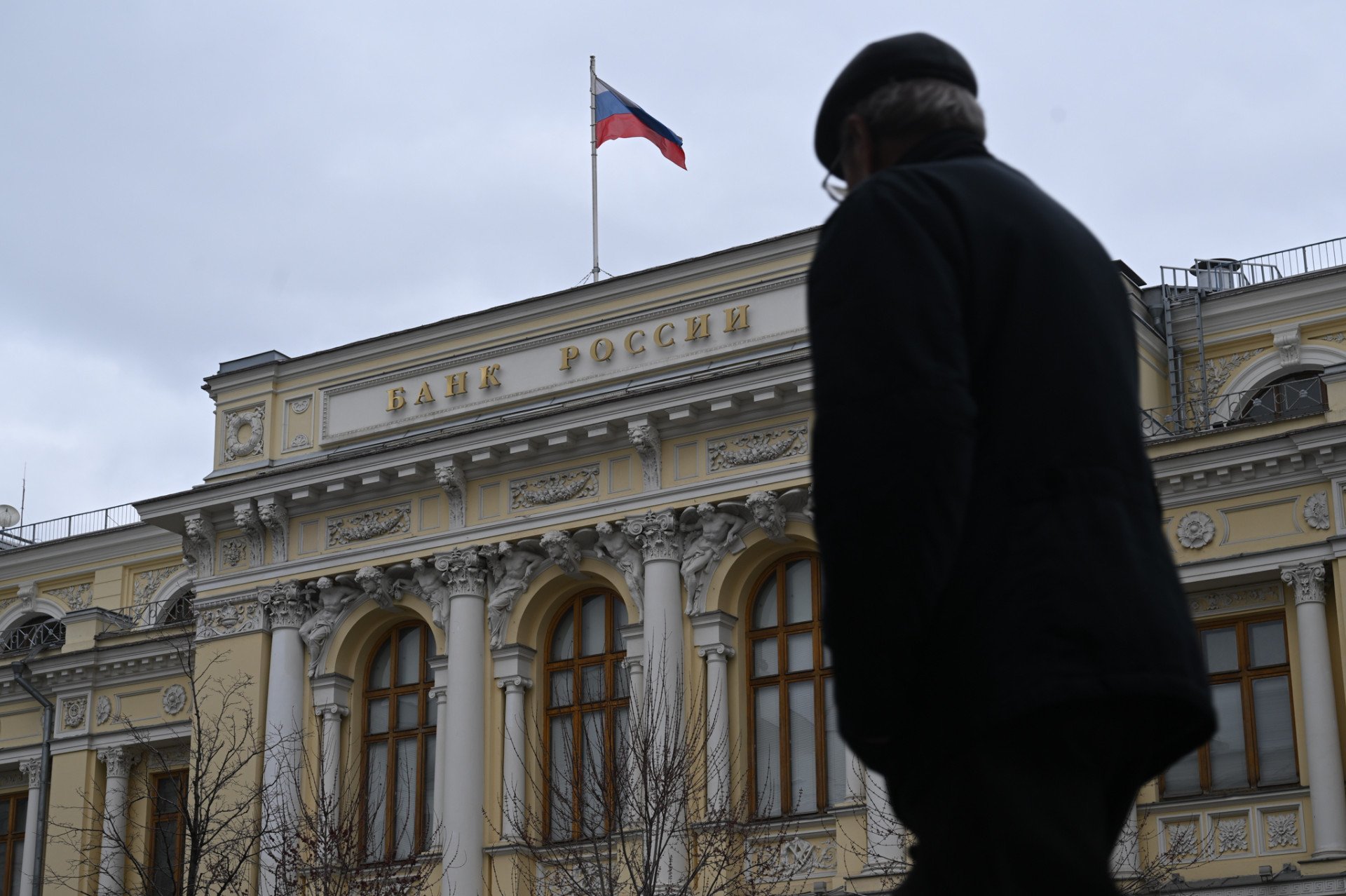
Russia is preparing to spend more than $200 billion on its military in 2027—more than ever before—even as oil and gas revenues weaken and its budget deficit widens. So where will the money come from? Increasingly, the answer is debt, higher taxes on Russians and businesses, and billions that Moscow continues to earn from energy exports—including sales linked to Europe.
 Prefer U24 Media on Google
- Authors

-29a1a43aba23f9bb779a1ac8b98d2121.jpeg "Photo of Illia Kabachynskyi")
The Russian government has prepared its draft budget for 2027.
Revenue—43.3 trillion rubles ($513 billion)
Spending—48.8 trillion rubles ($578 billion)
Projected deficit—5.5 trillion rubles ($65 billion)
Each of these figures is a record: Russia’s budget has never been this large, and the projected deficit has never been this high.
-1986e637f098baf55fd48ad1c9d5e68f.jpg)
Russia’s record budget deficit
The deficit figure in particular came as a surprise to many. In 2025, the budget deficit was initially projected at 1.2 trillion rubles ($14.2 billion), while the plan for all of 2026 called for a deficit of 3.6 trillion rubles ($42.7 billion). The actual figures, of course, were different: 5.5 trillion rubles ($65 billion) in 2025? and already 6.5 trillion rubles ($77 billion) by September 2026.
That raises a question: How large a deficit is Russia prepared to tolerate in 2027 if, even at the planning stage, it is already projected at 5.5 trillion rubles ($65 billion)? And more importantly, where will the money to cover that deficit come from?
As a share of GDP, the projected 2027 deficit is also a record. It stood at 0.5% in the 2025 budget plan, compared with a projected 2.2% for 2027. In reality, however, it is likely to be higher.
The coming year will be difficult for Russian households and businesses: the government plans to boost budget revenues by raising taxes on virtually everything. Notably, these increases were announced just after elections to Russia’s State Duma, in which Putin’s United Russia party won a majority with around 60% of the vote.
Utility rates will rise by nearly 50% more than previously planned, to 11%, compared with an earlier planned increase of 8.7%. Taxes on individuals’ passive income, such as dividends and bank deposits, will increase; a tax will be introduced on purchases from foreign online marketplaces; and excise taxes on tobacco and alcohol are set to rise. Raw-material companies will face an additional tax, while the dividend tax rate for foreigners from so-called “unfriendly countries”—including the United States, the United Kingdom, Canada, Japan, and EU member states—will rise from 15% to 35%.
But another figure should be even more significant for the rest of the world: Russia’s war spending.
Russia’s record military spending
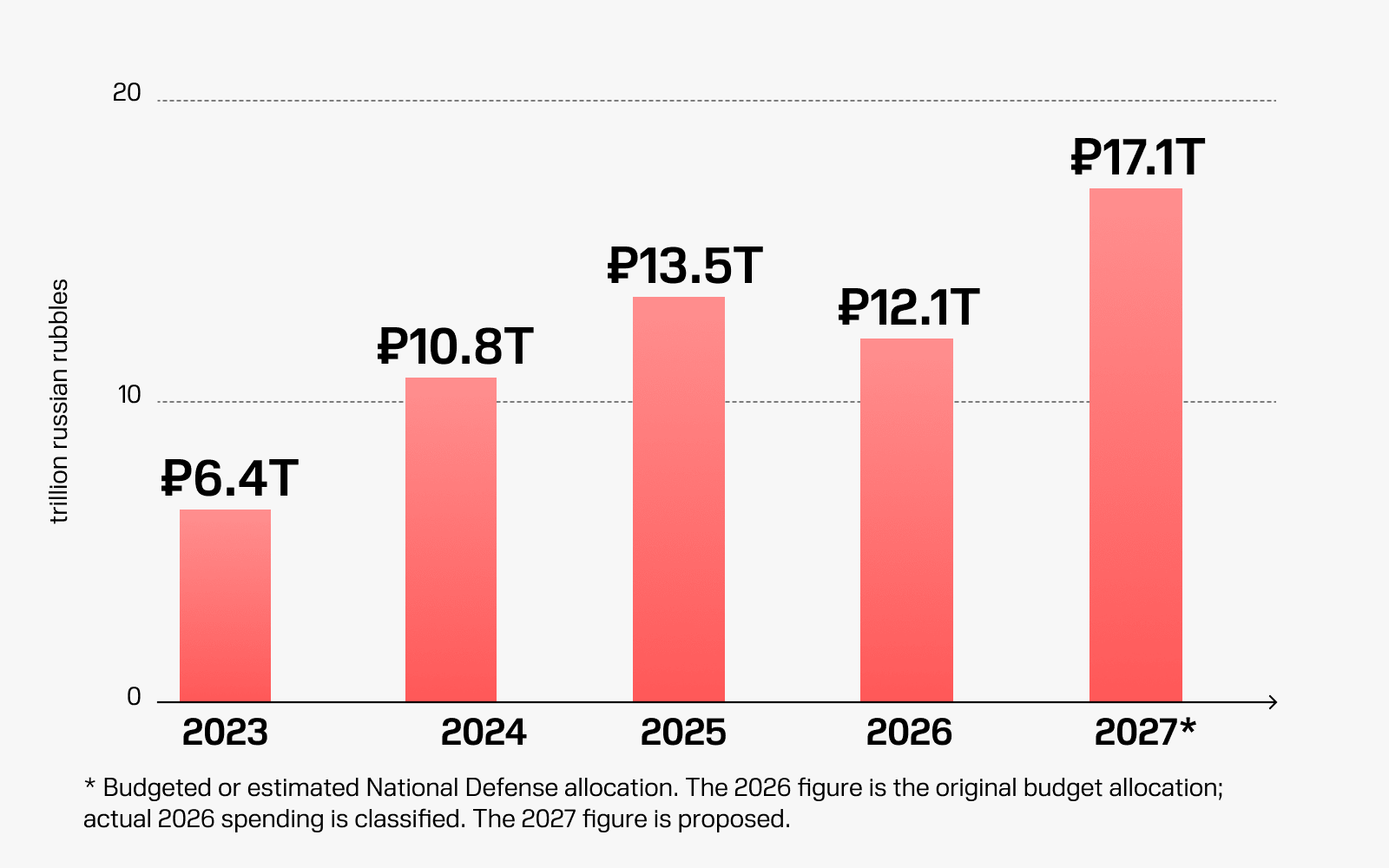
Moscow’s record spending in 2027 is no accident. The money will be directed first and foremost toward the war. Official war-related spending alone will exceed 17.1 trillion rubles, or more than $202 billion, Reuters reports. Moscow has never officially spent more than $200 billion on the war before. Ukraine’s spending, even when assistance from Europe, Canada, Norway, Denmark, Sweden, and the United States is included, is not comparable in scale.
The 17.1 trillion-ruble figure covers only the “National Defense” budget category. Russia’s budget also includes another category, “National Security,” which will account for an additional 4.3 trillion rubles. That means the combined figure of more than 21 trillion rubles ($250 billion) should be regarded as the minimum the Kremlin plans to allocate to military and security spending—43% of all federal budget expenditures.
War spending will increase by roughly 40% from the amount originally budgeted for 2026, when the figure stood at 12.1 trillion rubles ($143 billion). Actual 2026 defense spending is classified.
Russia’s National Defense Budget
And that does not mean the figure is final. In 2026, there was at least one known budget revision that allocated an additional 2 trillion rubles. The increase may have been driven by mounting battlefield losses and the need for additional death benefits and funding to recruit new troops, as manpower alone already costs Moscow trillions of rubles.
In the first half of 2025, Russia reportedly spent or incurred obligations of more than 2 trillion rubles ($24 billion) on recruiting, paying, and compensating troops fighting in Ukraine. If recruitment and casualty rates remained at similar levels in the second half of the year, the annual cost would have exceeded 4 trillion rubles ($48 billion)—before spending on weapons or equipment.
This financial pressure is increasingly visible in Russia’s regions. Some have begun cutting other spending to finance recruitment bonuses: Yakutia postponed salary indexation for public-sector workers, while Volgograd canceled a youth festival to save money as the region increased payments for new contract soldiers. Several regions have even reduced additional compensation paid to the families of soldiers killed in the war.
Additionally, Bloomberg reported over the summer that Russia could spend an extra 5 trillion rubles—almost $60 billion—on the war in 2026.
Where Russia gets the money for the war
The traditional source of enormous revenues for Russia’s budget—oil and gas—is no longer bringing Moscow the kind of money it did at the start of the full-scale invasion. In 2022, oil and gas revenues totaled 11.6 trillion rubles ($137 billion), or about 42% of all federal budget revenue. In 2023, they fell by nearly 24%, while their share of budget revenue dropped to around 30%.
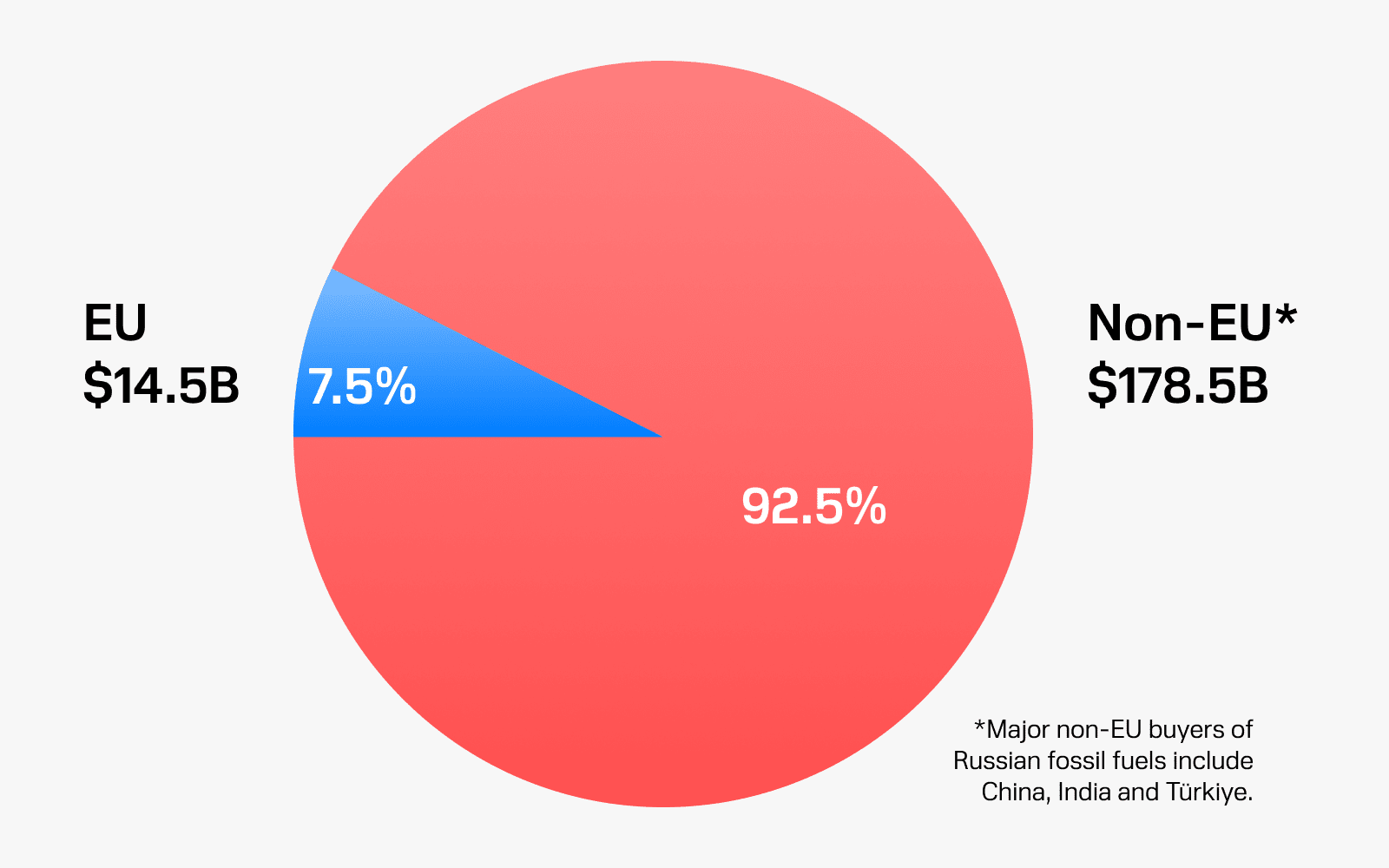
The pressure has continued. During the fourth year of the full-scale war, Russia earned about €193 billion ($219 billion) from fossil fuel exports—27% less than before the full-scale invasion, according to estimates by the Centre for Research on Energy and Clean Air (CREA).
EU’s Share of Russian Fossil Fuel Revenue
Yet declining oil and gas revenues have not led to cuts in military spending. That same Reuters report says that in 2027, Moscow plans to raise 7.7 trillion rubles ($91 billion) through borrowing, 43% more than a year earlier.
That does not mean revenue from Russian energy exports has ceased to matter. The less Russia earns from those exports, the greater the domestic financial pressure created by its war spending.
Europe has already sharply reduced its dependence on Russia: Russian crude oil’s share of EU imports fell from around 20% in 2022 to 2% in 2025, while Russian gas fell from 45% of EU imports in 2021 to around 12% in 2025.
Europe, however, continues to buy Russian liquefied natural gas. These purchases involve contracts worth billions of euros a year, as well as purchases of both crude oil and petroleum products refined from Russian crude. During the fourth year of the full-scale invasion, the EU purchased approximately €14.5 billion ($16.5 billion) worth of Russian fossil fuels. A number of bans on purchases of Russian resources took effect in 2026, but some restrictions are still awaiting final approval.
Russia is preparing for an even larger war in 2027. Europe must be prepared as well—including by denying Moscow the opportunity to earn money at Europe’s expense.
Russia’s larger war
Record war spending offers a clear indication of the Kremlin’s priorities: by directing money toward the war rather than reconstruction or support for the economy, Moscow is showing little interest in negotiations or in limiting its ambitions to the borders of Ukraine’s Donetsk and Luhansk regions.
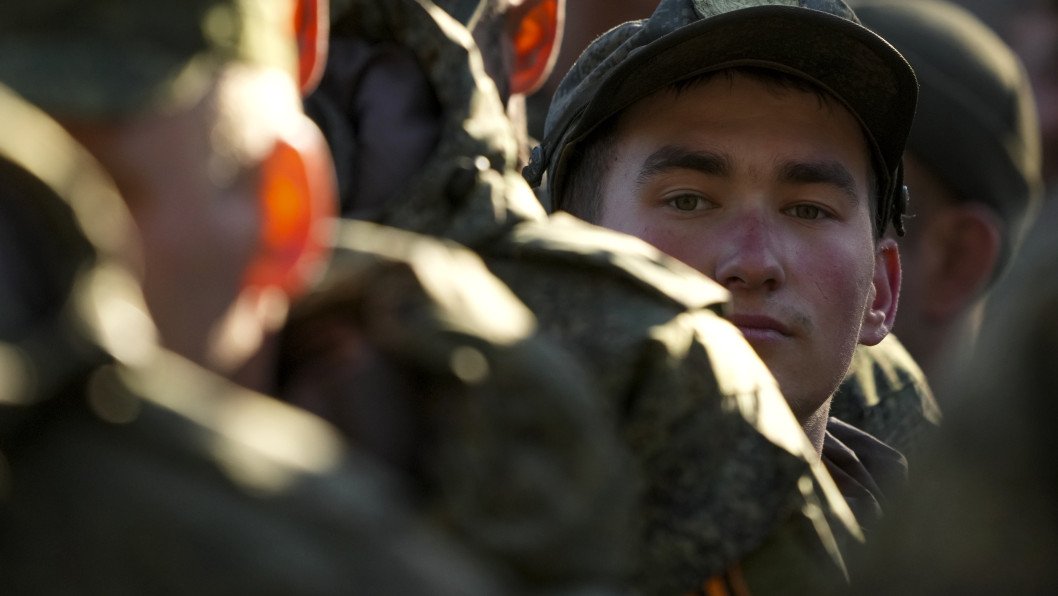
The money will go toward mobilizing up to 600,000 additional troops to be sent to the Ukrainian front, as well as purchasing missiles and drones that now terrorize Ukrainian cities day and night. The war is becoming more expensive, and the Kremlin is prepared to pay the price—even at the cost of worsening living standards for its own citizens.
The hybrid war is also expanding. In Germany, FPV drones have repeatedly been detected near airports. Countries that share land or maritime borders with Russia have repeatedly faced provocations and acts of sabotage, including incursions involving missiles and drones.
Today, Russia’s war against Ukraine and Europe is being financed in part with European money. Europe cannot continue helping finance a war that threatens its own security.
Discuss this article:
-9a7b3a98ed5c506e0b77a6663f5727c5.png)

-111f0e5095e02c02446ffed57bfb0ab1.jpeg "Photo of Roman Kohanets")

-421e8a9c474cc6ae67d60a56d7572c56.jpg "Russian ruble coins and one hundred dollars are seen on a table. (Source: Getty Images)")
-72b63a4e0c8c475ad81fe3eed3f63729.jpeg "Photo of Cyril Barabaltchouk")
-c439b7bd9030ecf9d5a4287dc361ba31.jpg "Photo of Katherina Popilnichenko")