- Category
- World
Germany Identifies Russian-Backed Suspects in Leipzig Drone Sabotage
 Prefer U24 Media on Google
- Authors

-c439b7bd9030ecf9d5a4287dc361ba31.jpg "Photo of Katherina Popilnichenko")
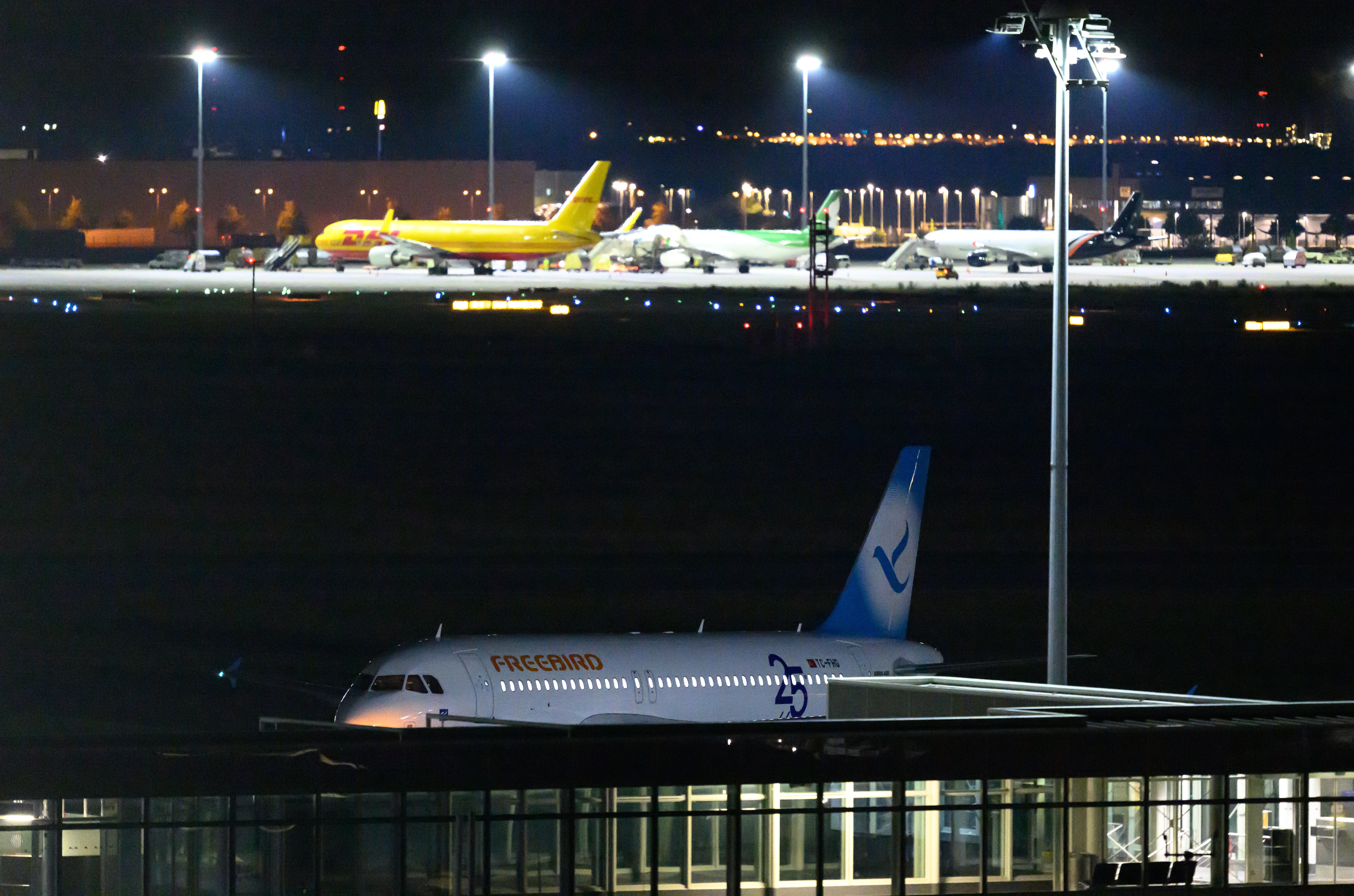
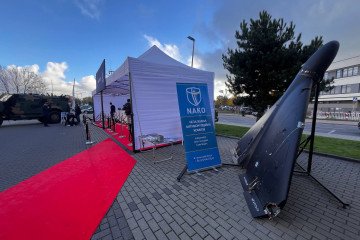
German law enforcement agencies have identified two suspects involved in an attempted FPV drone sabotage operation at Leipzig Airport, according to Bild.
The incident took place on August 5, when explosive-laden drones were discovered near four Ukrainian Antonov An-124 cargo planes.
We bring you stories from the ground. Your support keeps our team in the field.
Investigators determined that the planned attack was carried out by a native of Russia holding a Latvian passport and a Belarusian citizen who also holds Russian citizenship. Authorities are currently searching for at least four individuals whose movements and phone numbers were tracked using cell tower location data.
German Federal Minister of the Interior Alexander Dobrindt stated that Russia directly organized the attack, with the perpetrators acting on instructions from Russian intelligence services.
The Federal Criminal Police Office suspects that more unmanned aerial vehicles may have been deployed than initially thought, as remnants of three devices have been recovered so far.
The first suspect, a Russian native, acted as a logistical coordinator and instructor while maintaining direct ties to Russian intelligence. He arrived in Germany at the end of July via Berlin Brandenburg Airport, traveled toward Leipzig in a rental vehicle, and departed the country by plane two days before the attack was executed. The second suspect, a citizen of Belarus, was identified through DNA evidence left at the scene.
Traces of his genetic material were recovered directly from one of the drones, from the inner side of a tin can containing explosives, and from a signal amplifier antenna mounted on a tree near the airfield. Matching these genetic traces against European databases revealed prior records in Lithuania and Finland, where the individual had previously been prosecuted for other offenses.
He entered the Schengen zone using an Italian tourist visa issued in Minsk in late April. The sabotage attempt unfolded on the night of August 5, when a shuttle bus driver spotted the first explosive drone at 00:42 near four Ukrainian An-124 heavy transport aircraft.
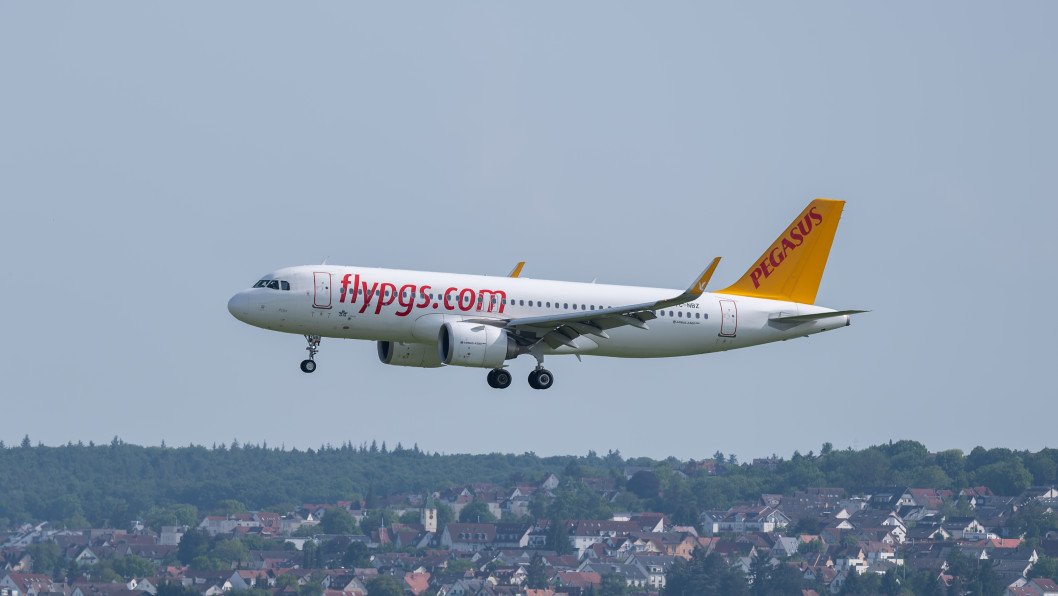
Following the discovery of a second device, air traffic over the airport was completely suspended. During the airspace closure at 01:03, a inbound DHL cargo plane was forced to abort its landing approach and collided with another flying object, likely a second drone, at an altitude of 400 meters. A third drone was discovered on August 14 in a field in the municipality of Kabelsketal, bordering the western side of the airport.
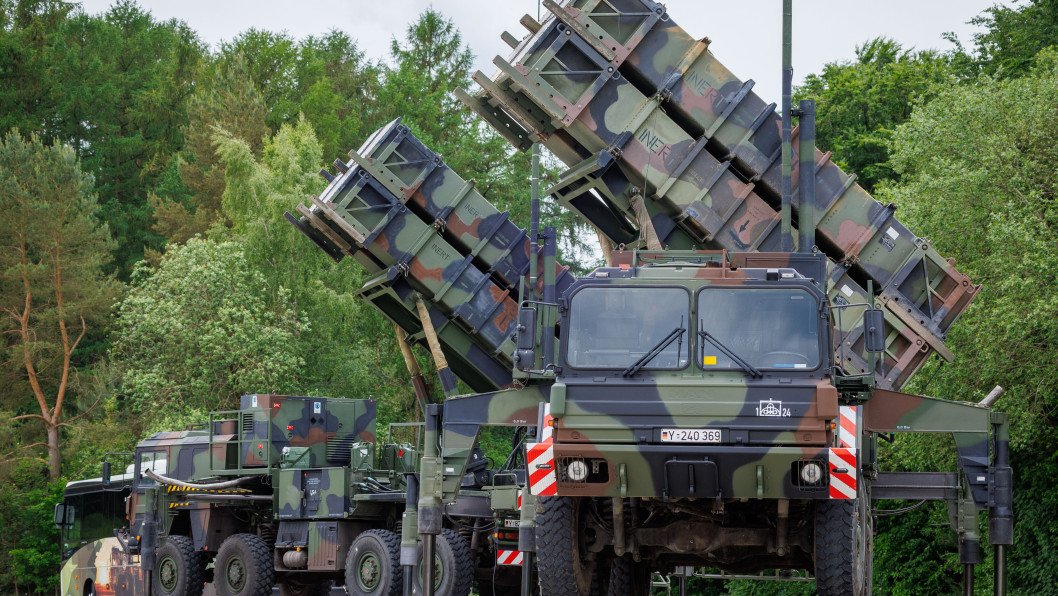
European Commission President Ursula von der Leyen described the drone incident at Germany’s Leipzig/Halle Airport as an attack carried out by Russian intelligence operatives using military-grade materials on European Union territory.
Speaking in Brussels ahead of a meeting with NATO Secretary General Mark Rutte, von der Leyen stated that the EU would not tolerate such actions and expressed full solidarity with Germany. She noted that if Russia had intended the incident to make European countries reconsider their support for Ukraine, it had instead strengthened their determination to continue backing Kyiv.
Von der Leyen characterized the sabotage operation as a new escalation on EU territory directly linked to Moscow, forming part of a broader pattern of increasingly dangerous hybrid activities. Consequently, she pledged that the EU would maintain and intensify pressure on Russia until it ended its full-scale invasion of Ukraine, emphasizing that the bloc remained prepared to introduce additional sanctions and close existing loopholes.
Discuss this article:



-72b63a4e0c8c475ad81fe3eed3f63729.jpeg "Photo of Cyril Barabaltchouk")