- Category
- War in Ukraine
Russia’s War Against Ukraine Runs on Credit as Moscow’s Debt Hits 24-Year Record
 Prefer U24 Media on Google
- Authors


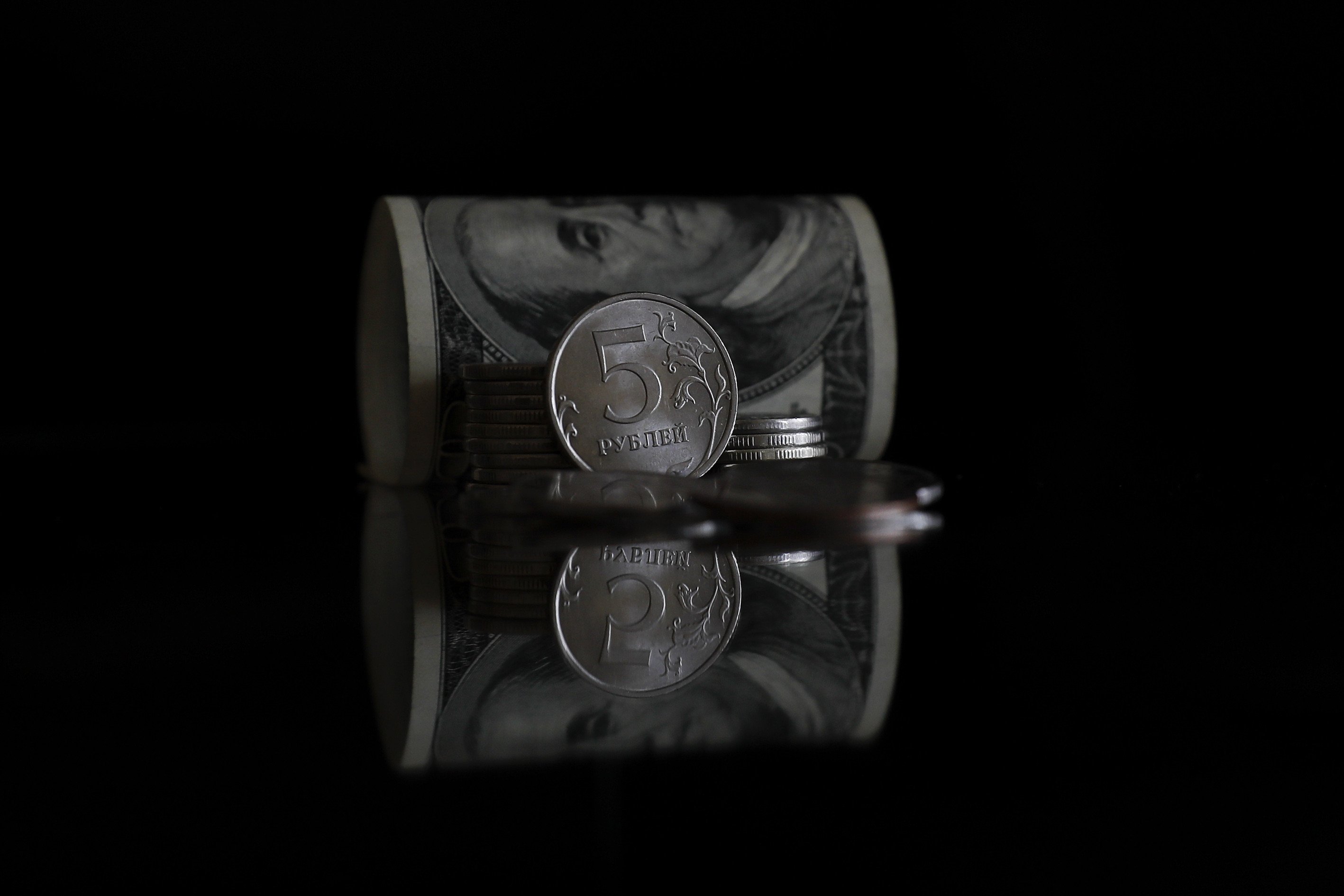
Russia is preparing to drive government debt to its highest level in more than two decades as the Kremlin increasingly turns to borrowing to cover widening budget deficits and another surge in military spending.
Under the government’s draft budget, Moscow plans a sharp increase in domestic borrowing over the next several years as defense spending rises to levels unseen since the Soviet era, according to budget documents reported by The Moscow Times on September 30.
We bring you stories from the ground. Your support keeps our team in the field.
Russia’s Finance Ministry plans to sell trillions of rubles in government bonds annually, with borrowing continuing to rise through 2029.
The result, according to ministry projections, will be a steady increase in state debt from roughly 19.9% of GDP in 2026 to 21.7% next year and 24.1% by the end of the three-year budget period.
That would be Russia’s highest debt-to-GDP level since 2002.
While that ratio remains relatively modest compared with many large Western economies, the speed of the increase is significant for a country that spent much of the 2000s aggressively paying down its sovereign debt with revenues from high oil prices.
During the first years of Russia’s full-scale war against Ukraine, Moscow relied heavily on its National Wealth Fund to cover spending gaps. As those liquid reserves have diminished, borrowing has become increasingly important.

Finance Ministry estimates indicate that state debt increased by roughly $227 billion between 2024 and 2026.
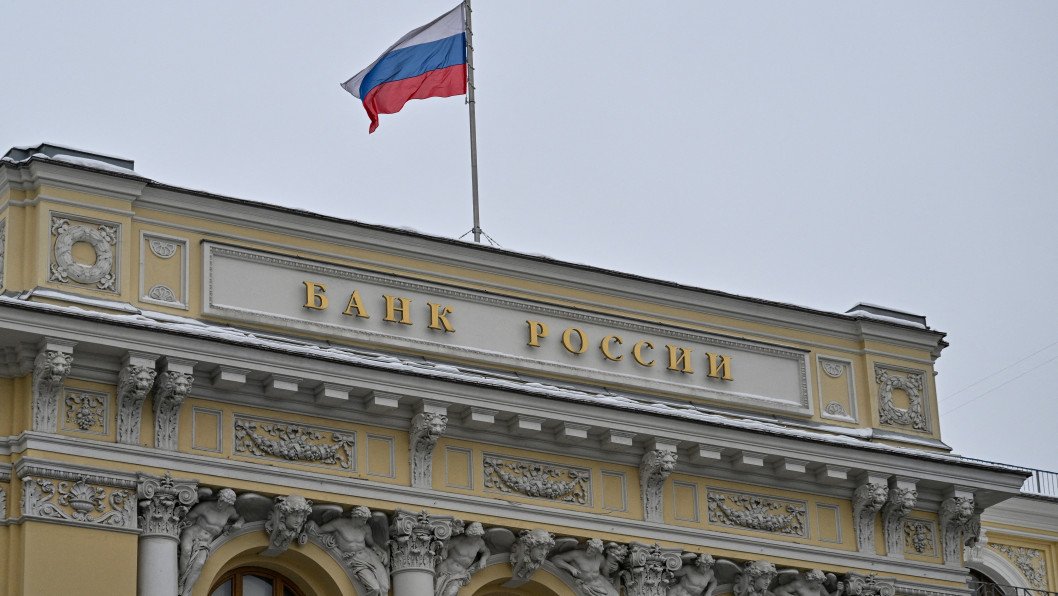
The Central Bank is also playing a larger role in keeping that borrowing machine functioning.
“Without support from the Central Bank, it is impossible to finance the budget deficit even this year,” economist Sergei Aleksashenko said.
Russian banks have increasingly received central-bank liquidity through repo operations backed by government bonds. The volume of those operations has risen by roughly $30 billion since the beginning of the year, reaching about $72 billion by September 30.
The debt itself is also becoming increasingly expensive to service. Interest payments are projected to reach $55 billion next year, then climb to $64.5 billion in 2028 and more than $68 billion in 2029.
By that point, around 10.6% of Russia’s entire federal budget could be consumed simply by servicing debt, compared with roughly 4.4% before the full-scale invasion. Reuters reported that debt-service costs are already projected to account for 9.4% of spending in 2027.
The driving force behind the borrowing surge is military expenditure.
Russia plans to allocate $205 billion to national defense in 2027, roughly 35% of total federal spending and 27% more than previously planned. Total defense expenditure over the next three years is expected to reach around $600 billion.
Earlier, CIA Director John Ratcliffe warned Russian officials that Russia’s economy could collapse in a Soviet-style crisis if the war continues.
A senior diplomat familiar with the CIA’s briefing to Western partner services after Ratcliffe’s late-August visit to Moscow told FAZ that the intelligence assessment was the trip’s central purpose. “Russia is losing the war,” the diplomat said, describing the US assessment as conclusive.
Discuss this article:


-c439b7bd9030ecf9d5a4287dc361ba31.jpg "Photo of Katherina Popilnichenko")



-29a1a43aba23f9bb779a1ac8b98d2121.jpeg "Photo of Illia Kabachynskyi")