- Category
- War in Ukraine
Russia Just Lost Nearly 23,000 Troops in 10 Days. Putin Still Plans to Mobilize More
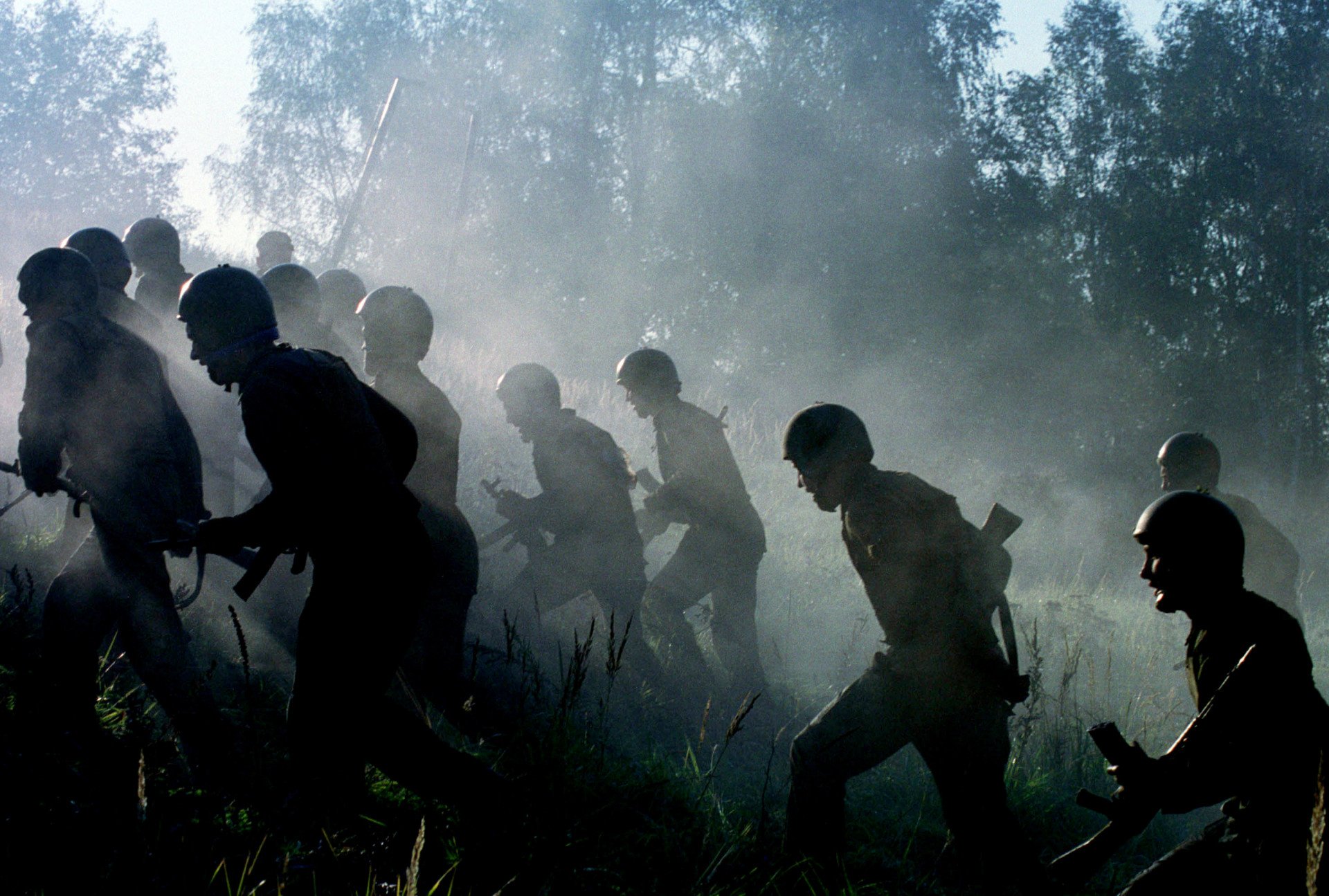
Ukraine’s drone operators are inflicting record losses on Russian forces, with 22,880 troops lost in just 10 days. Yet the Kremlin is preparing to mobilize hundreds of thousands more.
 Prefer U24 Media on Google
- Authors


Russia's deadliest day of the full-scale war has been followed by an even deadlier one. Russia suffered a record 2,500 troops killed or wounded on November 1. That record lasted just one week. By November 8, the daily toll had climbed to 2,980, according to figures released by Ukraine’s General Staff the following morning.
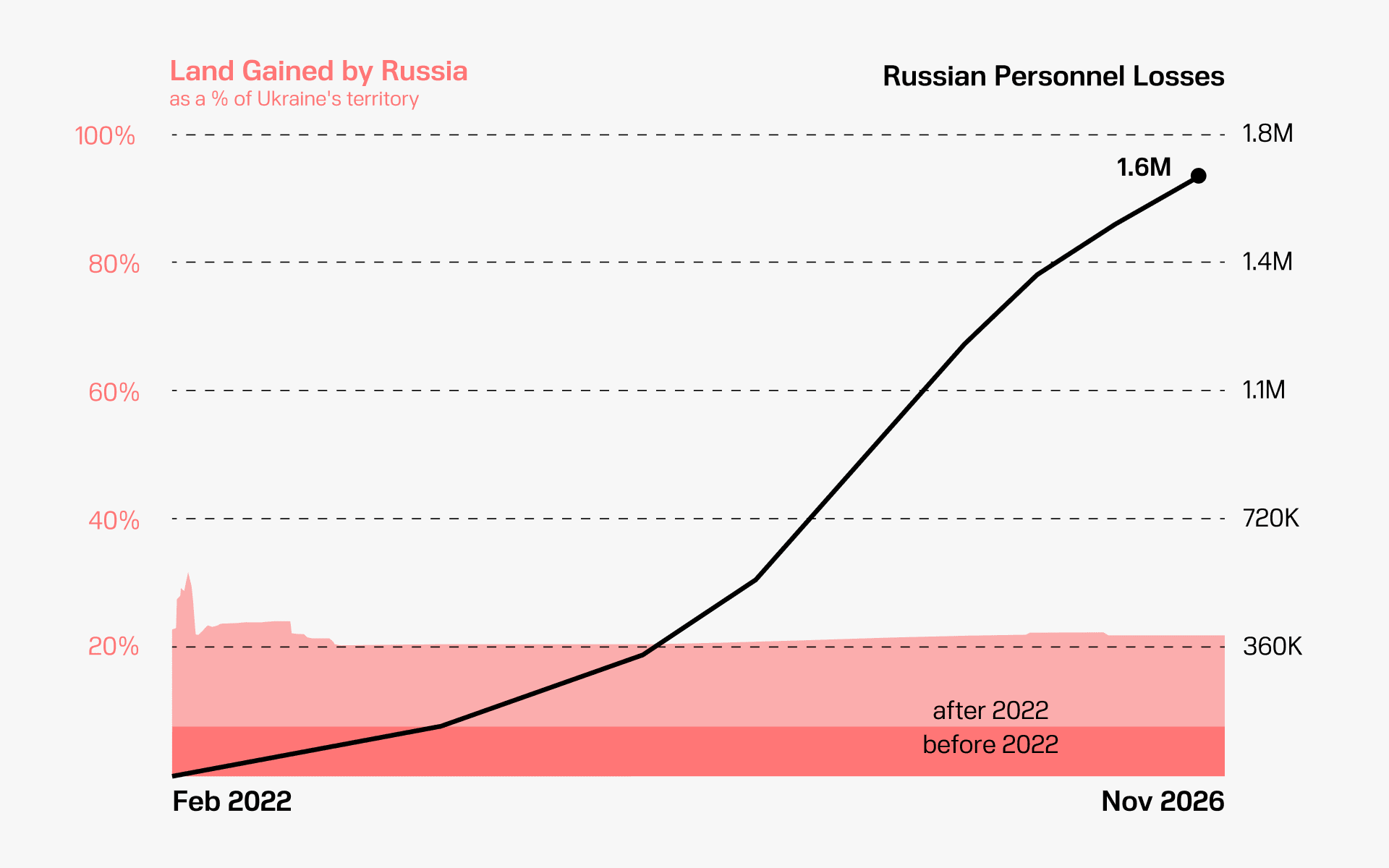
How many records have Russian military losses broken?
Every day of November so far has seen reported Russian personnel losses exceed 2,000—an unprecedented eight-day streak:
October 30 — 1,670
October 31 — 2,100
November 1 — 2,500
November 2 — 2,060
November 3 — 2,180
November 4 — 2,380
November 5 — 2,440
November 6 — 2,280
November 7 — 2,290
November 8 — 2,980
In just 10 days, Russia has lost nearly 23,000 troops killed or wounded, according to Ukraine’s General Staff. For perspective, Russia’s reported personnel losses for the entire year of 2022 stood at 106,720.
Rising casualties have become a defining trend of Russia’s fall 2026 offensive campaign. In September, Russian personnel losses reached 46,230. In October, they surpassed 50,000 for the first time, hitting a record 54,400. Add the first eight days of November, and Russia’s reported losses since September are nearly 120,000—more than it lost throughout all of 2022.
Ukraine’s Unmanned Systems Forces (USF) have reported a similar trend, recording increasingly high Russian personnel losses:
October 23 — 701 casualties
November 1 — 708 casualties
November 5 — 751 casualties
November 8 — 801 casualties
The USF expects that, by the end of November, its units alone will be inflicting more than 1,000 Russian personnel casualties, killed or wounded, every day.
Russia’s hidden mobilization
The rise in Russian personnel losses is also linked to the Kremlin’s willingness to send ever more troops into battle to achieve its military ambitions, particularly the capture of the entire Donetsk region.
Yet by early November 2026, Russia’s rate of territorial advance had slowed nearly fourfold compared with 2025.
Russian forces had managed to capture less than 1,000 square kilometers of territory, amounting to approximately 0.2% of Ukraine. This came despite Russia losing more than 350,000 troops killed or wounded in less than a year, with Russia’s total personnel losses exceeding 1.5 million since the start of the full-scale invasion.
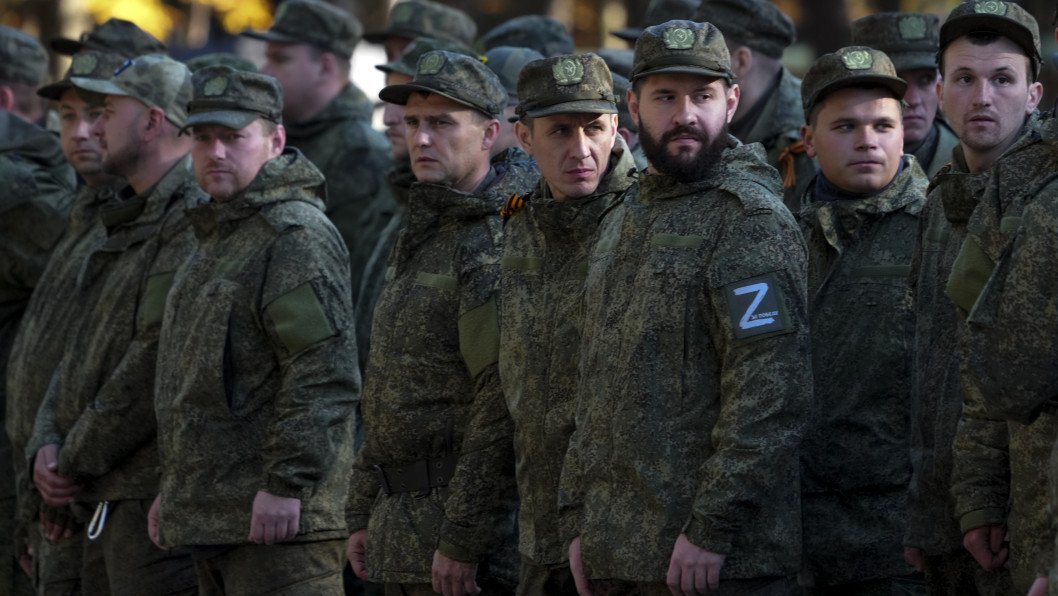
Russia has been able to send more troops into the war by drawing on additional manpower through covert mobilization. To avoid fueling social tensions at home, the Kremlin has refrained from announcing a full-scale mobilization campaign.
However, according to Russian media reports, military recruitment efforts have only intensified. Rather than relying on higher financial incentives, authorities are increasingly resorting to coercive recruitment practices to force people into military service.
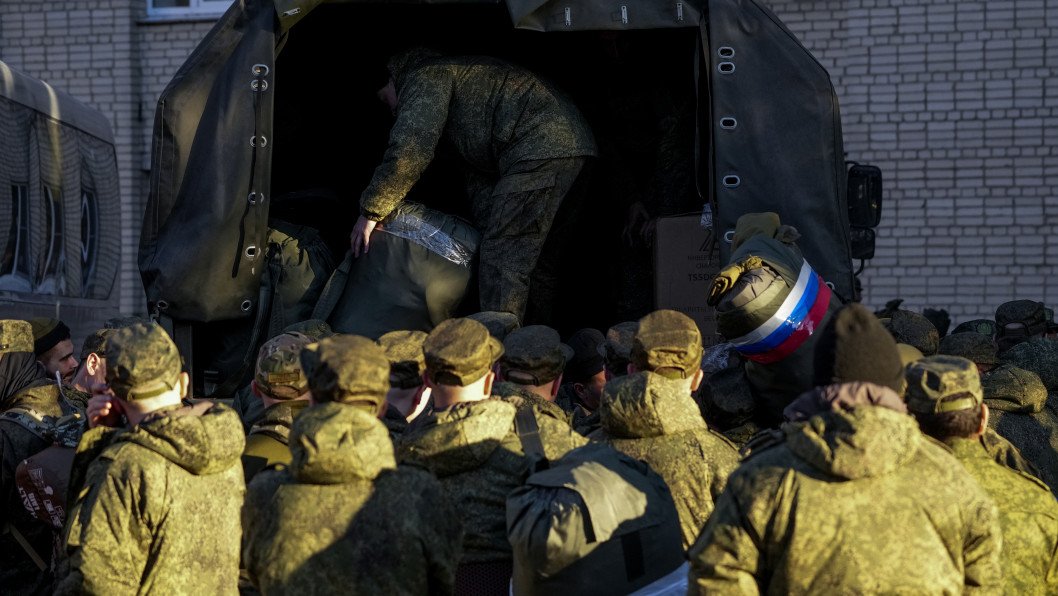
Russia’s additional mobilization plans could involve recruiting up to 300,000 troops in 2026 and another 300,000 in 2027, according to Ukrainian and international intelligence agencies. Moscow appears to view this as its only viable way to increase pressure along the Ukrainian front and attempt to achieve at least its minimum territorial objectives.
Meanwhile, Ukraine’s active defense strategy is not only disrupting Russia’s offensive operations but also demonstrating its own counteroffensive capabilities. Russia’s spring, summer, and fall offensives have failed to produce significant results. Ukraine has managed to regain control of up to 1,000 square kilometers of territory, carry out Operation Vivaldi in the Donetsk region, and hold and consolidate its positions around Kupiansk in the Kharkiv region.
Ukrainian forces are also holding defensive positions around Huliaipole in the Zaporizhzhia region and in the Dobropillia sector of the Donetsk region. Meanwhile, the city of Kostiantynivka remains outside Russian control despite nearly a year of sustained fighting.
At the same time, Russia’s continued offensive operations and its enormous defense budget for 2027 indicate that Russian leader Vladimir Putin is not seeking to end the war but intends to continue fighting. This underscores the need to approach negotiations from a position of strength rather than through concessions.
Discuss this article: