- Category
- War in Ukraine
Russia’s September Troop Losses Hit Record High as Ukraine Takes Ground Back in the Donetsk Sector
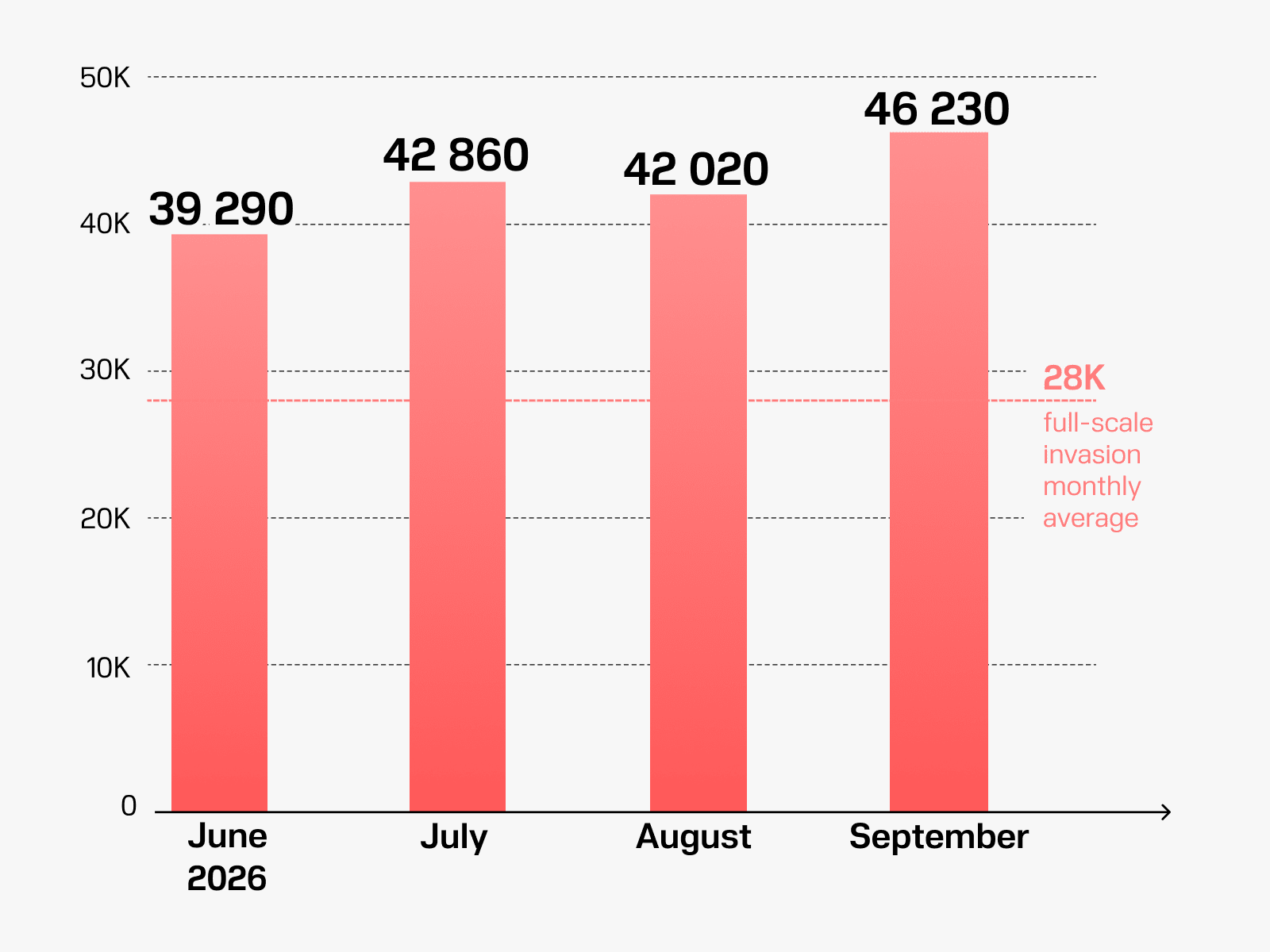
September proved catastrophic for the Russian military. Over 46,000 Russian troops were killed or wounded—the Kremlin’s heaviest monthly personnel losses of 2026.
 Prefer U24 Media on Google
- Authors

-29a1a43aba23f9bb779a1ac8b98d2121.jpeg "Photo of Illia Kabachynskyi")
On the morning of October 1, the General Staff of the Armed Forces of Ukraine released its latest figures: 1,900 Russian military casualties, including killed and wounded. That brought Russia’s estimated September losses to 46,230 troops. In July, by comparison, Ukraine estimated Russian losses at around 43,000.
Personnel Loses of Russian Army
Yet the mounting losses have produced few strategic gains. Russian advances remain slow, while Moscow has still failed to seize the Donetsk region.
Overall, the Russian military has lost more than 1.5 million personnel—more than the combined losses from all wars fought by the Soviet Union and Russia since World War II.
In September, Moscow was losing troops faster than “usual.” Evidence of this can also be seen in figures from Ukraine’s Unmanned Systems Forces: during the final week of September, the command reported daily Russian losses of 500–600 troops, itself a new record for this branch of the Ukrainian military. One reason for this increased effectiveness is the arrival of fall: with fewer leaves on the trees, Russian troops have fewer places to conceal themselves during assaults.
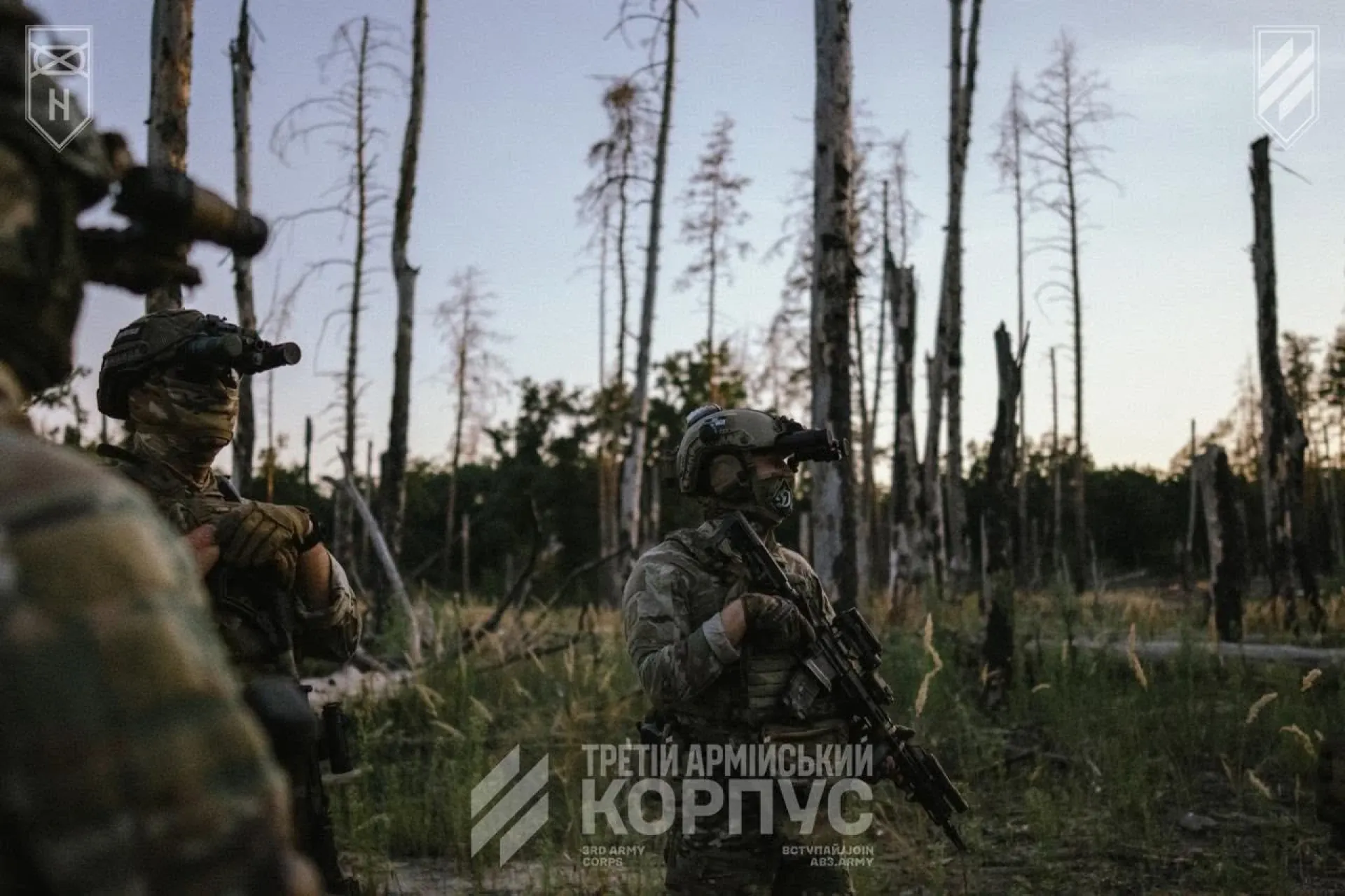
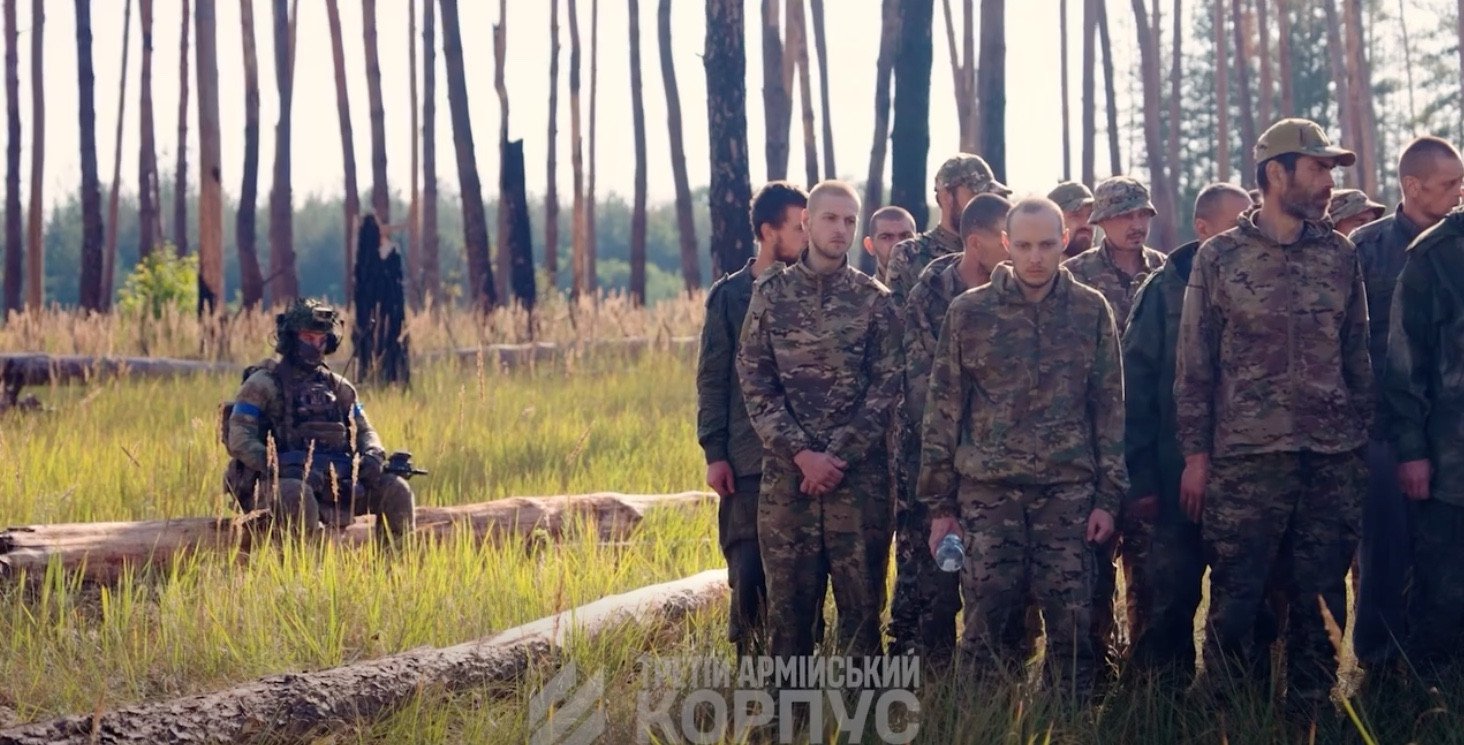
Another case of exceptionally heavy losses is Operation Vivaldi. The command of Ukraine’s Third Army Corps has now disclosed details of three of the operation’s four phases. During those phases, on one axis in the Donetsk region, the Russian military lost more than 5,000 troops killed and wounded, while another 250 were taken prisoner. And this is just one relatively small section of a front stretching more than 1,000 kilometers.
Total Russian military losses since the beginning of the year already stand at around 300,000 troops, with another three months of intense fighting still ahead. And as Ukraine expands its Middle Strike drone capability, Russian soldiers are being killed not only directly along the line of contact but also at headquarters and deployment sites as far as 200 kilometers behind the front. Today, there is essentially no safe place for them anywhere in Russian-occupied Ukrainian territory.
Russia’s failed offensives
Despite the record losses, the Russian military command has so far failed to achieve any significant results.
In the spring, Moscow lost more than 100,000 troops and had no significant gains to show for it.
In the summer, losses exceeded 120,000, again without substantial results.
September brought record losses and, apparently, the failure of Russia’s fall offensive campaign.
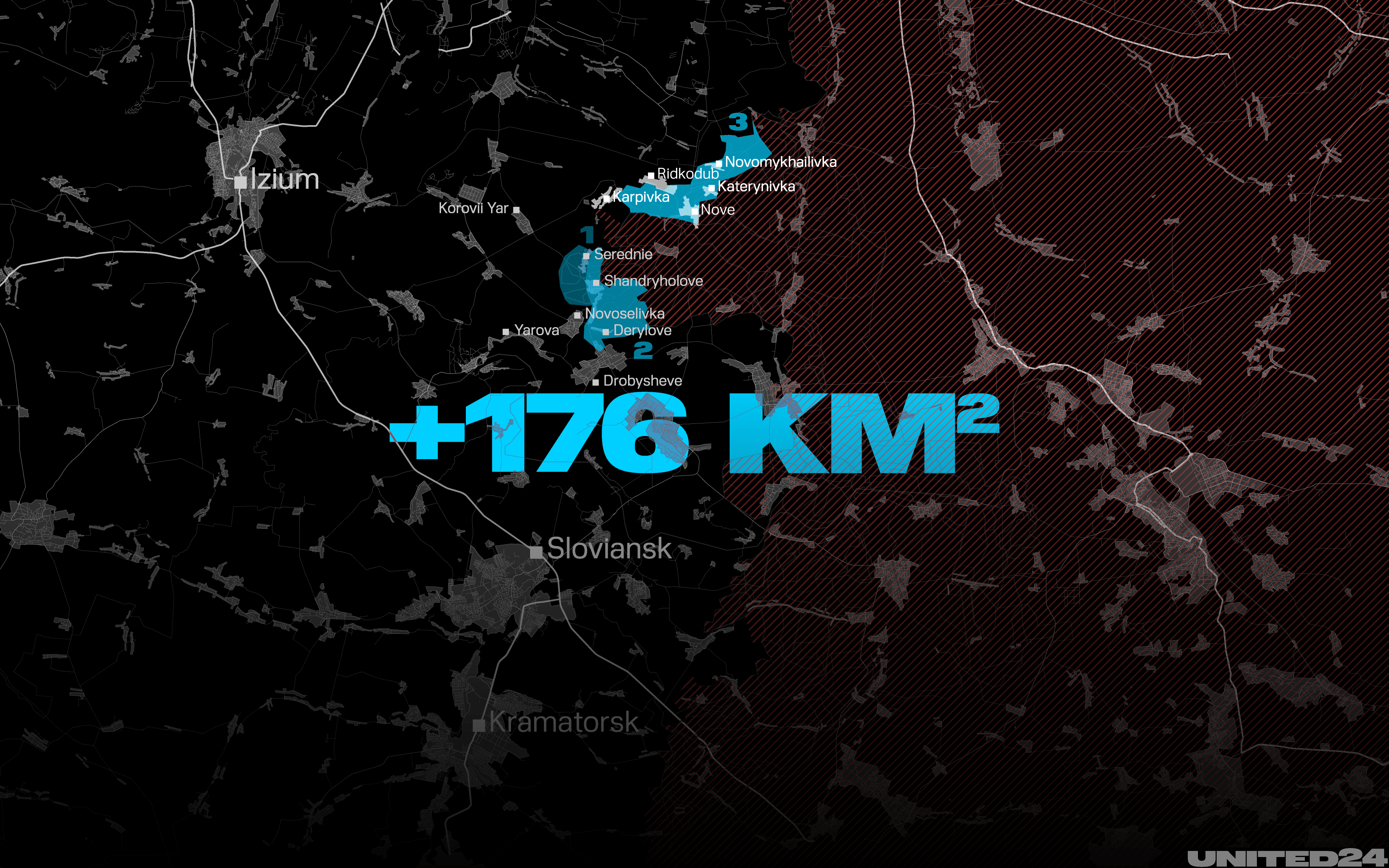
Ukraine has not only established an active and effective defense but is also conducting successful counteroperations. By the end of the first half of 2026, Ukraine was known to have regained control of around 800 square kilometers of territory. Operation Vivaldi has already resulted in the retaking and liberation of 176 square kilometers.
Moreover, the reality on the ground suggests that the Kremlin is living inside an illusion created by its own misinformation.
OSINT analyst Clément Molin conducted his own research, comparing maps published by Russian “OSINT-adjacent” channels and bloggers with the actual situation on the battlefield. He found that the Russian military actually controls more than 5,000 square kilometers less Ukrainian territory than it claims. For example, Moscow continues to claim control over Sviatohirsk and Kupiansk, even though Russian forces are in reality many kilometers away from those cities.
At the same time, the Russian military continues to apply pressure and has ambitious plans to seize the Donetsk region within the next three to six months. At present, that objective bears little resemblance to the reality on the ground, where Russia is sustaining record losses with virtually no gains. At such a moment, it is crucial for Ukraine not to be left without the support of its partners, whose assistance helps sustain the country’s defense and maintain the active pace of offensive operations by the Armed Forces of Ukraine.
Discuss this article:
-4a56a6b482ec132402c16ef6fcabf9a2.png)

-c439b7bd9030ecf9d5a4287dc361ba31.jpg "Photo of Katherina Popilnichenko")