- Category
- War in Ukraine
Ukraine Hits 10% of Russia’s Oil Refining Capacity in Just 72 Hours
 Prefer U24 Media on Google
- Authors


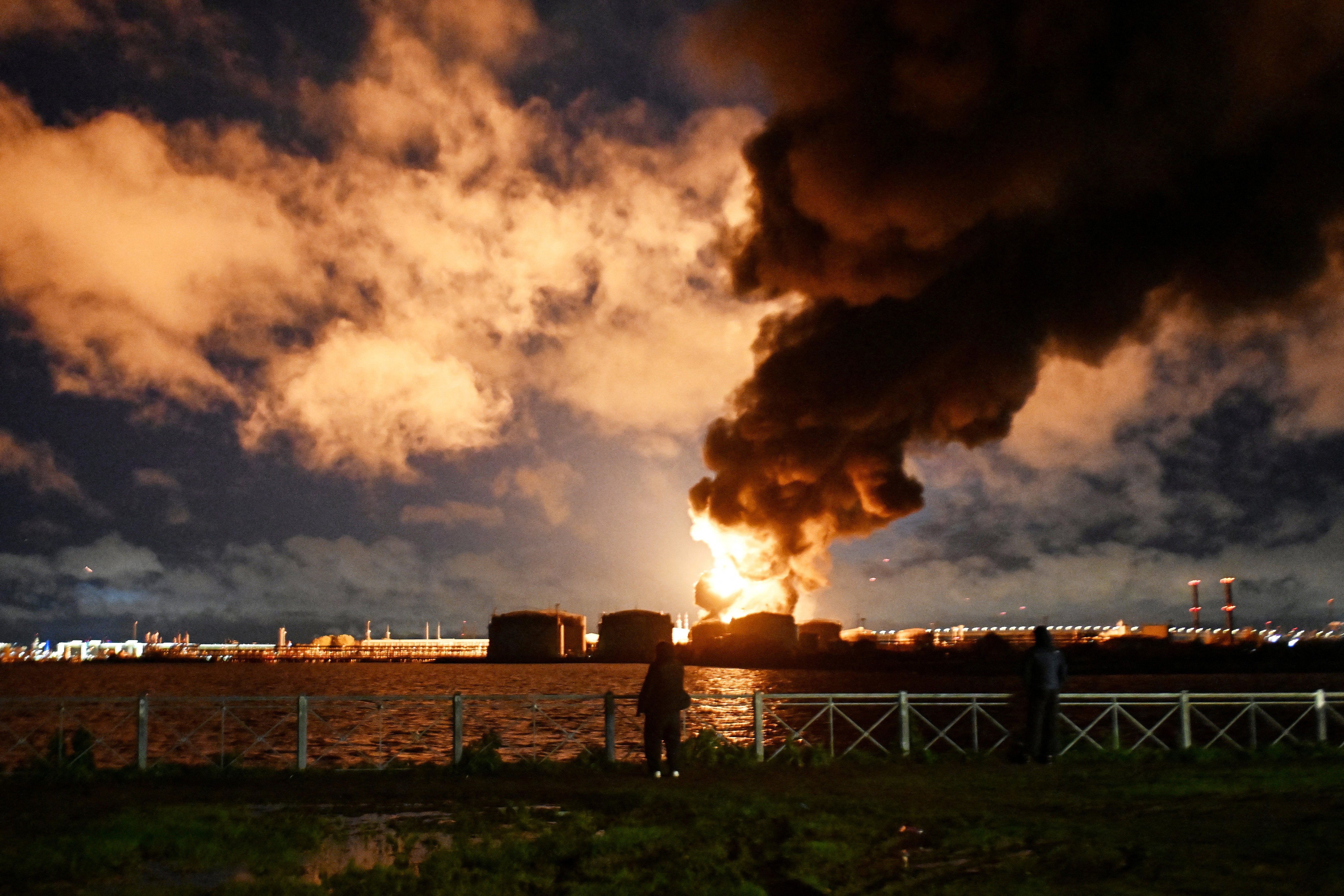
Ukrainian drone strikes targeted three major Russian oil refineries over three consecutive nights, hitting facilities that together account for approximately 10% of Russia’s total oil refining capacity.
We bring you stories from the ground. Your support keeps our team in the field.
According to Ukrainian OSINT monitoring group Dnipro Osint on November 1, the attacks targeted the Novokuybyshevsk refinery in the Samara region, the Bashneft-Novoil facility in Ufa, and the LUKOIL refinery in Kstovo, Nizhny Novgorod region.
The three facilities have a combined annual processing capacity of approximately 33 million metric tons of crude oil. The figure represents the share of Russian refining capacity targeted, rather than independently confirmed production losses.
Ukrainian defense manufacturer Fire Point confirmed its involvement in the strikes on the Kstovo and Novokuybyshevsk refineries. According to the company, Ukrainian forces used FP-1 drones to target the Novokuybyshevsk facility, striking multiple locations, including a diesel hydrotreating unit.
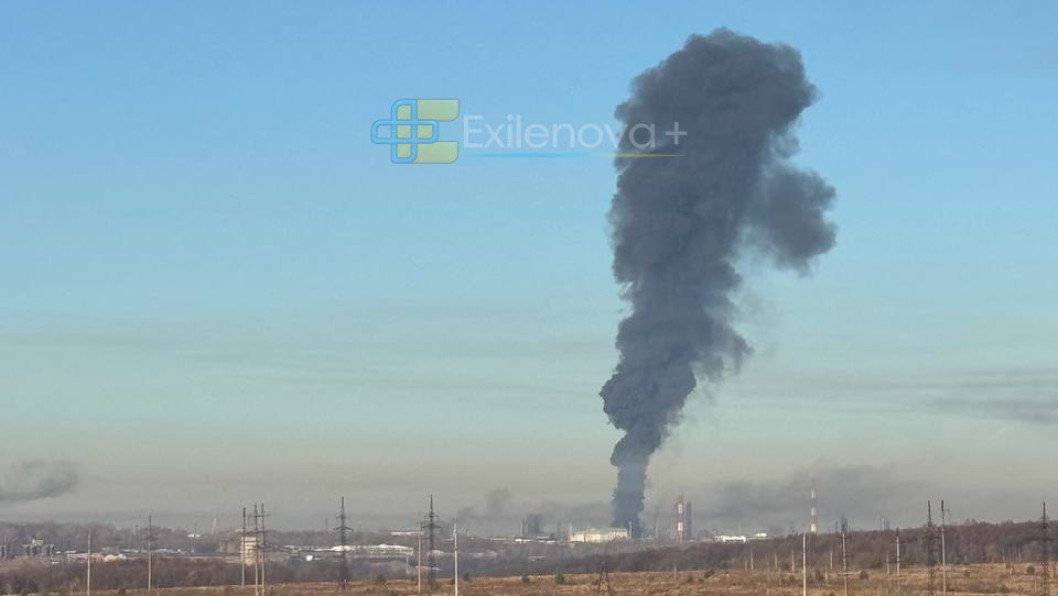
The first attack occurred overnight on October 30, when Ukrainian drones struck the Novokuybyshevsk refinery in Russia’s Samara region, triggering a fire at the facility.
Operated by Rosneft, the refinery can process approximately 8.8 million metric tons of crude oil annually and produces petroleum products, including aviation fuel.
On October 31, drones targeted an industrial area in Ufa, the capital of Russia’s Republic of Bashkortostan, where the Bashneft-Novoil refinery is located. The facility has an annual primary refining capacity of approximately 7 million metric tons.
The third strike took place overnight on November 1, targeting the LUKOIL-Nizhegorodnefteorgsintez refinery, also known as NORSI, in Kstovo. A large fire was reported following the attack.
NORSI is among Russia’s largest oil refineries, with a designed annual processing capacity of approximately 17 million metric tons.
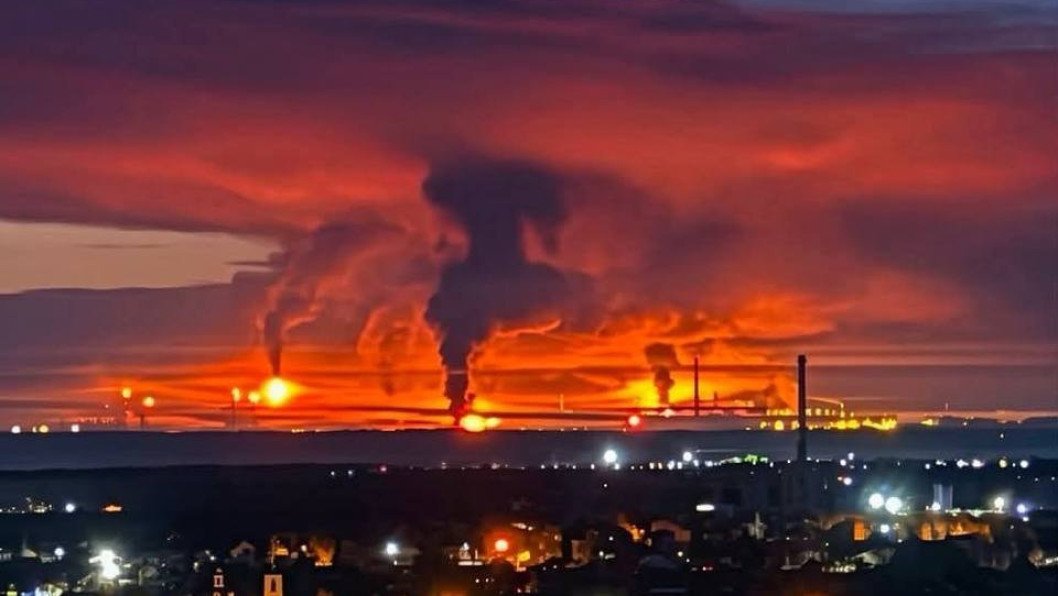
Dnipro Osint reported that the strikes affected multiple processing installations, including equipment used for both primary crude oil distillation and secondary refining operations. However, the full extent of the damage and the resulting reduction in operational capacity have not been independently verified.
The renewed attacks followed a reported two-week pause in Ukrainian strikes against Russian oil refineries. According to Dnipro Osint, Kyiv had refrained from targeting these facilities at the request of the US administration as part of an informal arrangement described as an energy ceasefire.
The monitoring group stated that Russian missile and drone attacks against Ukrainian infrastructure continued during that period, disrupting electricity, heating, and water supplies.
Earlier, on October 15, Ukrainian President Volodymyr Zelenskyy announced that Kyiv had lifted restrictions on strikes against Russian oil refineries after observing a three-day pause requested by Washington.
Discuss this article: