- Category
- World
Ukraine’s Strikes Leave Russia’s Yandex Cloud With 2.84% of Affected Customer Data Lost Forever
 Prefer U24 Media on Google
- Authors



Russian technology company Yandex has permanently lost 2.84% of customer data stored on its Yandex Cloud platform following Ukrainian strikes on data centers.
In an official statement on November 10, Yandex Cloud confirmed that it had restored access to 97.16% of customer data affected by the incident. However, the remaining 2.84% is considered permanently lost.
We bring you stories from the ground. Your support keeps our team in the field.
According to the company, recovery is impossible because of critical damage to equipment and the lack of backup copies on the platform.
Yandex clarified that customers who had previously enabled the platform’s backup tools did not experience any data loss, as their information remained fully preserved. The incident has prompted the company to revise its approach to data protection and disaster recovery, particularly the default settings for cloud infrastructure.
Under the updated policy, automatic backups will be enabled by default whenever customers create new virtual machines on Yandex Cloud. Users will retain the option to disable the feature manually through the management console.
In addition to changing its backup policy, Yandex Cloud announced the launch of a new availability zone, designated ru-central1-f. The new availability zone operates from a separate location, improving the resilience and reliability of the services.
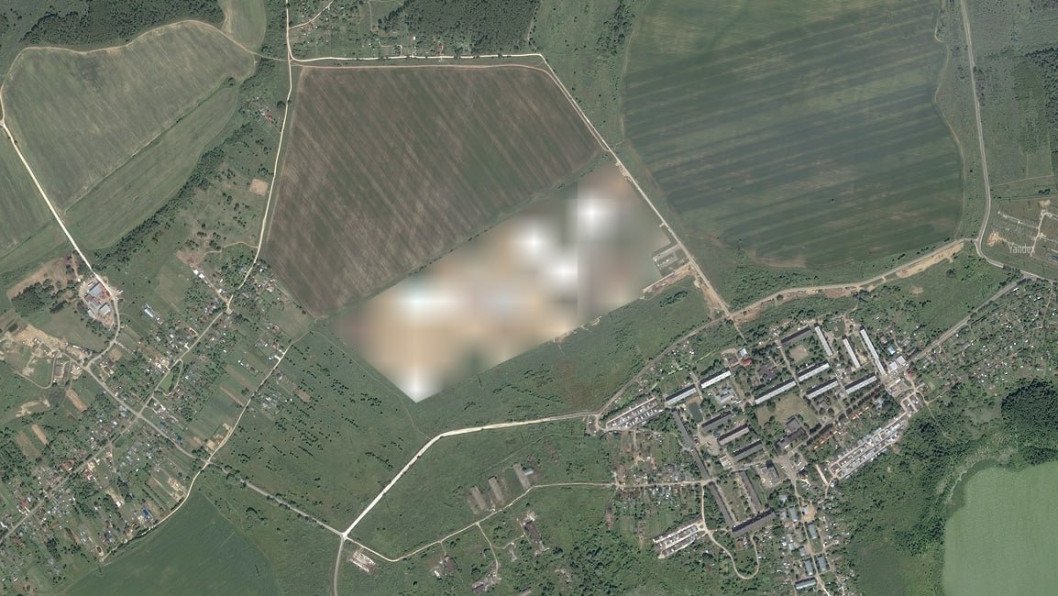
The attacks began overnight on October 8, when Ukrainian drones targeted Yandex’s data center in Sasovo, in Russia’s Ryazan region. Operating since 2014, the facility houses two of the company’s three supercomputers: Chervonenkis, capable of reaching 29.42 petaflops, and Lyapunov, with a peak performance of 20.03 petaflops.
The strikes continued on October 9, when Ukrainian drones hit another Yandex data center in the Grabtsevo industrial park in Russia’s Kaluga region. The company identifies the facility as its largest data center and one of the biggest in the country.
Two days later, on October 11, a third attack targeted Yandex’s data center in the Vladimir region. The site accommodates Galushkin, the company’s third supercomputer, which has a maximum computing capacity of 20.64 petaflops.

As a result, some companies have begun exploring alternatives outside Russia, with demand for foreign data-center capacity increasing following the October attacks.
ITGlobal.com Vice President for Cloud Services Yevgeny Svidersky told Russian newspaper Kommersant on November 10 that Russian businesses were showing particularly strong interest in data-center facilities in Kazakhstan.
Two other industry sources confirmed that some companies had already begun relocating their operations to foreign facilities. According to market participants, the growing threat of damage to Russian data centers has become a significant factor influencing these decisions, as businesses seek to minimize the risk of service interruptions and potential data losses.
Discuss this article: