- Category
- World
Russia's "Fishing" Boats May Be Hunting Undersea Cables Instead of Fish, NATO Official Warns
 Prefer U24 Media on Google
- Authors


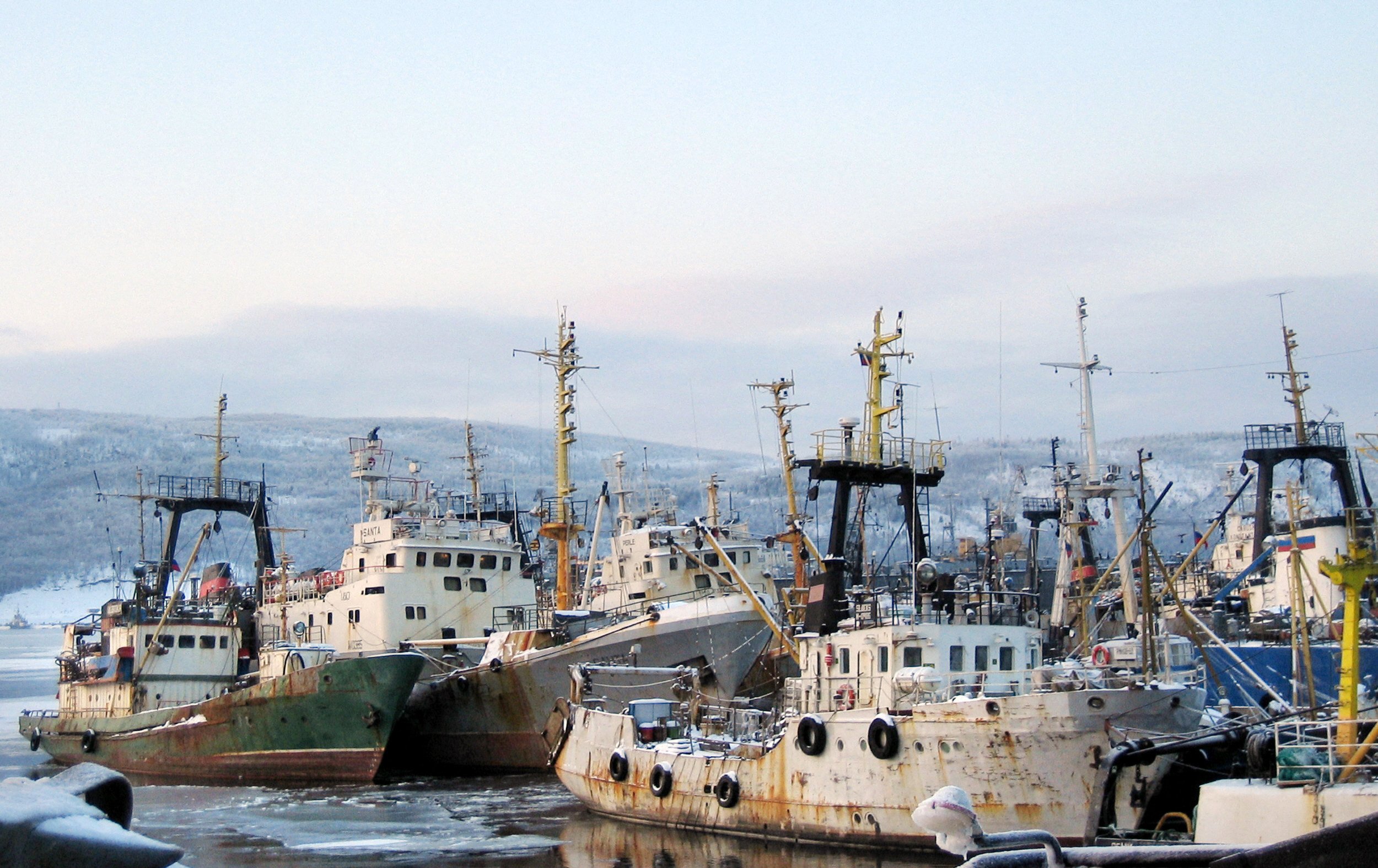
Russian fishing trawlers have made more than 500 suspicious movements above critical undersea communication cables connecting Britain with Europe and the US, potentially mapping infrastructure for future sabotage, The Telegraph investigation published on October 21 revealed.
The outlet analyzed 4.5 years of vessel-tracking data from Global Fishing Watch. The investigation identified 17 Russian fishing vessels repeatedly operating at low speeds near important telecommunications cables in the North Atlantic.
We bring you stories from the ground. Your support keeps our team in the field.
"Some of these ships have never seen a single fish on their deck," an unnamed NATO official told The Telegraph, suggesting that some vessels may be operating under the cover of commercial fishing.
The investigation documented suspicious activity north of Scotland, where Russian trawlers spent 337 hours near the Atlantic Crossing 1 telecommunications cable, including 322 hours in April 2023 alone.

One vessel changed direction ten times while following a 25-kilometer section of the cable. According to The Telegraph's analysis, the same ship approached nine separate undersea cables connecting Western Europe with the US over four years.
Other vessels reportedly operated near the Hibernia Express, Shefa-2, Amitié, and Google's Grace Hopper cables.
Naval experts explained that fishing trawlers could use sonar equipment and remotely operated underwater vehicles to map seabed cables. Such information could help Russian intelligence identify vulnerable sections for potential sabotage.
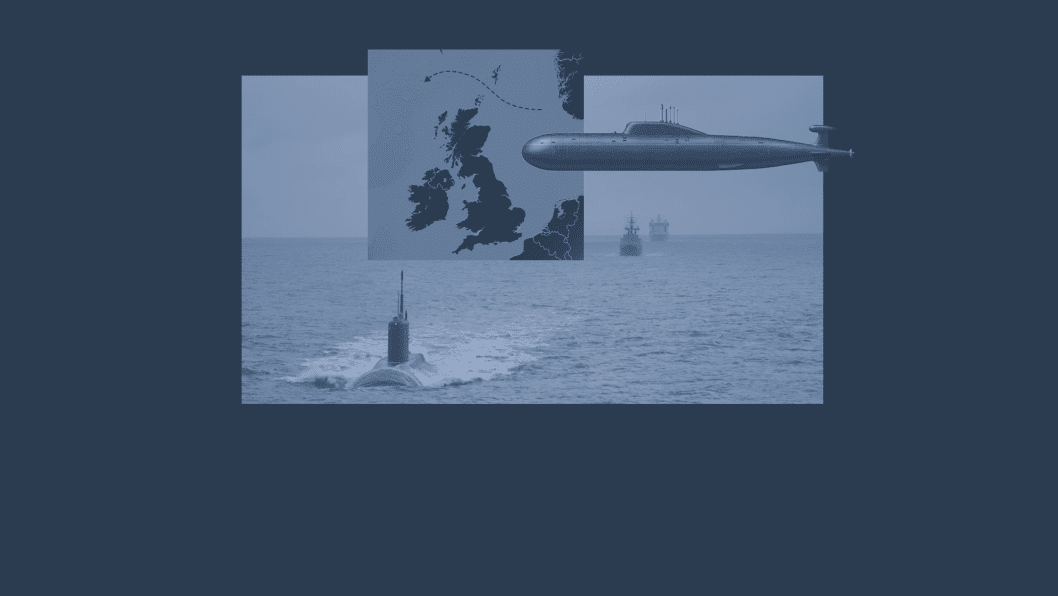
Royal Navy chief General Sir Gwyn Jenkins has warned that Russia is increasingly probing undersea infrastructure. The Telegraph noted that disrupting these connections could affect banking, healthcare, transportation, and international communications.
However, the vessel-tracking data do not establish that the identified trawlers engaged in espionage or damaged cables.
Russia's interest in undersea cables has extended beyond fishing fleets to its specialized deep-sea forces. In spring 2026, British, Norwegian and US forces confronted submarines from GUGI, Moscow's Main Directorate of Deep-Sea Research, that were rehearsing a previously unknown weapon designed to sever cables near Svalbard without leaving traceable evidence.
The drill targeted the two fiber-optic lines linking Svalbard to mainland Norway, and the Russian vessels withdrew without damaging any cables. In April 2026, Britain also disclosed a covert operation near its waters involving an Akula-class submarine and two GUGI deep-sea vessels that threatened energy pipelines and data cables.
Discuss this article: