- Category
- World
What Is Russia’s Secret Undersea Cable Weapon and Why Does NATO Fear It?
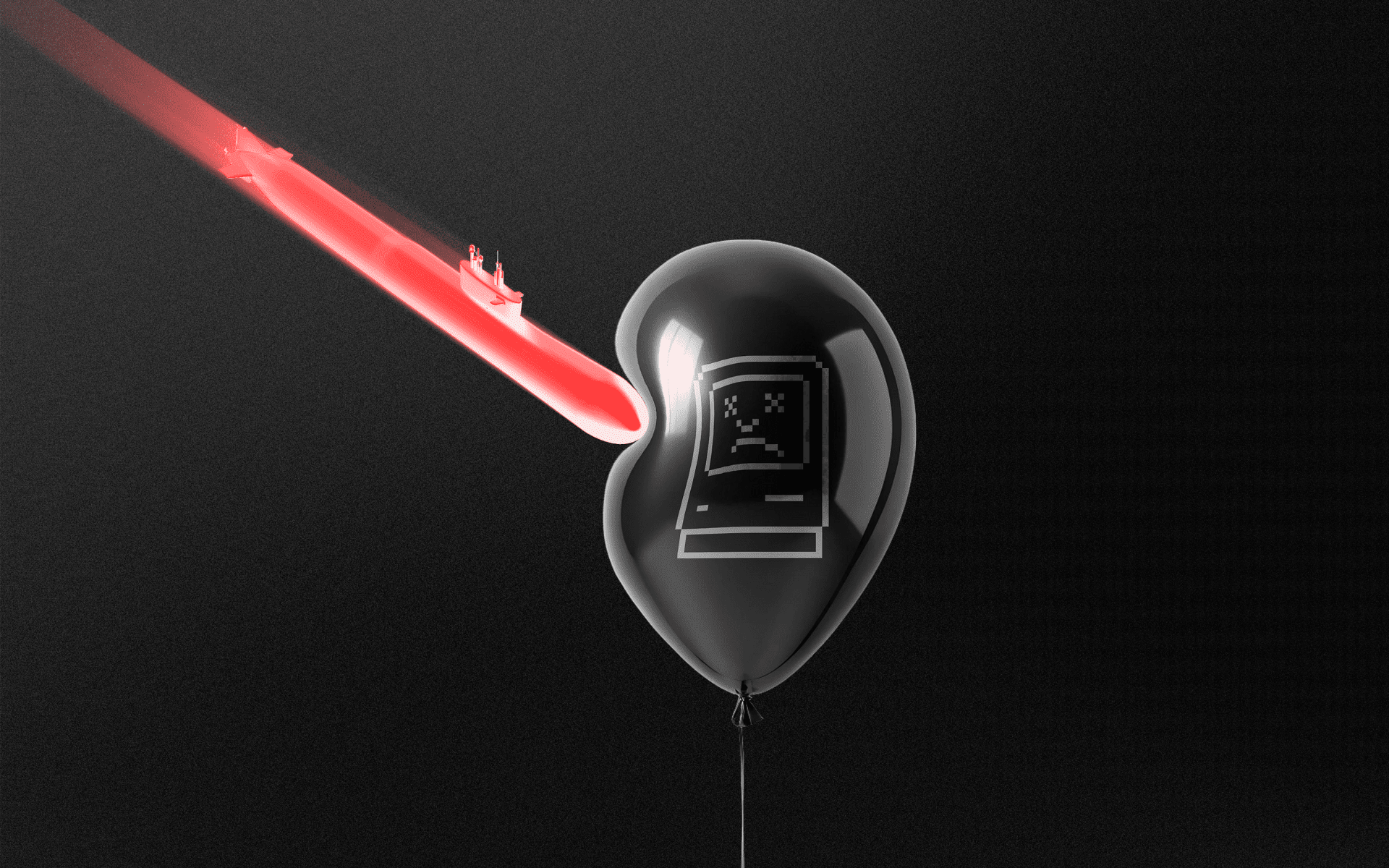
An unknown Russian undersea weapon has reportedly been caught operating near critical seabed cables—but what is this system, how does it attack infrastructure on the ocean floor, and why has it put NATO on alert?
 Prefer U24 Media on Google
- Authors

-111f0e5095e02c02446ffed57bfb0ab1.jpeg "Photo of Roman Kohanets")
NATO allies confronted Russian submarines training to deploy a previously unknown weapon built to sever undersea cables in Arctic waters near Svalbard this spring, Reuters reported on September 10. The weapon was designed to disable the cables without leaving any traceable fingerprints.
We bring you stories from the ground. Your support keeps our team in the field.
The operation's precise location and the United States' involvement had not been disclosed until now. Britain and Norway acknowledged in April that they had uncovered covert Russian activity in Arctic waters, but the new technology, the site of the exercise and Washington's role emerged only with the latest reporting.
The clandestine operation was carried out by GUGI, Moscow's Main Directorate of Deep-Sea Research, which used deep-sea submersibles to simulate deploying the technology, the officials stated. A joint effort involving Britain, Norway and the US tracked and confronted the Russian vessels at sea. The submarines were prevented from completing their exercise and eventually left the area.
"Through our joint operation, we sent a clear message to Russia that they cannot operate covertly," Norway's Defense Minister Tore Sandvik declared in a statement. "We have made it unequivocally clear to Russian authorities that any attempt to target our critical infrastructure will be detected and met with consequences," he added.
OSINT project WarMonitor, citing Reuters, added that British, Norwegian, and US forces disrupted the exercise this spring, forcing the Russian vessels to withdraw.
UK, Norwegian and US forces disrupted a Russian deep-sea operation near Svalbard this spring, Reuters reports.
— WarMonitor🇺🇦🇬🇧 (@WarMonitor3) September 10, 2026
GUGI vessels were rehearsing an attack on the cables linking SvalSat to Norway, and were forced to withdraw. pic.twitter.com/ccCDc4AkVz
Russia damaged no cables, and the drill focused on rehearsing deployment in the event of a conflict with NATO, the officials noted. British and Norwegian representatives took their findings to Moscow to signal their awareness of the technology, hoping the disclosure might make the Kremlin hesitate to use it.
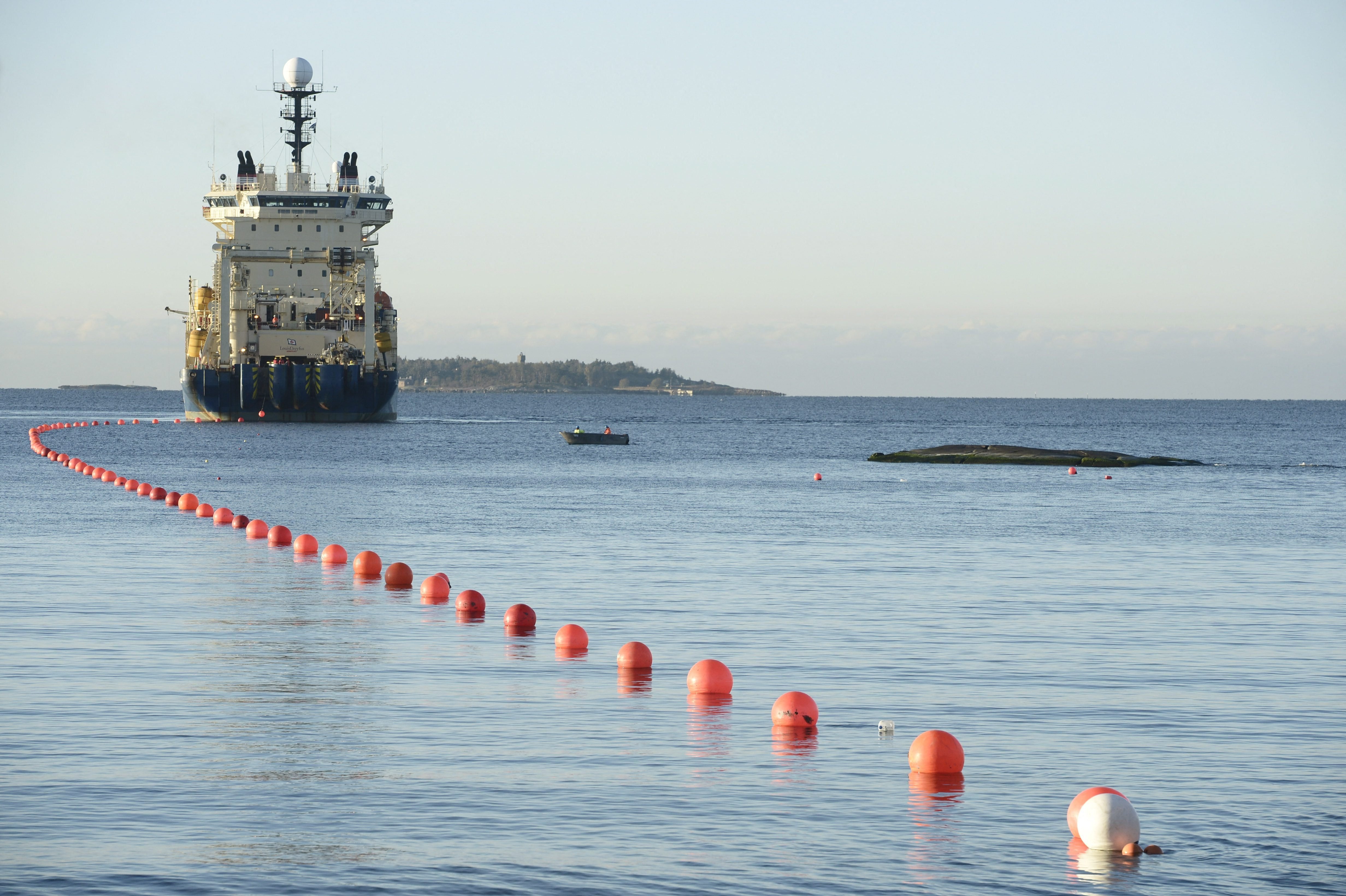
The cables at the center of the operation are no thicker than a garden hose yet underpin global internet connectivity and financial transactions, Reuters reported. Two 1,400-kilometer fiber-optic lines link Svalbard to mainland Norway, lying as deep as 2,700 meters below the surface.
They carry vast volumes of data downloaded at the SvalSat ground station, described as the world's largest and part of NASA's Near Space Network. Norway plans to complete a new fiber-optic cable connecting Svalbard and Jan Mayen to the mainland by 2028.
The face-off underscored the strategic value of the Bear Gap, one Western official indicated. The 400-mile-wide stretch between southern Svalbard and mainland Norway is a corridor that Russian nuclear submarines from the Kola Peninsula must cross to reach the Atlantic. Britain deployed forces to the volcanic island of Jan Mayen in August alongside Norwegian and US allies to demonstrate NATO's ability to operate jointly in the High North.
The confrontation comes as some Western intelligence officials fear the Kremlin is intensifying sabotage across Europe and preparing for a possible clash with NATO, Reuters reported. Three US officials indicated that analysts are increasingly concerned Moscow may test the alliance's mutual-defense pact, Article 5, with subsea cables a likely target of any such effort.
In August, CIA Director John Ratcliffe visited intelligence counterparts in Moscow, in part to warn against escalating sabotage operations in Europe, according to two people familiar with the matter.
Russia's Defense Ministry did not respond to a request for comment, and the Kremlin consistently denies conducting sabotage in NATO countries or plotting any confrontation.
Earlier this year, GUGI's activity had already surfaced in foreign waters. In April 2026, Britain disclosed a covert Russian submarine operation near UK waters that threatened energy pipelines and data cables, involving an Akula-class submarine and two deep-sea submarines tied to the same directorate.
Undersea cables carry roughly 99% of the UK's international telecommunications and data traffic, and London subsequently committed an additional $136 million for P-8 submarine-hunting aircraft as suspicious Russian vessel activity increased.
Discuss this article:
-9a7b3a98ed5c506e0b77a6663f5727c5.png)


-c439b7bd9030ecf9d5a4287dc361ba31.jpg "Photo of Katherina Popilnichenko")



-72b63a4e0c8c475ad81fe3eed3f63729.jpeg "Photo of Cyril Barabaltchouk")