- Category
- World
Russia Slashes Social Programs and Healthcare to Fund Record 2027 Military Expansion
 Prefer U24 Media on Google
- Authors


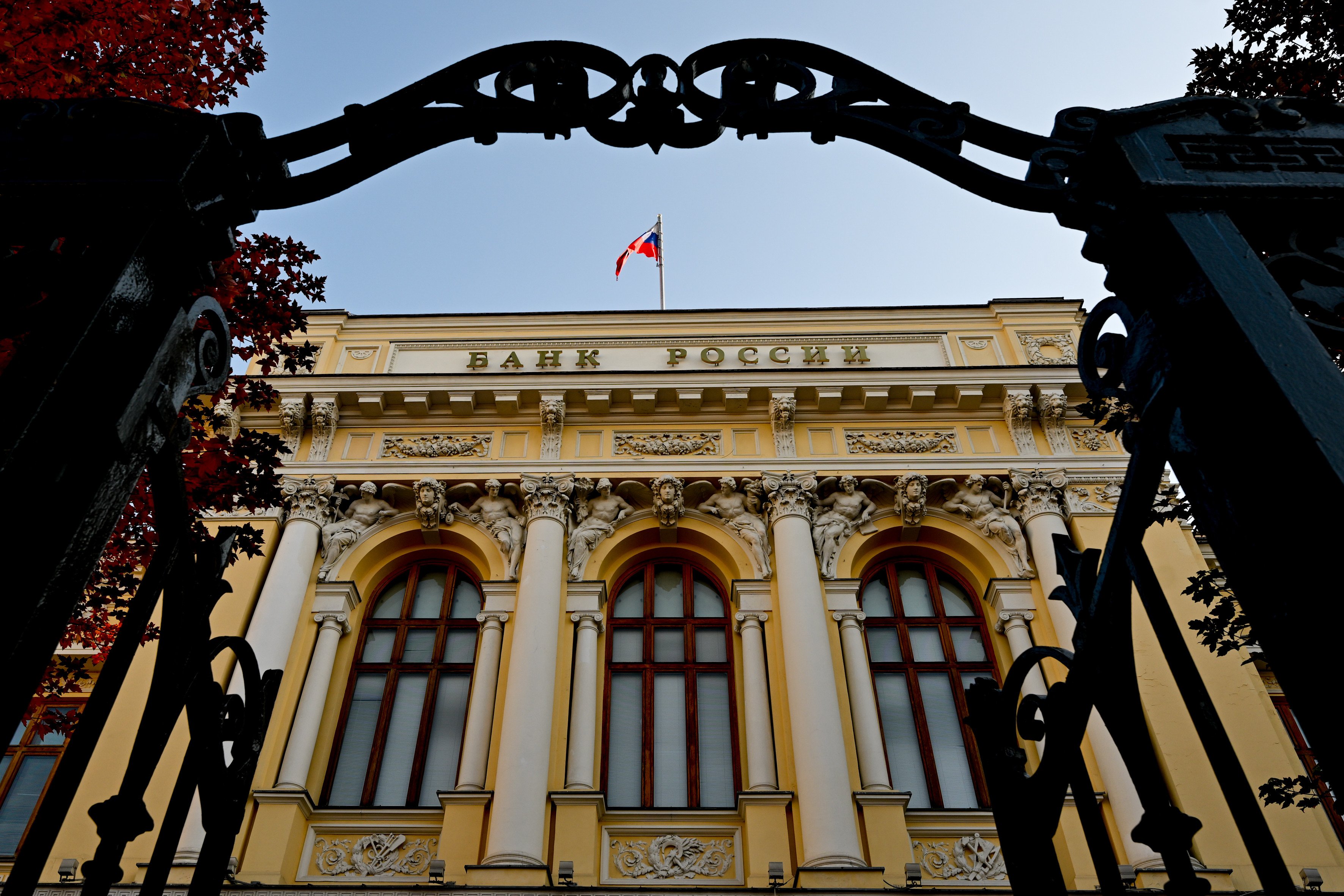
Russia’s State Duma has approved a federal budget for 2027 through 2029 that allocates 21.3 trillion rubles ($259.2 billion), or 44% of all federal spending, to the military and security forces next year, marking the highest level of defense expenditure since the Soviet era, according to The Moscow Times on November 19.
Passed in its second and main reading, the legislation directs 35% of total budget funds—roughly every third ruble—specifically toward the army and weapons procurement in 2027.
We bring you stories from the ground. Your support keeps our team in the field.
Spending under the “National Defense” category is set to rise by 32%, increasing from 12.9 trillion rubles ($157 billion) in 2026 to 17.1 trillion rubles ($208.1 billion) next year. An additional 4.6 trillion rubles ($56 billion) is earmarked for national security, a 7.6% increase over current levels that funds the Ministry of Internal Affairs and special services.
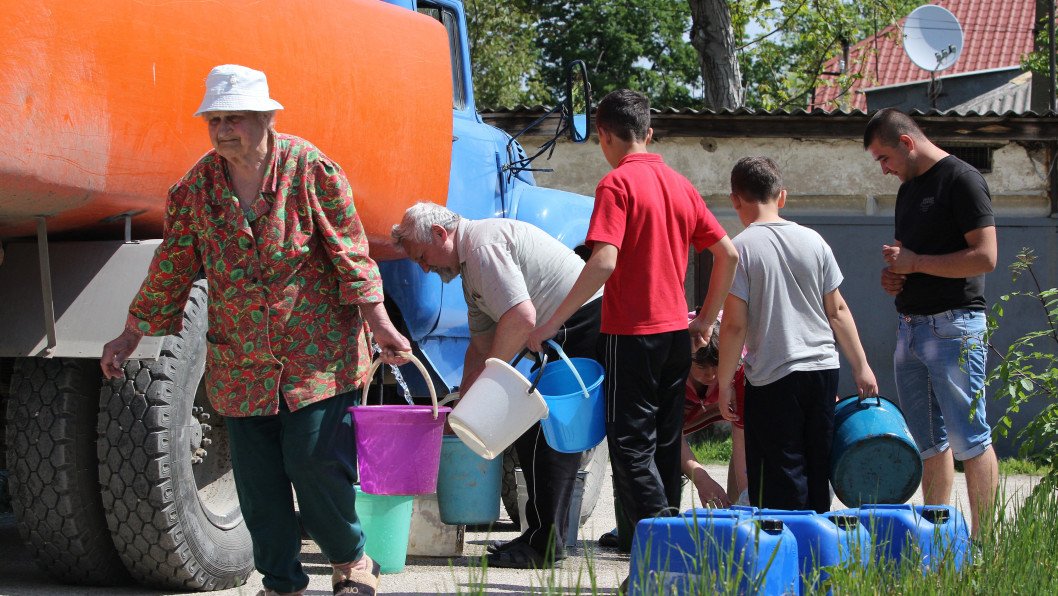
While military outlays grow, the Russian government plans to reduce funding across key civilian sectors. Support for the national economy will drop by 3% to 4.62 trillion rubles ($56.2 billion), and spending on housing and utilities will fall by 8% to 1.83 trillion rubles ($22.3 billion).
Social programs also face reductions, with healthcare funding decreasing by 3% to 1.81 trillion rubles ($22 billion) and social support, including pension payments, dropping by 6% to 6.65 trillion rubles ($80.9 billion), as reported by The Moscow Times.
To help finance the military expansion, Moscow will introduce higher taxes starting in 2027. Gold mining companies and non-ferrous metal producers will face a new windfall profit tax, while the maximum personal income tax rate on passive income, such as interest from bank deposits, will rise to 22%. The value-added tax on purchases from foreign online stores will also increase to 22%.
The Russian Finance Ministry estimates these tax measures will generate 1.5 trillion rubles ($18.3 billion) in 2027 and another 2.2 trillion rubles ($26.8 billion) across 2028 and 2029.
Despite the added revenue, the federal budget is projected to remain in deficit, reaching 5.4 trillion rubles ($65.7 billion) in 2027, 5.1 trillion rubles ($62.1 billion) in 2028, and 5.2 trillion rubles ($63.3 billion) in 2029. For the current year, the Finance Ministry calculates the shortfall could reach 7.3 trillion rubles ($88.8 billion), double its initial forecast.
Adjusted for inflation, real spending on unprotected budget items will shrink by roughly 12% in 2027, pushing the share of civilian expenditure down to 9% of GDP—the lowest level since 2005.
Since the start of Russia’s full-scale invasion of Ukraine in 2022, Moscow has also failed to complete more than 290 federal construction projects worth 9.5 trillion rubles ($115.6 billion), including roads, hospitals, and industrial facilities, The Moscow Times reported.
According to The Moscow Times on October 20, Russia’s Central Bank has been selling gold from its reserves for ten consecutive months to help cover a widening federal budget deficit, projected to reach 7.3 trillion rubles ($81.1 billion) this year, twice the amount initially anticipated.
The latest reduction brought the country’s total gold reserves to 72.8 million ounces, their lowest level since late 2019.
Discuss this article: