- Category
- World
Russia Makes Largest Gold Sell-Off Since 1998 Default to Fund Putin’s War Budget
 Prefer U24 Media on Google
- Authors


The Central Bank of Russia has been unloading gold from its state reserves for ten straight months to plug a budget shortfall expected to reach 7.3 trillion rubles ($81.1 billion) this year, double initial projections, The Moscow Times reported on October 20.
September statistics released by the regulator show holdings fell by another 0.2 million troy ounces (around 6.2 metric tons), driving total reserves down to 72.8 million ounces—the lowest level recorded since late 2019.
We bring you stories from the ground. Your support keeps our team in the field.
Since December, when the central bank initiated its largest liquidation effort in decades, total holdings have dropped by 2 million troy ounces, or roughly 62 metric tons.
International Monetary Fund data indicates that Russia has only offloaded gold at a faster pace once in modern history. During the 1998 financial crisis, which featured a sovereign default, currency collapse, and the breakdown of the state treasury bill pyramid, the central bank sold 3.8 million troy ounces (118 metric tons) over three months.
By the end of that year, authorities repurchased a portion of the bullion, bringing the net annual reduction to 1.6 million ounces (about 50 metric tons)—a smaller total drop than the current year's decline, according to The Moscow Times.
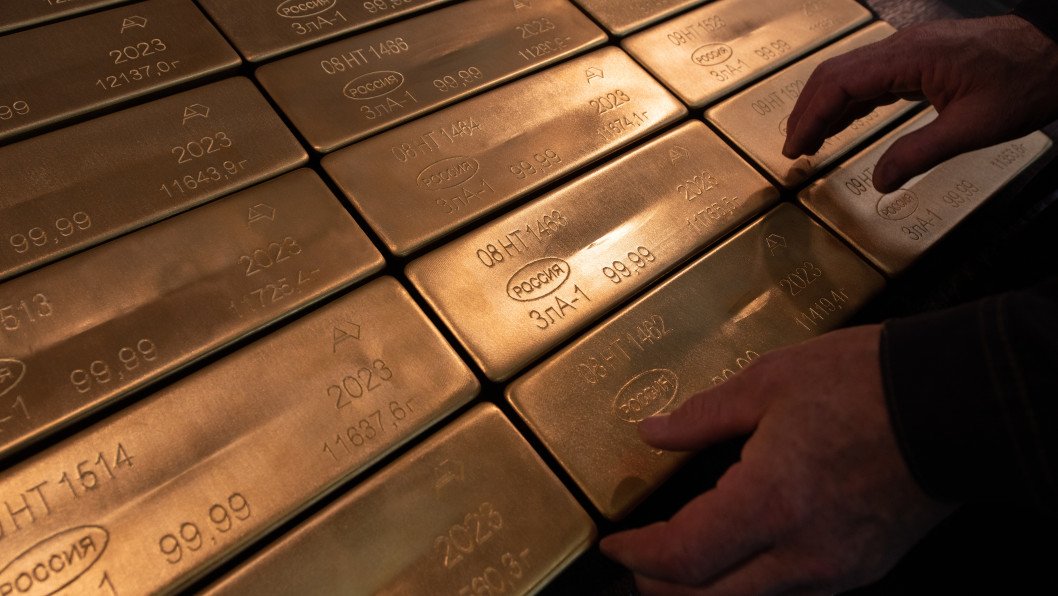
Following that late 1990s period, the Kremlin steadily expanded its stockpile, increasing reserves more than fivefold. By early 2022, holdings reached 74 million troy ounces, or 2,300 metric tons, representing the fifth-largest gold reserve globally.
Finam analyst Alexander Potavin noted that the Finance Ministry draws on accumulated reserves, including gold, to fund budget shortfalls when revenues lag, The Moscow Times reported. With oil and gas revenues declining in 2026, asset sales from the National Wealth Fund, including bullion, have intensified.
Potavin also highlighted that central bank gold sales help address foreign currency liquidity shortages, adding that strong global gold prices likely supported the decision to step up bullion sales.
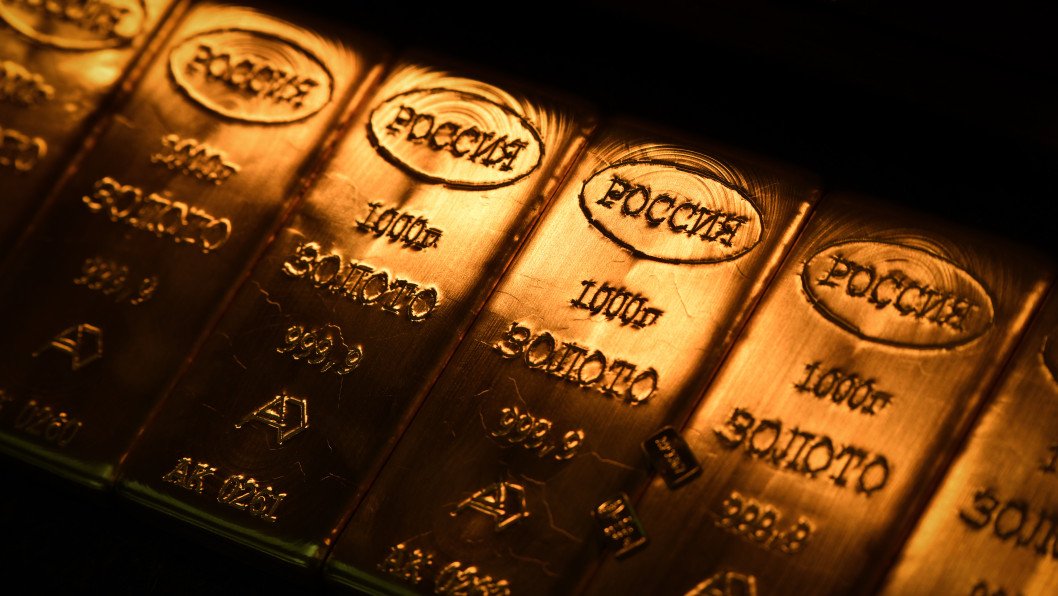
The Kremlin’s fiscal stability has faced unprecedented pressure as the 2026 budget cycle projects a deficit nearly double that of the previous year. In early March, Russian war spending officially surpassed all social welfare allocations, forcing the government to tap into the National Wealth Fund at a record pace.
Currently, as Russian leader Vladimir Putin seeks to maintain the offensive in Ukraine, the depletion of liquid assets in the “war chest” has left the Russian Central Bank with few options beyond the liquidation of its gold holdings and the remaining yuan reserves.
Discuss this article: