- Category
- World
Russian Gold Imports to Hong Kong Reach Record 100 Tonnes Amid Western Sanctions
 Prefer U24 Media on Google
- Authors

-72b63a4e0c8c475ad81fe3eed3f63729.jpeg "Photo of Cyril Barabaltchouk")
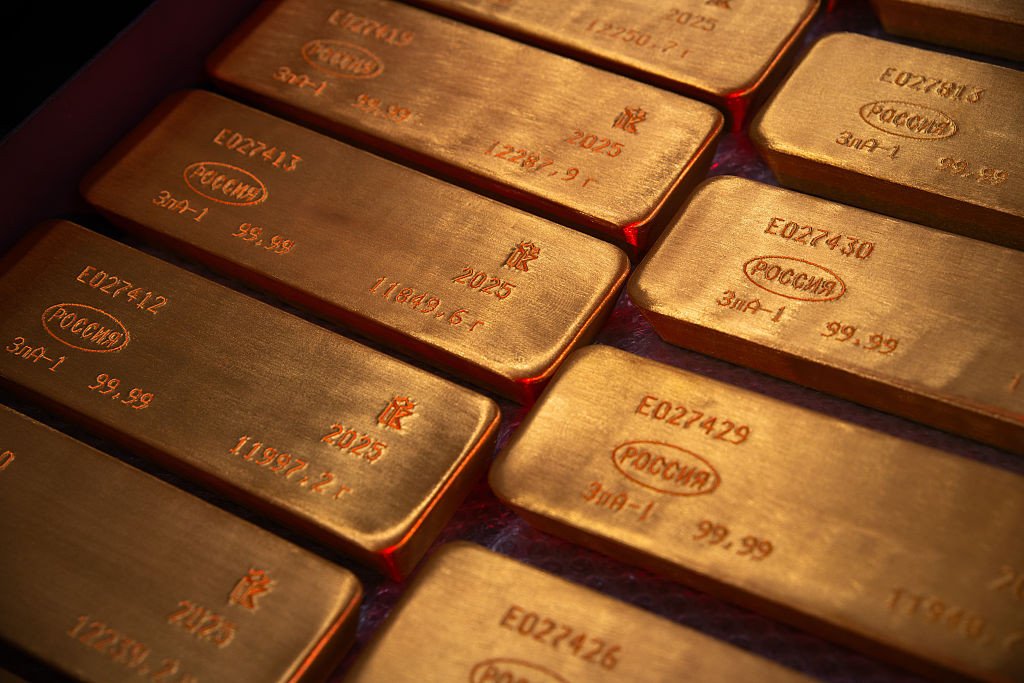
Russian gold shipments to Hong Kong reached a record high of nearly 100 tonnes during the first seven months of 2026, as Western sanctions continue to divert Russian bullion away from traditional financial centers like London and New York, the Financial Times reported on September 7.
Trade data shows that the volume of Russian gold imported by Hong Kong between January and July 2026 was nearly three times higher than during the same period in 2025.
We bring you stories from the ground. Your support keeps our team in the field.
Since the full-scale invasion of Ukraine in 2022—when the US and UK prohibited imports of Russian bullion—Hong Kong entities have purchased Russian gold valued at approximately 276 billion Hong Kong dollars ($35 billion), according to the Financial Times. Neither Hong Kong nor mainland China has imposed restrictions on Russian gold imports.
Most of the gold entering Hong Kong eventually moves into mainland China, the world’s largest producer and consumer of bullion. Because mainland China imposes strict import quotas, Chinese buyers routinely purchase and store bullion in Hong Kong, which operates without import restrictions, according to Debajit Saha, an analyst at the London Stock Exchange Group.
The surge in gold exports provides critical financial support for Moscow, the world’s second-largest gold producer, as it relies on commodity trade with China to sustain its wartime economy.
Concurrently, Hong Kong has worked to establish itself as a primary clearing hub for global bullion, piloting a new gold clearing system in July. Recent logistical disruptions in Dubai stemming from war in the Middle East have also driven additional gold trade toward Hong Kong, the Financial Times noted.
-b1b07a8438862bdb9dfd354f60194bee.png)
The rising volume of Russian bullion passing through Hong Kong presents severe compliance challenges for Western financial institutions. In 2024, the US Treasury sanctioned several Hong Kong-based entities for operating within a Russian gold laundering network.
“Western banks do face a real risk of inadvertent exposure,” Tan Albayrak, a sanctions specialist at law firm Reed Smith, told the Financial Times. “If the transaction chain involves a sanctioned producer, there would be exposure for indirectly dealing with that sanctioned producer.”
The record export volumes to Hong Kong coincide with a historic liquidation of Russia’s domestic reserves. The Central Bank of Russia’s gold holdings had recently fallen to 73.2 million troy ounces—approximately 2,280 tons—by August 1, reaching their lowest level since January 2020.
The reductions totaled roughly 50 tons over the first seven months of the year, dropping the value of the country’s stored gold reserves by $33.7 billion as the central bank liquidates assets to cover escalating federal budget demands.
Discuss this article:



-c439b7bd9030ecf9d5a4287dc361ba31.jpg "Photo of Katherina Popilnichenko")