- Category
- World
Kremlin Liquidates Gold Reserves to Historic Six-Year Lows Amid Escalating Budget Demands
 Prefer U24 Media on Google
- Authors

-c439b7bd9030ecf9d5a4287dc361ba31.jpg "Photo of Katherina Popilnichenko")
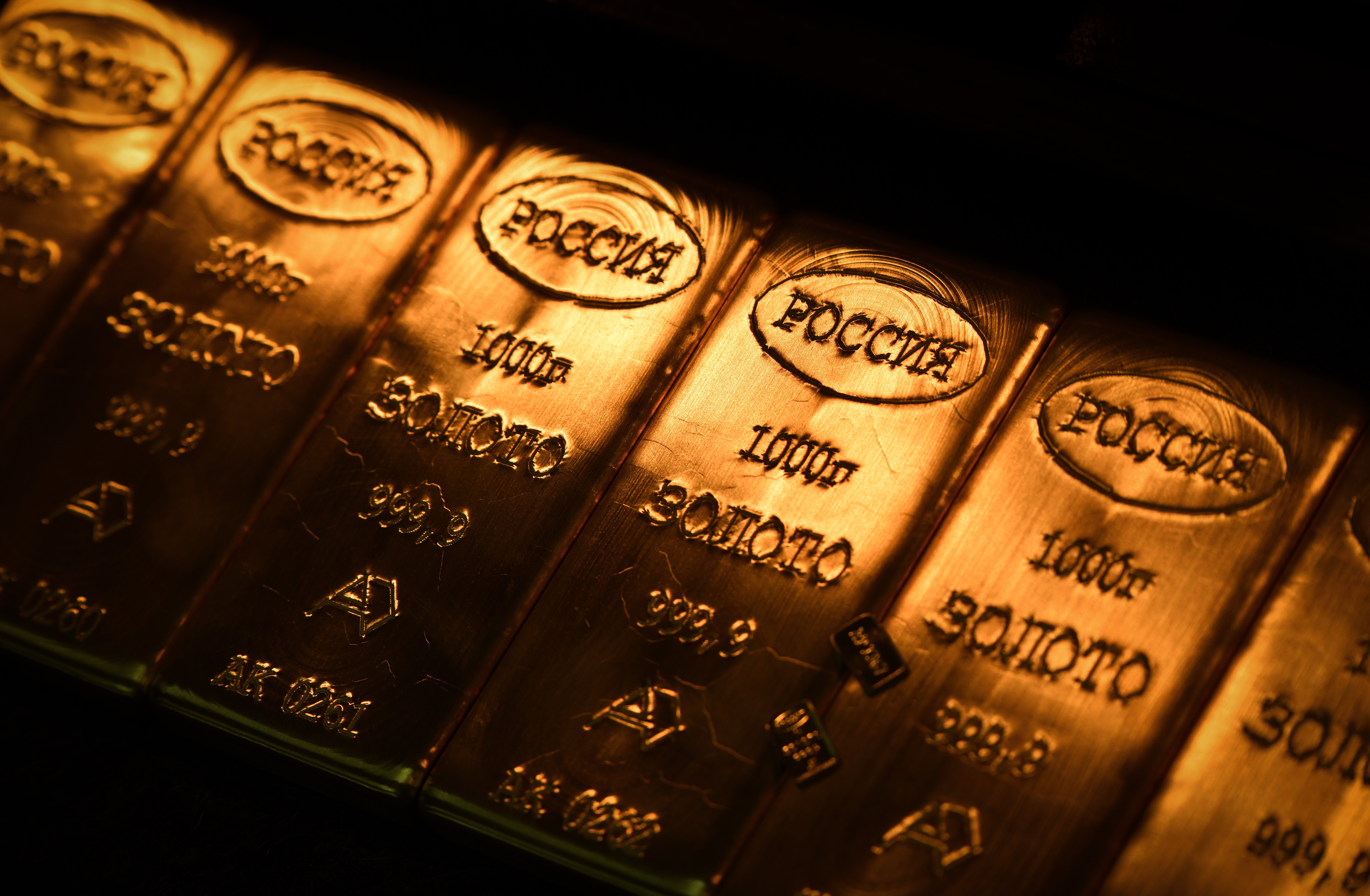
The Central Bank of Russia’s gold reserves fell to 73.2 million troy ounces, or 2.28 thousand tons, as of August 1, reaching their lowest level since January 2020, according to The Moscow Times on August 20.
Holdings declined by 0.2 million ounces in July alone, bringing total reductions since the start of the year to approximately 50 tons. The value of gold within the country's reserves dropped by $33.7 billion over the seven-month period.
We bring you stories from the ground. Your support keeps our team in the field.
The reduction marks a shift from a long stretch of steady accumulation. Russia was once the largest sovereign buyer of bullion globally before halting purchases in early 2020.
Central bank figures show that gold holdings stood at 75 million troy ounces at the beginning of 2025 and remained largely steady throughout that year.
However, reserves began declining steadily in 2026, falling from 74.8 million ounces on January 1 to 74.5 million on February 1, 74.3 million on March 1, 74.1 million on April 1, 73.9 million on May 1, 73.7 million on June 1, 73.4 million on July 1, and finally 73.2 million ounces on August 1.
The ongoing drop in holdings stems from domestic market transactions by the central bank that mirror the Ministry of Finance's operations with National Wealth Fund assets, as reported by The Moscow Times.
Analysts note that when oil and gas revenues fall short of target levels set by fiscal rules or when fund money goes toward domestic investments, the regulator conducts balancing operations using liquid reserve assets.
In this system, the central bank handles the technical side of the process rather than deciding on its own to cover budget shortfalls through metal sales.
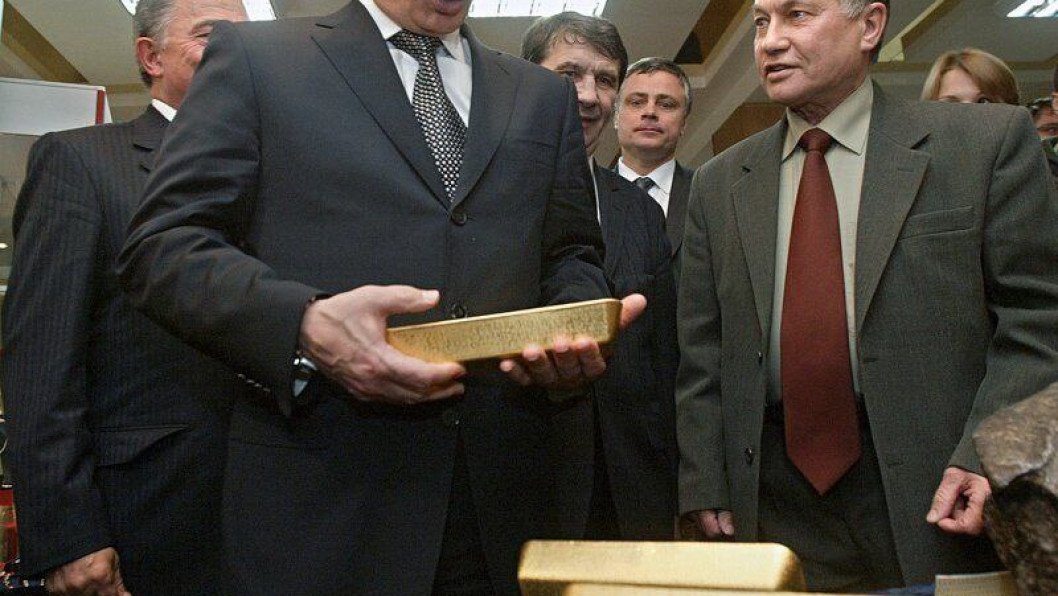
Physical gold has become a practical asset for these financial transfers because most of the stockpile is stored inside the country and remains directly accessible to officials.
Meanwhile, options for using foreign currency assets remain constrained following the freezing of roughly $300 billion in Russian offshore assets after Russia’s full-scale invasion of Ukraine. Economists point out that monetary authorities are seeking to avoid exhausting their remaining yuan holdings.
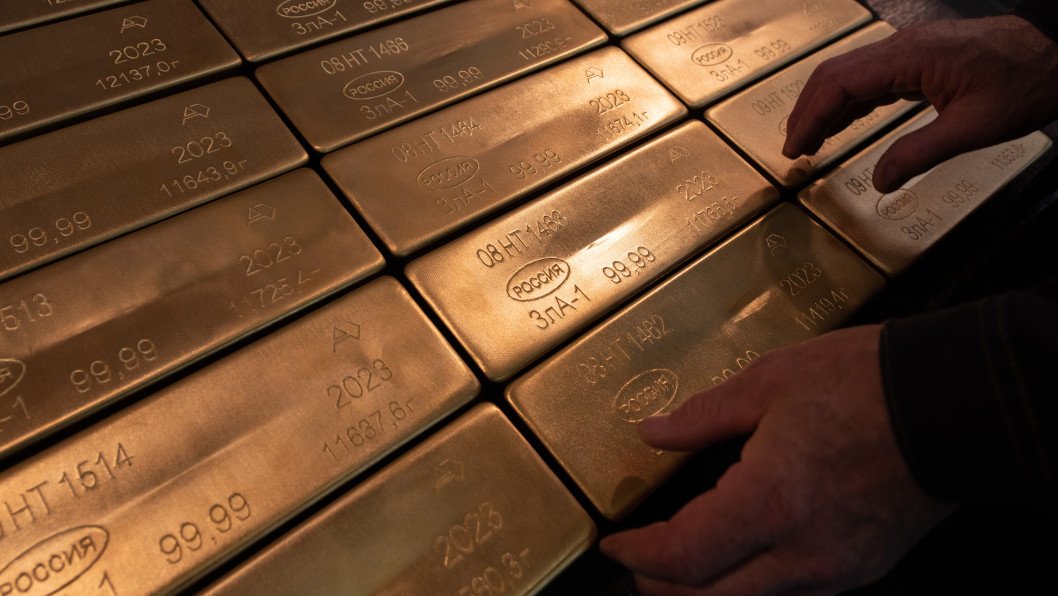
This rate of decline in national gold stocks stands out as nearly unprecedented in modern Russian history.
Data from the World Gold Council shows that the only comparable drop occurred in 2002, when holdings fell by 36.1 tons over a six-month span. By contrast, sales during the pandemic period were far smaller, totaling just 7.6 tons between July 2020 and April 2021.
The Kremlin’s fiscal stability has faced unprecedented pressure as the 2026 budget cycle projects a deficit nearly double that of the previous year. In early March, Russian war spending has officially surpassed all social welfare allocations, forcing the government to tap into the National Welfare Fund at a record pace.
Currently, as Russian leader Vladimir Putin seeks to maintain the offensive in Ukraine, the depletion of liquid assets in the “war chest” has left the Russian Central Bank with few options beyond the liquidation of its gold holdings and the remaining yuan reserves.
Discuss this article:






-111f0e5095e02c02446ffed57bfb0ab1.jpeg "Photo of Roman Kohanets")