- Category
- War in Ukraine
Russia Burns Through 43.5 Tons of Gold as Federal Budget Deficit Swells
 Prefer U24 Media on Google
- Authors


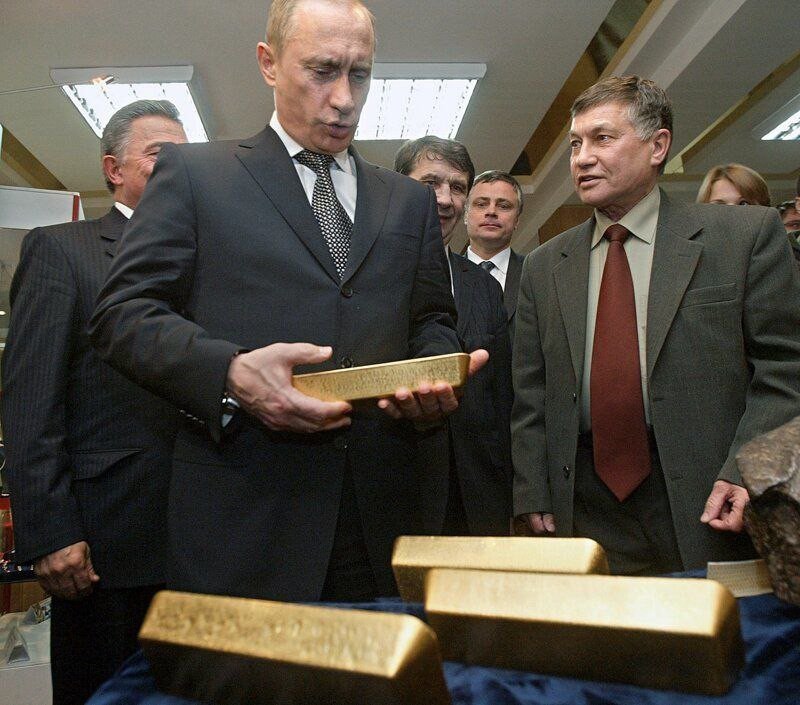
Russia’s central bank has reduced its gold holdings for a sixth consecutive month, selling 43.5 metric tons since January in the largest six-month drawdown recorded in at least a quarter-century, The Moscow Times reported on July 21.
The sales come as Russia’s federal budget deficit approached 6 trillion rubles (more than $76 billion) during the first half of the year.
We bring you stories from the ground. Your support keeps our team in the field.
In June alone, the Central Bank of Russia’s gold holdings fell by another 300,000 troy ounces, equivalent to approximately 9.33 metric tons. Since the beginning of 2026, the reserve has declined by 1.4 million ounces.
Russia still holds the world’s fifth-largest national gold stockpile, but the current selloff is unprecedented across the entire period covered by World Gold Council statistics.
The closest comparable episode occurred in 2002, when Russia’s reserves fell by 36.1 tons between January and June.
Even during the COVID-19 pandemic, when the government sold reserve assets to support the ruble and federal finances, Russia disposed of only 7.6 tons of gold between July 2020 and April 2021—roughly one-sixth of the amount sold so far this year.
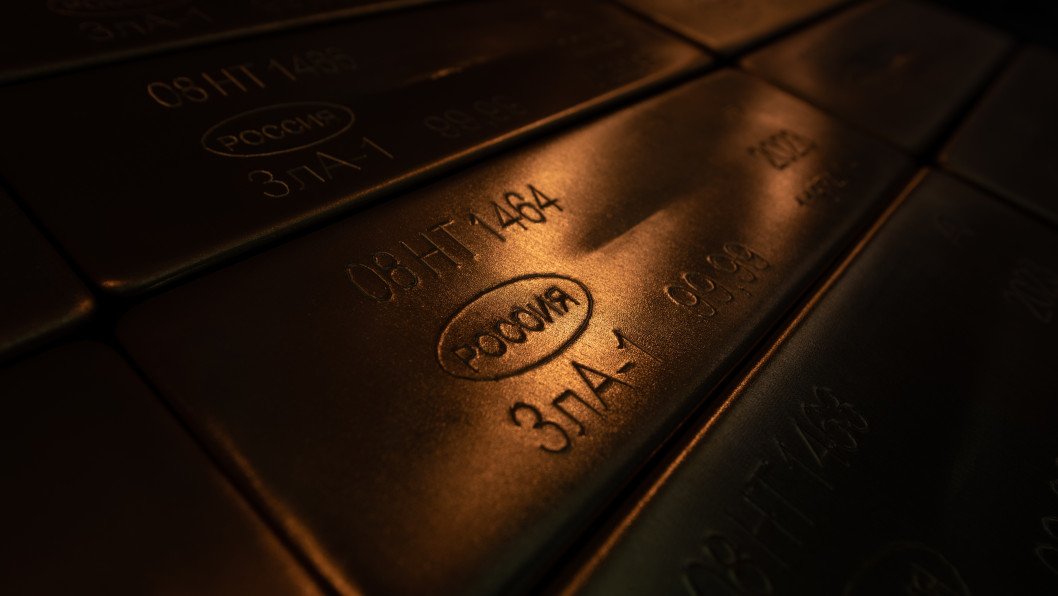
As of July 1, 2026, the central bank’s gold holdings had fallen to approximately 2,283 tons, or 73.4 million ounces, their lowest level since February 2020.
The sales may have generated around $5.6 billion, according to Freedom Global analyst Vladimir Chernov. He told Reuters that the funds were effectively used to help balance the federal budget through transactions linked to Russia’s National Wealth Fund.
Since last fall, the central bank has conducted gold operations on the domestic market that mirror similar transactions by the Finance Ministry involving the sovereign wealth fund.
“When oil and gas revenues fall below the level set by the budget rule, or when fund resources are directed toward domestic investment, the Bank of Russia conducts offsetting operations with liquid reserve assets,” Chernov said.
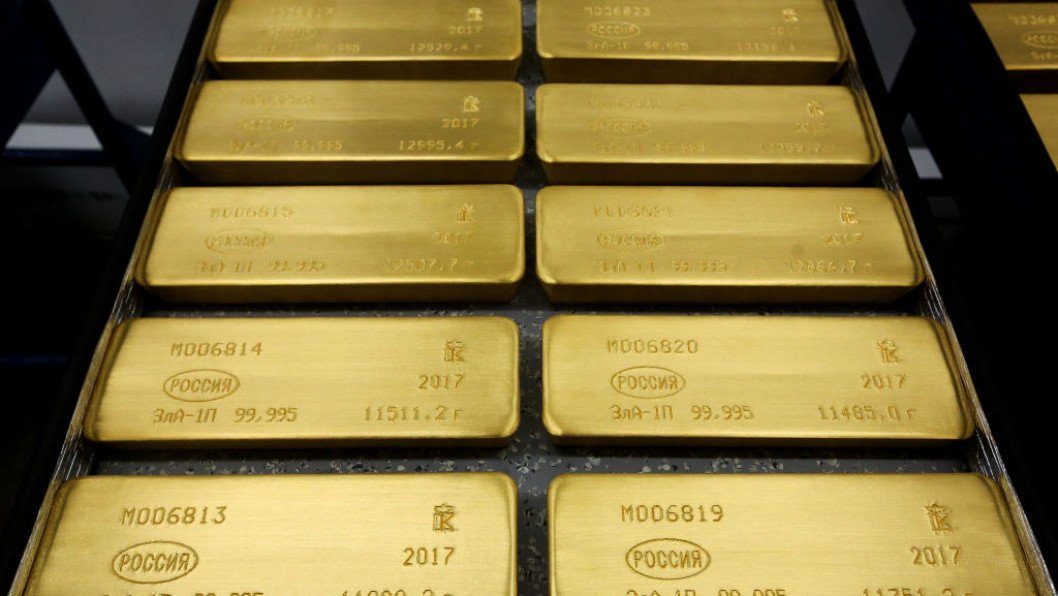
He stressed that the central bank was performing the technical part of the mechanism rather than independently deciding to finance the deficit by selling gold.
Gold is particularly useful for these operations because it is stored inside Russia, remains accessible to the regulator, and has risen significantly in value in recent years.
“At the same time, the ability to use many foreign-currency assets is limited after they were frozen abroad,” Chernov said.
Earlier, Shares in Polyus, Russia’s largest gold producer, plunged 26% on the Moscow Exchange on July 8, erasing about $8.5 billion in market value.
Discuss this article:



-c439b7bd9030ecf9d5a4287dc361ba31.jpg "Photo of Katherina Popilnichenko")

-72b63a4e0c8c475ad81fe3eed3f63729.jpeg "Photo of Cyril Barabaltchouk")