- Category
- World
Russian Gold Giant Loses $8.5 Billion After Scrapping Dividends Until 2030
 Prefer U24 Media on Google
- Authors

-111f0e5095e02c02446ffed57bfb0ab1.jpeg "Photo of Roman Kohanets")
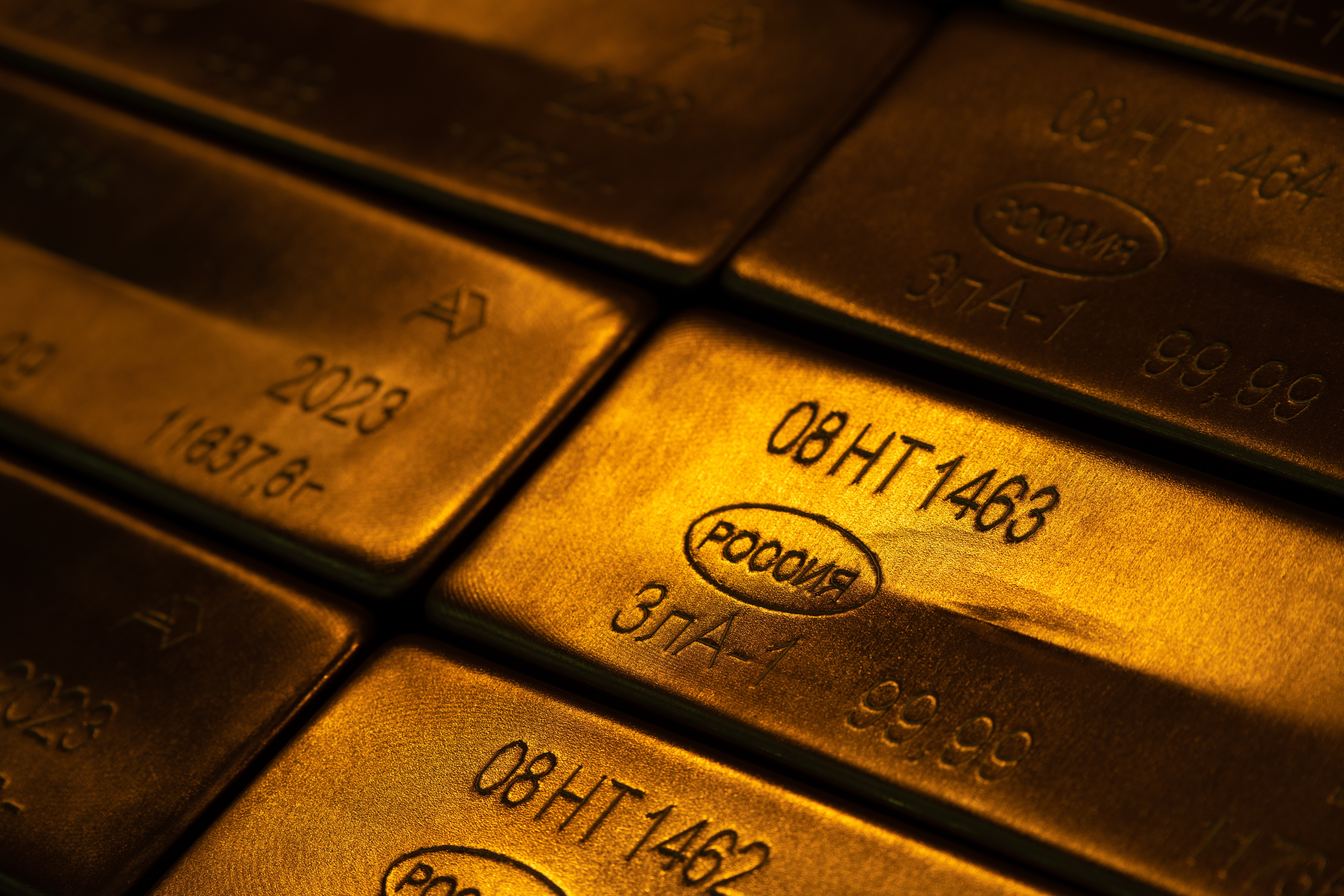
Shares in Polyus, Russia's largest gold producer, plunged 26% on the Moscow Exchange on July 8, erasing about $8.5 billion in market value, according to a report by The Moscow Times that same day.
Only once had Polyus fallen faster—27.4% on September 16, 2008, at the height of the global financial crisis, the outlet noted.
We bring you stories from the ground. Your support keeps our team in the field.
Polyus accounts for every third ton of gold mined in the country, according to the report, and the sell-off quickly spread to other metals producers facing the same threat.
The trigger was an unexpected announcement that Polyus would pay no dividends to shareholders until 2030.
Analysts called the move puzzling. The company had posted record earnings and $2 billion in free cash flow last year after gold prices soared, The Moscow Times detailed.
Gold has since eased from its peaks but still trades near $4,000 an ounce, roughly 1.5 times its level at the start of last year, the outlet reported. Polyus, by contrast, built its budget around a far more conventional $3,100.
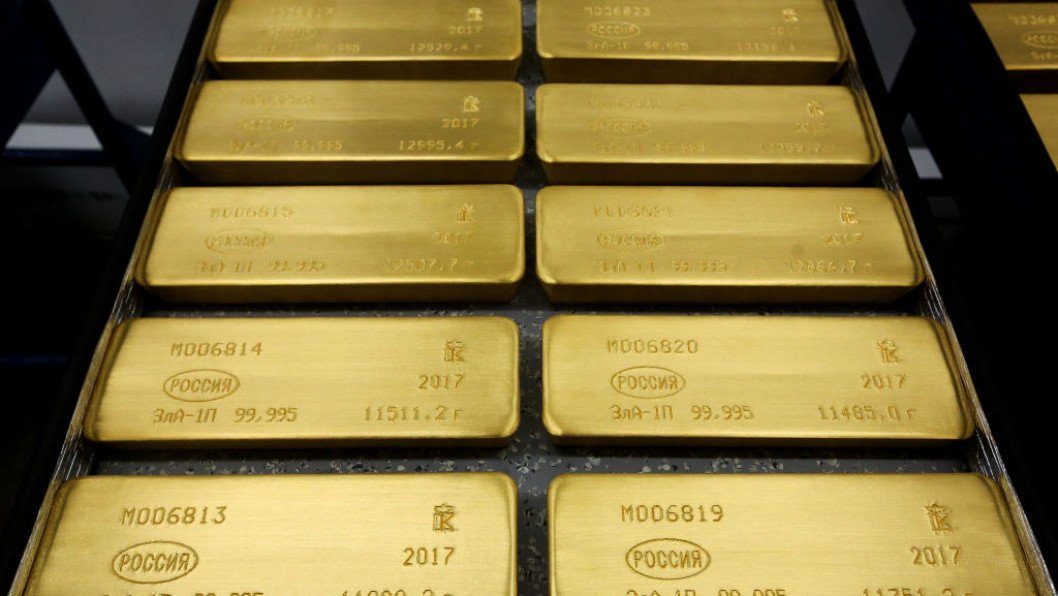
Officially, the company tied the decision to funding for large investment projects. Dmitry Donetsky, chief analyst at the russian investment firm, indicated another motive: the miner may be bracing for a heavier tax burden, the newspaper wrote.
Gold and metals producers could fall under a "windfall tax" that the Russian leader, Vladimir Putin, has ordered introduced to help close the deficit. A source cited by Interfax put the levy at 20% of the amount by which 2025 profits exceed 2018–2019 levels, The Moscow Times added.
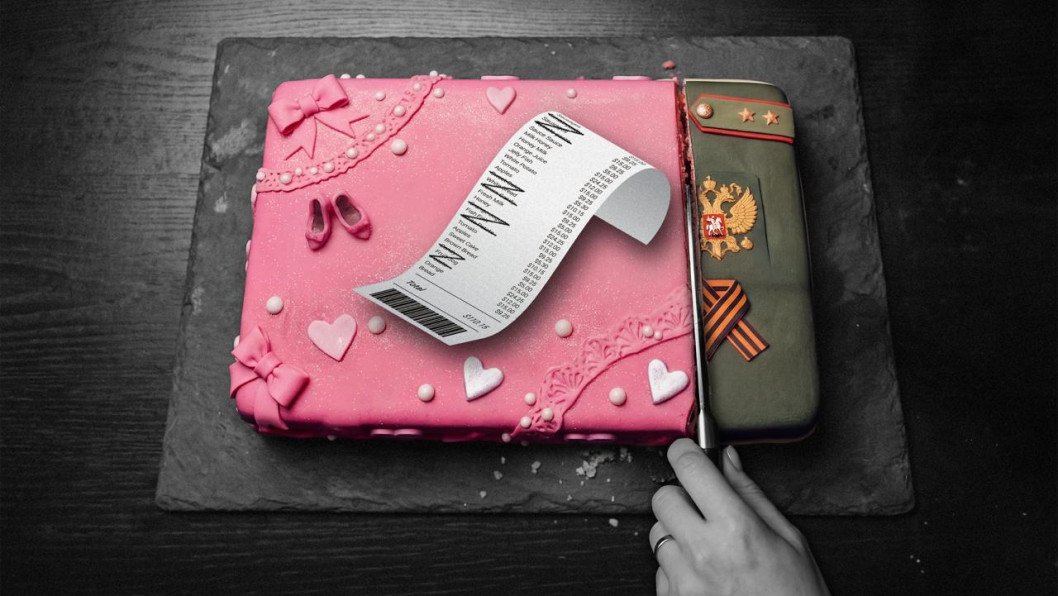
Polyus is controlled by the family of Suleiman Kerimov, a senator from Dagestan. The three offered to fund the treasury from their personal wealth to help pay for the continuation of the war, according to a source cited by the outlet. The proposed tax stayed on the table anyway.
Gold has already become a lever for financing the war.
Through April, the Central Bank of Russia drew down its bullion reserves for a fourth straight month, the sharpest such decline since 2002, selling roughly 900,000 ounces since the start of the year to help cover a deficit driven by heavy military spending and weak energy revenues.
The metal was exchanged for Chinese yuan to steady the ruble and offset the early-year shortfall.
Discuss this article:




-c439b7bd9030ecf9d5a4287dc361ba31.jpg "Photo of Katherina Popilnichenko")