- Category
- Latest news
Russia Hid True Cost of War as Budget Deficit 26% Higher Than Official Data, German Intelligence Reveals
 Prefer U24 Media on Google
- Authors

-c439b7bd9030ecf9d5a4287dc361ba31.jpg "Photo of Katherina Popilnichenko")
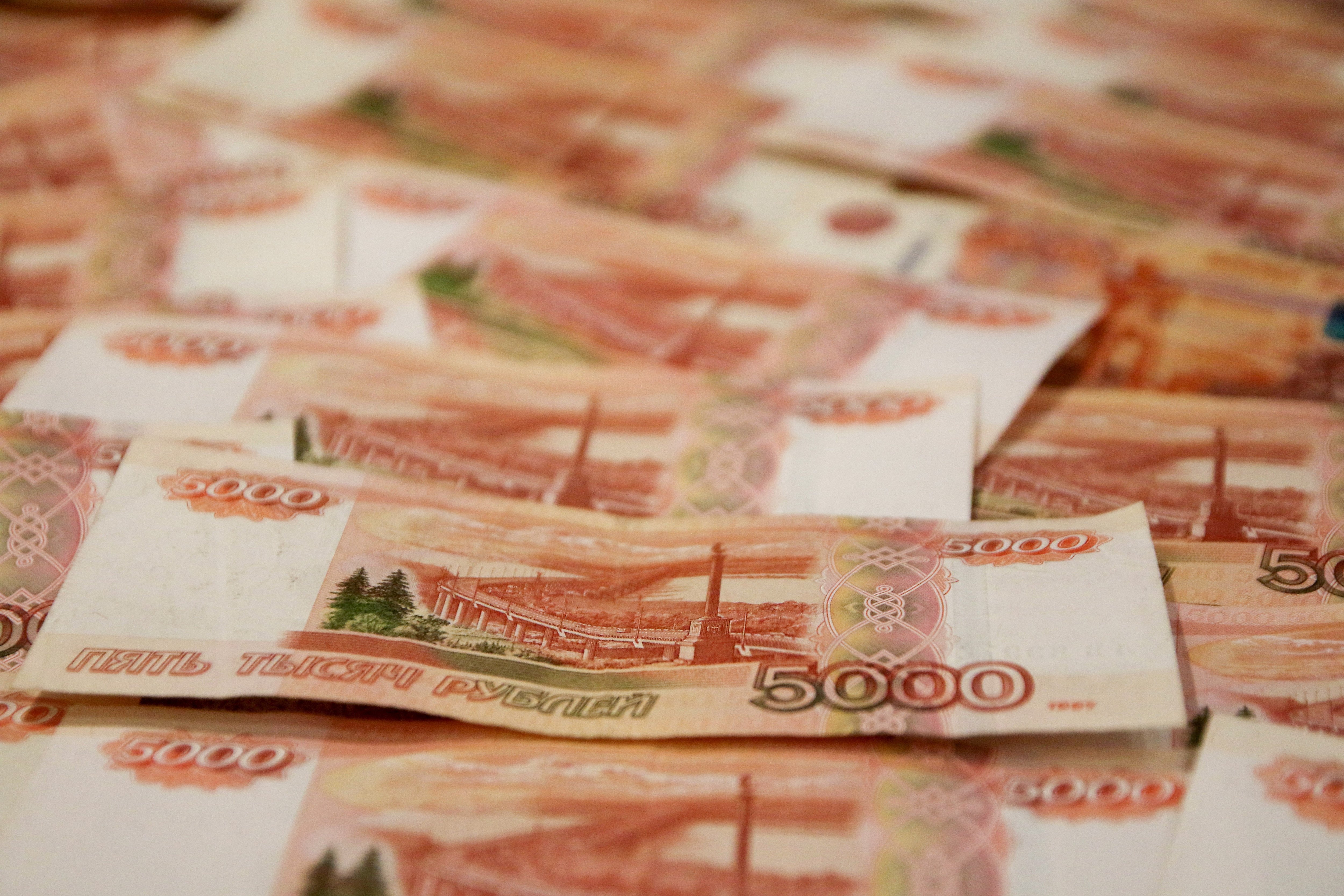
The Russian economy is experiencing a significant decline due to Western sanctions. These measures have led to a critical increase in the budget deficit and the degradation of the oil sector.
The Kremlin is manipulating statistics to hide the consequences of Russia’s full-scale invasion of Ukraine. The actual federal budget deficit for 2025 was 26% higher than official reports, reaching nearly 3.6% of the GDP, according to Germany's Federal Intelligence Service (BND) on March 4.
We bring you stories from the ground. Your support keeps our team in the field.
“This shows the true costs that the Kremlin is willingly incurring for its aggressive war against Ukraine, costs that will have consequences for many years,” the BND stated.
The Russian oil industry is facing unprecedented pressure during the fifth year of Russia’s full-scale invasion of Ukraine. This pressure is a result of both sanctions and drone strikes. Due to international restrictions, Russia is forced to sell raw materials at prices significantly below market value.
Additionally, major clients like India have substantially reduced imports following pressure from the United States. Extraterritorial sanctions from Washington have caused a sharp drop in revenue from oil and liquefied natural gas exports.
Intelligence analysts suggest that further restrictions against the shadow fleet could increase the cost of the war for the aggressor even more. “Putin's plan to return Russia to its former glory cannot be successful under these circumstances,” the analysts concluded.
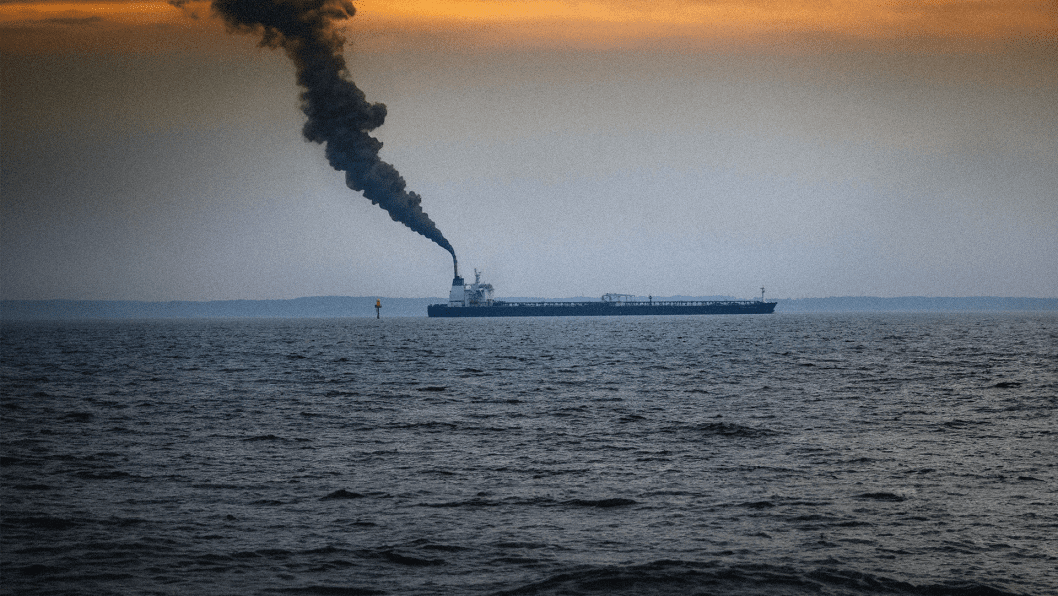
The European Union recently introduced a new package of restrictions aimed at reducing energy trade revenue. Brussels is implementing strict measures against the Russian oil sector, moving from a price cap toward a functional ban on operations with sanctioned vessels.
Earlier, it was reported that Russia’s shadow fleet of sanctioned oil tankers had come under mounting pressure as Western sanctions took effect in ways Moscow could no longer easily evade.
A tightening web of US and European measures sharply raised the cost of operating these vessels, threatening to turn the shipping system into a financial liability. Coordinated international pressure had already forced at least 20% of the fleet to halt operations, while the direct blacklisting of tankers cut them off from essential insurance and banking systems.
Additionally, the French Navy had successfully detained a tanker suspected of flying a false flag, as Western governments shifted their strategy toward the direct seizure of vessels violating international law.
Discuss this article: