- Category
- Latest news
Russia Proposes 30% Bank Deposit Scheme to Keep Troops Invested in War
 Prefer U24 Media on Google
- Authors

-111f0e5095e02c02446ffed57bfb0ab1.jpeg "Photo of Roman Kohanets")
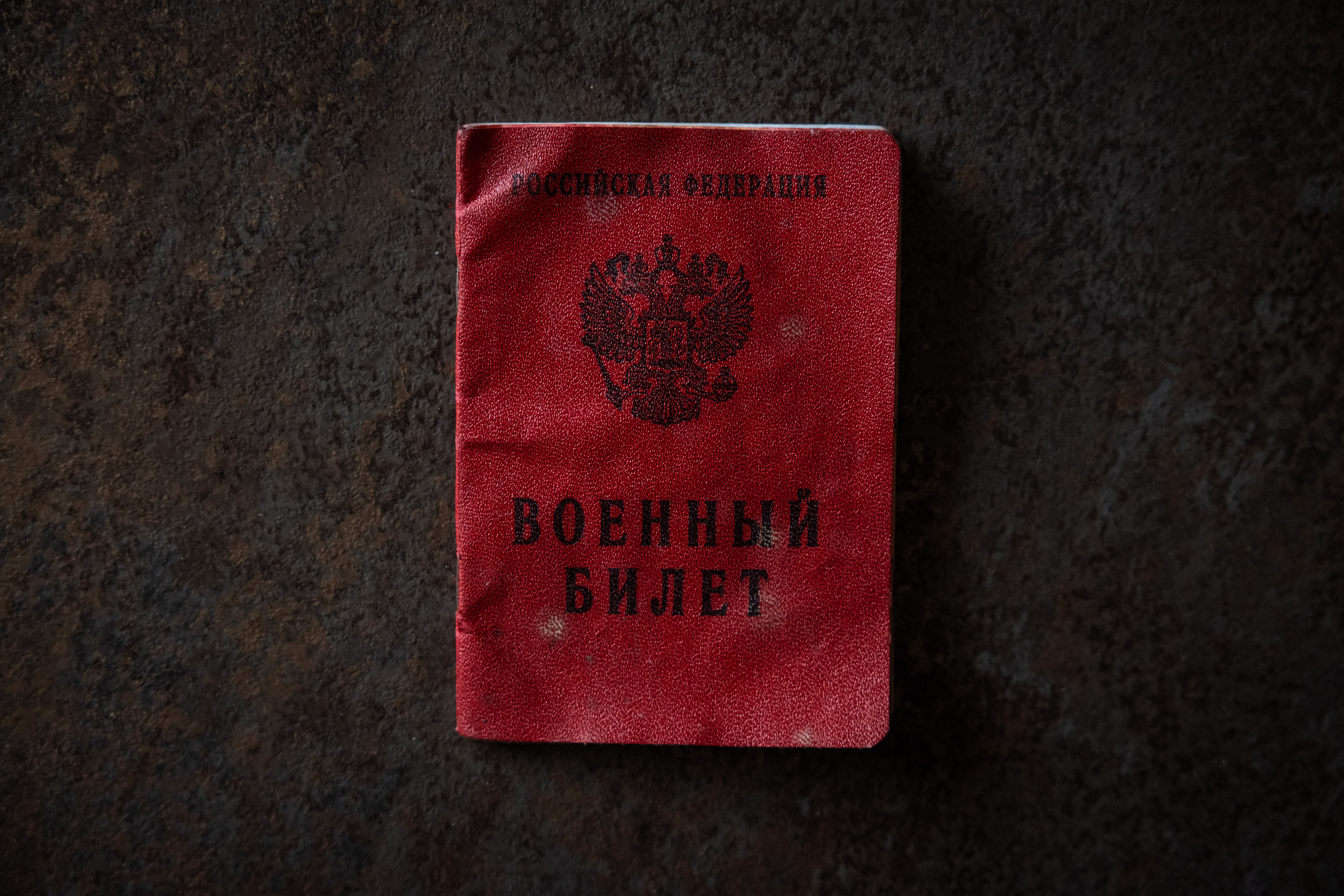
Russian lawmakers have proposed a special bank deposit for Russian troops fighting against Ukraine that would offer returns twice as high as those available to ordinary depositors, according to The Moscow Times on March 16.
The initiative was put forward by Sergey Mironov, leader of the A Just Russia party and head of its State Duma faction in Russia’s parliament.
Under the draft bill, participants in Russia’s war against Ukraine would be allowed to open a special savings deposit for one to three years, with the option to add funds during the term but no right to withdraw them early.
We bring you stories from the ground. Your support keeps our team in the field.
The main feature of the proposal is direct state co-financing of interest income. Mironov noted that if a serviceman opened a deposit at 15%, government support would double the return, bringing the annual yield to 30%.
Recent data from Russia’s central bank, cited by The Moscow Times, show the average maximum rate on ruble deposits at the country’s largest banks is now about 13.87%, the lowest level since late 2023.
“The state support will double his income and, taking into account additional payments, he will receive 30% per year,” Mironov told RIA Novosti, as cited by the outlet.

The measure also reflects broader economic pressures linked to sustaining Russia’s war effort.
That assessment points to a defense sector whose wartime surge was driven less by durable modernization than by heavy state spending, with momentum fading as budget growth slows and financing tightens.
The report, citing Vladimir Milov’s review of industrial data and company disclosures, argues that the earlier production boom masked deeper structural weaknesses that are now becoming harder to contain.
Indicators from related manufacturing sectors reportedly show weapons, electronics, and combat-vehicle output all losing pace in 2025, with some weapons production briefly slipping into negative territory by late last year.
Thin state-regulated margins, inflation, delayed payments, and borrowing costs above 20% are also squeezing manufacturers and subcontractors, while losses at a defense-linked bank underline the strain spreading through the wider supply chain.
Discuss this article: