- Category
- War in Ukraine
Russia Destroyed 200 Ukrainian Gas Stations in 2026, Turning Civilian Fuel Stops Into Targets
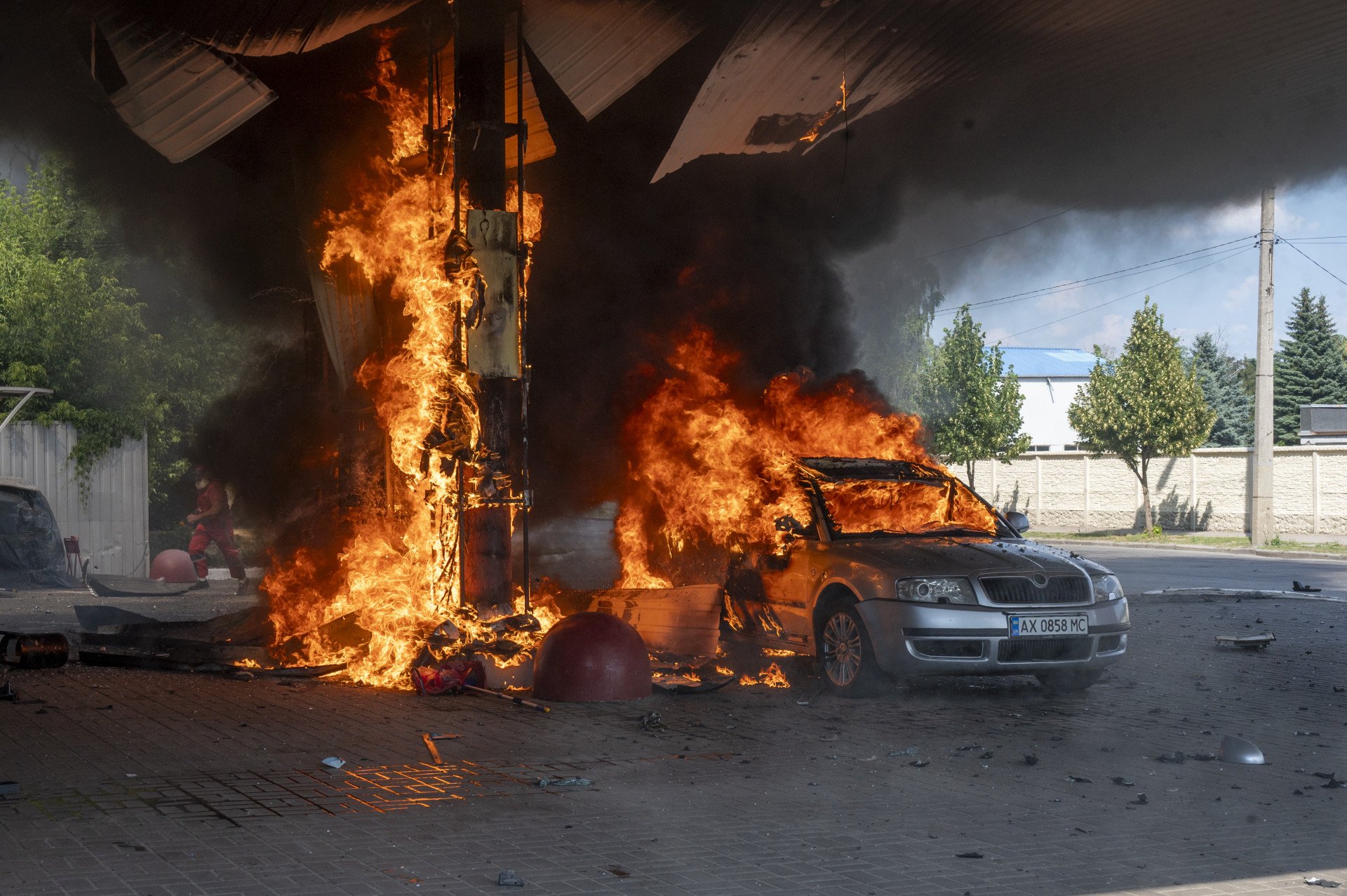
Following its attacks on Ukraine’s energy infrastructure during the winter of 2026, Russia has shifted to a new target within the range of Shahed drones: civilian gas stations. Fuel stations have come under attack both near the front line and deep inside the country.
 Prefer U24 Media on Google
- Authors

-29a1a43aba23f9bb779a1ac8b98d2121.jpeg "Photo of Illia Kabachynskyi")
In early July, several gas station complexes were destroyed in the Poltava and Kyiv regions. Fearing further strikes, fuel retailers have begun suspending overnight operations, even though many of these stations had served as so-called “Points of Invincibility”—places where Ukrainians could find electricity and essential services during power outages. Once again, Russia has turned civilian infrastructure into a target.
A systematic campaign
Since the spring of 2026, Russia has destroyed approximately 200 Ukrainian gas stations, including around 50 in June alone. Initially, the attacks were concentrated near the front line, as Russia sought to disrupt the Ukrainian military's logistical capabilities. The regions hardest hit have been Sumy, Kharkiv, Donetsk, Dnipropetrovsk, Zaporizhzhia, and Mykolaiv, where gas stations have been attacked almost daily since mid-spring 2026, after Russia’s rapid offensive during its spring campaign stalled.
Since June, however, the geography of the attacks has expanded. Gas stations in central Ukraine have also become targets, and in July alone, up to 20 attacks on fuel stations have been recorded each week.
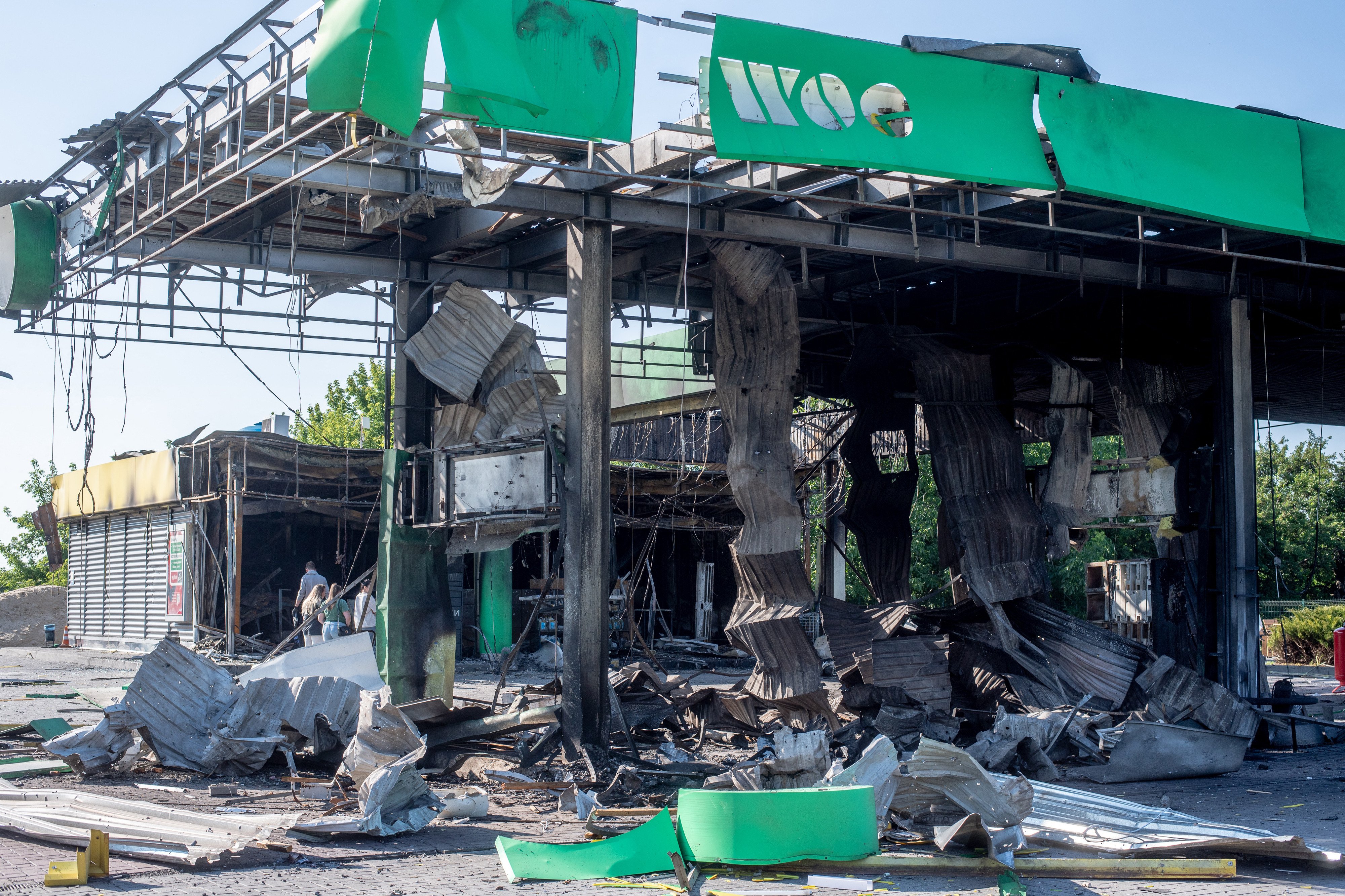
One example came on the night of July 1, when Russia simultaneously struck five gas stations in the Dnipropetrovsk region. A woman was killed in the attacks, while three others—including a pregnant woman—were injured. That same night, Russian attacked four additional gas stations in the Chernihiv region, hundreds of kilometers from the front line.
In effect, Russian drones are deliberately targeting gas stations where civilians are present in an apparent effort to inflict the highest possible number of casualties.
In response, Ukrainian fuel retailers have introduced special operating procedures in frontline regions to protect both customers and employees, and many stations now close overnight altogether. These measures are intended to reduce the risks to civilians.
Two different wars
Ukraine is also conducting strikes against Russia’s fuel infrastructure. But its approach does not result in civilian deaths.
Drones launched from Ukrainian territory target oil refineries and the logistical infrastructure that supplies the Russian military, including refineries, oil storage facilities, and fuel trucks transporting gasoline and diesel for military equipment. These are industrial facilities and transport assets, typically struck at night or outside periods of heavy civilian activity, with the objective of disrupting production and supply.
As a result of successful strikes on Russian refineries—Ukraine has damaged 11 of the country’s largest facilities—a fuel shortage has spread across Russia. Consequently, hundreds of thousands of Russians spend time each day waiting in line at gas stations for the chance to refuel their vehicles. Yet Ukraine has never targeted those retail fuel stations, thereby avoiding civilian casualties.
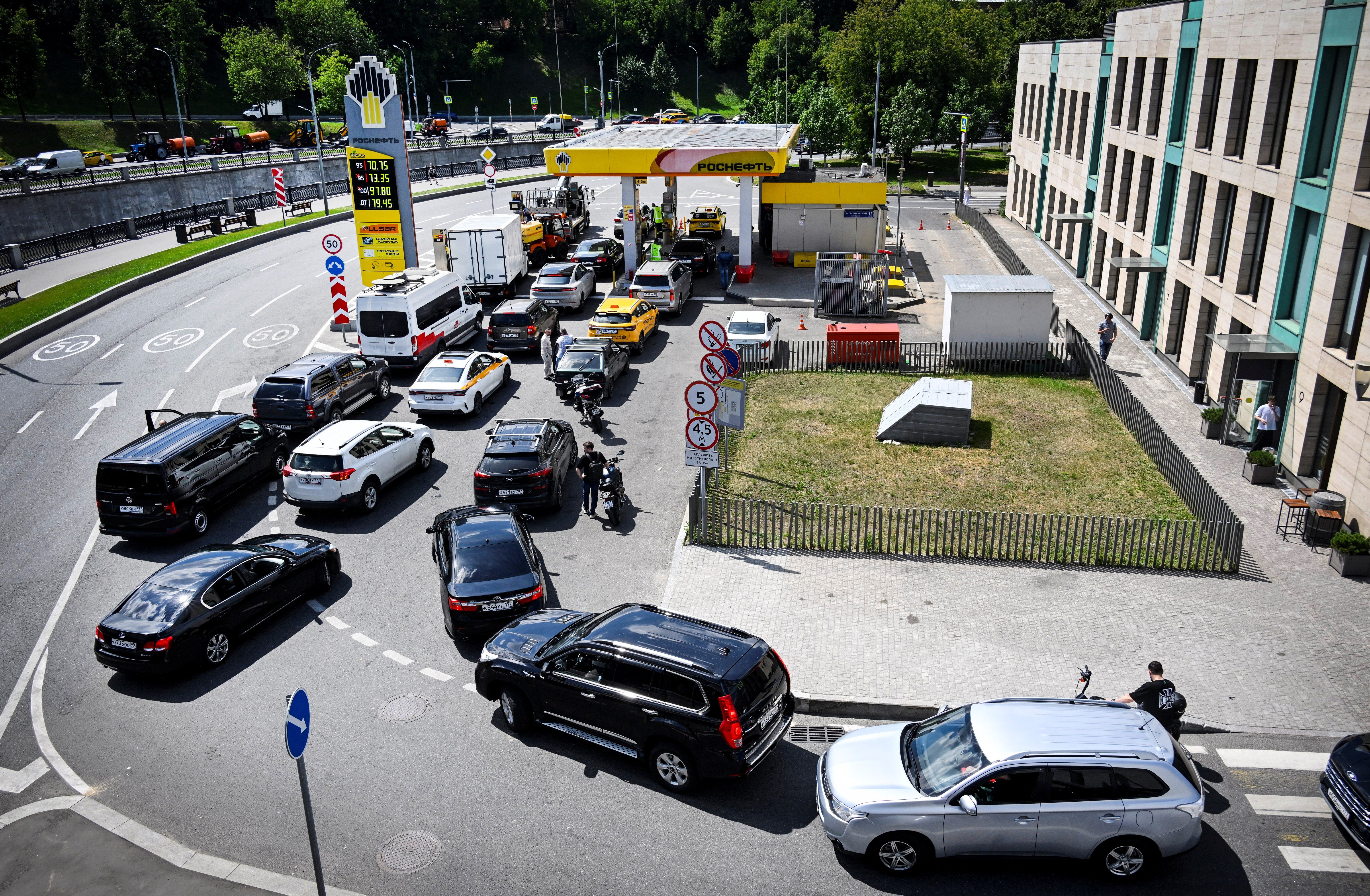
Russia, by contrast, attacks gas stations—retail facilities intended exclusively to serve civilians. Gas stations are places where drivers, station employees, and passersby may be present at any hour, day or night. Striking such a site, whether during the day or at night, carries a high likelihood of causing civilian casualties, as reflected in the growing number of people killed and injured.
In other words, Ukraine seeks to deprive Russia of the resources needed to wage war, while Russia seeks to intimidate Ukraine’s civilian population. That is the very definition of terrorism.
Despite Russia’s attacks on Ukrainian gas stations, Ukraine is not expected to face a fuel shortage. Over the course of the war, fuel retailers have diversified supply routes and storage capacity, preparing for precisely this type of attack. Rather than threatening the country’s fuel supply, these strikes illustrate the consequences Ukraine continues to endure as a result of Russia’s attacks, which all too often are directed against civilian infrastructure.
Discuss this article: