- Category
- War in Ukraine
Russia Turned Its Air War on Ukraine Into Round-the-Clock Terror: Kyiv Faces 57 Alerts in 5 Days
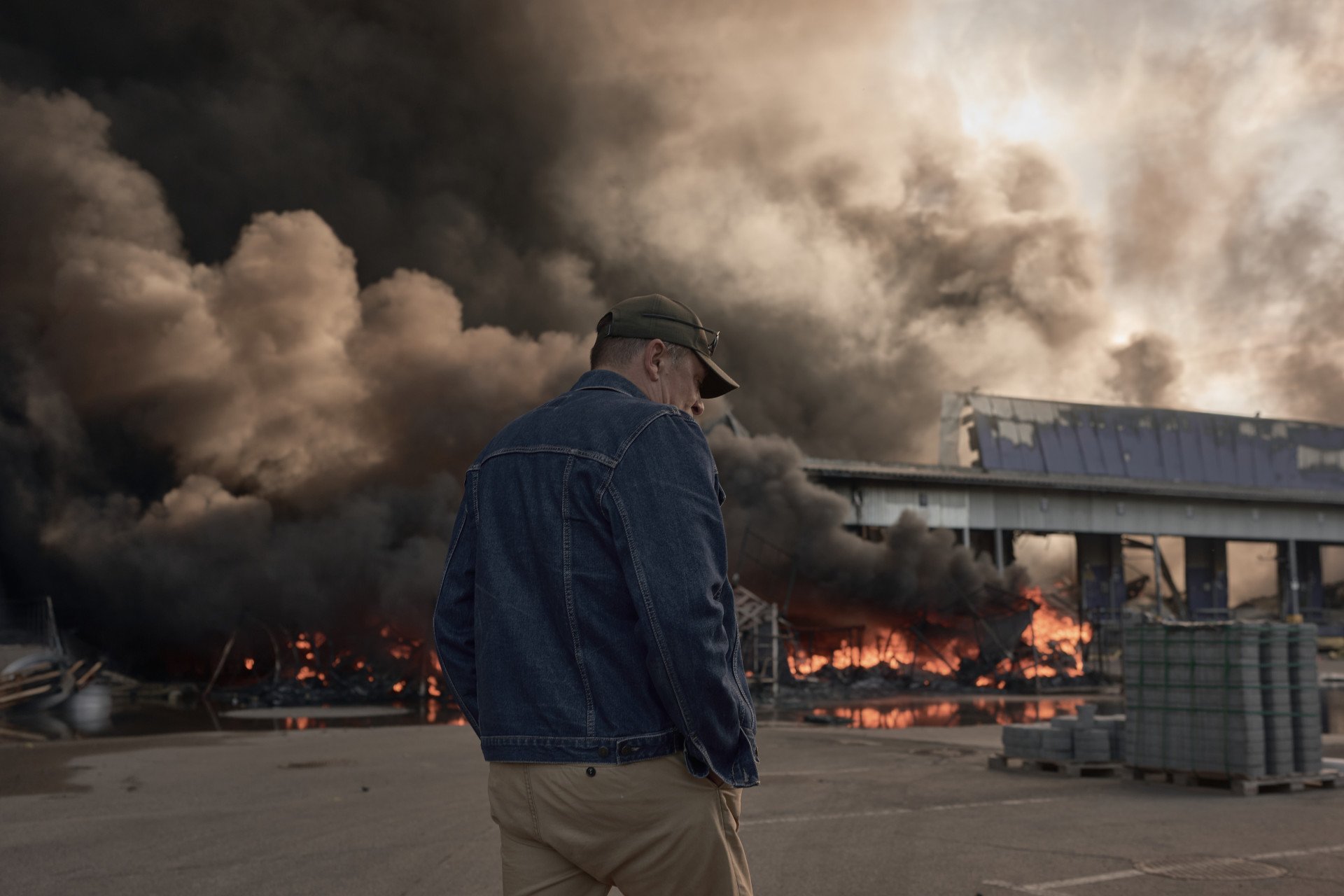
Russia is seeking to paralyze daily life across much of Ukraine, shifting from massive overnight strikes to attacks spread throughout the day and night. Kyiv, Odesa, and frontline cities have been hit particularly hard, facing relentless attacks that keep millions of Ukrainians under near-constant threat.
 Prefer U24 Media on Google
- Authors

-29a1a43aba23f9bb779a1ac8b98d2121.jpeg "Photo of Illia Kabachynskyi")
Russian attacks on Kyiv in the summer of 2026 had followed a certain pattern: an overnight strike, a massive combined attack involving missiles and drones, and then, by morning, the horror of realizing the scale of the destruction. With Ukraine lacking interceptors for its Patriot systems, Russian ballistic missiles killed dozens of people after each major attack.
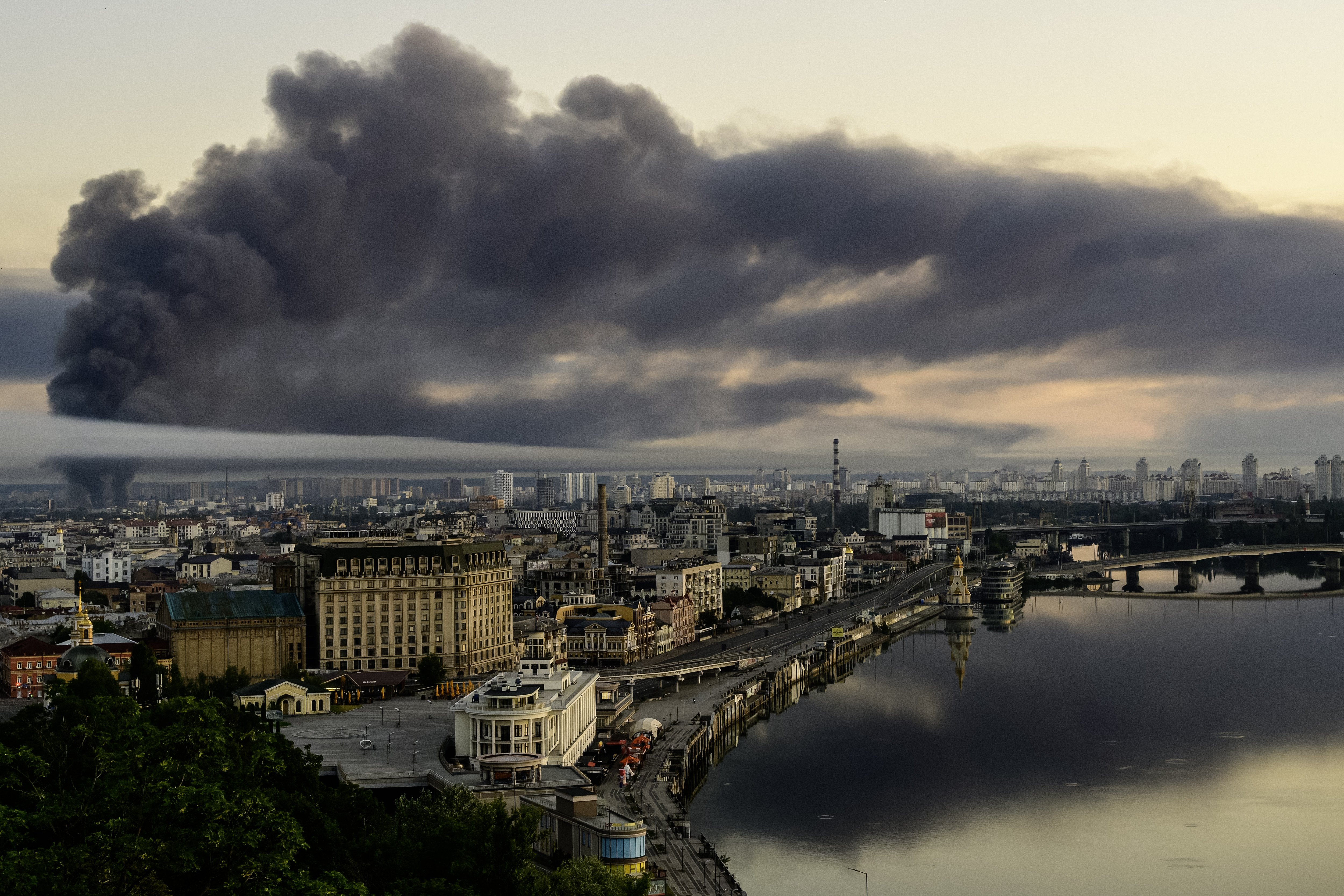
By August 27, it had become clear that Russian leader Vladimir Putin had ordered the nighttime terror campaign to become a round-the-clock one. In a single day, Kyiv faced 13 air raid alerts, totaling nearly 15 hours. Throughout the day, reports emerged of more and more Shahed drones striking residential areas of Kyiv. The prolonged attack set a record since the beginning of Russia’s full-scale invasion.
It came after media reports following CIA Director John Ratcliffe’s visit to Moscow, where he was reportedly told, among other things, that Russia would not reduce its pressure on Ukraine. On the contrary, the Kremlin was preparing for an even greater escalation. The Economist would later report that Putin sees such actions as the only way to remain in power. The escalation was not long in coming.
-3ee22873ffd8cf771f8d8939f7151271.jpg)
Russia’s nonstop attacks
Over the next five days, the total number of air raid alerts reached 57 in Kyiv alone. More than 10 alerts sounded in the capital each day on average. They effectively paralyzed the city for 7 to 10 hours a day, including during the daytime. Some alerts lasted 10 to 30 minutes, while others continued for hours.
Throughout that time, Russian Shahed drones, cruise missiles, and ballistic missiles were flying toward Ukrainian cities. On the night of August 31, reports emerged that the Russian military had attacked Odesa with guided aerial bombs, or KABs, for the first time, supplementing the strike with other aerial weapons, including Banderol missiles.
In the span of just one hour on the night of September 1, Russia launched virtually everything in its arsenal at Kyiv: ballistic missiles, Zircon hypersonic missiles, and Kalibr cruise missiles.
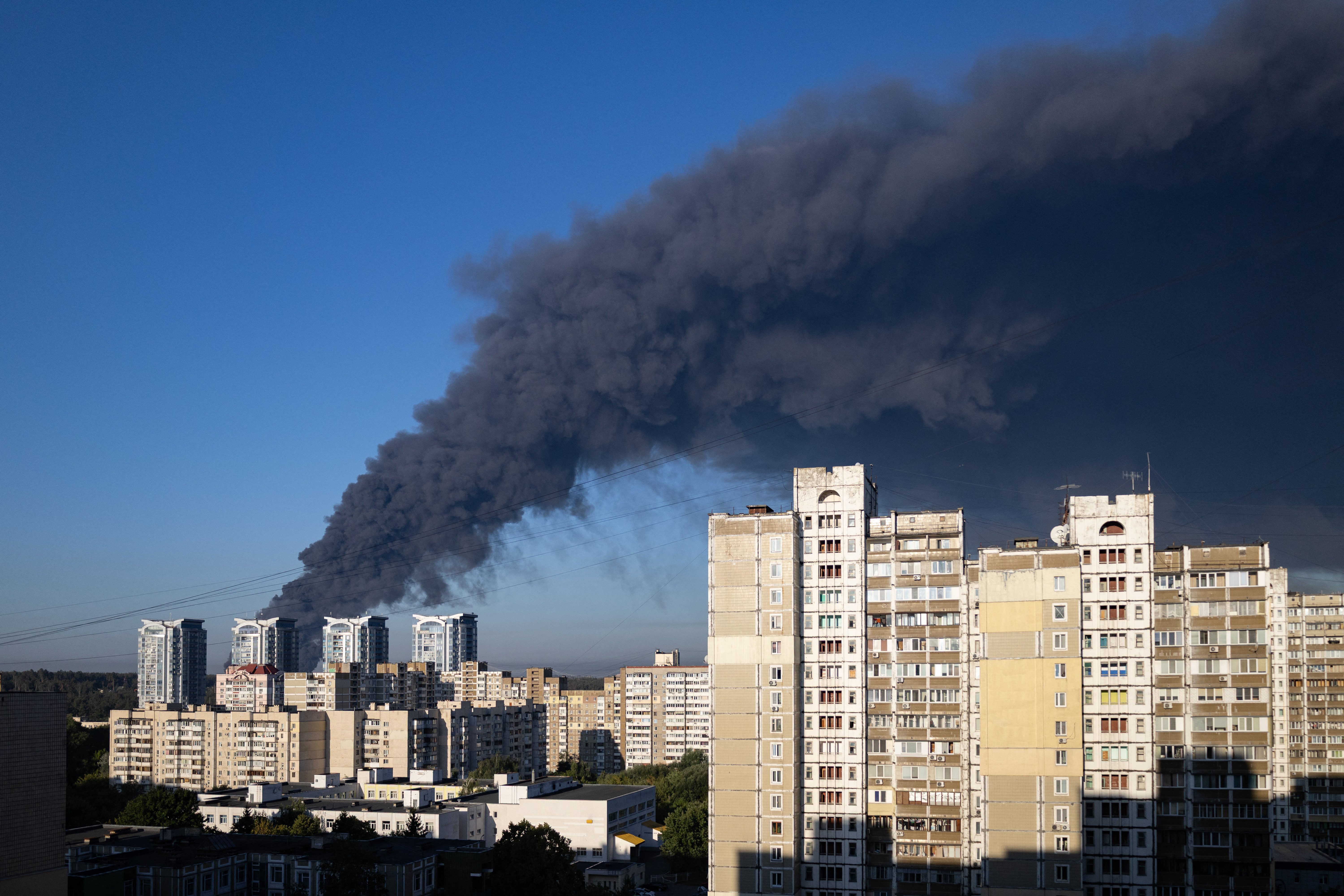
Residential buildings and civilian infrastructure belonging to Ukrainian Railways Ukrzaliznytsia were damaged. Seven people were killed at the railway facilities, and at the time of publication, the overall civilian death toll had already reached 12, with dozens more injured.
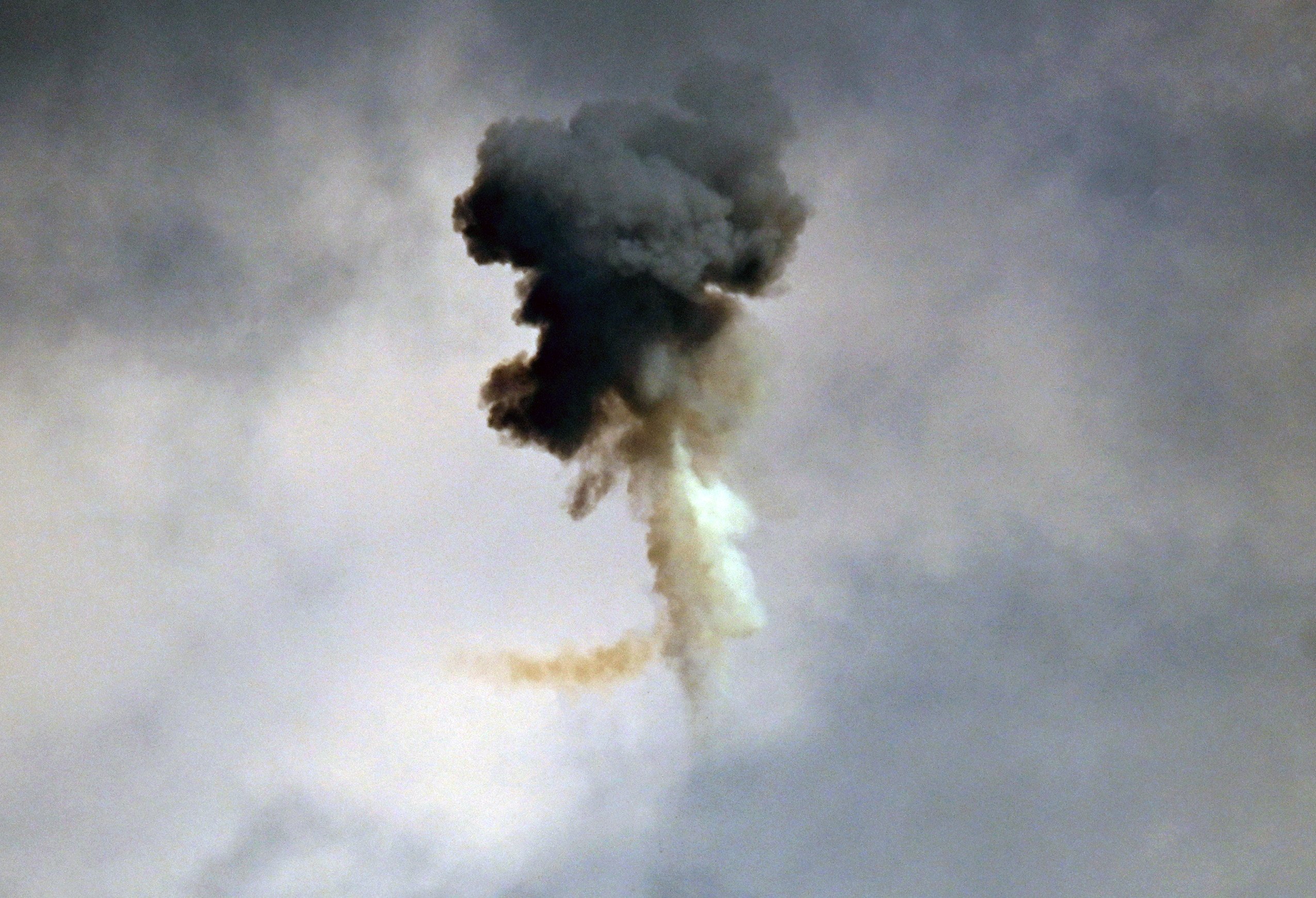
One of the main threats facing Ukrainian cities is jet-powered Shahed drones. They can reach speeds of up to 600 kilometers per hour (373 mph) and are difficult to intercept. At least four defense companies are currently working to develop an appropriate interceptor and scale up production to the levels needed to effectively counter Shaheds, says Ukraine’s Defense Minister Yevhen Khmara. Ukraine also needs more air defense systems and sustained support from its partners, which would allow it to once again adapt and expand its defenses to the required scale.
Russia, meanwhile, has adopted a strategy of round-the-clock terror. Instead of launching hundreds of drones simultaneously, it sends them toward Kyiv throughout the day in groups of 10 or more, keeping Ukrainian air defense forces under constant pressure virtually around the clock.
On August 27 alone, approximately 150 drones were launched at Kyiv over the course of the day.
How air raids disrupt daily life in Ukraine
Air raid alerts in Ukrainian cities do not exist in a vacuum. They affect virtually every aspect of how a city functions and how its residents live.
When alerts sound, parts of the city grind to a halt, and people head to shelters. The disruption is particularly significant for businesses and industry. In just the past five days, Russian attacks have destroyed warehouse facilities belonging to nearly 30 major Ukrainian companies. For these businesses, safety is paramount—it saves lives.
At the same time, the burden on emergency services is growing, with rescue crews effectively working around the clock. On the morning of August 31, for example, reports emerged that a large warehouse belonging to a retail chain was on fire in one of Kyiv’s districts. Just hours later, Russian forces struck another warehouse on the opposite side of the city, destroying facilities belonging to another major Ukrainian retailer.
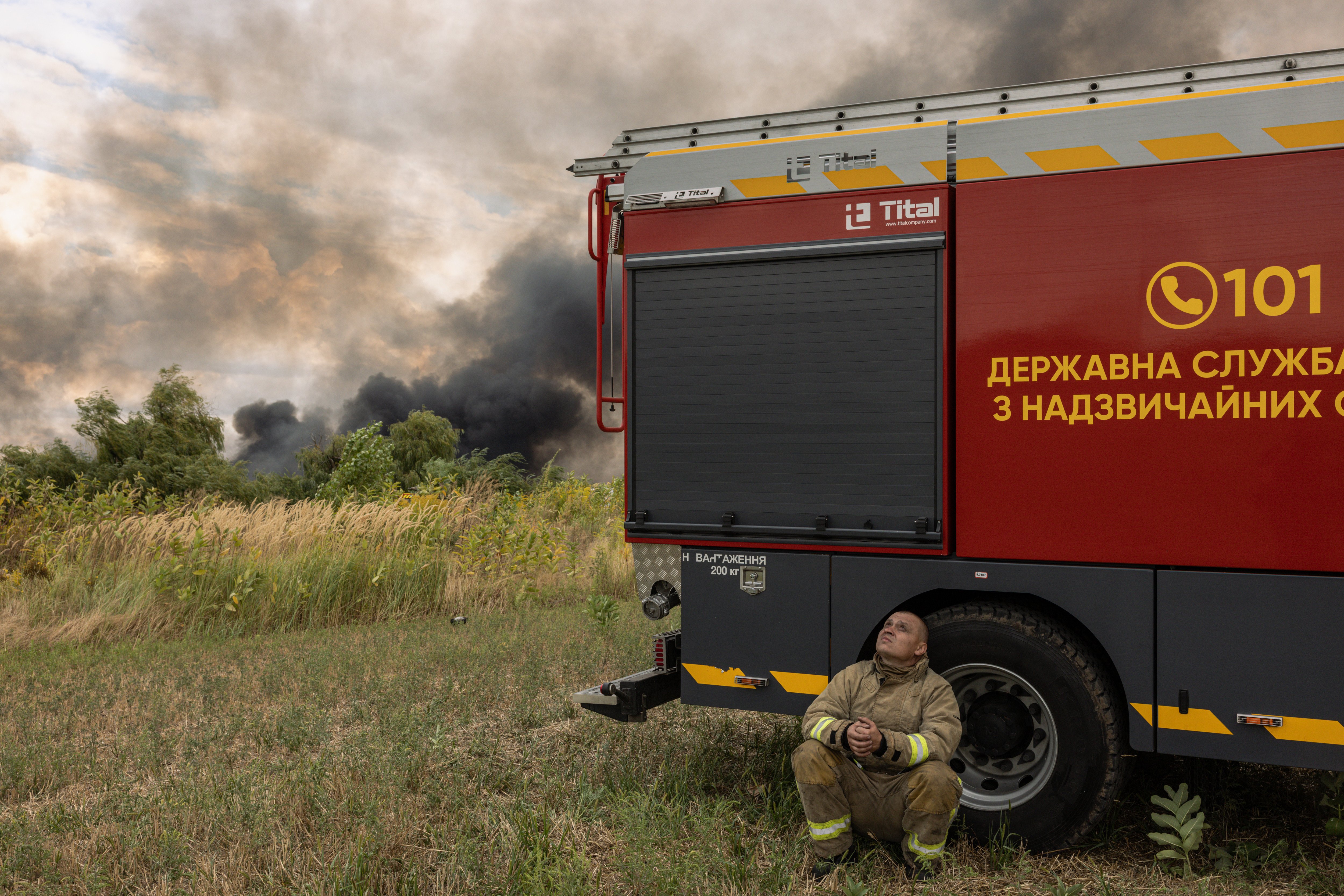
Air raid alerts force large shopping malls and movie theaters to close and offices, businesses, and manufacturing facilities to evacuate. Operations at thousands of companies are brought to a standstill. Ukraine’s economy generates tens of billions of dollars that help fund the country’s defense. Constant air raid alerts prevent businesses from operating normally and paying taxes. The economic damage caused by the repeated disruptions is enormous.
The simplest example is the beginning of the school year. On September 1, children across Ukraine are supposed to return to school. But not all of them will, because of security risks, many schools are recommending that the first day of classes be held online to avoid large gatherings of people in one place. For many children, the school year will begin in bomb shelters.
Amid Russia’s campaign of relentless terror, support from Ukraine’s partners is more critical than ever. That includes both additional air defense systems and financial assistance that Ukraine can direct toward supporting its domestic defense industry and developing new capabilities both to defend itself and to put pressure on Russia.
Taking the war into Russian territory allows Ukraine to increase pressure on the Kremlin and demonstrate that there is only one viable path forward: sitting down at the negotiating table.
Discuss this article:






-111f0e5095e02c02446ffed57bfb0ab1.jpeg "Photo of Roman Kohanets")