- Category
- War in Ukraine
Kyiv Faces Record 13 Air Raid Alerts—Russia’s Answer to CIA Director’s Moscow Visit

CIA Director John Ratcliffe arrived in Moscow on August 25—the first such trip in nearly five years. Russia launched ballistic missiles at Kyiv the following night. Then, on August 27, the Ukrainian capital endured a record 13 air raid alerts in a single day. The timing is telling: a US attempt at diplomatic engagement was immediately followed by Russia’s most intense attack yet.
 Prefer U24 Media on Google
- Authors

-29a1a43aba23f9bb779a1ac8b98d2121.jpeg "Photo of Illia Kabachynskyi")
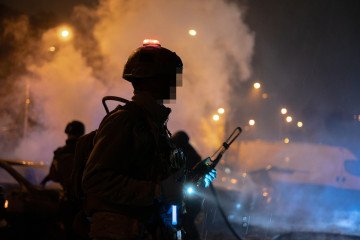
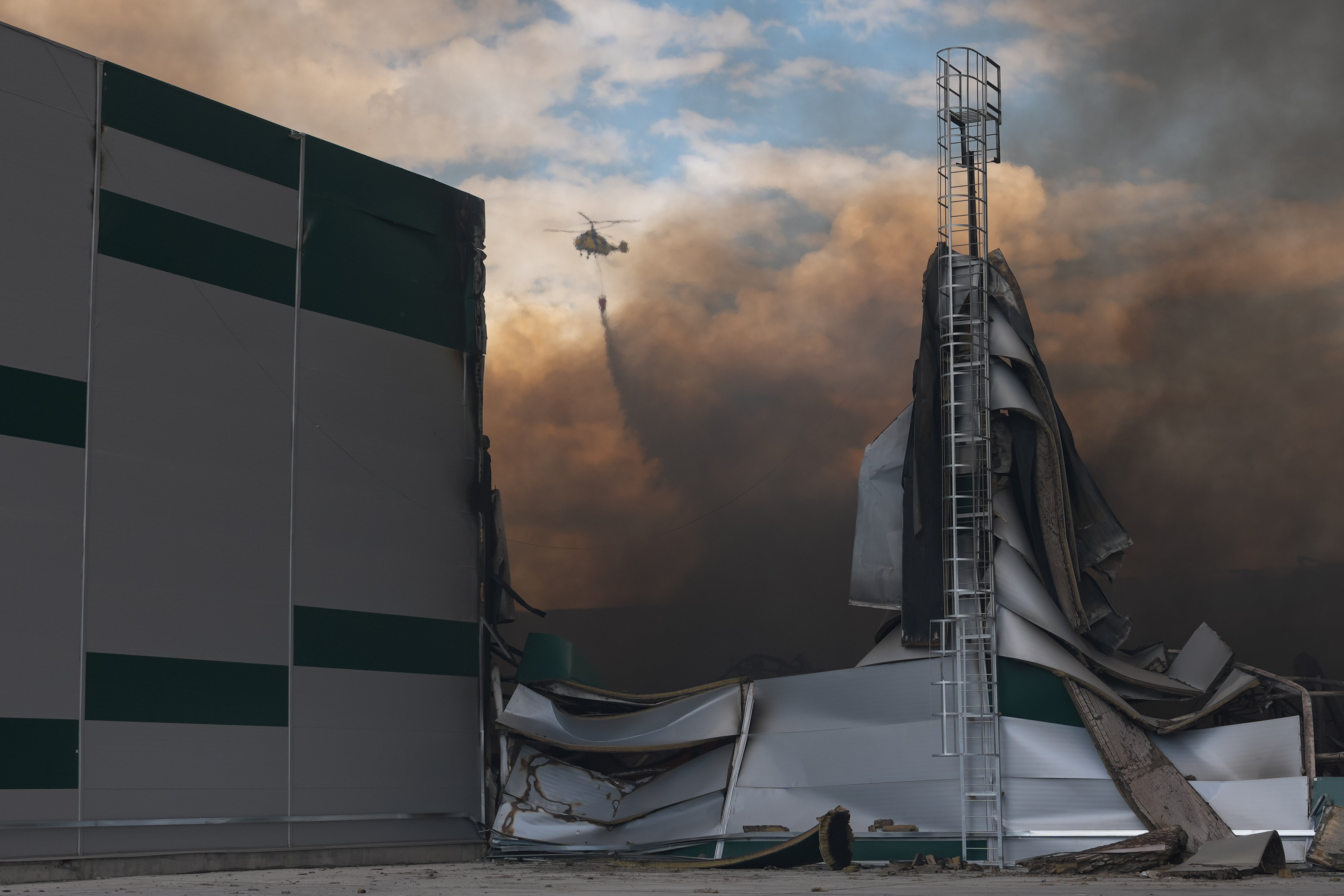
For residents of Ukraine’s capital, August 27 was a difficult day. Overnight, Russia launched ballistic missiles and drones at Kyiv. Thanks to missiles supplied for Patriot air defense systems, a significant number of the incoming targets were intercepted.
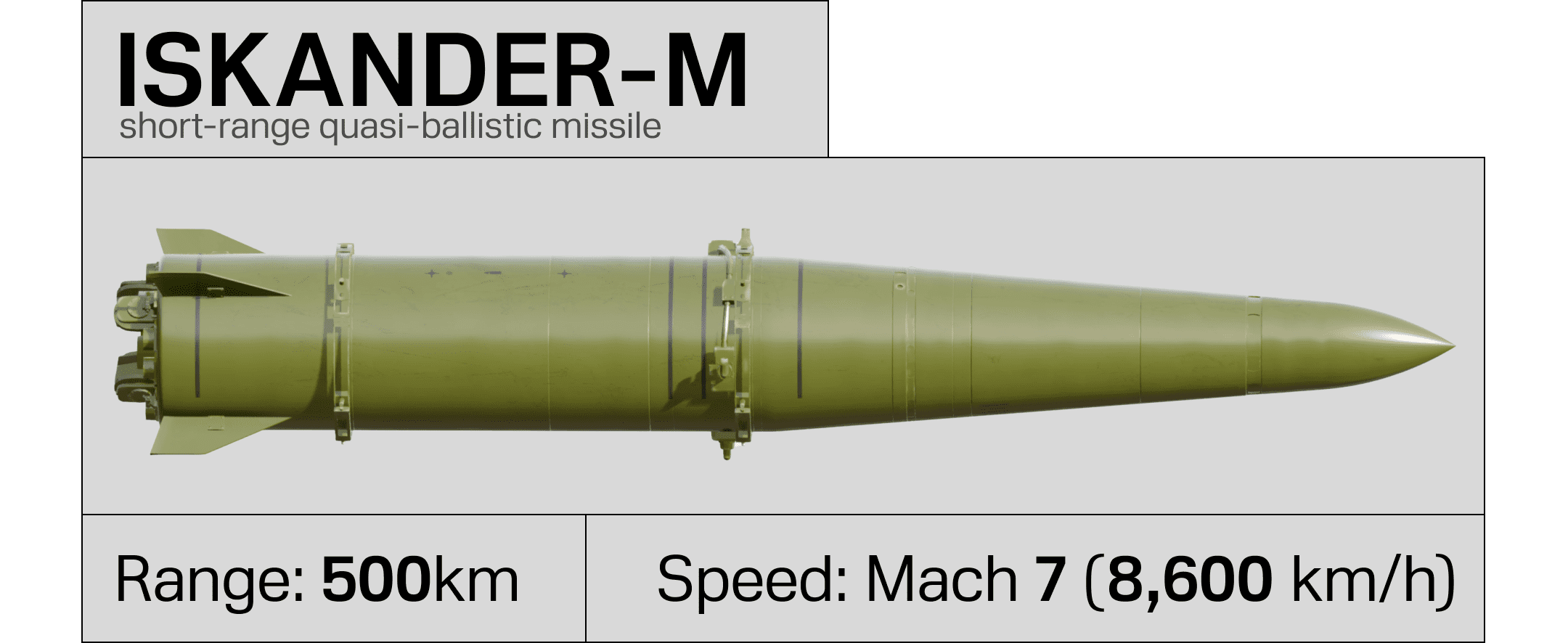
Russia used an Iskander-1000 missile to strike Kyiv for the first time, Ukraine’s Defense Intelligence reported. Its main difference from the previous version is a larger engine, which has increased its strike range to up to 550 kilometers, compared with approximately 390 kilometers for its predecessor. Ukrainian air defenses successfully intercepted the missile.
The difficult night gave way to an equally difficult day. By the end of the day, 13 air raid alerts had sounded in the capital—the highest number since the beginning of Russia’s full-scale invasion. The previous record was 12 air raid alerts on March 1, 2022.
In total, Kyiv spent 872 minutes—almost 15 hours—under air raid alert that day, with the final one beginning at 11:55 p.m. and continuing past midnight. Between 7 a.m. and 7 p.m. alone, Russia launched around 140 drones, more than 100 of them suicide attack drones, with most directed at the capital, the Ukrainian Air Force reported. Ukrainian air defenses shot down or suppressed around 120 of them. Four people were injured in Kyiv, two of whom were hospitalized.
The morning of August 28 began in much the same way, with air raid alerts sounding one after another in the capital and across the country. The timing of these events is particularly telling.
CIA in Moscow
CIA Director John Ratcliffe made an unannounced visit to Moscow on August 25—the first such visit by a sitting CIA director since November 2021. Neither the White House nor the CIA officially explained the purpose of the trip. The Kremlin confirmed that contacts had taken place, describing them as “interaction between intelligence services,” but explicitly denied reports that Ratcliffe had met personally with Putin.
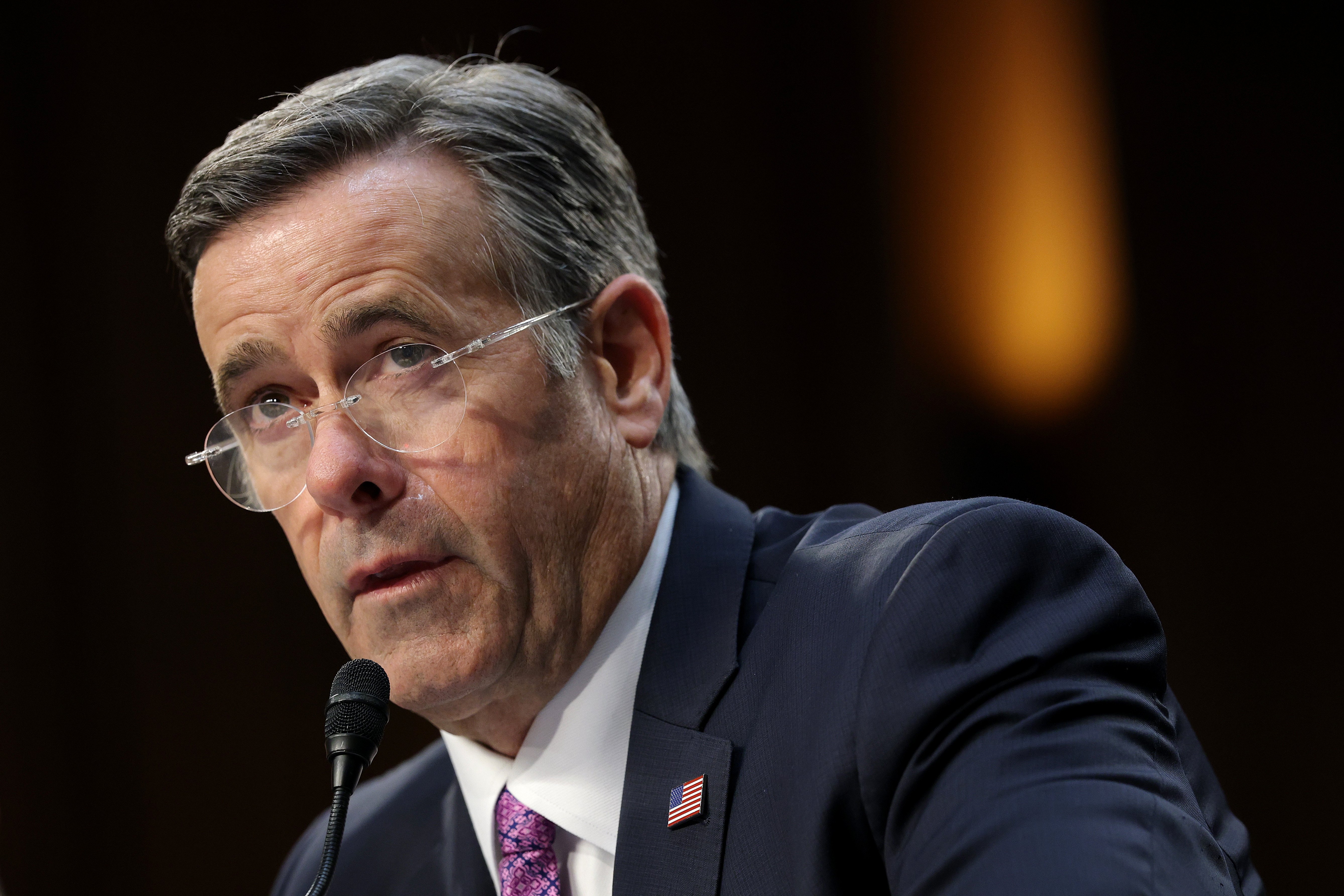
Several Western media outlets reported that the purpose of the visit was to warn Russia against strikes on NATO facilities amid concerns about further escalation of the war. Ratcliffe also reportedly conveyed a “bleak” assessment of the state of Russia’s war against Ukraine: the Kremlin could soon face economic consequences, and Moscow should therefore halt hostilities and come to the negotiating table.
Without exception, the reports point to the same conclusion: the US representative traveled to Moscow with one objective—to steer the current hostilities toward de-escalation.
Russia’s wordless answer
The hundreds of drones that have terrorized the Ukrainian capital for a second consecutive day are an unmistakable response from Putin to the desire of the United States, Ukraine, and Europe to finally sit down at the negotiating table.
Ukraine has consistently stressed the need for a ceasefire and the start of negotiations, demonstrating its readiness for a diplomatic settlement. The CIA director’s visit to Moscow could, in theory, have been a step toward opening such a diplomatic channel. Instead, the result was not a pause in hostilities, but a record number of air raid alerts and a ballistic missile strike on a civilian capital.
The gap between diplomatic rhetoric and actual behavior on the battlefield is the clearest indicator of genuine intentions. While one side speaks the language of negotiations, the other launches a massive attack. The rhetoric that follows points in the same direction: the Kremlin has no intention of stopping the war and plans to continue putting pressure on Ukraine.
And although Ukraine continues to insist on diplomacy, inaction is not an option under these circumstances. That is why it is critically important for Ukraine to continue pressuring Russia with the most effective weapon available—long-range strikes on Russian territory, including attacks designed to affect its economy. The objective is to ensure that Putin simply does not have the money to wage war.
For this reason, financial support from Ukraine’s partners remains critical, helping the country procure the weapons it needs and exert pressure on Russia both on the front lines and deep behind them. The Kremlin, it seems, only takes notice when smoke rises from an oil refinery near Moscow.
Discuss this article:



-c439b7bd9030ecf9d5a4287dc361ba31.jpg "Photo of Katherina Popilnichenko")