- Category
- War in Ukraine
Russia Floods Ukraine With Record Number of Jet-Powered Shaheds Straight From Factories
 Prefer U24 Media on Google
- Authors


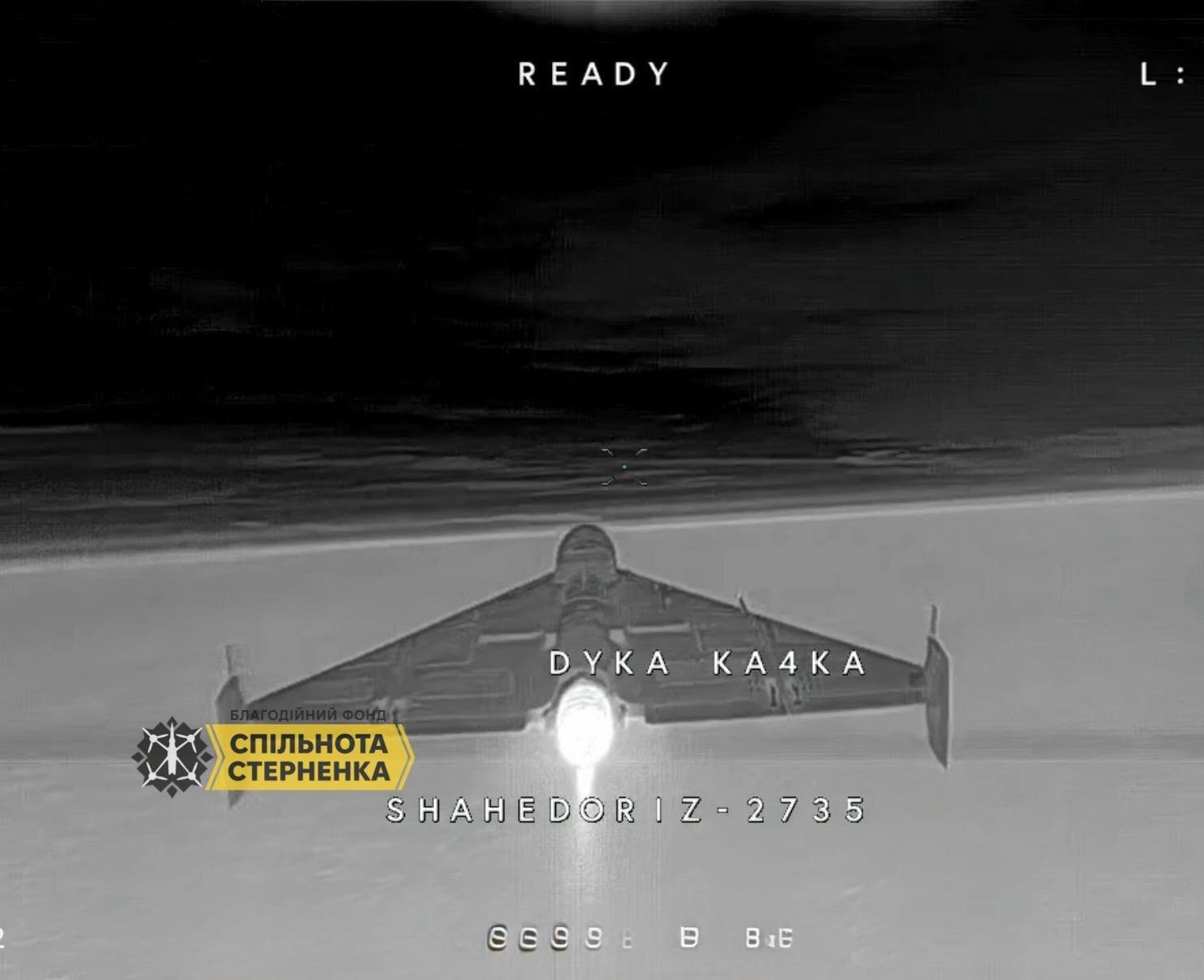
Russia is dramatically increasing its use of jet-powered Shahed-type attack drones against Ukraine, launching more than 2,500 in August alone and sending newly produced UAVs into combat almost immediately after they leave the factory, Ukrainian presidential defense technology adviser Serhii “Flash” Beskrestnov said.
According to Beskrestnov, Russia launched roughly 1,500 jet-powered Shaheds against Ukraine in July. By the end of August, that figure had already risen above 2,500—a jump of at least 67% in a single month.
We bring you stories from the ground. Your support keeps our team in the field.
“Jet-powered Shaheds are being launched at Ukraine practically straight from the factory,” Beskrestnov said.
The numbers suggest Russia is not building up a substantial reserve of the faster drones before deploying them. Instead, newly manufactured aircraft appear to be moving rapidly from production into operational use against Ukraine.
🤯 Russia launched over 2,500 jet-powered Shahed drones at Ukraine in August, up from 1,500 in July, according to presidential technology advisor Serhii "Flash" Beskrestnov.
— UNITED24 Media (@United24media) August 30, 2026
Ramping up production, Moscow is deploying the high-speed drones straight from factories. pic.twitter.com/AiXkCs15aE
Jet-powered Shahed variants pose a more difficult challenge for Ukrainian air defenses than their propeller-driven predecessors because their greater speed leaves defenders less time to detect, track and intercept them.
Beskrestnov has also drawn attention to an unusual flight pattern used by Russian drones heading toward Kyiv.
According to his observations, hundreds of the UAVs avoid taking the most direct route toward the Ukrainian capital and instead remain close to the Belarusian border for an extended portion of their flight.
❗️This is exactly how absolutely all hundreds (!) of jet Shaheds fly to Kyiv, closer to Belarus, — presidential advisor Serhiy "Flash" published a map with the route of their movement. pic.twitter.com/iNa3gA2JKQ
— MAKS 26 🇺🇦👀 (@Maks_NAFO_FELLA) August 30, 2026
He believes the route may be connected to communications equipment carried aboard the drones and their possible use of Belarusian civilian cellular infrastructure.
“I came to the conclusion that the LTE modems on the Shaheds, when flying along this route, are working with Belarusian mobile network base stations,” Beskrestnov said.
LTE modems can allow drones to exchange data through conventional cellular networks where coverage is available, potentially providing an additional communications or navigation channel.
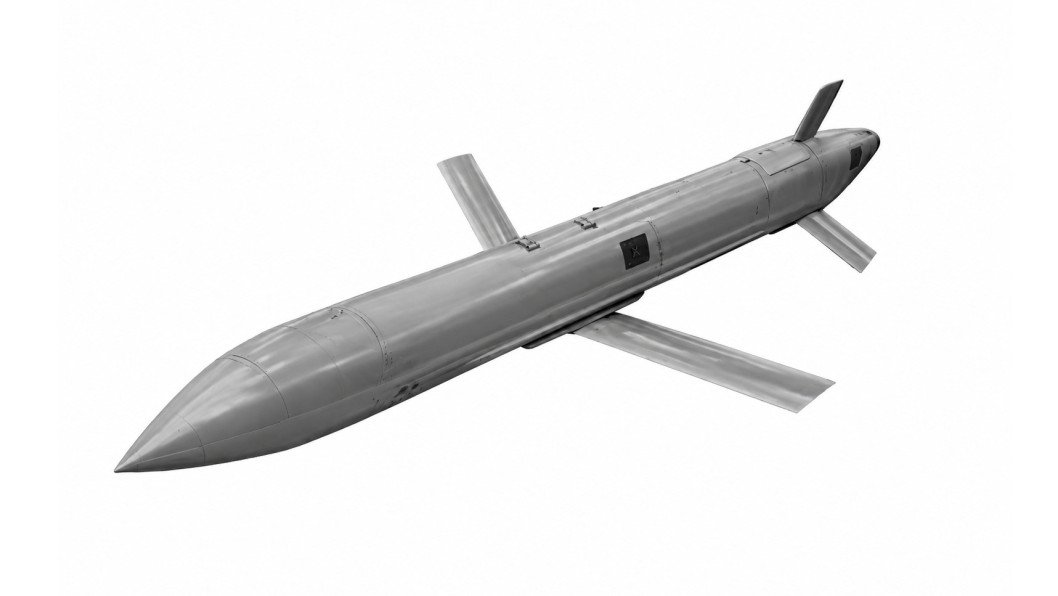
Beskrestnov said the theory could explain why Russian drones approaching Kyiv repeatedly follow routes close to Belarus rather than simply flying directly toward their targets.
He considers another possible explanation—that the drones are being directly controlled through Belarus-based MESH communications nodes—less likely.
“The communications points operate much farther than just up to the border,” Beskrestnov said.
Earlier, Ukrainian Defense Minister Yevhen Khmara stated that Ukraine has already field-tested four interceptor drone designs capable of taking down Russia’s new jet-powered Shahed-type drones and is now racing to refine the systems and manufacture them by the thousands.
Discuss this article: