- Category
- War in Ukraine
Russia Switches to Jet-Powered Shaheds After Ukraine Begins Shooting Down Up to 96% of Standards
 Prefer U24 Media on Google
- Authors


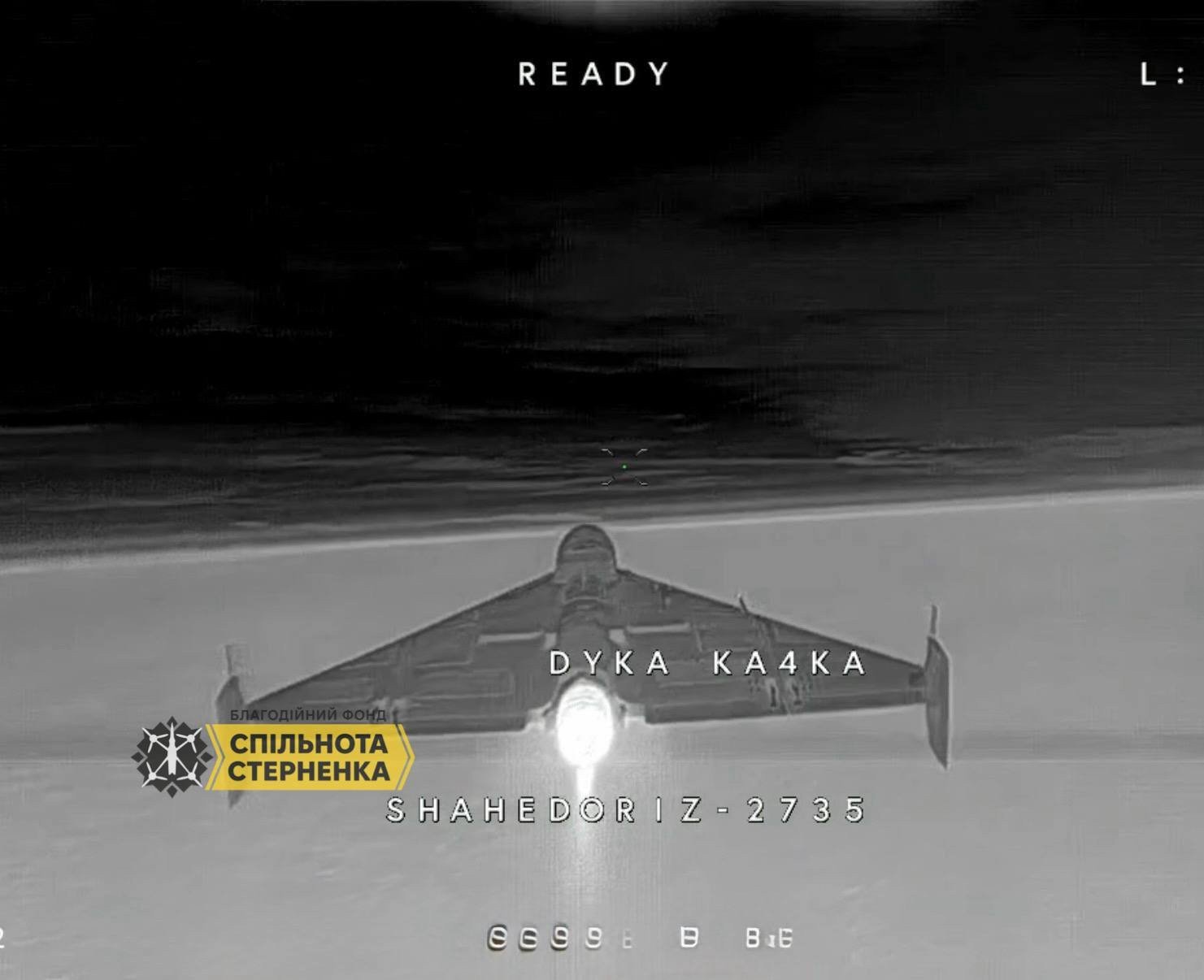
Russia is increasingly using jet-powered Shahed attack drones for strikes deep inside Ukraine after Ukrainian air defenses began intercepting between 92% and 96% of conventional propeller-driven Shaheds.
We bring you stories from the ground. Your support keeps our team in the field.
According to Serhii “Flash” Beskrestnov, an adviser to Ukraine’s defense minister, the shift reflects a change in Russian tactics after Ukraine significantly improved its ability to intercept conventional Shahed drones during long-range attacks. Beskrestnov made the statement in a Telegram post published on July 6.
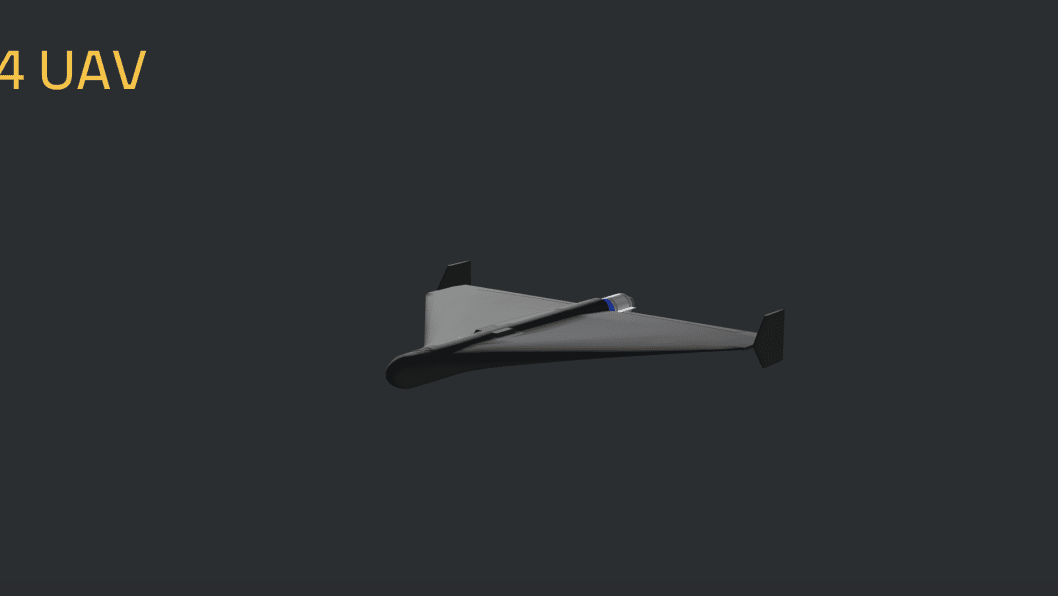
“As soon as we started shooting down 92–96% of gasoline-powered Shaheds during attacks on Ukraine’s deep rear, their use became impractical. Therefore, the enemy is increasingly using jet-powered Shaheds for attacks on the rear. Their numbers are growing,” Beskrestnov wrote.
According to Beskrestnov, conventional Shahed drones continue to be widely used against Ukrainian regions near the Russian border. He said roughly 200 of these drones are launched daily against fuel stations, warehouses, transport infrastructure, and energy facilities in border areas.
He explained that Russia can rely on radio control for these shorter-range missions because the proximity to the border reduces dependence on GPS or satellite communications, which are more vulnerable to Ukrainian electronic warfare.
Jet-powered Shahed variants present a greater challenge for Ukrainian air defenses because they fly at significantly higher speeds—approximately three times faster than standard Shaheds—and at higher altitudes, making interception more difficult.
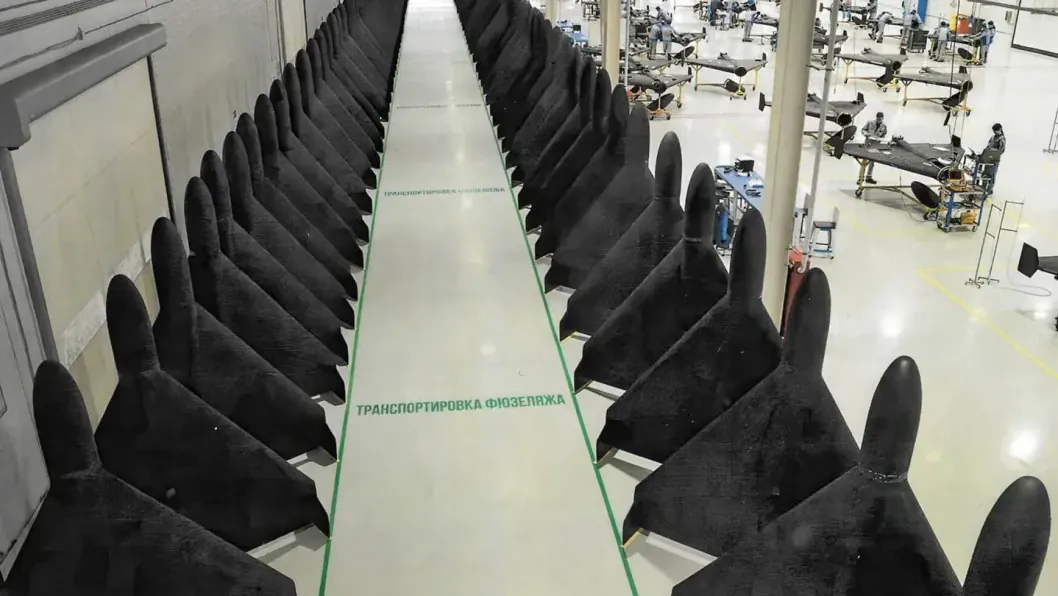
Beskrestnov also said the overall number of Shahed drones launched against Ukraine has declined in recent weeks despite no apparent technical or economic limitations on Russian production. He suggested this could indicate that part of Russia’s manufacturing capacity is being redirected toward serial production of jet-powered variants.
According to Beskrestnov, Russia is also moving away from mass drone barrages toward more selective strikes. He said Russian forces are conducting multi-stage reconnaissance of intended targets, studying Ukrainian electronic warfare systems, radar coverage, and air defenses before identifying flight corridors designed to avoid interceptors.
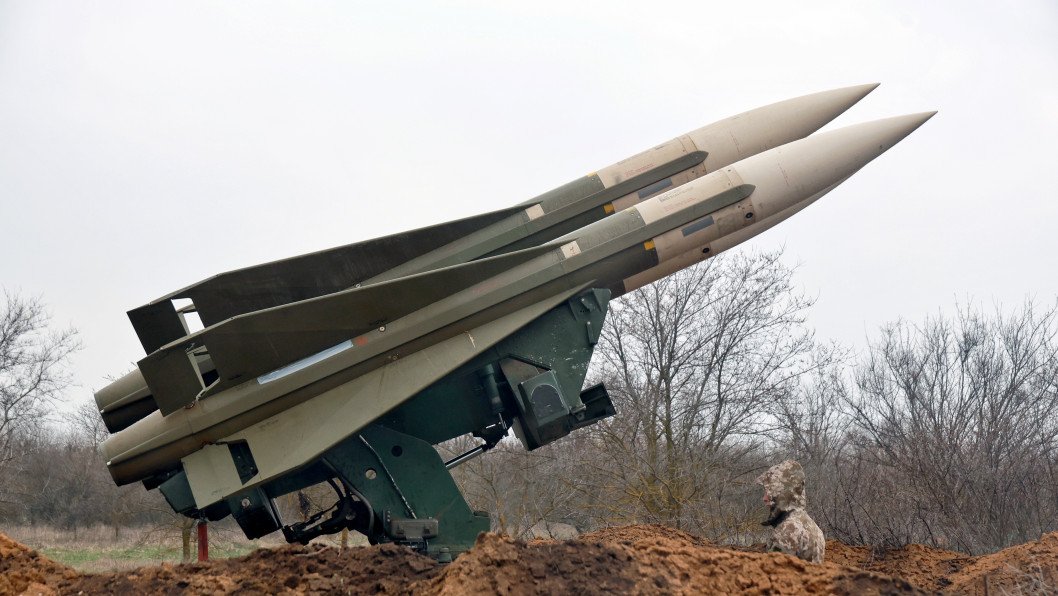
“Important targets are selected, reconnaissance of facilities is conducted in several stages, our defense lines (EW, radar, air defense) are studied, corridors bypassing interceptors are probed, and routes are built at different altitudes and speeds,” he wrote.
Beskrestnov added that Russia is employing Shahed drones equipped with the “Seeker” modification, which he said includes target acquisition capabilities.
The assessment follows Russia’s large-scale overnight attack on July 6, when it launched 351 drones and 68 missiles, primarily targeting Kyiv. Ukrainian air defenses intercepted 326 drones, underscoring their continued effectiveness against conventional Shahed attacks even as Russia adapts its strike tactics.
Discuss this article:
-9a7b3a98ed5c506e0b77a6663f5727c5.png)


-c439b7bd9030ecf9d5a4287dc361ba31.jpg "Photo of Katherina Popilnichenko")

-111f0e5095e02c02446ffed57bfb0ab1.jpeg "Photo of Roman Kohanets")