- Category
- War in Ukraine
Ukraine Warns Russia Built a New Drone Specifically to Cut Power Lines
 Prefer U24 Media on Google
- Authors


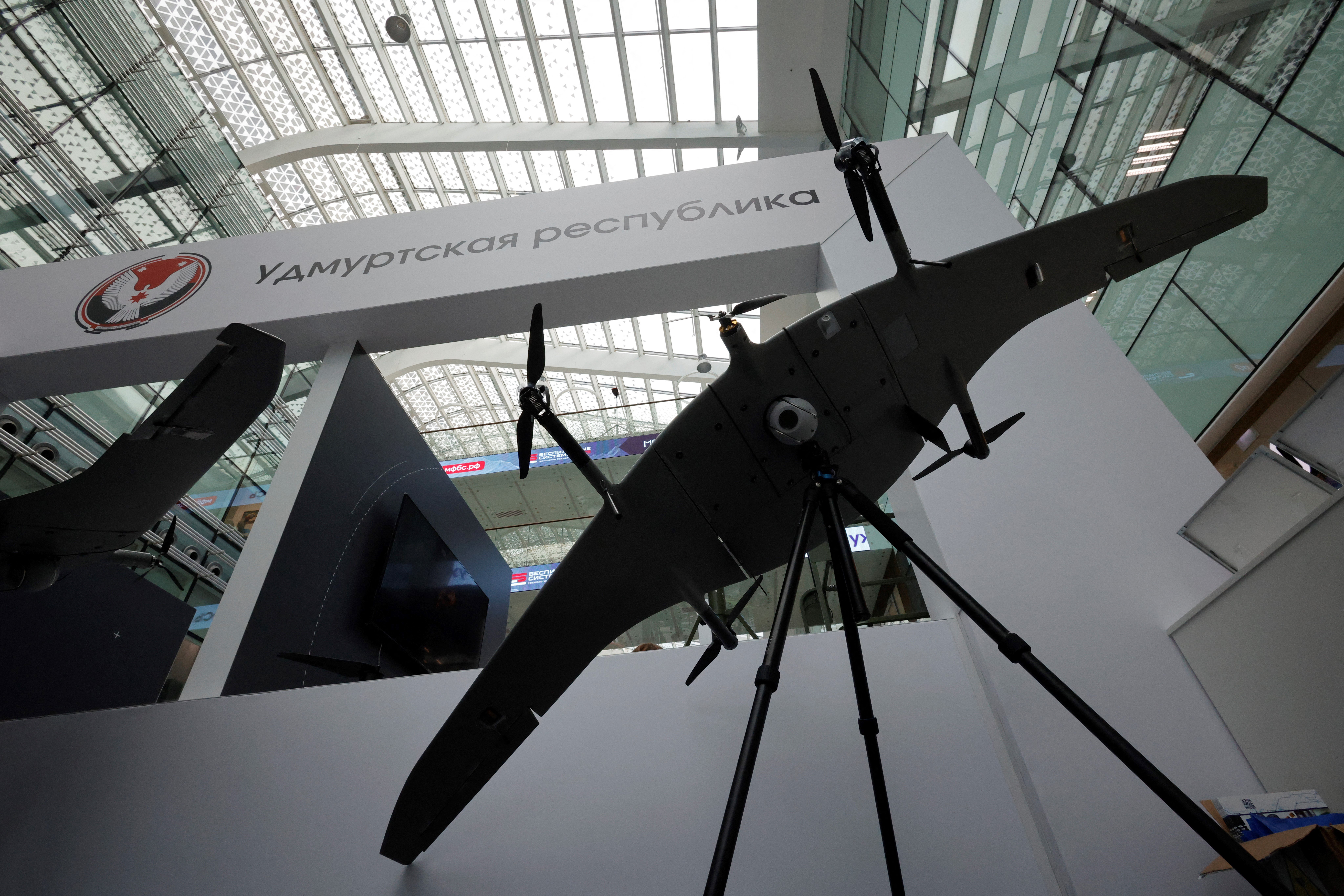
Russia has recently developed a drone specifically designed to attack Ukraine’s power transmission lines, using explosive elements embedded in its wings that can cut through metal, Vadym Skibitskyi, deputy chief of Ukraine’s Main Directorate of Intelligence (HUR), said in an interview with RBC-Ukraine on August 18.
The new weapon could pose an especially serious threat as Ukraine approaches another winter under the threat of Russian attacks on its energy infrastructure.
We bring you stories from the ground. Your support keeps our team in the field.
According to Skibitskyi, Ukrainian military intelligence currently sees no battlefield signs suggesting that Moscow is preparing to halt its war of aggression against Ukraine or enter meaningful peace negotiations.
He added that Russian leader Vladimir Putin remains focused on achieving territorial objectives in eastern Ukraine, particularly in the Donetsk and Luhansk regions.
At the same time, HUR expects Russia to continue targeting a broad range of Ukrainian military and civilian infrastructure.
“According to military intelligence, the targets will remain the same—the defense-industrial complex, military facilities, energy, the logistics system, and gas stations,” Skibitskyi said.
Graphite Bomb BLU-114 with Carbon Filament Canisters designed to short out power lines and transformers which will not permanently damage the grid. pic.twitter.com/DKh6jDSa7P
— Sam Riddle (@RedListCommando) April 3, 2026
“As we can see now, they are striking not only military but also civilian facilities. In winter, our most vulnerable areas are electricity and heating, so they may also come under attack.”
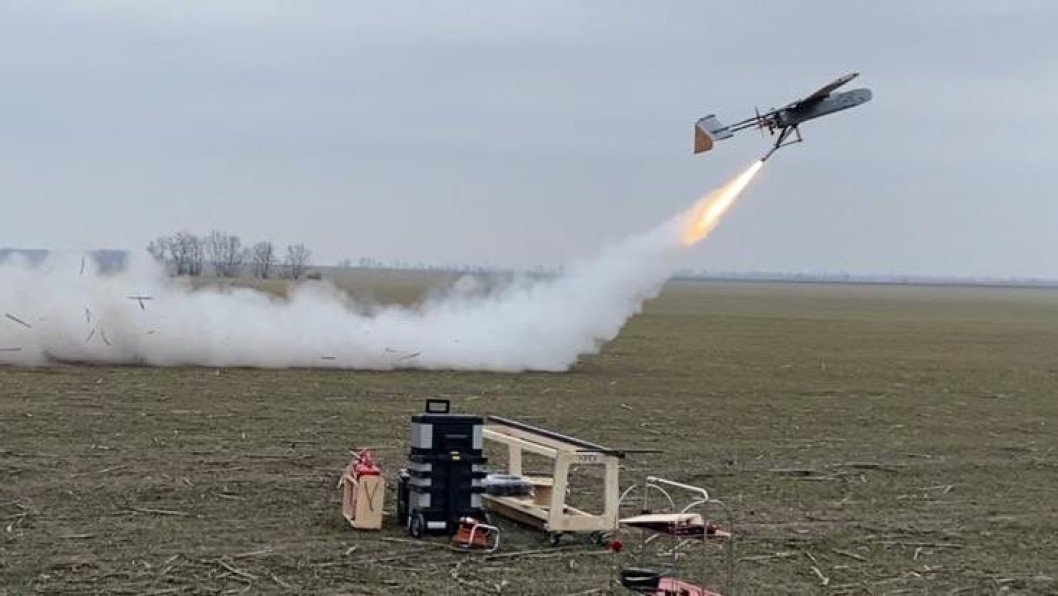
Among the threats identified by Ukrainian intelligence is a newly developed Russian drone apparently designed specifically to damage electricity pylons and transmission lines.
“For example, not long ago the Russians developed a drone designed to strike electricity pylons—power transmission lines. An explosive element is built into its wings that is capable of cutting through metal,” Skibitskyi said.
Such a weapon could allow Russia to attack parts of the power grid that are difficult to protect comprehensively, potentially damaging transmission infrastructure even without striking major power plants or substations.
Skibitskyi said HUR’s assessment is also based on Russian reconnaissance activity inside and over Ukraine, including surveillance conducted by satellites.
“We draw our conclusions from analyzing the enemy’s intelligence activity on our territory, including the use of spacecraft that conduct reconnaissance of critical infrastructure facilities throughout Ukraine,” he said.
Electricity and heating are not the only systems Ukrainian intelligence considers vulnerable heading into fall and winter.
The warning comes just days after Russia’s Defense Ministry itself appeared to openly foreshadow a winter strike campaign.
On its official Telegram channel, the ministry published an image of Shahed-type attack drones accompanied by the words “Like snow on your head” and “In winter, you’ll get a ‘freeze,’” an apparent threat of renewed attacks aimed at plunging Ukraine into power and heating disruptions during the coldest months.
Skibitskyi also pointed to potential threats to water supplies, Ukraine’s gas transmission network, and domestic gas production facilities.
Earlier, reports emerged that North Korea has claimed it successfully tested electromagnetic weapons and so-called “blackout bombs,” with Kim Jong Un describing the systems as “special means of strategic character.”
Discuss this article:
-9a7b3a98ed5c506e0b77a6663f5727c5.png)






-bd4f3bab1c9a2691bdd3f19a41246909.jpg "Recruits are inducted into Ukraine’s 144th Special Operations Center on June 29, 2025, in Ukraine.")