- Category
- War in Ukraine
Ukraine Jams GPS, but Russia’s Iskander Missiles Still Hit Bridges With Precision—Here’s Why
 Prefer U24 Media on Google
- Authors


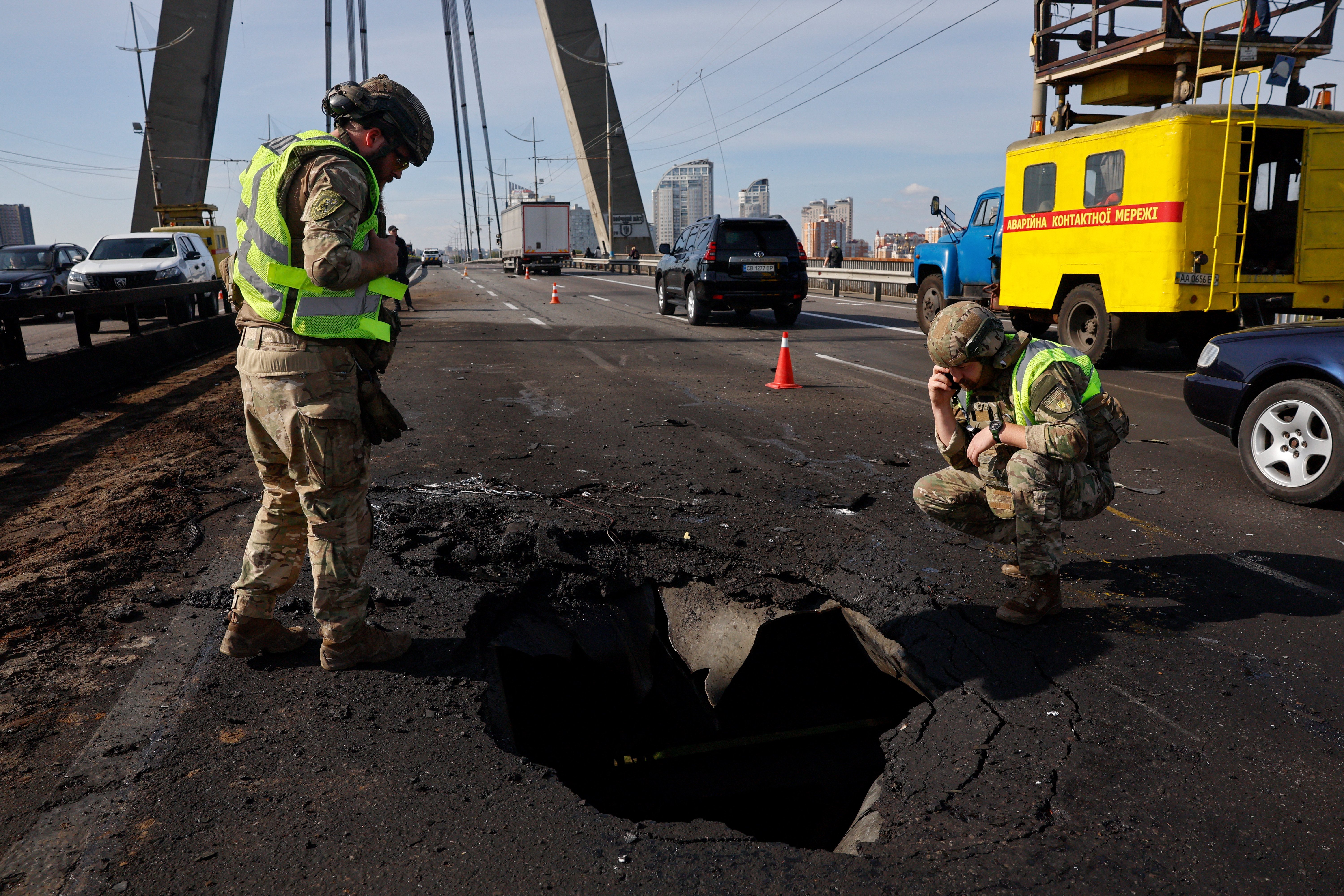
Russian forces are using optical and radar-guided homing systems to improve the accuracy of Iskander ballistic missile strikes against bridges in Ukraine, according to Serhii Beskrestnov, a Ukrainian presidential adviser and radio technology specialist known as “Flash,” on November 9.
We bring you stories from the ground. Your support keeps our team in the field.
Beskrestnov reported that Russia has been able to strike bridges with considerable precision despite widespread efforts to disrupt satellite navigation signals across Ukraine during air raid alerts.
“Unfortunately, the enemy is striking bridges with great accuracy. How are they managing to do this? Under conditions of total navigation suppression across the entire country during air raid alerts, it is difficult for an Iskander to hit a target with meter-level accuracy. An inertial navigation system cannot provide that level of precision,” Beskrestnov said.
According to him, Russian forces are improving the accuracy of Iskander missiles by equipping them with optical guidance seekers, including the 9E436 and 9B918 models, or more expensive radar-guided 9B918 seekers.

These systems allow missiles to make final adjustments to their trajectories as they approach their targets, compensating for the limitations of inertial navigation in environments affected by electronic warfare.
Beskrestnov explained that radar-guided systems scan the terrain during the missile's final descent, allowing its guidance system to calculate and apply corrections shortly before impact.
“As the warhead descends, radar scanning of the terrain takes place over several seconds, and a correction is entered into the missile's guidance system,” the adviser explained.

The assessment comes amid growing concerns that Russia could increasingly target strategically important bridges, particularly those connecting different parts of Ukraine’s capital.
On October 8, The Telegraph reported that Moscow could intensify attacks on Kyiv’s seven bridges spanning the Dnipro River in an attempt to divide the city and disrupt transportation networks across northern Ukraine.
The British newspaper warned that Russia appeared to be shifting its attention toward critical civilian infrastructure as winter approached, with major transport connections potentially becoming increasingly vulnerable.
Given Kyiv’s importance as a major road and railway hub, damage to its bridges could have consequences extending well beyond the capital. Disabling crossings over the Dnipro could effectively separate the city’s two banks while severely disrupting transportation routes and logistical operations throughout northern Ukraine.
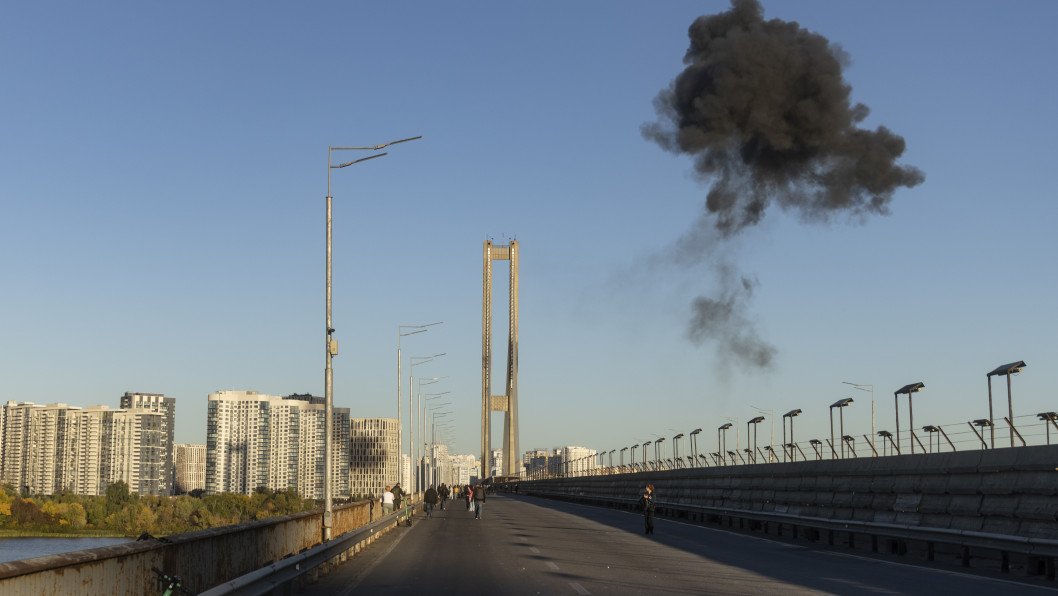
Meanwhile, Ukraine has continued targeting facilities involved in Russia’s ballistic missile production, seeking to undermine Moscow’s ability to manufacture the weapons used in such strikes.
Earlier on November 9, Ukraine’s General Staff reported that Ukrainian forces had struck the Morozov Plant, a Russian defense industry facility near St. Petersburg responsible for producing solid-propellant charges used in Iskander-M ballistic missiles.
The overnight attack damaged three production workshops at the facility, which specializes in manufacturing explosives and components for missile propulsion systems. According to the General Staff, the full extent of the damage is still being assessed.
Discuss this article: