- Category
- Latest news
Russia Claims Ukraine Used “Graphite Bomb” Drones. Here’s What That Means
 Prefer U24 Media on Google
- Authors


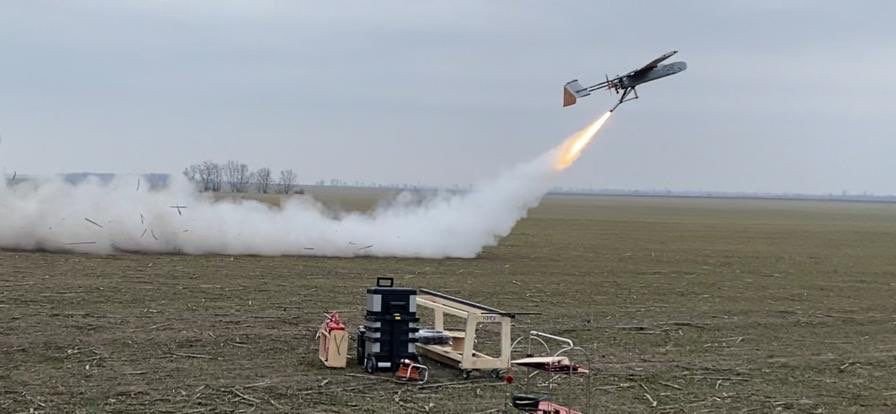
Russian sources have claimed that Ukrainian forces recently used drones equipped with so-called “graphite bombs” during nighttime strikes in the occupied part of the Donetsk region, though these reports remain unverified.
The drones were allegedly fitted with unconventional payloads designed to disrupt critical infrastructure, according to Defense Express on April 6.
We bring you stories from the ground. Your support keeps our team in the field.
As evidence, pro-Russian channels published video footage showing fragments of unidentified munitions with unusual structure, though no markings or confirmed identifiers were visible.
There has been no official confirmation from Ukrainian authorities regarding the use of such weapons.
In military terminology, “graphite bombs” typically refer to specialized munitions designed to disable electrical infrastructure rather than destroy it physically.
ВСУ применили «графитовые бомбы» , которые, взрываясь в воздухе выбрасывают графитовые нити, приводящие к замыканию ЛЭП
— Garry (@Garry417271035) April 6, 2026
05.04,2026 ДНР pic.twitter.com/L63e0fs7Ke
These weapons disperse fine graphite filaments over a wide area. Because graphite conducts electricity, the material can cause short circuits when it comes into contact with power lines, transformers, and other electrical systems.
This type of weapon has been used in past conflicts, including US-led operations in Iraq in the early 1990s and in Yugoslavia in 1999, where such munitions were deployed to disrupt large portions of national power grids.
If similar technology were adapted for drone use, it would likely involve a non-cluster payload containing conductive materials designed to achieve a similar effect on a smaller scale.
-a0b35bfcbe089eb7ede164b42f6aba00.png)
It is also unclear whether the materials shown in the circulated images are actually conductive filaments or unrelated components from drone structures or conventional warheads.
If confirmed, the use of graphite-based payloads would represent a shift toward non-kinetic methods of targeting infrastructure—disabling systems without causing widespread physical destruction or civilian casualties.
For now, however, the claims remain based solely on Russian reporting and have not been independently verified.
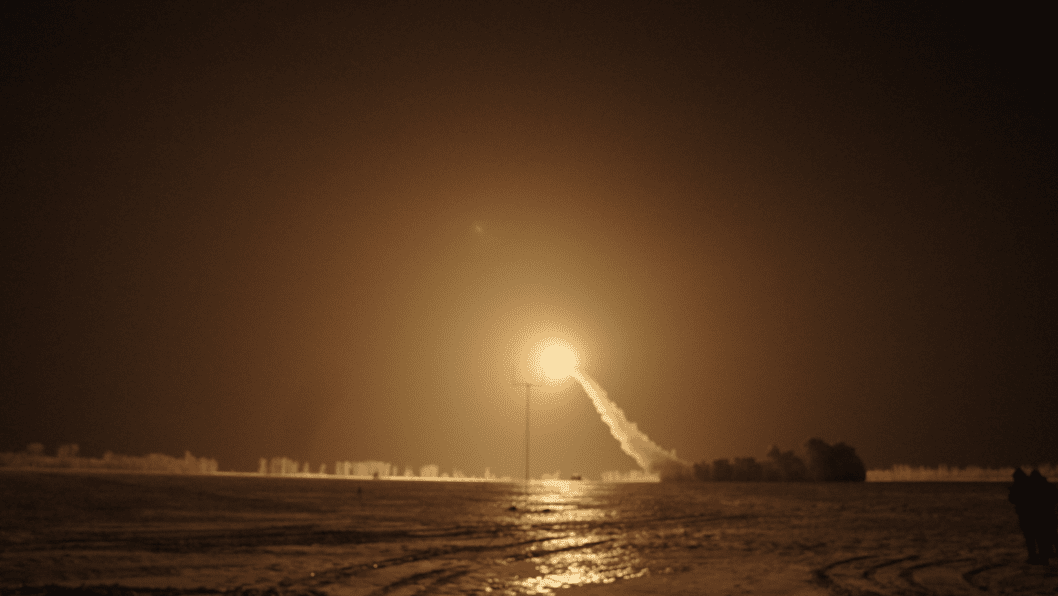
Earlier, Ukraine’s Fire Point has adapted its FP-1 strike drones into airborne platforms for anti-aircraft weapons and interceptor FPV drones.
The Ukrainian company expanded the FP-1 family beyond its original long-range strike role by developing new carrier variants. One version was built to launch FPV interceptor drones, while other modifications were fitted to use anti-aircraft weapons against hostile unmanned systems.
Discuss this article:
-9bd5e1532102621f8fb1c4ba871a3171.png)


-111f0e5095e02c02446ffed57bfb0ab1.jpeg "Photo of Roman Kohanets")


-72b63a4e0c8c475ad81fe3eed3f63729.jpeg "Photo of Cyril Barabaltchouk")