- Category
- War in Ukraine
No Signs Russia Is Ready to Stop War in Ukraine, Intelligence Warns
 Prefer U24 Media on Google
- Authors

-c439b7bd9030ecf9d5a4287dc361ba31.jpg "Photo of Katherina Popilnichenko")
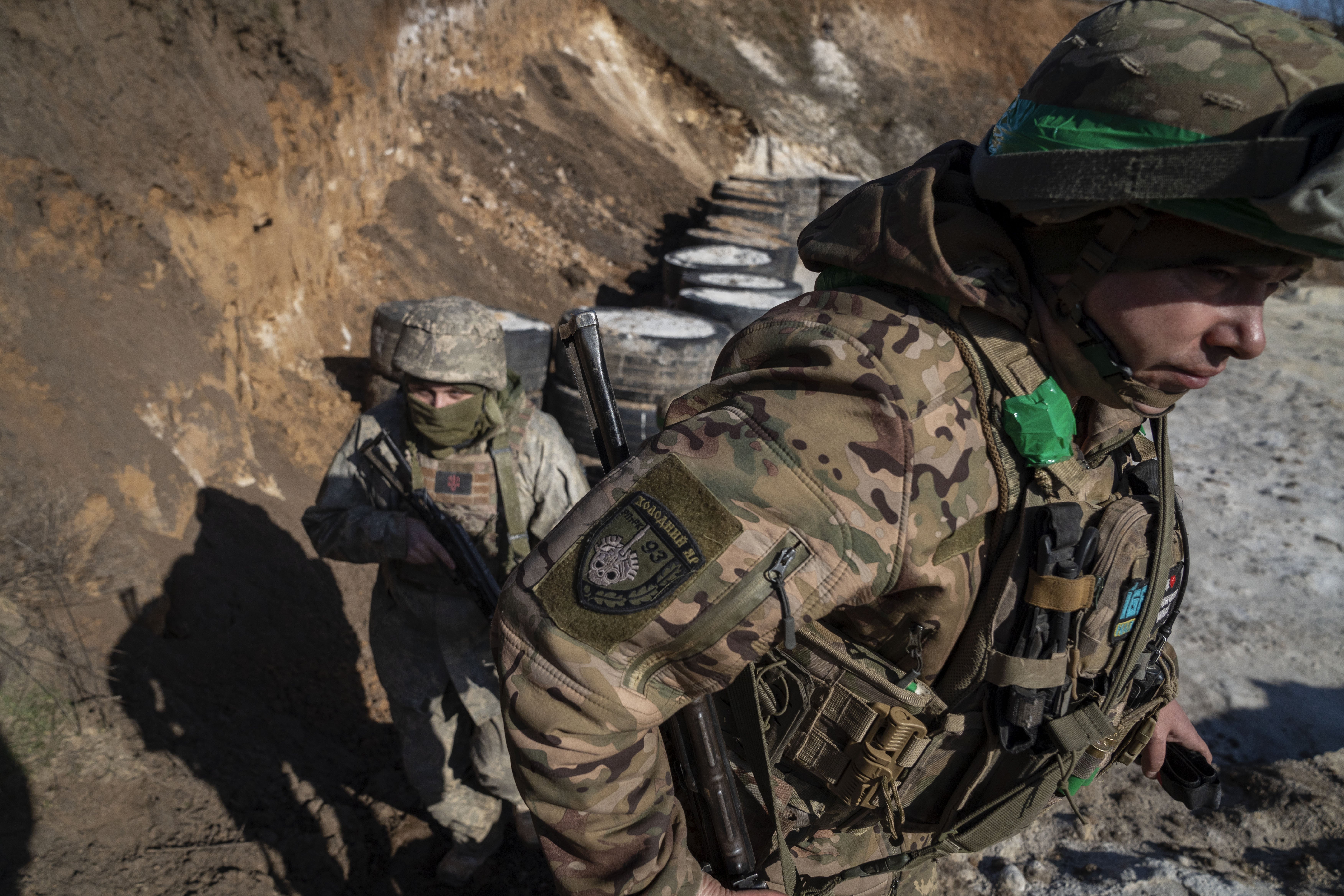
Ukrainian defense intelligence sees no indications that Moscow is prepared to agree to a ceasefire or start genuine negotiations regarding Russia’s full-scale invasion of Ukraine.
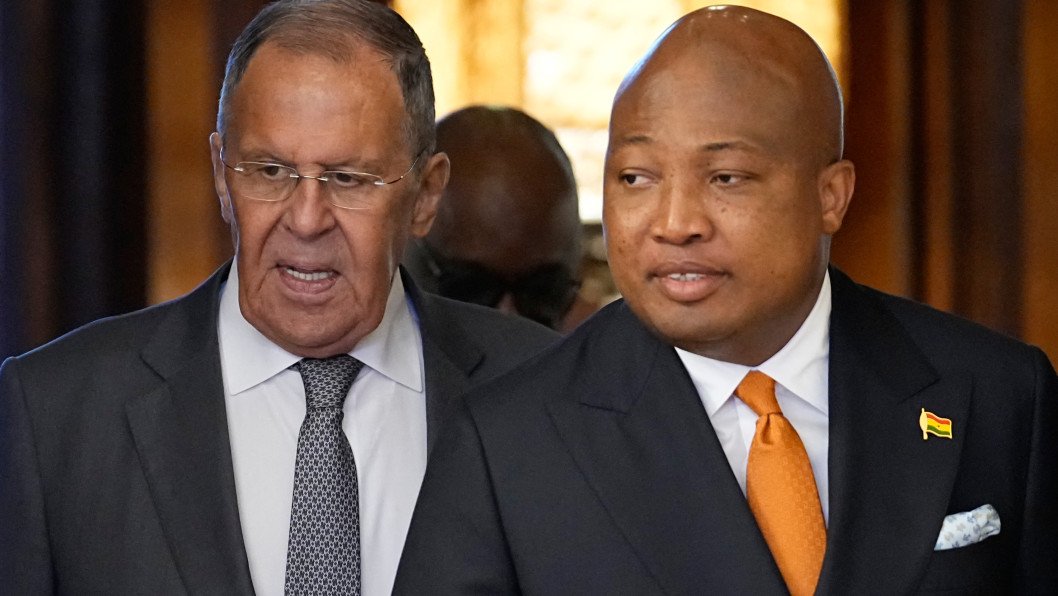
Vadym Skibitskyi, Deputy Chief of the Main Directorate of Intelligence of the Ministry of Defense of Ukraine, stated in an interview with RBC-Ukraine on August 18 that current battleground conditions offer no evidence of Russian willingness to halt the war in Ukraine.
We bring you stories from the ground. Your support keeps our team in the field.
According to military assessments, no peace deal or cease-fire agreement to end the war in Ukraine will be reached before the end of the year.
"The analysts of the Defense Intelligence of Ukraine proceed from the assumption that there are no signs on the battlefield that would indicate Russia's readiness to cease fire and start normal negotiations. Their plans are such and this is what they say: until the end of this year, there will be no agreements and signing of a peace agreement," Skibitskyi noted.
Intelligence officials report that Russian President Vladimir Putin remains focused on taking full control of the Donetsk and Luhansk regions. The Russian General Staff has set a goal to complete the total capture of Donetsk region by the end of this year, Skibitskyi explained.
Looking ahead to the coming autumn and winter months, Russian forces intend to continue targeting military positions, defense industry facilities, energy infrastructure, logistical hubs, and gas stations across Ukraine.
Skibitskyi pointed out that electrical power and heating networks will remain the most vulnerable areas during the winter period. To execute these attacks during the war in Ukraine, Russian forces recently engineered a specialized drone designed to destroy power lines, featuring explosive components integrated into its wings that can cut through metal.
Additional targets in the coming months may include water supply systems, gas transportation networks, and gas extraction sites located in the Poltava and Kharkiv regions.
According to Skibitskyi, the Russian government had long been establishing a closed digital space under the total control of its security services.
Speaking at the Kyiv StratCom Forum 2026, he explained that the restrictions on global platforms in Russia were part of a long-term strategy to isolate society and redirect users to domestic digital services monitored by Russian intelligence.
Although international platforms like Telegram, WhatsApp, TikTok, and YouTube remained highly popular among Russian citizens, Ukrainian military intelligence estimated that these usage numbers could decrease significantly over the following few years.
Discuss this article:
-9a7b3a98ed5c506e0b77a6663f5727c5.png)