- Category
- World
Russia Has Started Supplying Explosives to Iran to Replenish Weapons Stocks
 Prefer U24 Media on Google
- Authors

-c439b7bd9030ecf9d5a4287dc361ba31.jpg "Photo of Katherina Popilnichenko")
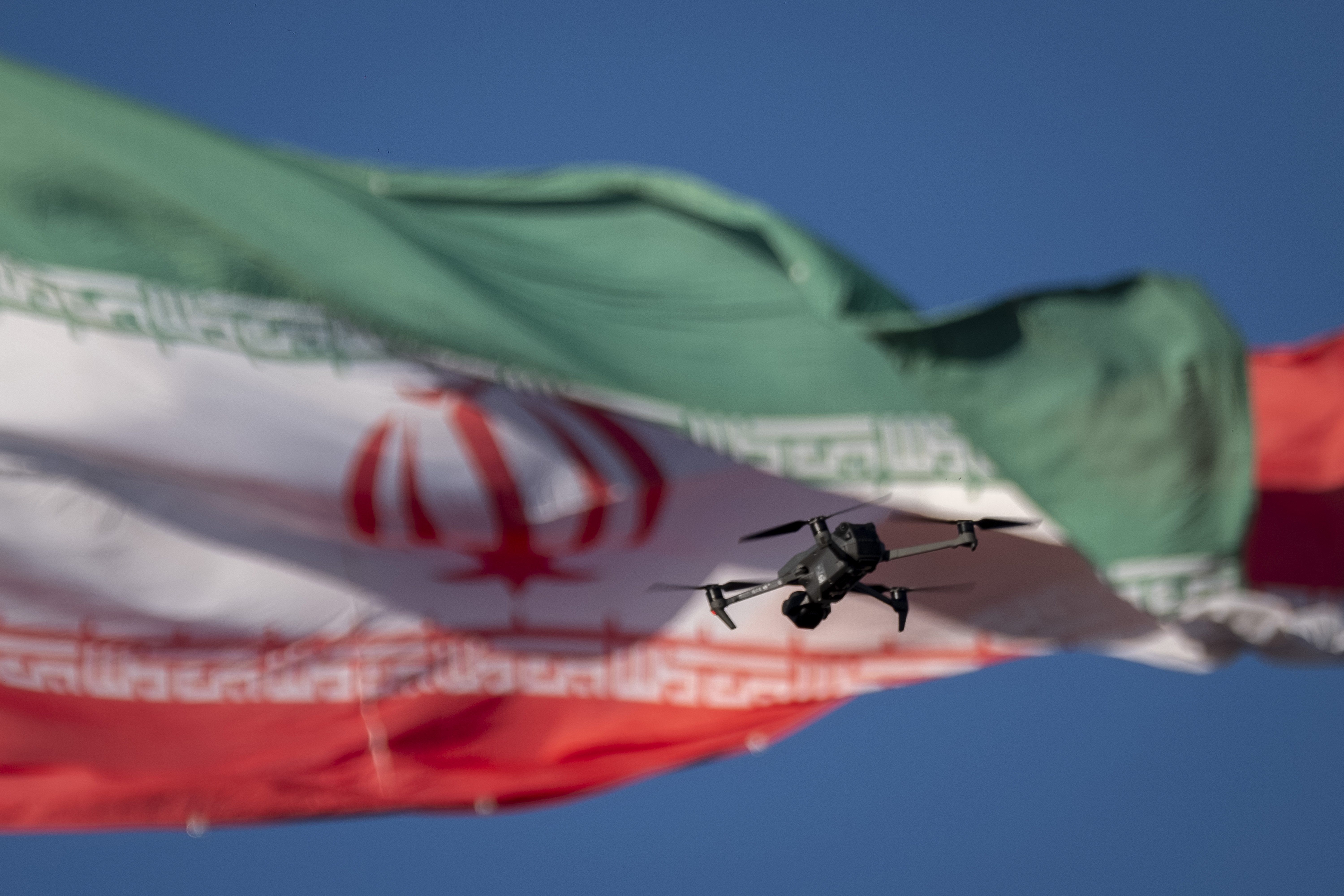
Russia has begun shipping explosives, ammunition, and drone parts across the Caspian Sea to help Iran replenish its missile and drone stocks following strikes by the US and Israel.
According to a European government document cited by NBC News on August 18, the maritime route allows both nations to transfer military cargo directly between Russian and Iranian ports.
We bring you stories from the ground. Your support keeps our team in the field.
The landlocked Caspian Sea is bordered by five countries: Russia, Iran, Kazakhstan, Turkmenistan, and Azerbaijan. Because Western navies, including the US Navy, do not operate in these waters, they cannot interdict shipments moving between the two allies.
In late March, Israel targeted the Iranian port complex of Bandar Anzali on the Caspian coast. Israeli officials said the facility was used to transport weapons from Russia. Shipments through the port restarted shortly after the operation.
The reliance on this supply route highlights a growing strategic alliance between Moscow and Tehran. Iranian forces have used drones and missiles against US military bases in the Middle East, leading to the deaths of at least 18 American service members since the start of active hostilities.

During the early stages of Russia’s full-scale invasion of Ukraine, Tehran provided primary support to Moscow. Iran supplied ready-to-use Shahed strike drones alongside production technology. Russian engineers later upgraded the design and established mass production inside Russia.
Reports from Financial Times previously indicated that Russia began sending drones back to Iran while sharing satellite imagery, intelligence, and targeting data to hit US positions in the Middle East.
US and Iranian officials agreed to a 60-day ceasefire in mid-June, which was extended for another two months in August. Reports from The Wall Street Journal state that Tehran is using this pause in fighting to rebuild its military inventory. Iranian officials aim to inflict sufficient damage on US and Israeli forces to deter future large-scale strikes on Iranian territory.
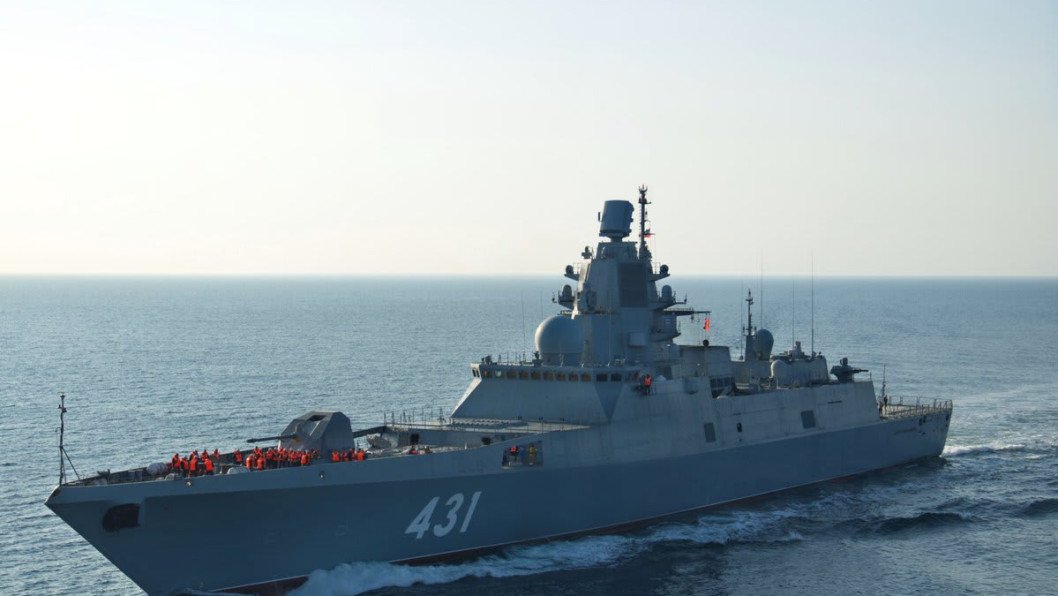
On July 25, 2026, Ukraine’s Security Service (SBU) launched long-range drone strikes against multiple Russian military and logistical targets, hitting air defense systems in Rostov-on-Don and naval assets in the Caspian Sea.
The SBU reported damaging a 92N6E radar tower, a Tor-M2 air defense system, an electronic warfare complex, and two FPV drone warehouses in Rostov-on-Don.
In the Caspian Sea, Ukrainian drones targeted the Filanovsky offshore oil platform alongside two sanctioned cargo ships, the Port Olya 2 and the Begey, which had been transporting Iranian military equipment and ammunition to Russia.
Additionally, Ukrainian forces struck a Russian Project 12418 Molniya-class missile boat stationed in the region.
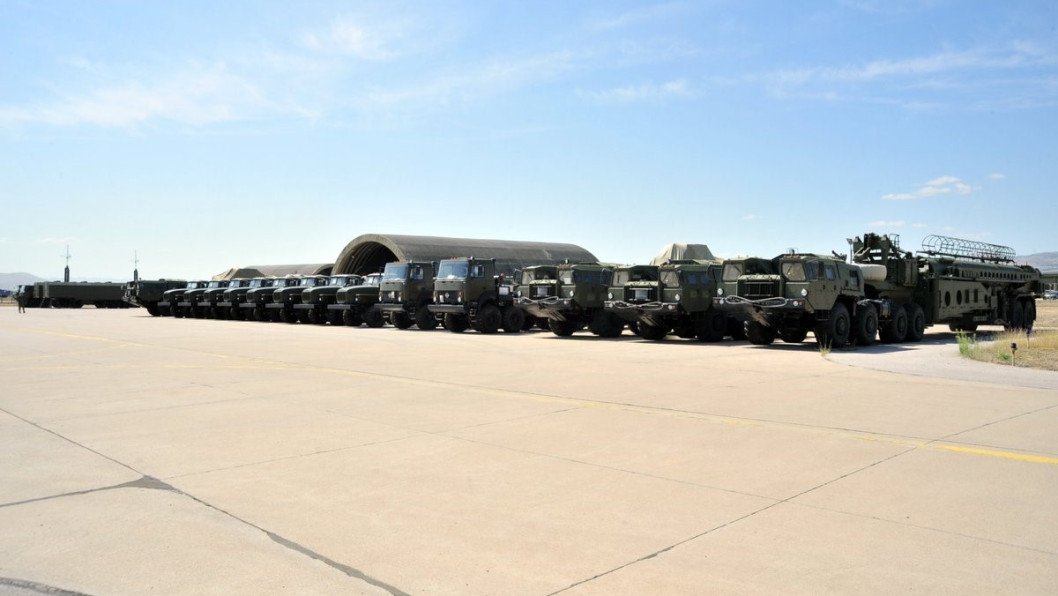
In March 2026, Russia openly declared its support for Iran amid escalating confrontations involving the United States and Israel, signaling that Moscow did not consider itself a neutral actor in the Middle East crisis.
Russian Ambassador to the United Kingdom Andrei Kelin confirmed that Moscow was siding with Tehran, criticizing Western governments for placing full blame on Iran while ignoring initial strikes by the US and Israel.
Pointing to the deepening strategic partnership between the two nations since the start of Russia's full-scale invasion of Ukraine, Kelin called for an immediate end to hostilities and a return to political dialogue rather than military escalation.
Discuss this article:

-111f0e5095e02c02446ffed57bfb0ab1.jpeg "Photo of Roman Kohanets")



-72b63a4e0c8c475ad81fe3eed3f63729.jpeg "Photo of Cyril Barabaltchouk")