- Category
- War in Ukraine
What Exactly Did Russia Achieve by Striking Ukraine’s Infrastructure With Thousands of Shaheds?
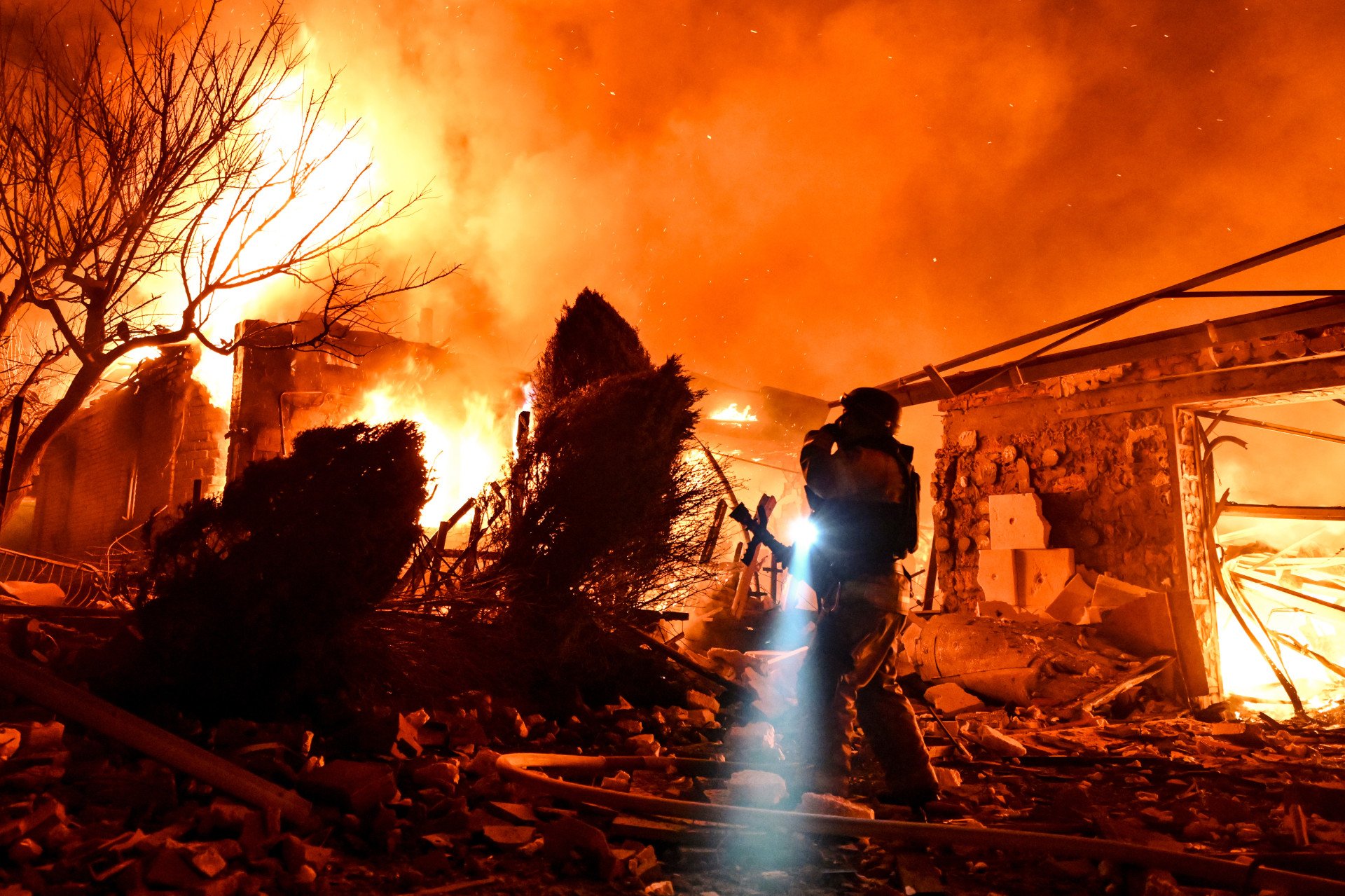
Russia has spent hundreds of millions launching thousands of drones and missiles at Ukraine’s civilian infrastructure, targeting electricity, heating, homes, schools, and hospitals, and causing civilian deaths and widespread damage. But what has this costly campaign actually delivered?
 Prefer U24 Media on Google
After the failure of the initial full-scale invasion of Ukraine to capture Kyiv and other major cities, Russia enacted significant and sustained air strikes on Ukrainian civilian infrastructure. During the winter, it has focused on electricity and heating supplies, making life more difficult for the people of Ukraine, as well as transportation, shipping, and other infrastructure.
In 2025 and 2026, Russia massively increased the volume of attacks, with 19,000 drones over the winter alone. This caused blackouts and limited access to heating for millions of Ukrainians. At the same time, it targeted railways, ports, and industrial infrastructure to weaken Ukraine’s economy.
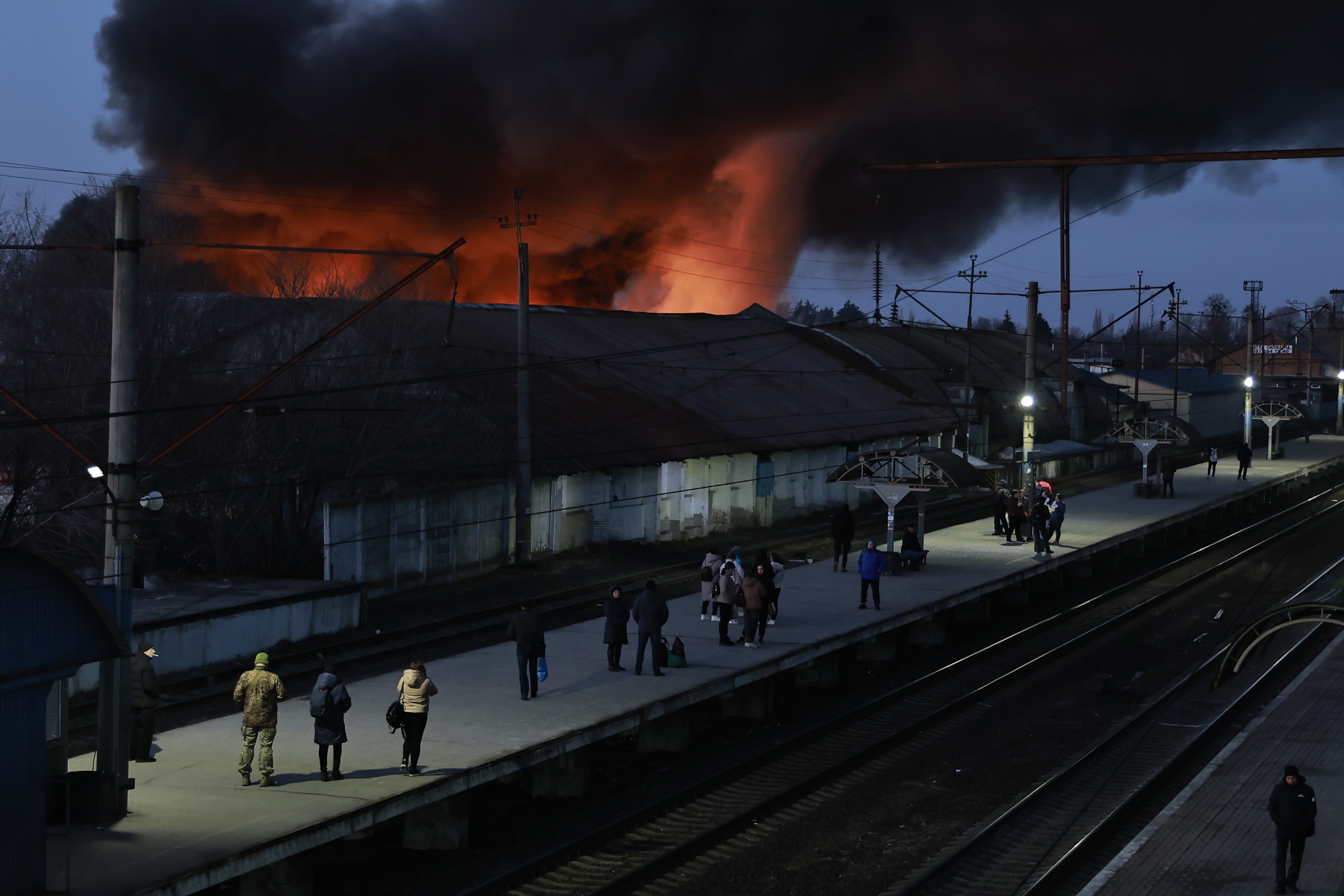
“The end goal is to deprive Ukraine of the industrial capacity to defend itself and destroy the basic amenities to sustain even a minimum standard of living,” wrote the Atlantic Council experts. “Kremlin officials hope this will break Ukrainian morale and enable Putin to dictate the terms of peace.”
However, despite its scale, Russia’s winter campaign has struggled to achieve its core objectives or meaningfully shift the course of the war. On the frontline, Moscow continues to pursue territorial gains in eastern and southern Ukraine, but 2026 saw Ukrainian forces advancing. Russian forces have sustained heavy losses—totalling nearly 1.3 million—at a rate that has outpaced Russia’s ability to replenish its ranks.
Russia’s strike campaign in numbers
To understand the scale—and limits—of Russia’s campaign, we must look at what it can produce and how often it can strike.
What missiles and drones does Russia produce to strike Ukrainian cities?
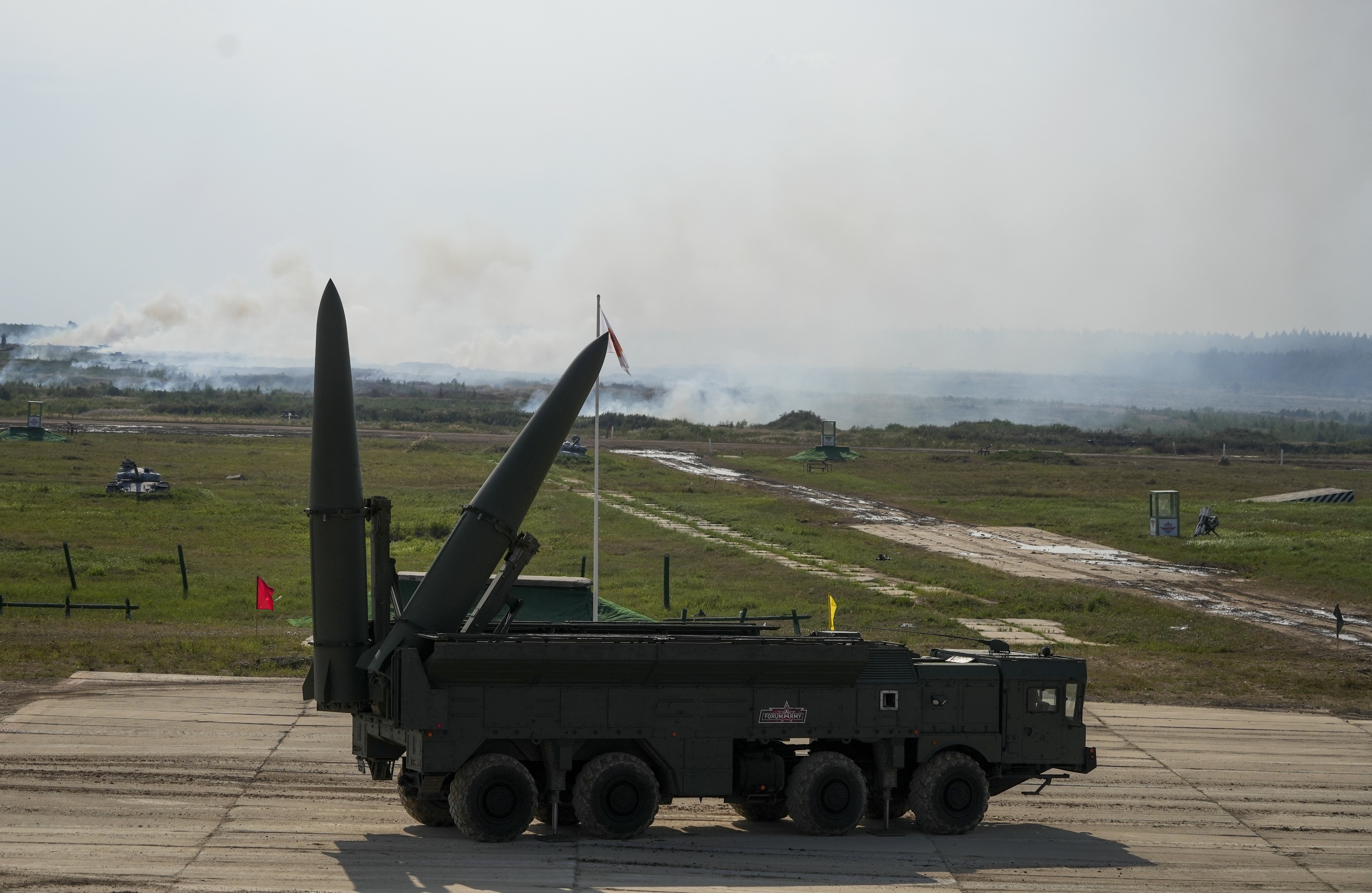
Russia produces a significant amount of missiles, and CSIS claims that production has tripled. Around 60 Iskander missiles are manufactured, with a total missile output of around 150 each month. Some estimates suggest an annual capacity of 840-1,020 missiles for the Iskander and Kinzhal systems. The nuclear-capable Oreshniks, however, are small in number—around 3-4, Ukrainian officials report, although Russia plans to expand production in 2026. These missiles are considerably difficult to intercept.
We bring you stories from the ground. Your support keeps our team in the field.
Shaheds (named Gerans in Russia) are one of Russia’s main weapons against Ukrainian infrastructure. When Russia first started using Shahed drones, they were exclusively created in Iran and exported to Russia. This was a part of Russia and Iran’s cooperative relationship. Iran passed on the blueprints and provided consultation as Russia began manufacturing its own, naming them Gerans.Geran production became localized and increased over time. The engine’s high-pitched sound is known to all Ukrainians. Russia typically launches large waves of Gerans at Ukraine, with the intention of overwhelming air defense and draining expensive air-defense missiles.
Around 90% of Gerans were created in Russia by 2025. Some claimed it intensified the rift between the two countries. By now, Iran has very little to do with the drone production in Russia, and in fact, Russia has been providing drones and missiles back to Iran. It is worth noting that many Russian drones and missiles contain Western components, such as German parts.
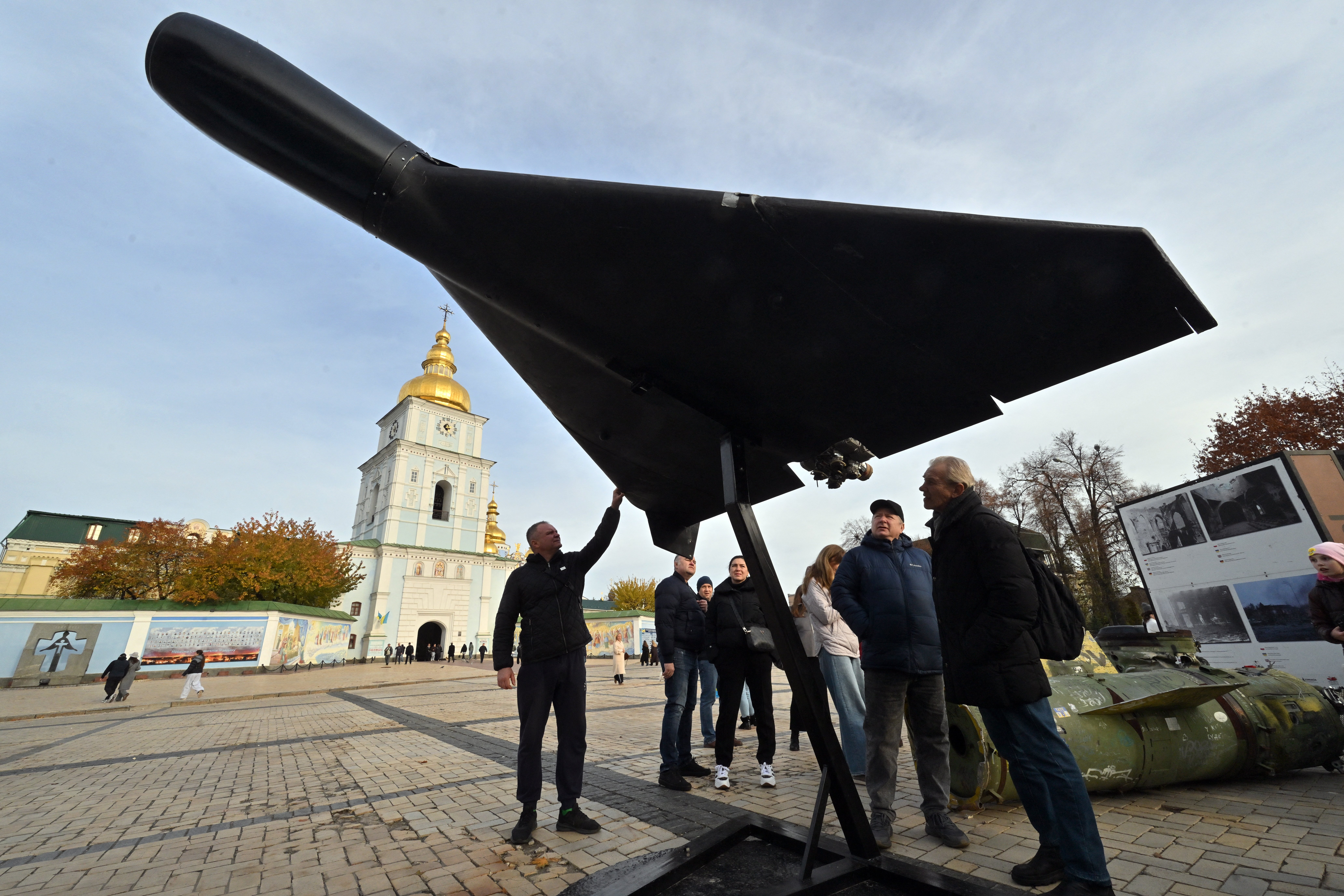
Different variants of the Geran exist; for example, the Geran 5 reaches speeds of 600 km/h (370mph), whereas the Geran 3 has a top speed of 400km/h. Drone manufacturing figures are not fully known, but Ukrainian intelligence estimated that around 2,700 drones could be produced per month in 2025.
Unlike missiles, drones are very cheap to produce. The prices vary by model, but CSIS estimates around $35,000 per drone. However, they are easier to intercept than missiles due to their lower speed. There are other drones created in Russia, such as Gerbera, used for reconnaissance and to disrupt air defense, and others used primarily on the frontline.
How many of these weapons does Russia actually launch at Ukraine on a monthly basis?
Russia’s strike campaign is defined by volume. In December, around 166 were launched per day. Over the winter, Russia launched around 738 ballistic missiles at Ukraine, with 91 missiles in January, and a record-breaking 288 in February.
Yet the pattern of these attacks reveals a key limitation. Russia launches large, multi-region strikes, but only intermittently. Such attacks have taken place on February 26, February 22, and January 28, for example. Often, attacks have focused on particular cities. Ukrainian air defense reported that in one of the large attacks, the focus was on Kyiv, Odesa, Kirovohrad, and Poltava regions. In December and January, Odesa experienced massive attacks, with Russia frequently attacking the port and energy infrastructure. Kyiv also had record attacks in December, January, and February.
However, the larger-scale attacks, combining missiles and drones, are not consistent, unlike drone attacks, which take place somewhere in Ukraine every night. Generally, Russia’s combined attacks’ focus shifts, though certain cities are targeted more. Namely, Kyiv for its cultural and political importance, Odesa for its ports, and other cities such as Kharkiv and Dnipro for their infrastructure, including railways.
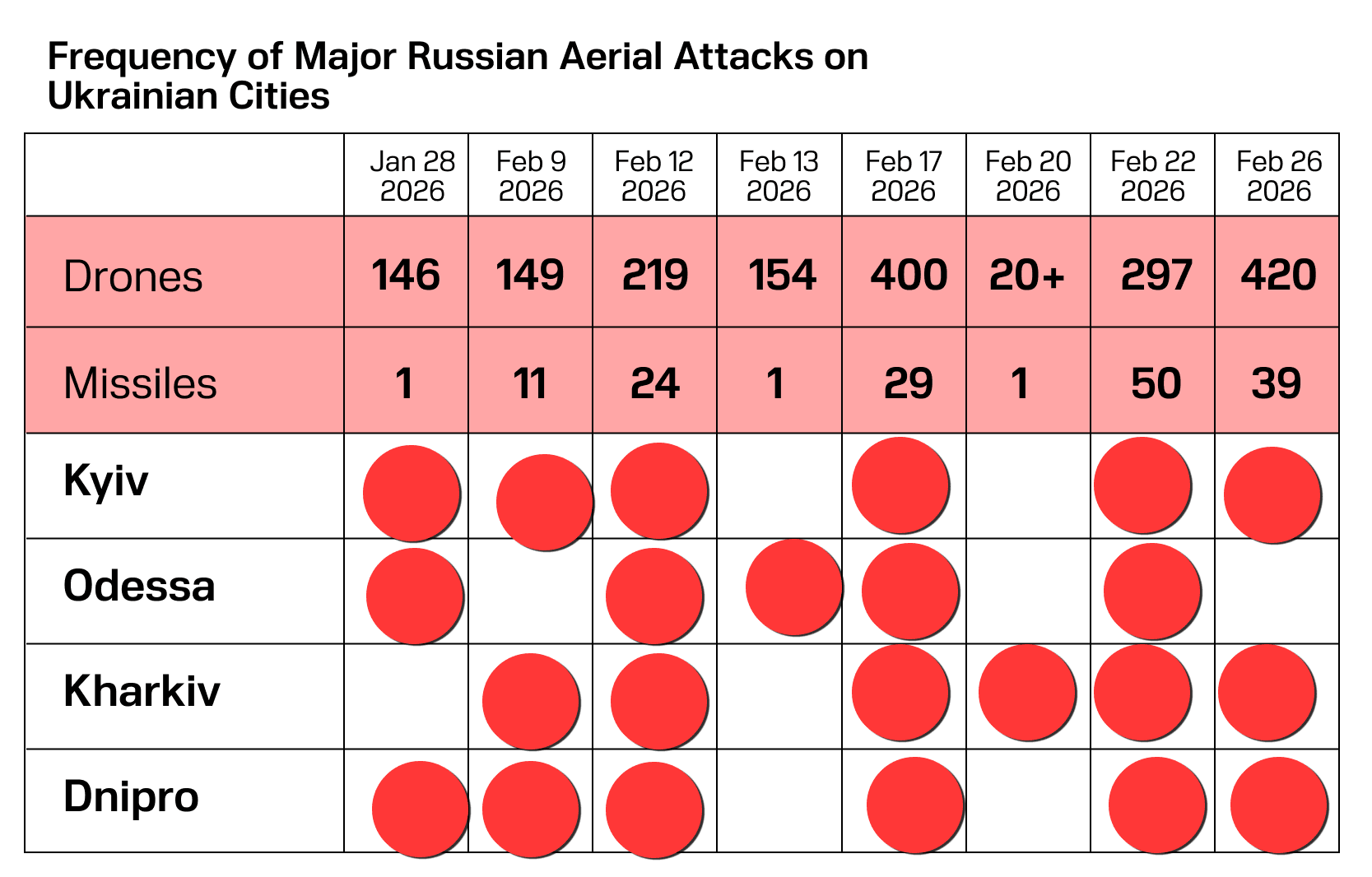
Ukraine has a very high drone interception rate of around 85%. Other countries currently dealing with Iranian Shahed attacks are asking Ukraine for its assistance.
In 2026, Shaheds are being used more on the frontline, suggesting a shift in tactics. Whether this is due to the failure of Russia’s approach, resource limitation, increased drone capacity, or a combination, remains to be seen, especially as civilian attacks do continue.
Russia’s campaign is defined by persistence, not sustained intensity, such as continuous drone pressure combined with intermittent large-scale strikes.
Repair, recovery, and Ukraine’s resilience
Many Ukrainian homes and businesses have adapted to buying generators and charging stations. While the winter was very difficult, civilians used Points of Invincibility for heat and power.
The financial costs to Russia for these attacks should be noted. If we take February alone, 288 missiles were fired at Ukraine, and 5,059 drones. We can average the costs, based on CSIS estimates, to $1 million per missile and $35,000 per drone. Taking these numbers, it would have cost Russia around $465 million. While a drop in the total military budget—between SIPRI’s $160 billion and German intelligence’s $292 billion, both higher than Russia’s official budget statements—it is sizeable, given Russia's many economic issues and military shortages. These issues include a shrinking economy and regional debt, as well as military issues such as manpower shortages, resource shortages, and struggles to contain Ukraine’s counteroffensives.
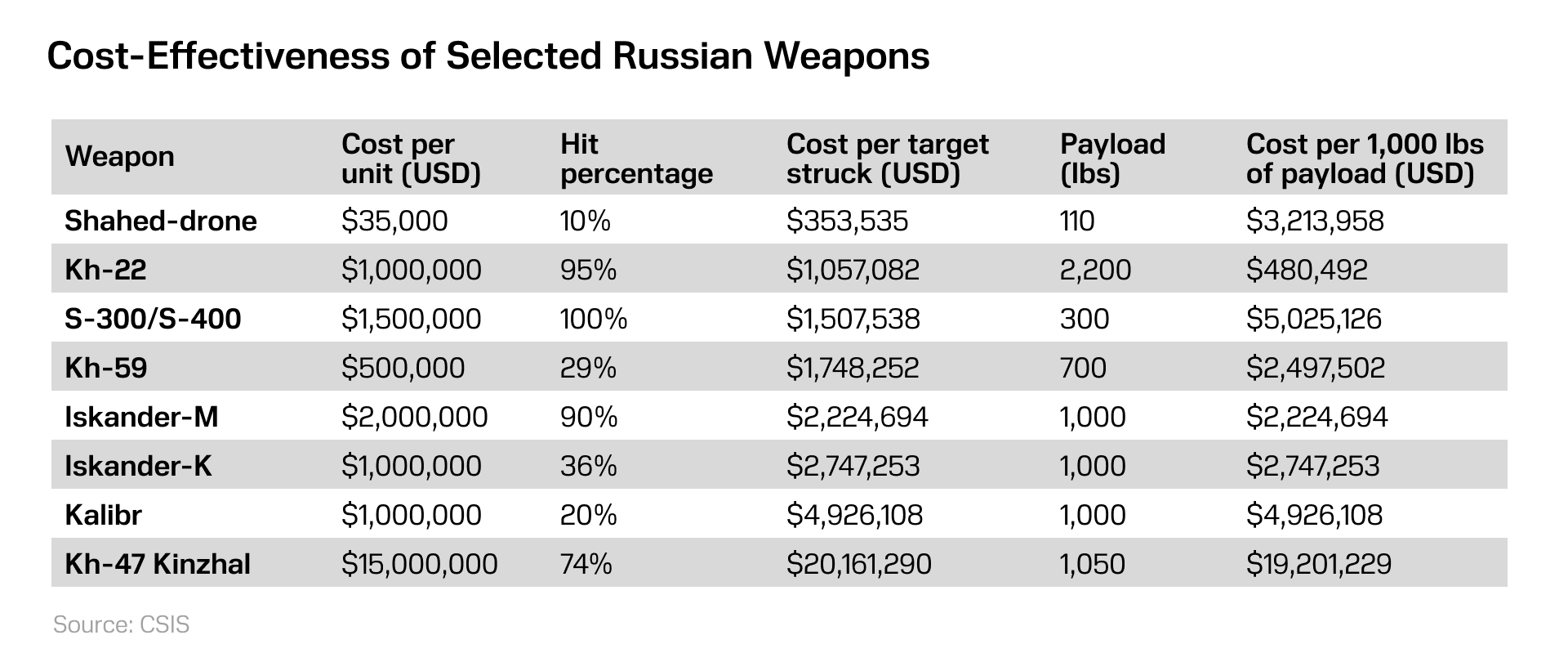
While Russia’s attacks cost Ukraine significantly, especially when using air defense missiles, the country has adapted to using mixed methods to mitigate costs, making its experience invaluable. Ukraine combines air defense missiles in a multilayered approach. It uses its own interceptor drones, turrets, MANPADS, electronic warfare, and technicals to address the Shahed threat at a lower cost.
Ukrainian public support has not changed significantly. While, over time, more Ukrainians have shifted to support the idea of peace talks in theory, around 70% believe the latest peace talks with Russia will not achieve anything, do not want to withdraw troops from the areas they are in, and have minimal trust in Russia. On the battlefield, Russia is currently struggling to contain a Ukrainian counteroffensive, has experienced losses of 92,850 personnel over the winter, with Ukrainian Commander-in-Chief Syrsky stating Ukraine won the “war for winter.”
After thousands of drones, hundreds of missiles, and hundreds of millions of dollars spent, Russia has succeeded in only one thing: increasing civilian suffering. December 2025 had a 66% increase in civilian deaths compared to 2024—over 2,500 dead that year in total. Yet, Russia has not broken Ukraine’s resilience, forced political concessions, or decisively shifted the war.
Discuss this article:


-c439b7bd9030ecf9d5a4287dc361ba31.jpg "Photo of Katherina Popilnichenko")



-29a1a43aba23f9bb779a1ac8b98d2121.jpeg "Photo of Illia Kabachynskyi")