- Category
- War in Ukraine
Russia Uses 695 Forms of Torture Against Ukrainian POWs, Including Sexual Violence
 Prefer U24 Media on Google
- Authors


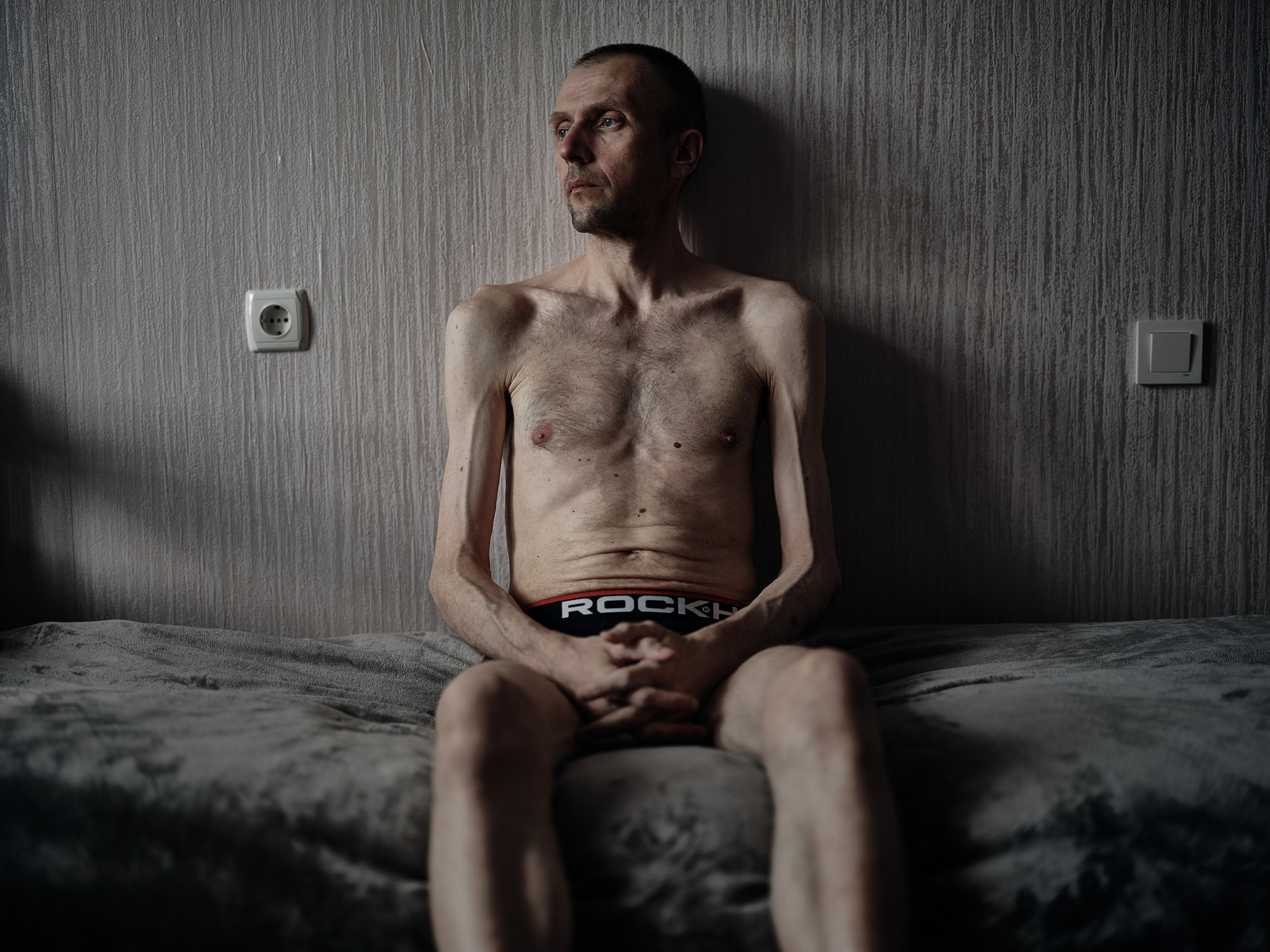
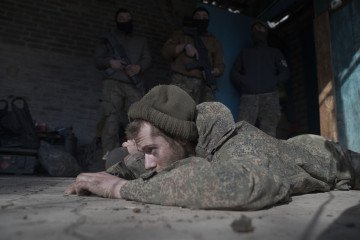
Russia uses 695 different forms of torture against Ukrainian prisoners of war, including physical and psychological abuse as well as sexual violence.
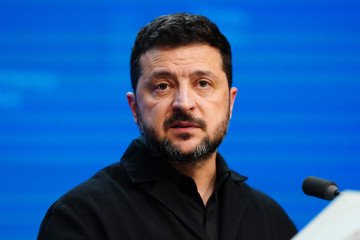
As reported by an Ukrinform correspondent on May 22, Ukraine’s Human Rights Ombudsman Dmytro Lubinets said this during the presentation of the project “Made in Russia. Delivered to Captivity.”
We bring you stories from the ground. Your support keeps our team in the field.
He noted that documented abuses include unsanitary conditions, starvation used as a method of coercion, and various forms of physical violence.
According to him, Ukrainian authorities have recorded 860 cases involving improper detention conditions.
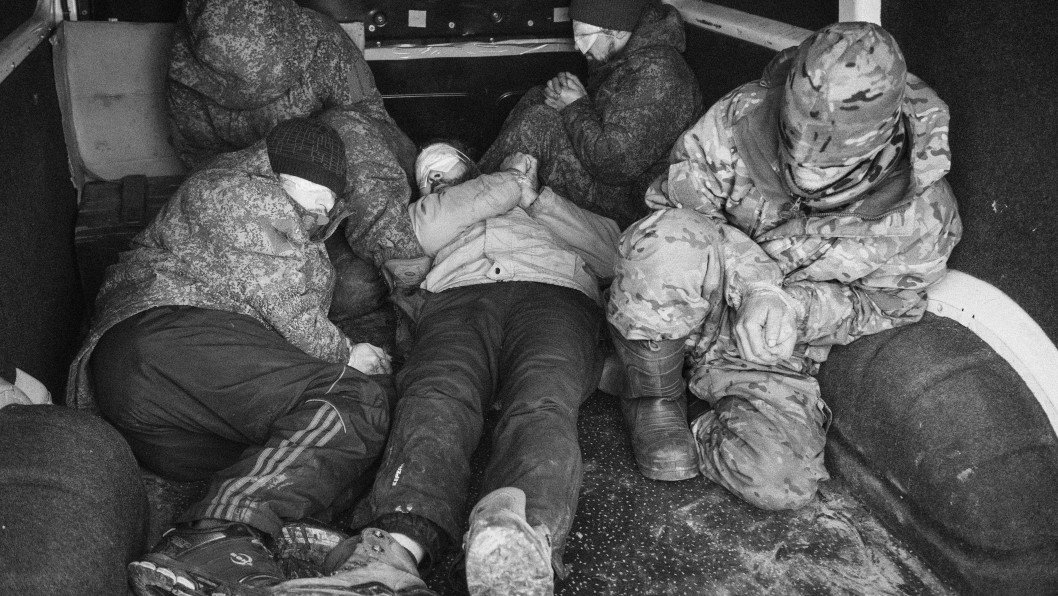
“Today, within this project, we are officially recording that, according to our data, the Russian Federation uses 695 forms of various types of torture, including physical and psychological abuse and sexual violence. Prisoners of war are strangled, beaten, subjected to electric shocks, attacked with dogs, and sometimes forced to stand in one place for up to 18 hours. And as soon as you begin to squat, you are immediately physically beaten,” he said.
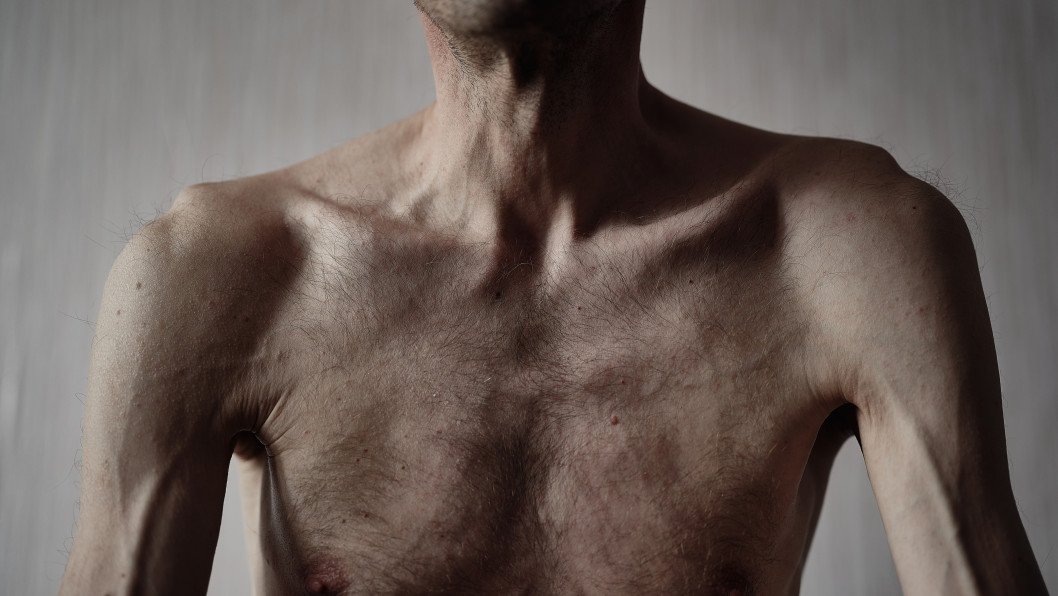
Lubinets added that one of the forms of torture known as the “barber” involves deliberately cutting not only hair during shaving, but also pieces of skin from the head. He added that if a detainee begins to scream, they are immediately beaten again and subjected to electric shocks.
The ombudsman noted that international partners have identified 29 detention sites used to hold Ukrainian prisoners—18 located on the territory of the Russian Federation and 11 in temporarily occupied Ukrainian territories. At the same time, he said Ukrainian intelligence agencies have verified 186 locations where Ukrainian prisoners of war and civilian hostages are being held across Russia and occupied territories, including facilities in Siberia.
According to Lubinets, detention conditions are largely similar across these sites and are not suitable for the humane treatment of prisoners.
He argued that the weak international response to documented cases of systematic torture sends Moscow a signal that such actions can continue without consequences.
“As the Ombudsman of Ukraine, I once again publicly state: there is no international human rights protection system for a country that tortures prisoners of war, civilian hostages, deports Ukrainian children—and the name of this country is the Russian Federation. It simply does not exist. None of the international mechanisms work there. We must speak about this today and seek additional ways to influence the Russian Federation,” he said.
Lubinets also criticized the work of the International Committee of the Red Cross, questioning its response to violations against Ukrainian prisoners.
“Are representatives of the International Committee of the Red Cross here? We specifically invited them. They are not in the hall. They once again do not want to hear that there is a problem with fulfilling their mandate. There is. We understand that first and foremost this is the position of the Russian Federation. But what additional steps are you taking to change this position? What? Just negotiations? Perhaps they can bring results, but certainly not the ones we expect,” he said.
Additionally, according to Lubinets, Russia has tortured 406 Ukrainian citizens who had confirmed prisoner-of-war status, according to Ukraine’s Human Rights Ombudsman Dmytro Lubinets.
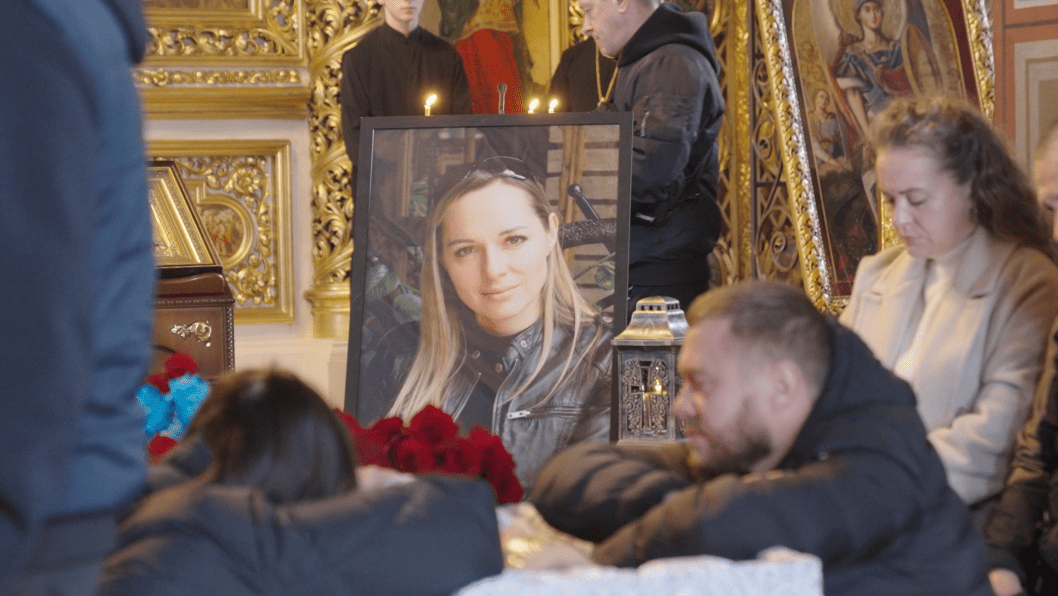
“According to our data, 406 Ukrainian citizens with the status of prisoners of war or civilian hostages, who were verified and had their status confirmed either by representatives of the International Committee of the Red Cross or by other methods and sources, were tortured and returned to Ukraine, unfortunately, in coffins,” he said.
Ombudsman added that, according to Ukrainian data, 2,112 people have been sentenced by the Russian Federation.
He described this as a separate crime committed by Russia through the issuance of unlawful court rulings imposing sentences of 20, 23, or 25 years, as well as life imprisonment, against officially recognized Ukrainian prisoners of war.
The developments come as Oleksandr Krokhmaliuk, a Ukrainian military medic and head of the Azov unit’s medical service, died in Russian captivity, with a forensic examination conducted after the return of his body to Ukraine.
Palamar said Krokhmaliuk joined Azov in 2016 and was taken prisoner after leaving the Azovstal steel plant in Mariupol. He added that Krokhmaliuk was initially held in Olenivka before being transferred to detention facilities in Taganrog and Kamyshin in Russia.
Discuss this article: