- Category
- Latest news
Russia Launches 425 Missiles and Drones in Massive Night Strike Against Ukraine’s Energy Grid
 Prefer U24 Media on Google
- Authors


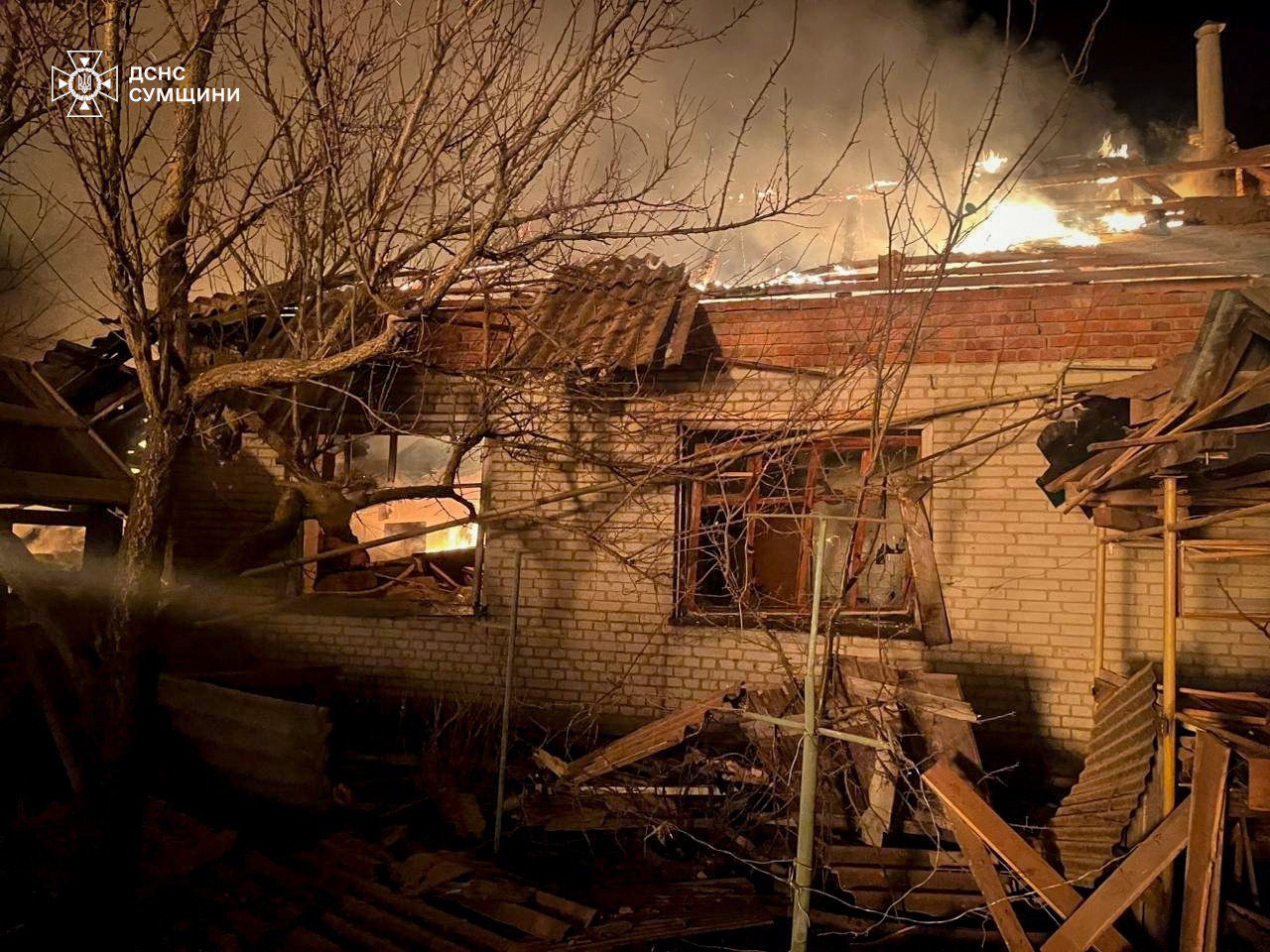
Russian forces launched a massive combined aerial attack on the night of February 17, 2026, targeting critical infrastructure across the country with a total of 425 missiles and drones.
The assault, which spanned 12 regions and focused heavily on the energy sector, resulted in at least one killed and nine injuries, including children, while leaving tens of thousands without power.
We bring you stories from the ground. Your support keeps our team in the field.
Defense forces successfully intercepted all cruise missiles launched during the assault, though ballistic missiles managed to penetrate the air defense shield.
The Air Force Command reported that the barrage included 29 missiles of various types and 396 unmanned aerial vehicles (UAVs).
2/3 pic.twitter.com/iJOgk7imNZ
— UNITED24 Media (@United24media) February 17, 2026
The inventory of incoming fire consisted of four “Iskander-M” ballistic missiles launched from the Rostov region and occupied Crimea, 20 Kh-101 cruise missiles from the Caspian Sea, four “Iskander-K” cruise missiles from the Kursk region, and one Kh-59/69 guided air missile.
Additionally, nearly 400 attack drones, including Shahed, Gerbera, and Italmas types, were launched from multiple directions within Russia and occupied Crimea.
Ukrainian air defense systems, aviation, and mobile fire groups intercepted 392 targets. According to the official military report, forces shot down all 24 cruise missiles (20 Kh-101s and 4 Iskander-Ks) and the single guided air missile. However, the four ballistic “Iskander-M” missiles were not intercepted.
🔴 Russian forces carried out a combined missile and drone attack against Ukraine overnight.
— UNITED24 Media (@United24media) February 17, 2026
Damage was reported in Odesa and Dnipro, according to the State Emergency Service and local authorities. pic.twitter.com/bw4C6JOfTx
The defense forces also destroyed 367 of the 396 launched attack drones. The military noted that countermeasures and electronic warfare neutralized many of the remaining drones, though impact from falling debris was recorded in eight locations.
The primary target of the assault appeared to be Ukraine’s energy sector. DTEK, the country’s largest private energy investor, reported that a thermal power plant (TPP) in Odesa sustained “extremely serious” damage.
“We are currently working on-site: clearing rubble. We will do everything possible to eliminate the consequences of the attack as soon as possible,” DTEK stated, adding that the restoration of equipment would require significant time. Consequently, tens of thousands of residents in Odesa were left without heat and water supply.
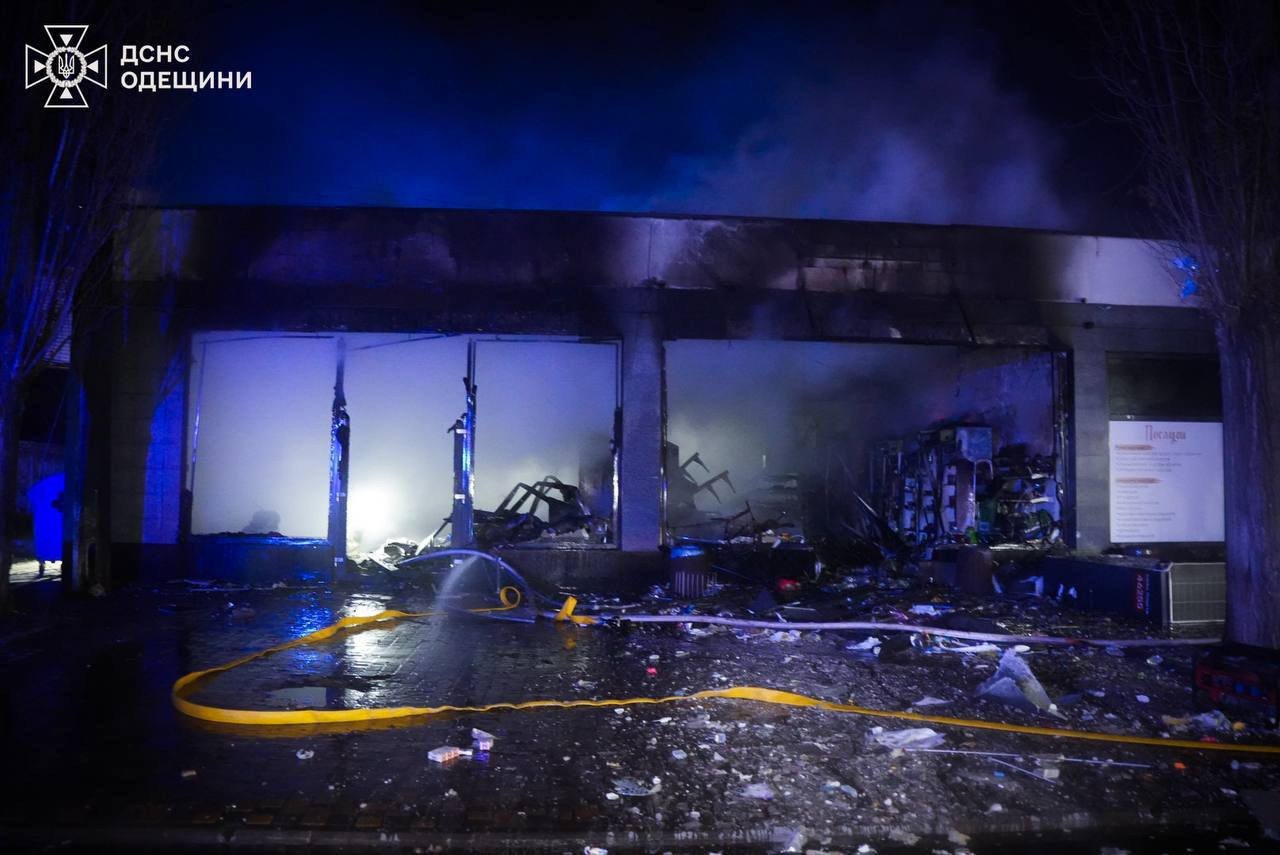
In the Ivano-Frankivsk region, explosions were reported in the city of Burshtyn, home to a major thermal power plant. Local authorities confirmed that following the strike, central heating and hot water supplies were disrupted for residents.
President Volodymyr Zelenskyy commented on the attack, emphasizing the deliberate nature of the targeting. “It was a combined strike, specifically calculated to damage our energy sector as much as possible,” Zelenskyy stated on social media.
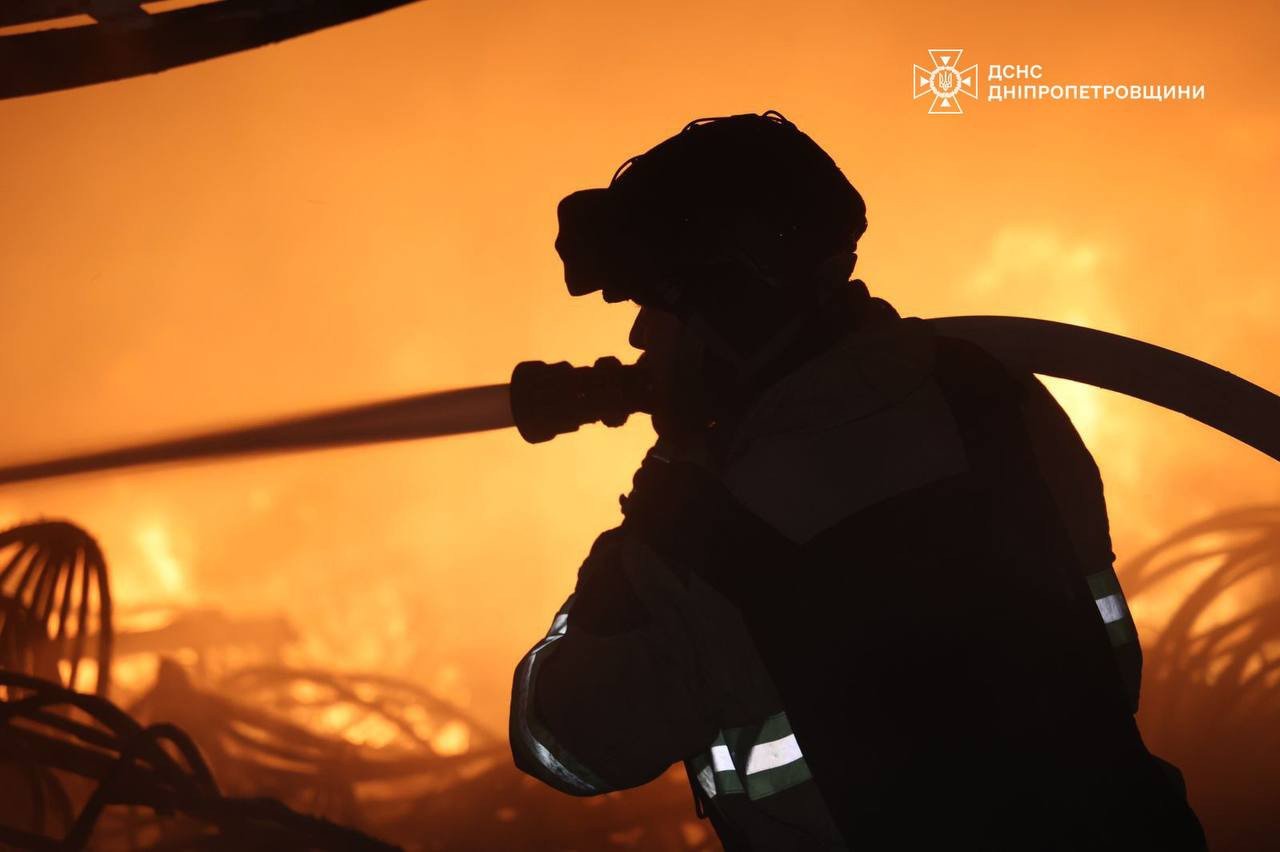
He confirmed that 12 regions were under attack and noted that while a significant number of targets were downed, there were confirmed impacts. “Partners must react to all these strikes against life,” the President added.
Ukraine’s Minister of Foreign Affairs Andrii Sybiha also commented on the timing of the attack, linking it to upcoming diplomatic efforts. “The extent to which Russia disregards peace efforts: a massive missile and drone strike against Ukraine right before the next round of talks in Geneva. Main targets — energy and civilian infrastructure,” Sybiha wrote.
“Moscow only understands the language of pressure. It will not take diplomacy seriously if it is not backed by strength.” He added that “new sanctions packages are critical. Blocking shadow fleet. Maritime services ban. Entry ban for participants of Russian aggression.” “Only our unity and strength will bring an end to this war,” Sybiha stated.
The attack resulted in civilian casualties and widespread damage to non-military infrastructure. According to the Sumy Regional Prosecutor’s Office, a drone strike on a residential area in the Kyrykivka community killed a 68-year-old woman. Her family, including her son, daughter-in-law, and two grandsons aged 7 and 15, sustained injuries.
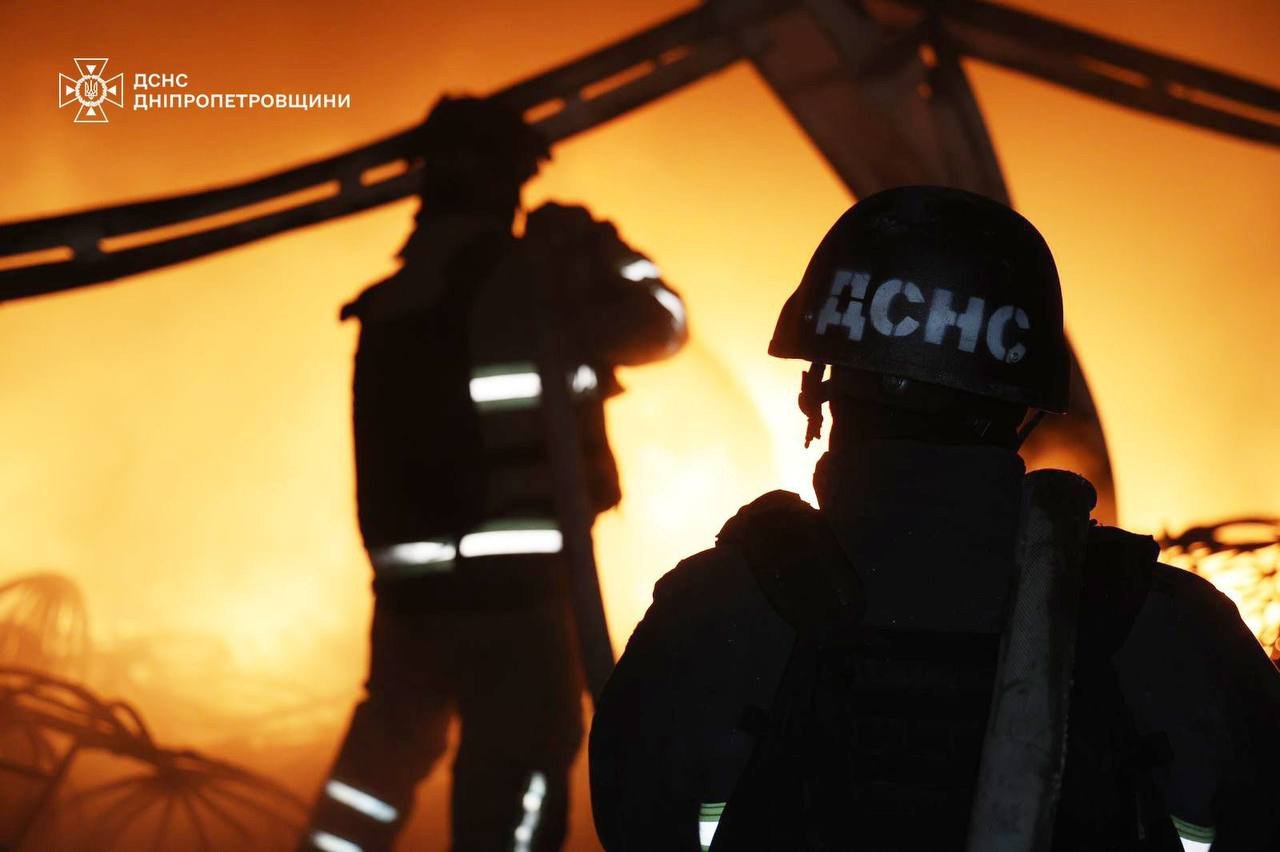
In Odesa, aside from the energy infrastructure damage, debris hit a 25-story residential building, damaging apartments on the upper floors. In Dnipro, the attack caused fires and damaged an administrative building, a private enterprise, and civilian vehicles. Regional officials reported that infrastructure in the Nikopol and Kryvyi Rih districts was also hit.
Earlier on February 12, Russia launched 24 missiles and 219 drones at Ukraine, striking Kyiv, Odesa, Dnipro, and the Kharkiv region. Several civilians were killed and injured, and hundreds of thousands were left without heat, electricity, or water, according to Ukrainian officials. Air defenses downed most of the incoming targets.
Discuss this article:
-4a56a6b482ec132402c16ef6fcabf9a2.png)


-c439b7bd9030ecf9d5a4287dc361ba31.jpg "Photo of Katherina Popilnichenko")