- Category
- Life in Ukraine
Russia Destroyed 90% of Ukrainian Retail Warehouse Capacity, but Food Supplies Remain Secure
 Prefer U24 Media on Google
- Authors


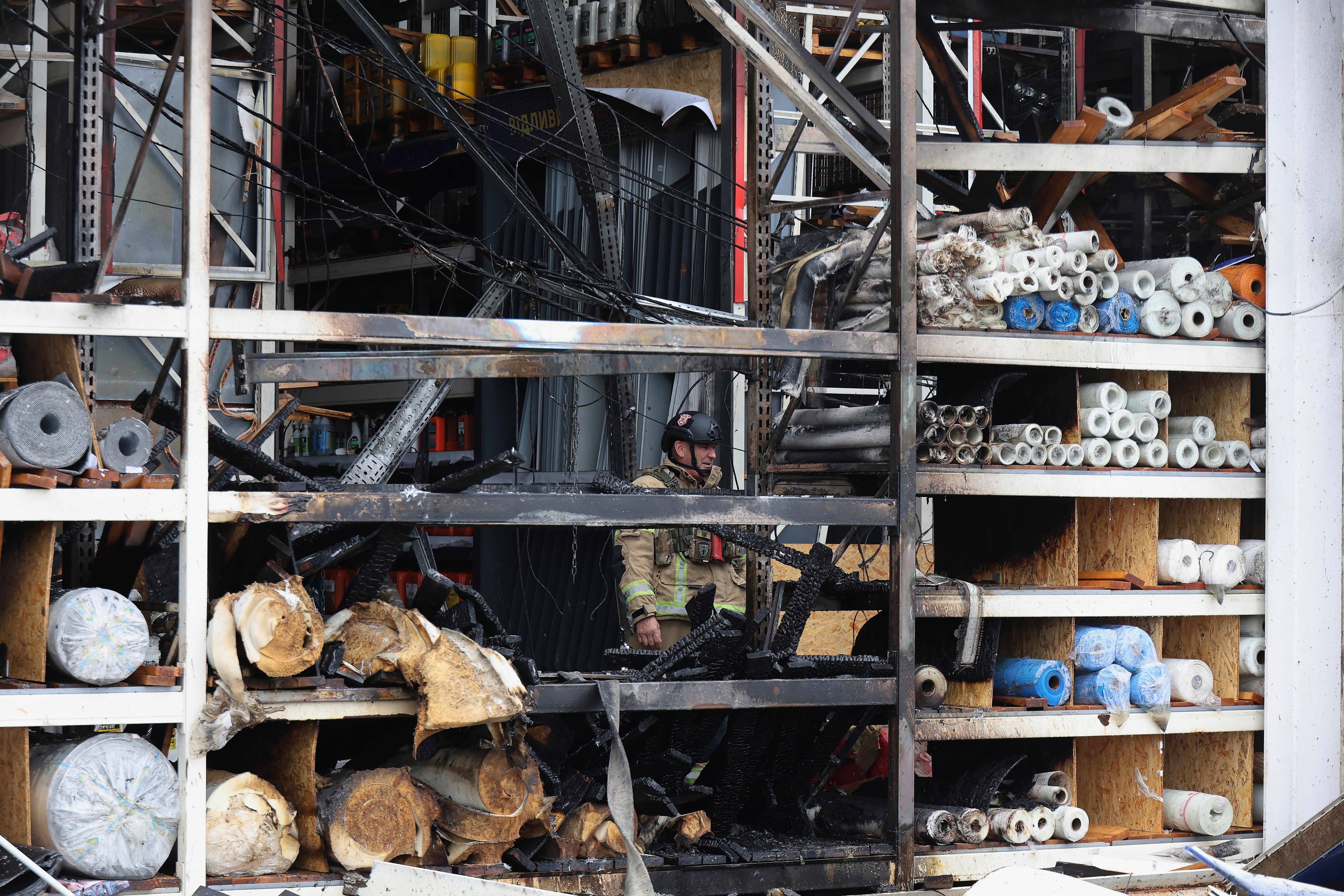
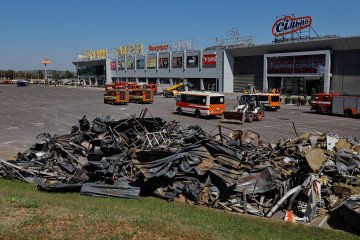
Ukraine is not facing a systemic shortage of basic food products despite Russian attacks destroying around 90% of retail chains’ warehouse capacity, Agriculture and Food Minister Taras Vysotskyi said during his briefing with journalists on August 28.
According to Vysotskyi, retailers and suppliers are reorganizing logistics networks, relocating inventories, changing delivery routes, and adopting new approaches to storage in response to the destruction.
We bring you stories from the ground. Your support keeps our team in the field.
“Retailers and suppliers are rebuilding logistics, relocating stocks, changing routes and storage formats. It is more complicated, takes longer and costs more, but the system is adapting. There is currently no threat of a systemic physical shortage of basic food products,” Vysotskyi said.
He acknowledged that consumers could see changes in product ranges or temporary shortages of individual goods at particular stores, but stressed that the country’s overall food supply remains secure.
At the same time, the destruction of warehouses has raised questions over how losses from products destroyed in Russian attacks should be covered. Vysotskyi noted that the supply and sale of goods are governed by commercial and contractual relationships between producers, distributors, and retail chains.
-bcbcf299248044484ea10ad6fdf69413.jpeg)
The minister said the risks should be shared fairly among all parties involved rather than falling entirely on one participant in the supply chain.
“A fair approach would be to distribute risks proportionally among all parties. This does not necessarily mean 50-50. Different products have different margins, terms of cooperation and economic results. Therefore, the mechanism should be determined separately for each product category and take into account how profits are distributed between the parties,” Vysotskyi said.
A similar approach should apply to the additional costs associated with restructuring logistics networks, which businesses are currently adapting in real time, according to the minister.
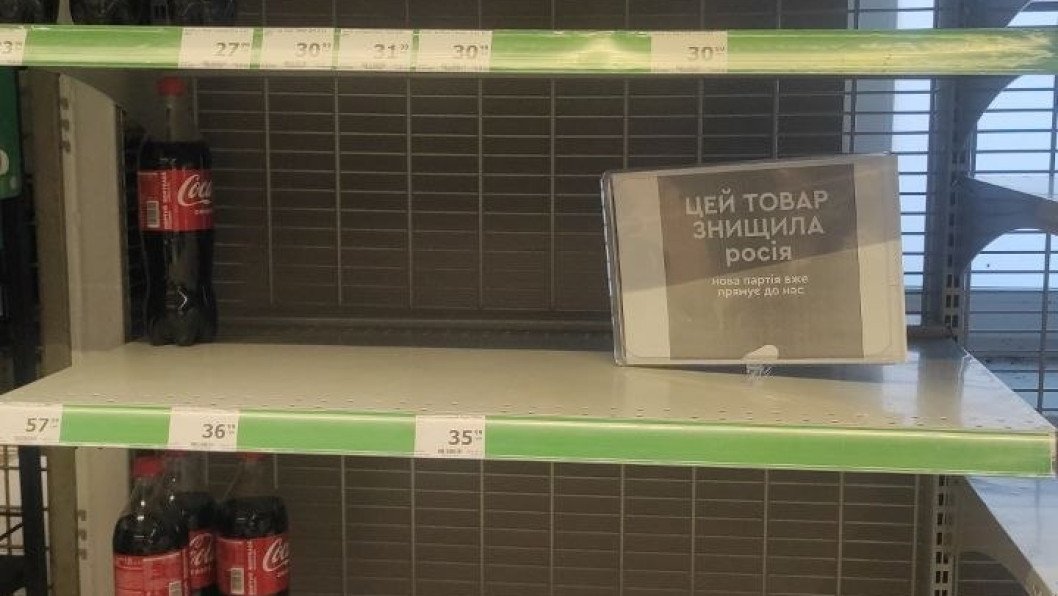
The comments come after a large-scale Russian overnight attack struck logistics infrastructure in the Kyiv region, damaging or destroying distribution facilities used by several of Ukraine’s leading retail and consumer companies.
Among the businesses affected were Fora, Budynok Ihrashok, Comfy, Epicentr, Aurora, Silpo, and Roshen, Forbes Ukraine reported on August 27, citing statements from company executives.
Discuss this article:
-9a7b3a98ed5c506e0b77a6663f5727c5.png)


-24deccd511006ba79cfc4d798c6c2ef5.jpeg "Photo of Louis Beaudemont")

-554f0711f15a880af68b2550a739eee4.jpg "Photo of Lucile Brizard")
-4c422f6574674b417eac2384290103ac.jpg "Russia Left This Ukrainian Village 90% Mined. Here’s What Life There Looks Like Now")