- Category
- World
Ukraine Officially Opens Landmark “Fundamentals” Cluster in EU Accession Negotiations
 Prefer U24 Media on Google
- Authors

-c439b7bd9030ecf9d5a4287dc361ba31.jpg "Photo of Katherina Popilnichenko")
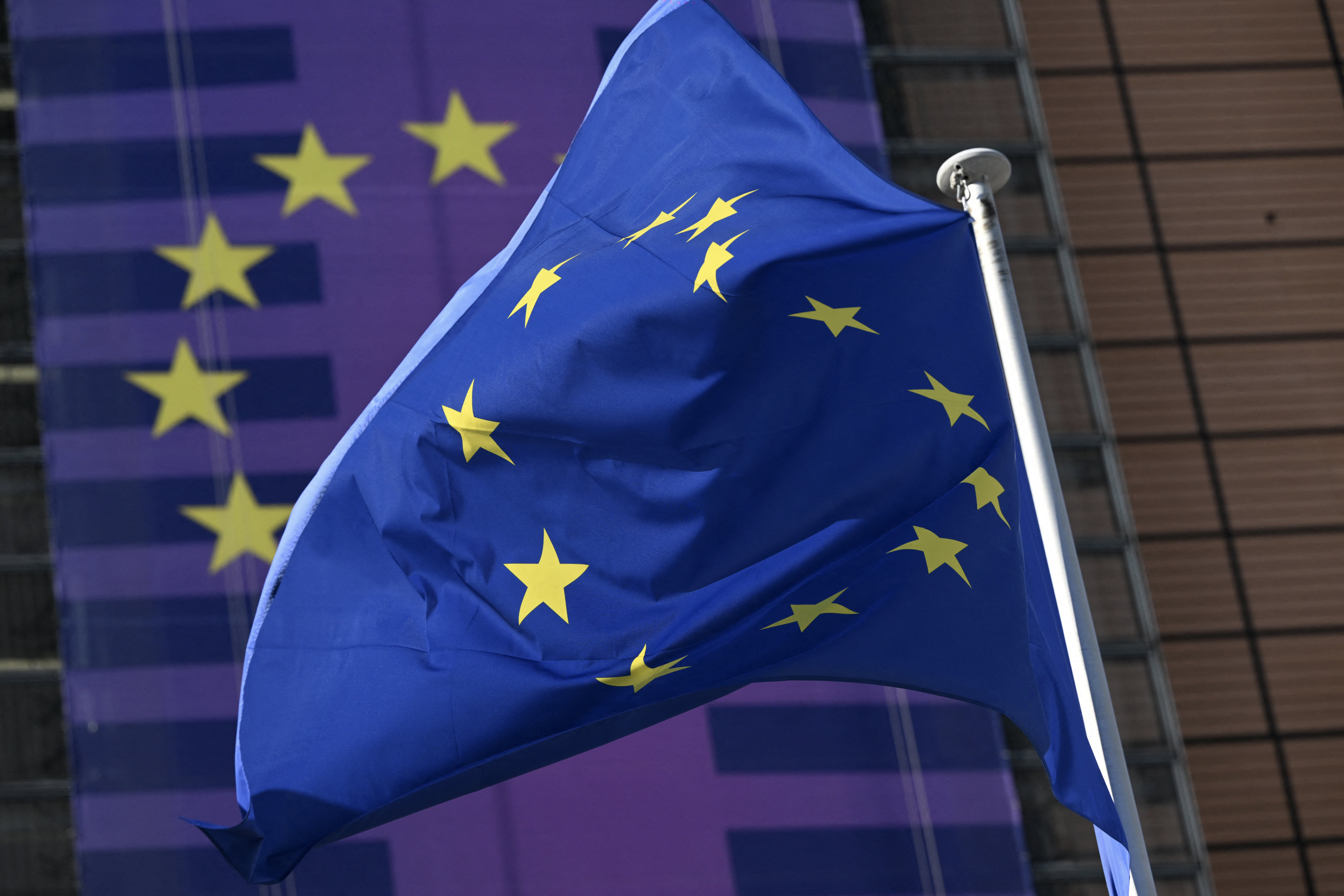
Ukraine and the European Union have officially launched negotiations on the "Fundamentals" cluster, marking a significant milestone in the country’s path toward full membership.
During the Second Accession Conference held in Luxembourg on June 15, representatives formally opened this critical block of negotiations following a political agreement reached by EU member state ambassadors on June 12.
We bring you stories from the ground. Your support keeps our team in the field.
The "Fundamentals" cluster is the inaugural stage of the accession process and is designed to be the final one to conclude. It encompasses five of the 33 total negotiating chapters, focusing on core democratic principles.
These include the rule of law, fundamental human rights, the efficiency of democratic institutions, public administration reform, and key economic criteria. This cluster serves as the foundation for the entire accession process, as it directly addresses the Copenhagen criteria established in 1993, which dictate whether a candidate nation is sufficiently prepared to uphold the responsibilities of EU membership.
Under these standards, a candidate must demonstrate the existence of stable institutions capable of guaranteeing democracy and the rule of law. Furthermore, the country must ensure the presence of a functional market economy that can successfully withstand competitive pressures within the European Union.
The journey to this moment began on February 28, 2022, when Ukraine submitted its application for membership. By June 23 of that year, EU leaders granted Ukraine candidate status. Following this, the European Commission outlined seven specific reform steps, supplemented by a 2023 analytical report on aligning Ukrainian law with EU standards, known as the acquis. The European Council subsequently voted to open negotiations on December 14, 2023.
Following the initial 2024 conference, the process entered a technical phase involving a thorough screening of Ukrainian legislation, which was finalized in the fall of 2025. Although this technical work progressed, the formal political negotiations faced delays due to a veto from the Hungarian government.
However, following the April elections in Hungary and the subsequent transition of power to Prime Minister Péter Magyar’s administration, a compromise was reached. The new government in Budapest worked with Kyiv to settle disputes regarding the rights of the Hungarian minority, effectively removing the barrier to the accession talks.
As the negotiations move forward, Ukraine faces the task of meeting specific reform benchmarks. The European Union has emphasized the importance of accountability regarding these commitments, often referencing the broader requirements linked to financial instruments like the Ukraine Facility.
While the European Union explores various political integration formats, such as "associated membership," both sides have now committed to the formal process of full integration.
Discuss this article:
-9a7b3a98ed5c506e0b77a6663f5727c5.png)