- Category
- World
EU Opens First Accession Negotiation Cluster for Ukraine and Moldova
 Prefer U24 Media on Google
- Authors

-c439b7bd9030ecf9d5a4287dc361ba31.jpg "Photo of Katherina Popilnichenko")
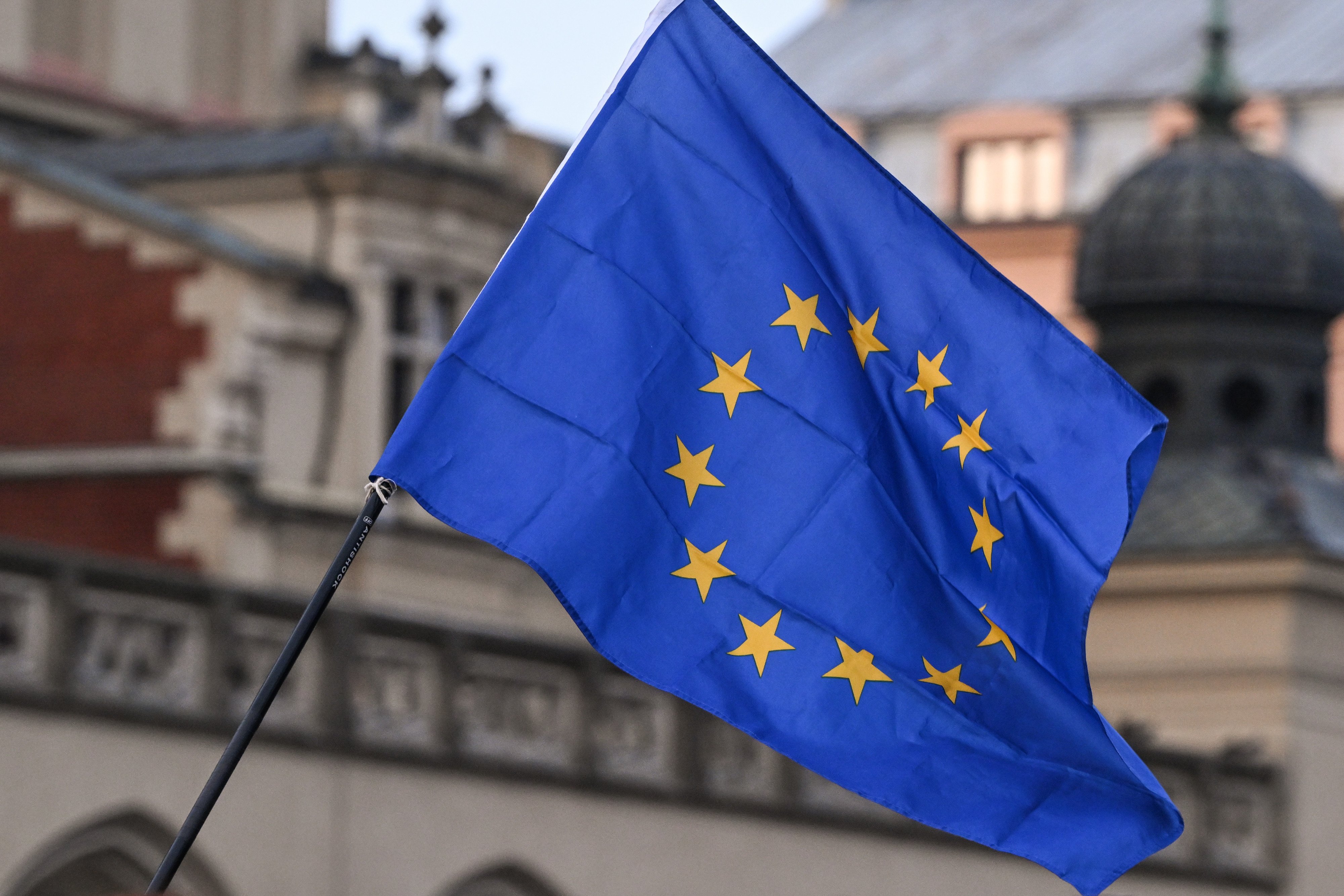
The European Union is set to open the first cluster of accession negotiations with Ukraine and Moldova on June 15.
The Cyprus Presidency of the Council of the EU confirmed that intergovernmental conferences will be held to officially launch “Cluster 1,” which focuses on the fundamentals of the membership process.
We bring you stories from the ground. Your support keeps our team in the field.
This cluster includes critical areas such as the rule of law, public administration reform, and the functionality of democratic institutions.
On 15 June, under #CY2026EU, we will convene the first Accession Conferences with Ukraine and Moldova to open Cluster 1 – Fundamentals.
— Cyprus Presidency of the Council of the EU 2026 (@CY2026EU) June 12, 2026
The Cyprus Presidency is proud to have driven forward this historic moment. As Presidency we worked intensively to reach this outcome.
This is… pic.twitter.com/qyCoOYMtyy
“This is a result of the aspirations, resilience and hard work of the two candidates who chose Europe and its values. By taking this important step together, we confirm that the European Union is at its strongest when it is united, principled and open to those who are committed to its values,” the Cypriot authorities stated.
This conference marks the official beginning of the practical stage of negotiations for the first cluster. Future progress toward full membership will depend on how each nation implements necessary reforms and harmonizes its national laws with those of the European Union.
Prior to this, the Council of the EU had been preparing for this official launch, and Ukraine’s Minister of Foreign Affairs, Andrii Sybiha, had previously indicated that negotiations across all clusters were expected to open in June 2026.

All 27 EU member states have officially cleared the path for these talks. While the process faced previous delays due to Hungary’s stance, the political landscape shifted following the recent parliamentary elections in Budapest.
The new government, led by Prime Minister Péter Magyar—who assumed office on May 9, 2026, following his party's landslide victory in the April parliamentary elections—has signaled a more pragmatic approach toward the membership bid. While Magyar’s center-right Tisza Party secured a constitutional supermajority, ending Viktor Orbán’s 16-year tenure, the new administration remains focused on prioritizing national interests.
Although the government has moved away from the confrontational stance of its predecessor, it continues to emphasize the importance of securing specific rights for the ethnic Hungarian minority living in Ukraine, including education and language protections. Following a recent agreement regarding these minority rights, Hungary dropped its veto, allowing the formal process for Ukraine and Moldova to move forward.
Following a recent agreement regarding these minority rights, Hungary dropped its veto, allowing the formal process for Ukraine and Moldova to move forward.
Discuss this article: