- Category
- World
UK Halts Large Military Exercises as Funding Shortfalls Hit British Armed Forces
 Prefer U24 Media on Google
- Authors

-c439b7bd9030ecf9d5a4287dc361ba31.jpg "Photo of Katherina Popilnichenko")
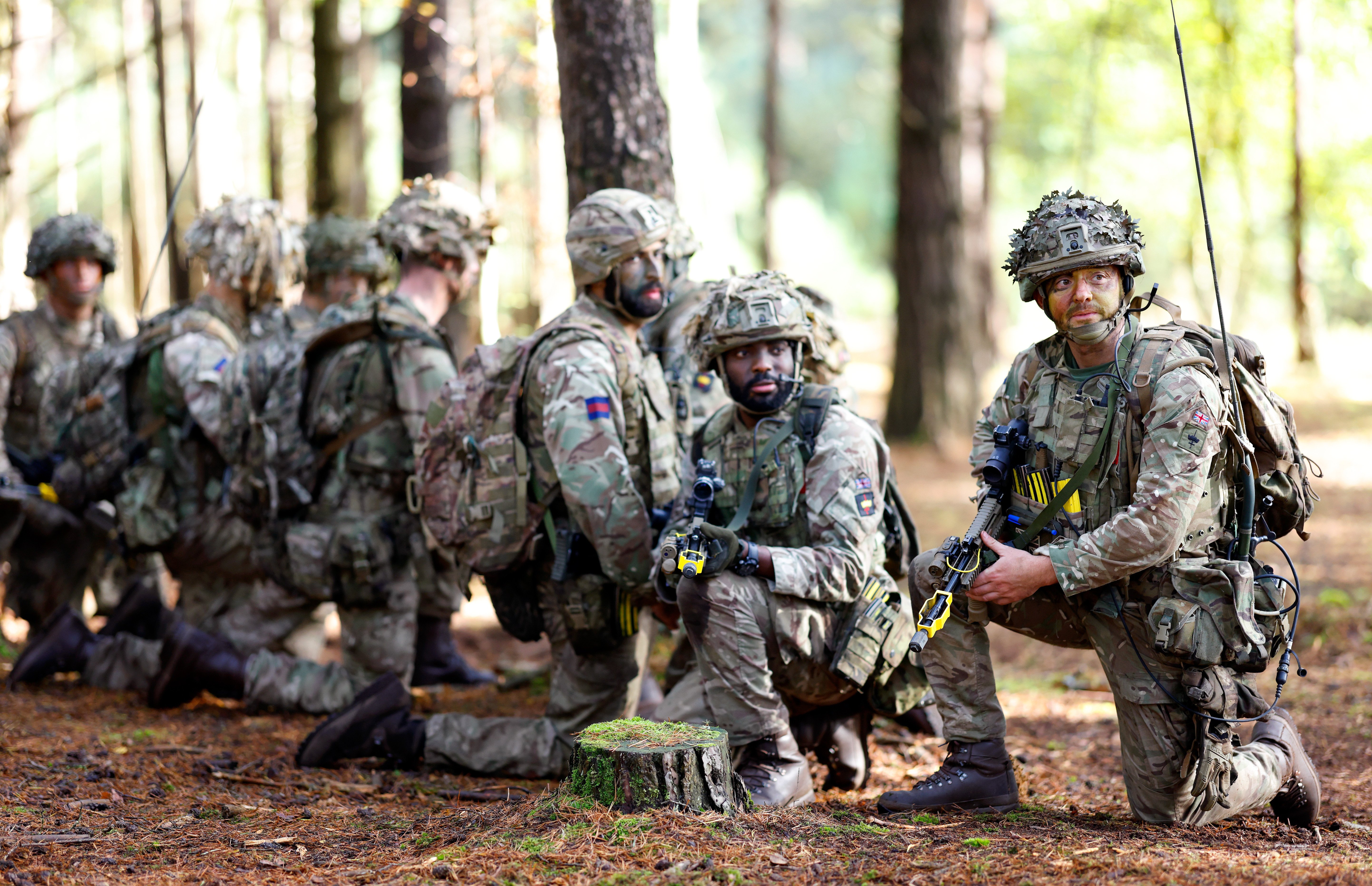
The British Armed Forces have suspended military exercises involving 90 or more personnel due to budget constraints at the Ministry of Defense, according to a report by The Sun.
Units were instructed to stop collective training with immediate effect unless they are getting ready for deployment on active operations, leaving many troops with little to do.
We bring you stories from the ground. Your support keeps our team in the field.
Under the new directives, service members will continue to train in small squads to maintain basic skills, including vehicle operation, physical fitness, weapons handling, and drone usage.
However, company-level exercises, which usually involve 90 to 120 soldiers, as well as battle group training involving several hundred troops, have been significantly reduced.
The cutbacks affect major events, including a six-week exercise with tanks and attack helicopters scheduled to begin next week in Wales. Regular preparation will only continue for personnel preparing to deploy abroad or take up operational duty within the UK.
The Royal Navy and Royal Air Force have also been instructed to scale back training activities to save funds, though the impact on their operations is expected to be less severe.

According to The Sun, the cuts stem from a shortage of funds for current operating expenses this year. Although the Defense Investment Plan allocates an extra 2 billion pounds for training, those funds will not become available until 2027.
The Ministry of Defense acknowledged that the military must “determine priorities,” while noting that command staff exercises will continue so top leadership can practice managing large-scale operations.
The Chief of the Defense Staff, Rich Knighton, previously warned in late June 2026 that the UK Armed Forces were facing a financial deficit that could force military leaders to scale back training and operational activities.
“If you look back 20 years, the ratio between expenditure on current needs and capital expenditure was roughly 80/20. Today, it stands at roughly 60/40 — 60% for current activities and resources, and 40% for capital expenditure. Under current forecasts, by 2030 this ratio will be 50/50,” Knighton stated at the time.
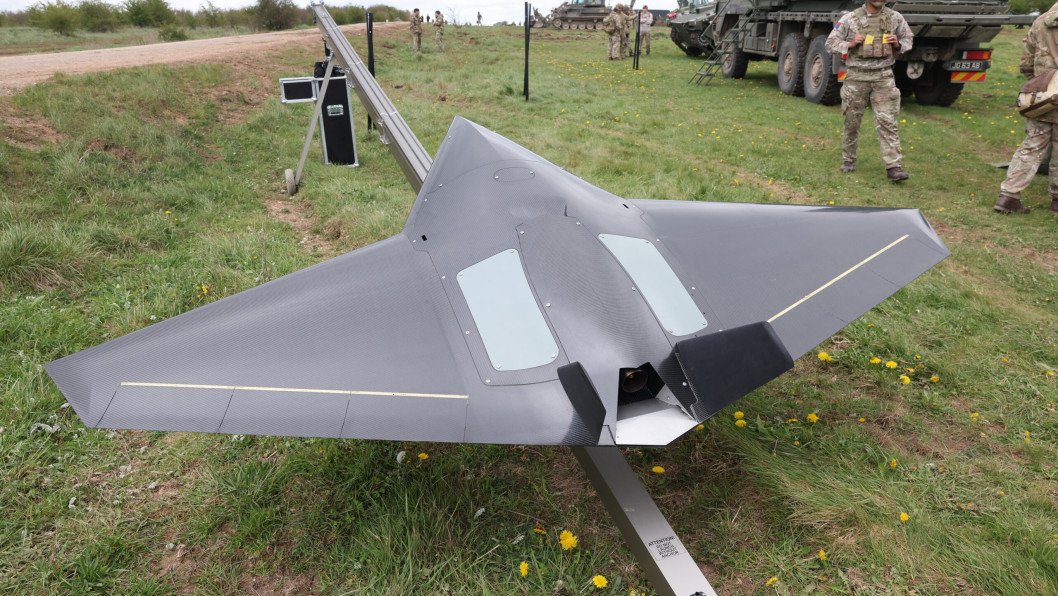
One of the main reasons for this funding imbalance is the UK's large and costly rearmament programs.
These initiatives include building Dreadnought-class nuclear-powered ballistic missile submarines, developing a sixth-generation fighter jet under the GCAP program, constructing Type 26 frigates, and managing the troubled Ajax armored vehicle program.
Previously, the British Ministry of Defense shaped its new strategy around Ukraine's playbook of low-cost systems defeating high-value targets, with innovation cycles measured in weeks rather than years.
The plan redirected resources away from up to eight traditional warships, including Type 83 guided missile destroyers and Type 32 frigates, and instead committed approximately $6.7 billion to a broad drone transformation. Britain allocated funds to establish Europe's largest drone testing center alongside a dedicated task force, aiming to continuously scale up production and adapt to changing battlefield technologies.
Discuss this article: