- Category
- World
UK Rebuilds Armed Forces Around Ukraine’s War Lessons in Major Defense Shake-Up
 Prefer U24 Media on Google
- Authors

-111f0e5095e02c02446ffed57bfb0ab1.jpeg "Photo of Roman Kohanets")
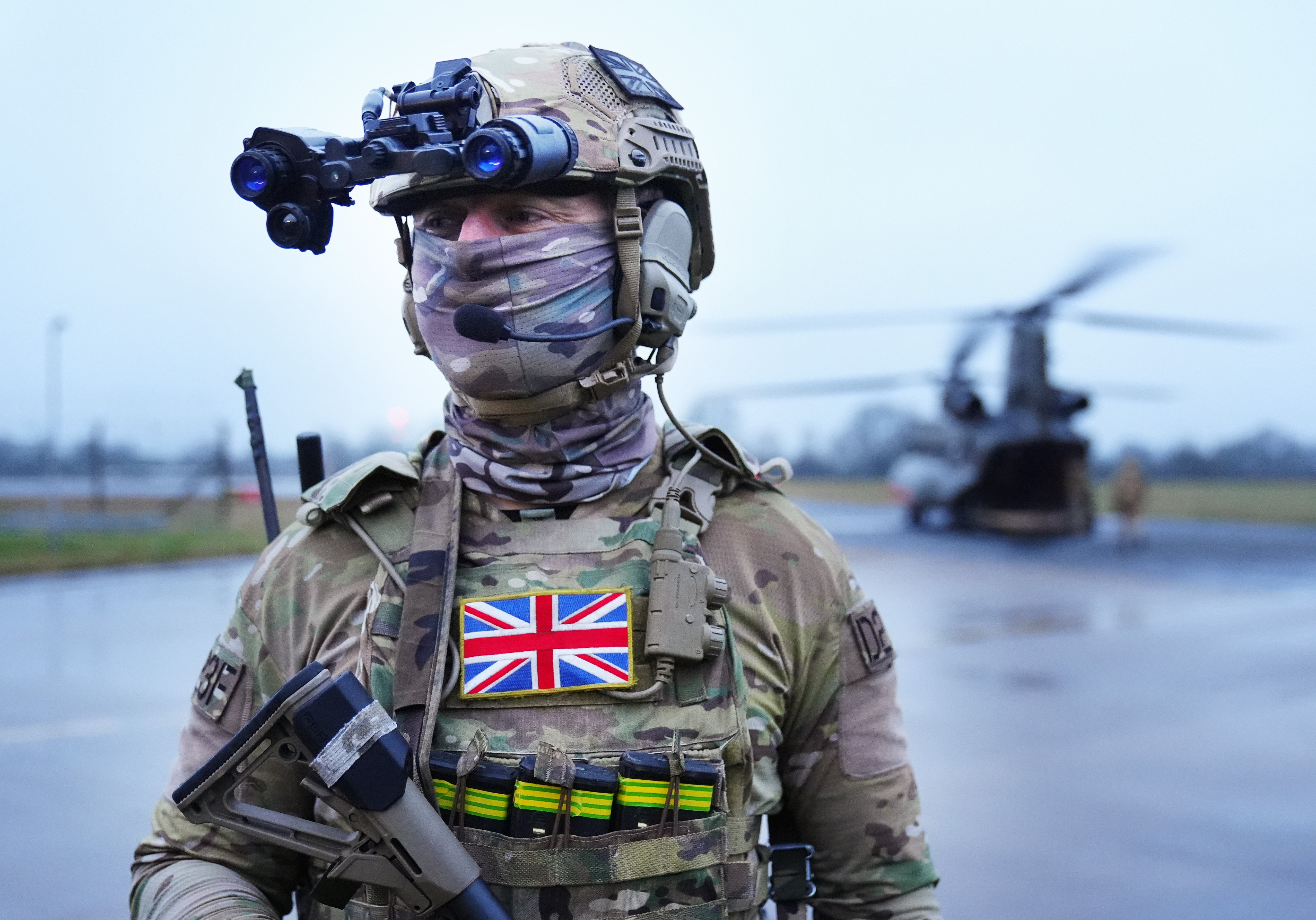
In one of its most sweeping defense overhauls in decades, Britain is reshaping its armed forces around the tactical lessons of Ukraine’s resistance to Russia's full-scale invasion, Politico reported on June 29.
The shift is laid out in the Defense Investment Plan, due for publication on June 30 by Prime Minister Keir Starmer in one of his final acts before stepping down.
We bring you stories from the ground. Your support keeps our team in the field.
According to Politico, the Ministry of Defense stated that the plan copies Ukraine's playbook of "cheap systems destroying high-value targets and innovation cycles measured in weeks, not years."
The shift marks a generational break for a leading NATO military, conceding that Russia's war has shown that cheap drones can defeat the expensive warships Britain long relied on.
The plan withholds new funding from up to eight Type 83 guided missile destroyers and Type 32 frigates, the report detailed. Those warships had anchored plans to rebuild the Royal Navy in the 2030s. Instead, Politico noted, the UK will invest in at least six Common Combat Vessels designed to act as control ships for a fleet of uncrewed systems:
Type 93 underwater anti-submarine vessels;
Type 91 uncrewed missile platforms;
Type 92 and Type 94 unmanned sensor platforms for sky and sea.
The model draws directly on Ukraine, which drove back Russia's Black Sea Fleet with sea and air drones despite having no navy of its own.

The shift extends to the air, where officials teased a "national Collaborative Combat Air program" to build autonomous jets flying alongside crewed aircraft, the publication wrote. It forms part of the British-Italian-Japanese Global Combat Air Program, which is developing a sixth-generation fighter.
Politico reported that the plan commits about $6.7 billion to a drone transformation, citing the roughly 200,000 drones Ukraine uses each month as the standard to match. The money will fund what officials called Europe's largest drone testing center, paired with a task force to continuously scale production.
"Technology on the battlefield is changing at lightning speed. The clear lesson from Ukraine tells us that drones have changed the character of warfare," Ross Exley, vice president of defense strategy at Hadean, a UK tech firm on the government's Defense Industrial Joint Council, told the outlet.
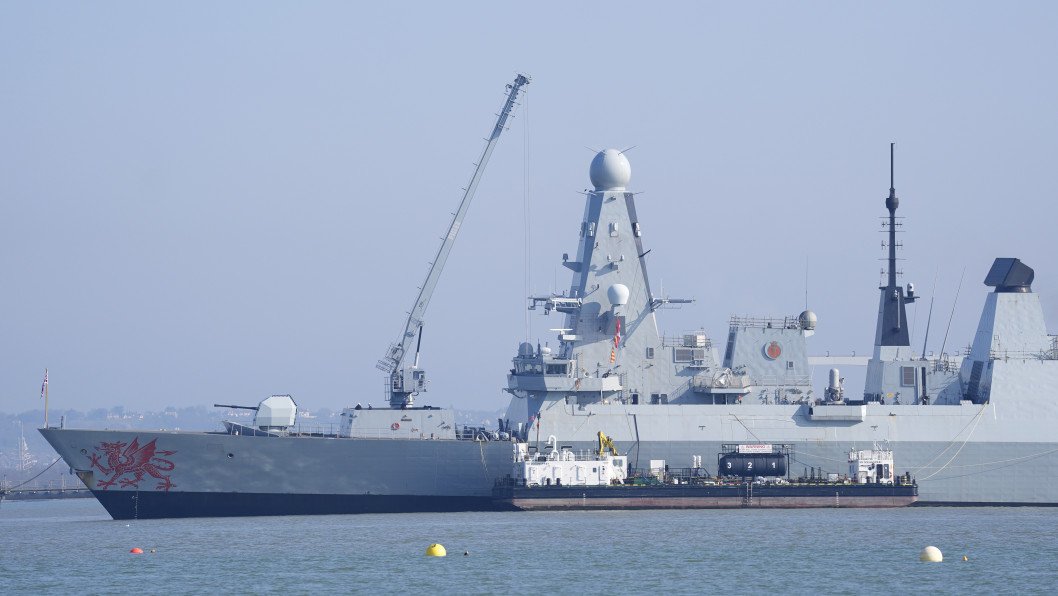
The new investment adds about $20 billion to a defense budget of roughly $365 billion across this parliament, the report noted, citing the Financial Times. The increase edges Britain toward NATO's target of 3.5 percent of GDP on defense by 2035, but leaves it trailing Germany, France, and Poland, with no clear funding pathway yet set out.
Tim Willasey-Wilsey, a senior associate fellow at the RUSI defense think tank, told Politico it was "slightly ironic that Britain started training the Ukrainians back in 2022, and now they could be very much training us—they are showing us how war should be fought these days." He added that it was "warfare we couldn't do. We wouldn't last more than a few weeks."
That two-way exchange builds on years of British training for Ukraine's forces. The UK-led Operation Interflex has prepared more than 63,000 Ukrainian soldiers, leaders, and instructors since 2022, and in its fifth year, it is shifting from mass infantry training toward specialist skills in aviation, medicine, engineering, and logistics.
Discuss this article:
-9a7b3a98ed5c506e0b77a6663f5727c5.png)




-a0d157e1f6f04033b54a1b71f05dabe3.jpg "Russia’s Military Is Expanding Across Africa. Suspiciously, So Is Its Church")