- Category
- World
US Commander Reveals What Really Happened When His Bradleys Faced Ukraine’s Drones
 Prefer U24 Media on Google
- Authors


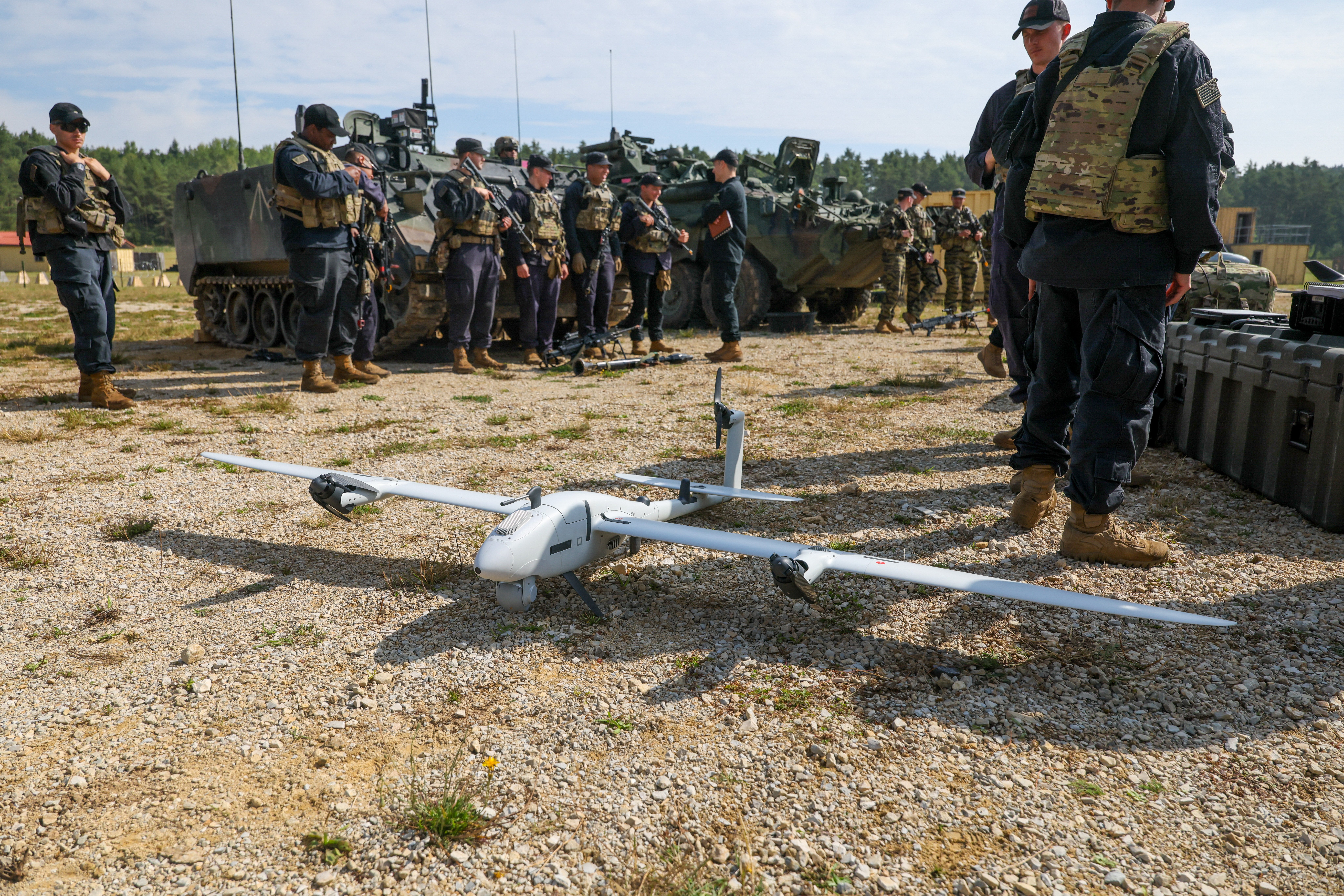
A US Army Bradley company spent 10 days being watched, hunted and forced to rethink how it moved under drones operated by Ukrainian troops with real combat experience—before those same Ukrainians switched sides and began teaching the Americans how drone warfare is actually fought.
Blackhawk Company of the US Army’s 2nd Battalion, 7th Cavalry Regiment trained alongside Ukraine’s 412th Nemesis Unmanned Systems Brigade during the Combined Resolve exercise at the Hohenfels training area in Germany.
The commander of Blackhawk Company later challenged portrayals of the exercise as a simple rout of US armor by Ukrainian drones, writing in Task & Purpose on September 3 that such accounts did not fully capture either his unit’s performance or the lessons American soldiers took away from the training.
We bring you stories from the ground. Your support keeps our team in the field.
The two units had already met before the active phase began, giving American troops an early introduction to Ukrainian drone operators whose tactics had been shaped by years of battlefield experience during Russia’s war of aggression against Ukraine.
Once the exercise began, however, that experience became an immediate problem for the US mechanized force, the commander wrote.
Blackhawk Company entered the training area in a column of Bradley infantry fighting vehicles through a limited access point. Ukrainian reconnaissance drones were already overhead, watching the formation as it moved into the battlespace.
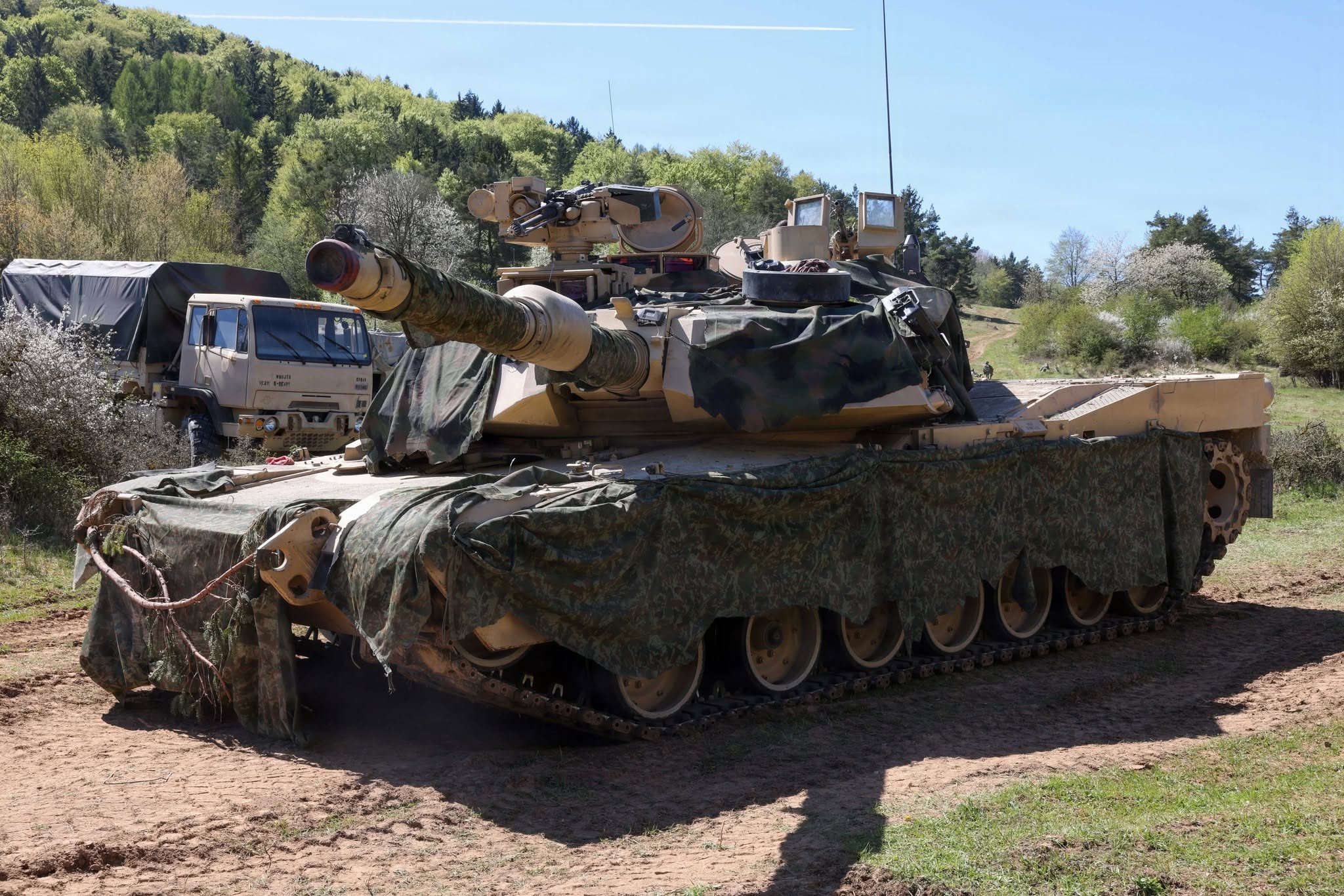
The American company did not have some of the newer counter-drone equipment currently being tested by the US Army, leaving its troops to operate while knowing that hostile aerial reconnaissance could track their movements.
That forced a rapid change in tactics.
Rather than concentrate vehicles and personnel in familiar formations, the Americans began spreading them as widely as possible. Bradleys were hidden beneath heavy tree cover, while crews became increasingly conscious of how their vehicles appeared from above rather than focusing solely on threats visible from ground level. Movement also changed.
Instead of relying on roads and trails that drone operators could easily monitor, the mechanized company began using steep gullies, valleys and difficult terrain to conceal its movements.
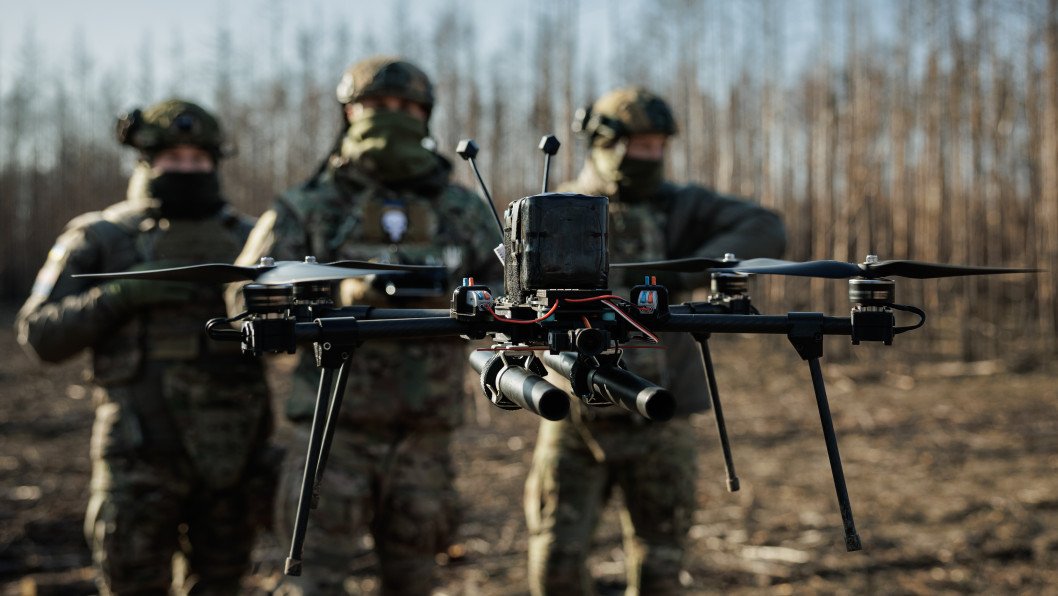
That sometimes meant sending heavy Bradleys across slopes and terrain that mechanized units would normally prefer to avoid. Natural cover and dead ground helped reduce exposure to Ukrainian reconnaissance systems and made the company less predictable from the air.
The exercise still produced simulated losses of tanks and infantry fighting vehicles, but the American commander argued that this did not make heavy armor obsolete.
Bradleys and Abrams tanks continued protecting their crews and allowed soldiers to move rapidly through difficult terrain while pursuing their objectives. The lesson, in his account, was not to abandon armor but to change how armored formations operate when drones can observe almost every conventional movement.
According to the commander of Blackhawk Company, the most valuable phase came later. During the second half of Combined Resolve, Nemesis stopped operating against Blackhawk Company and joined the US troops for offensive operations.
That allowed the Americans to observe Ukrainian drone warfare from the other side.
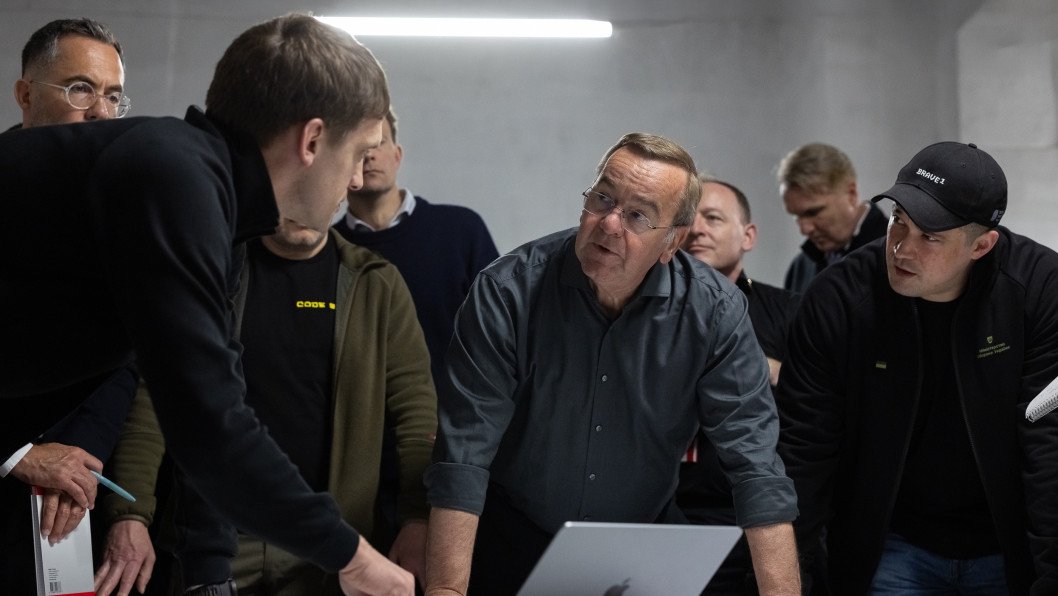
Nemesis operators demonstrated techniques developed through combat in Ukraine, including methods for flying inexpensive drones over surprisingly long distances and rapidly moving targeting information from sensors to weapons.
For US troops, the Ukrainian approach provided a practical lesson in shortening the sensor-to-shooter chain—the process of detecting a target, identifying it, passing its location to a weapon system and engaging it before the target can move.
The Americans left the exercise with techniques they could incorporate into their own formations, while the experience also reinforced a less technological lesson.
Earlier, reports emerged that German Leopard 2 units were beginning to apply battlefield lessons from Ukraine, fitting tanks with new protective netting designed to reduce their vulnerability to drone attacks.
The changes were visible in photographs released by the Bundeswehr from Exercise Freedom Shield 2026, held at the Pabradė training area in Lithuania from June 6 to 19.
Discuss this article:


-c439b7bd9030ecf9d5a4287dc361ba31.jpg "Photo of Katherina Popilnichenko")