- Category
- World
NATO to Deploy Battle-Tested AI Drone Fleet From Ukraine to Defend Eastern Flank Against Russia
 Prefer U24 Media on Google
- Authors

-72b63a4e0c8c475ad81fe3eed3f63729.jpeg "Photo of Cyril Barabaltchouk")
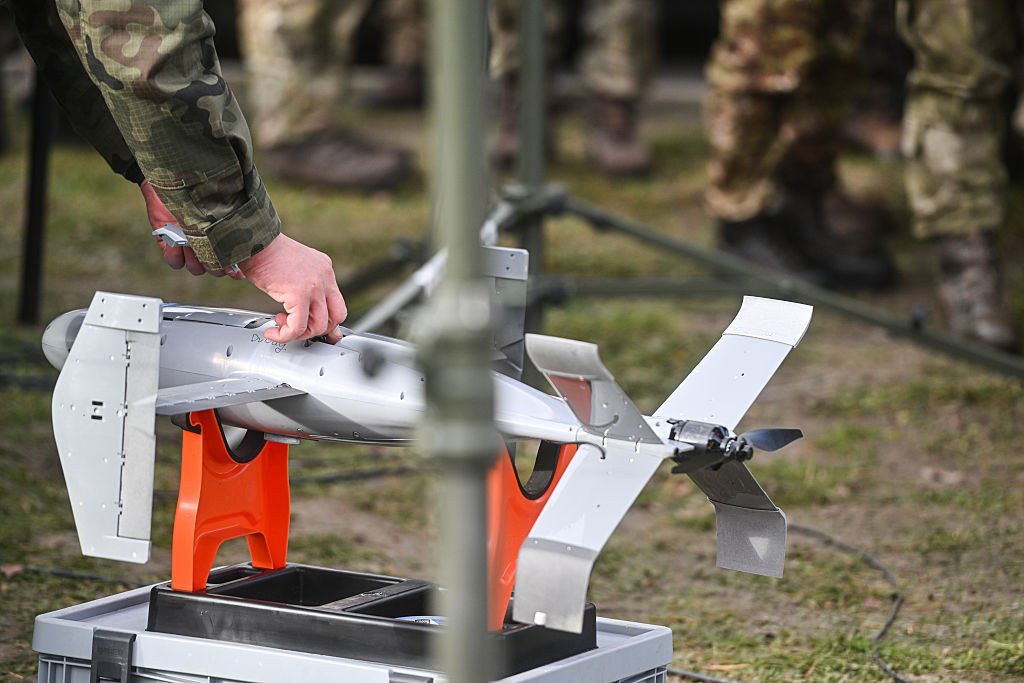
NATO is shifting its approach to future warfare by prioritizing drones, satellites, sensors, and artificial intelligence, Bild reported on August 12.
The alliance’s push for automation draws from the battlefield in Ukraine, where forces have already begun deploying AI-guided drone swarms capable of identifying targets, communicating with one another, and executing strikes autonomously—even when Russian electronic warfare severs human control.
We bring you stories from the ground. Your support keeps our team in the field.
To protect against potential Russian aggression, NATO plans to establish a unified surveillance and defense system along its eastern flank—stretching from Finland to the Black Sea. The system is designed to quickly detect and help repel incoming attacks.
The development of these new technologies is heavily influenced by Ukraine’s battlefield experience. Bild notes that the Ukrainian military is already actively using AI for drone control, navigation, and precision strikes.
US Army Major Ben Schiff, who oversees NATO's digital systems, explained the pressing need for automation to Bild.
“Humans decide what the drone does. But they don’t necessarily have to fly it themselves, because we don’t have a million pilots. We can’t launch a million drones simultaneously,” Schiff told the publication.
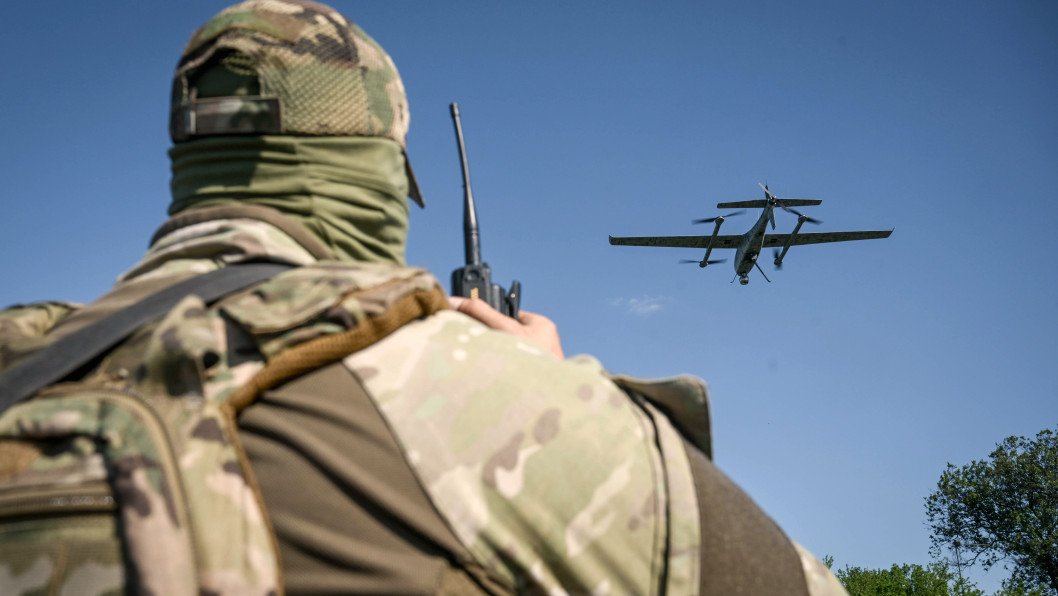
In the future, autonomous machines are expected to take over various battlefield tasks. Aerial drones will independently search for targets, while ground robots will handle supply deliveries and perform dangerous missions instead of deploying human soldiers, Bild wrote.
However, NATO emphasized that the ultimate goal of this automation is not to replace humans in warfare. Instead, the focus is on reducing the physical risks to military personnel while maintaining strict human oversight and control over the deployment of weapons.
Demonstrating how Ukrainian tactics are already shaping defenses along NATO's eastern flank, Germany’s 45th Armored Brigade in Lithuania recently equipped its Leopard 2 tanks and Fuchs armored personnel carriers with improvised anti-drone screens.
Spotted during the Freedom Shield 2026 military exercises near the Belarusian border, the vehicle crews designed the protective cages directly from Ukrainian combat experience to defend against FPV drones and dropped munitions.
Discuss this article:


-c439b7bd9030ecf9d5a4287dc361ba31.jpg "Photo of Katherina Popilnichenko")