- Category
- World
7,000 Dutch Soldiers Rehearse Stopping Russia-Style Attack—In Germany
 Prefer U24 Media on Google
- Authors


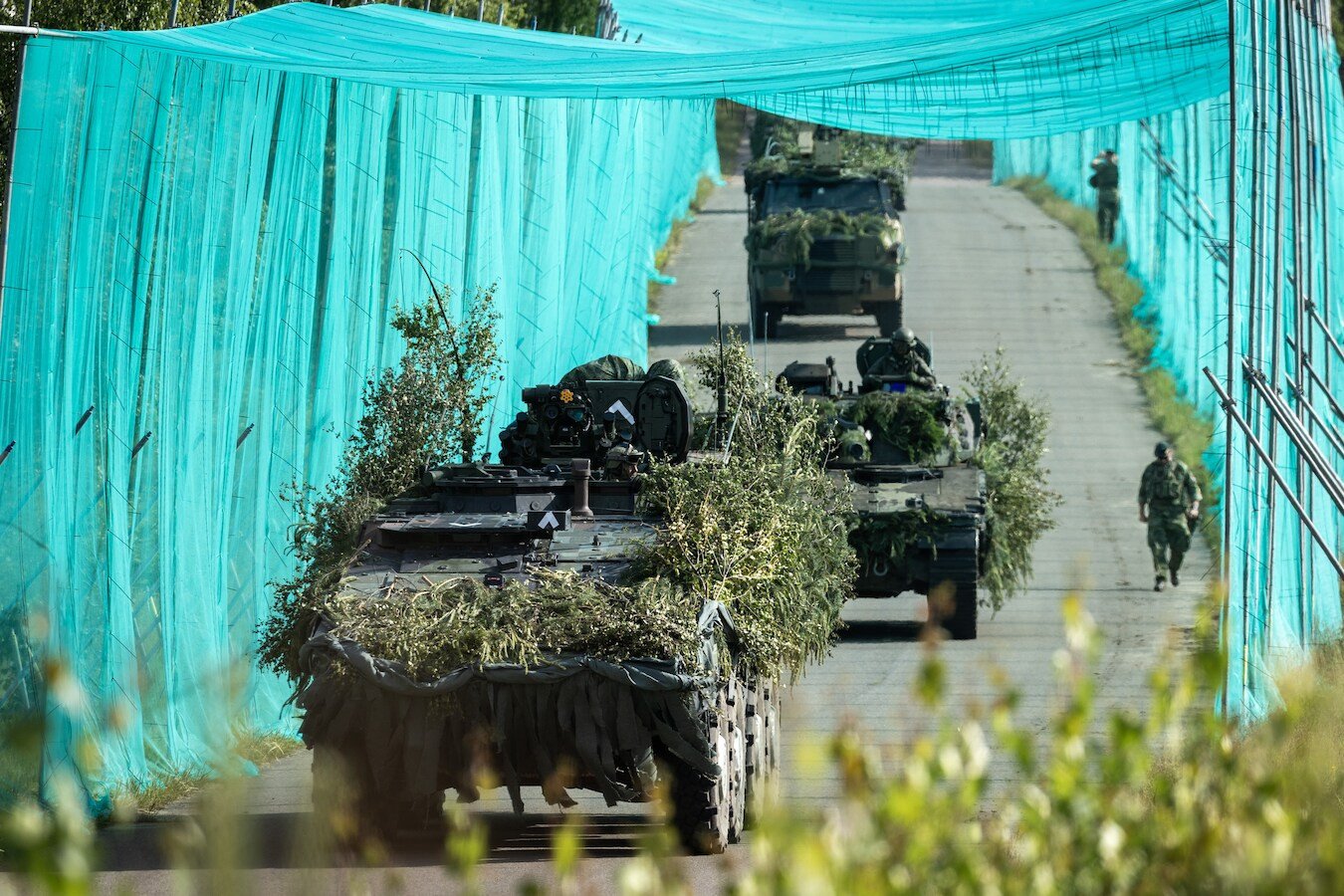
Nearly 7,000 Dutch troops are training to stop a Russian-style invasion during the Netherlands’ largest army exercise in 20 years, using battlefield lessons taken directly from Ukraine—including anti-drone tunnels designed to shield vehicles from FPV strike drones.
The exercise, called Fighter Lion, is taking place in northern Germany near Bergen-Hohne and will run through early July 2026, Dutch newspaper Eindhovens Dagblad reported from the field on June 17.
We bring you stories from the ground. Your support keeps our team in the field.
Defence Blog also highlighted the drill as one of the clearest examples of a NATO army integrating Ukraine’s battlefield experience into large-scale training.
The Dutch Ministry of Defense describes Fighter Lion as its largest army exercise of 2026 and the biggest in two decades. The fictional scenario centers on a hostile state called Murinus, which invades NATO territory from the east, crosses the Oder River between Germany and Poland, and pushes west toward Bergen and Münster.
Dutch Army is testing anti-drone “tunnels” in Germany during Exercise Fighter Lion.Netted covered routes are designed to shield vehicles from UAV strikes in a Russia-scenario battlefield.~7,000 Dutch troops involved — their largest exercise of the year, running until early July.… https://t.co/jSIMzByXgY pic.twitter.com/qjYcbdXy0L
— 笑脸男人 (@lfx160219) June 23, 2026
The 13th Light Brigade from Oirschot was tasked with stopping the first phase of the attack before the enemy could consolidate. Its commander said the brigade completed the mission successfully.
“It went great. We stopped the attackers,” the commander said, according to Eindhovens Dagblad.
The 43rd Mechanized Brigade from Havelte then took over the fight with heavier armored forces. Defence Blog noted that this handoff, known as a Forward Passage of Lines, is one of the key changes in this year’s exercise. Instead of units training in separate phases, Dutch forces practiced transferring an active battle from one brigade to another without stopping—closer to what a real NATO defensive operation would require.
One of the most important parts of the exercise is the drone threat. Dutch troops are training under constant pressure from surveillance drones, attack drones, and electronic warfare—conditions that have become standard on Ukraine’s battlefield but would have been far less central to NATO training a decade ago.
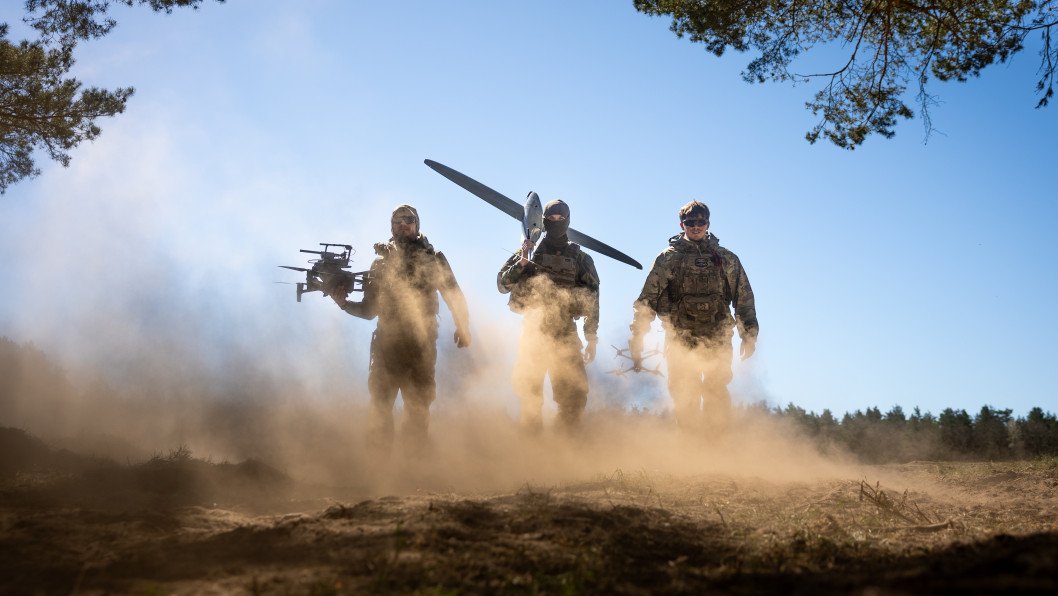
A new Dutch army unit called Tech Dev, created on April 1, 2026, is playing the role of drone-heavy opposing forces. The unit is using surveillance and attack drones to give ground troops a more realistic picture of what Ukrainian soldiers face daily.
The anti-drone tunnels used in the drill come directly from Ukraine’s experience. Ukrainian forces developed covered routes using fishing nets, camouflage netting, and improvised frames to protect vehicles moving along exposed roads from FPV strike drones. These structures limit attack angles and force drones into less favorable approaches.
Now the Dutch army is building similar covered routes at Bergen-Hohne to train soldiers to move, defend, and operate under drone threat.
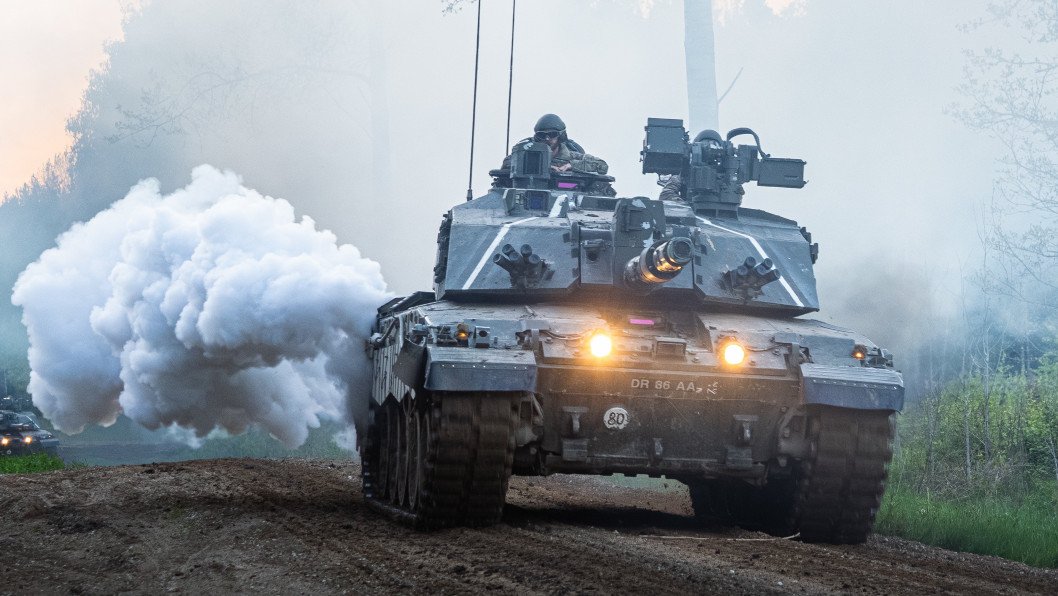
Lieutenant General Jan Swillens, commander of the Royal Netherlands Army, said the Dutch military is drawing heavily on lessons from Ukraine to understand what drones can do and how troops can survive against them.
Omroep Brabant, which embedded with the 13th Brigade, reported that Dutch soldiers also carried improvised anti-drone protection, including umbrella-style screens and fishing nets, while waiting for more formal counter-drone equipment to reach the force.
The exercise also includes electronic warfare. Units are training to avoid detection in the electromagnetic spectrum, while jamming teams operate across the battlefield.
Defence Blog emphasized that Fighter Lion reflects a broader shift in NATO thinking: future ground combat cannot be separated from drones, cyber pressure, airspace control, and electromagnetic visibility.
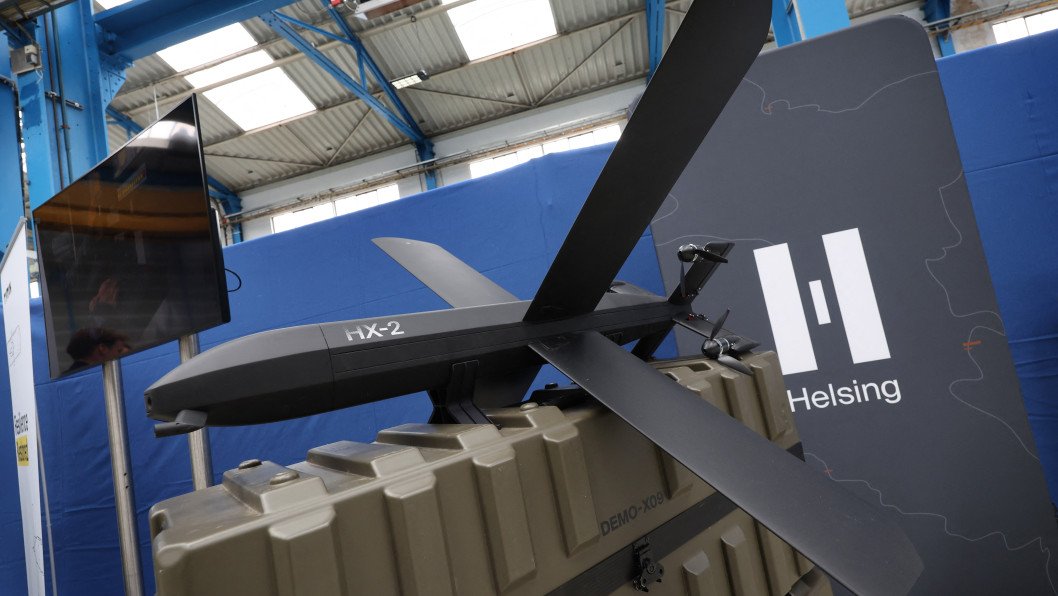
Dutch troops are also using simulators to train with armored vehicles and tanks without having to move every heavy platform through civilian areas. Brigadier General Jos Dirkx, the exercise director, said this allows training at a larger scale while reducing damage and disruption.
The Bushmaster armored vehicle, a Dutch-Australian platform used extensively in Afghanistan and supplied to Ukraine by Australia, is also part of the exercise. In Fighter Lion, it is being used with systems that map the electromagnetic environment around it.
Earlier, the Dutch army was practicing how to build a prisoner-of-war camp for the first time in more than 30 years, as the Netherlands prepares for the possibility of a future conflict with Russia.
Discuss this article:




-c439b7bd9030ecf9d5a4287dc361ba31.jpg "Photo of Katherina Popilnichenko")