- Category
- Latest news
Russia Claims NATO Is Practicing Kaliningrad Seizure, Echoing Its Long-Running Narrative
 Prefer U24 Media on Google
- Authors


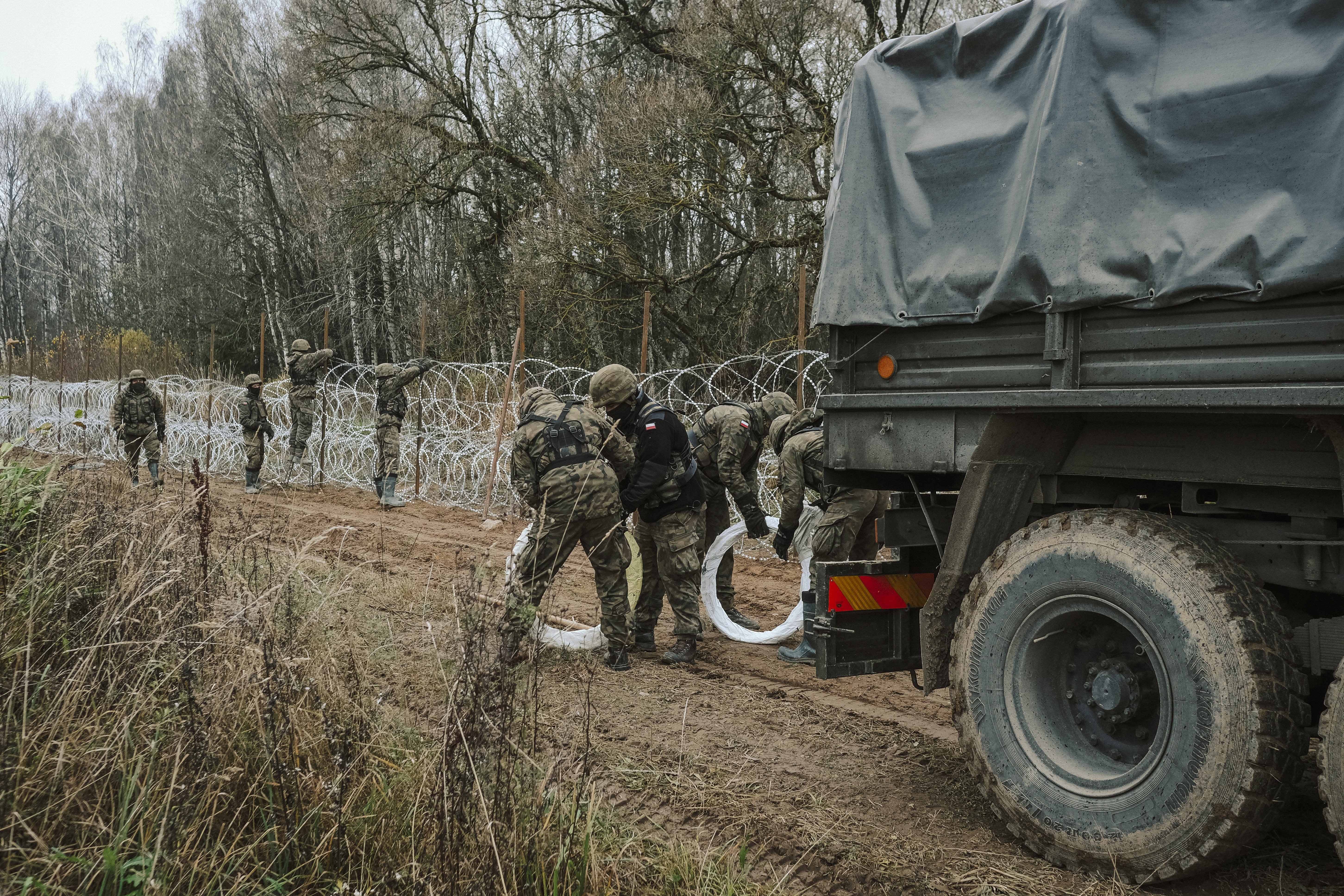
Russia has accused European countries of rehearsing scenarios involving a naval blockade and possible seizure of the Kaliningrad region during recent military exercises led by the United Kingdom, according to Russian Deputy Foreign Minister Alexander Grushko on April 23.
Russian state media outlet RIA Novosti reported that he said that drills conducted by the Joint Expeditionary Force (JEF)—a coalition of Northern European nations—are increasingly focused on rapid-response operations in the High North, the North Atlantic, and the Baltic Sea.
We bring you stories from the ground. Your support keeps our team in the field.
According to Grushko, the exercises include scenarios that simulate isolating Kaliningrad, a Russian exclave located between Poland and Lithuania. He argued that military activity in the region has intensified in recent years as European forces expand their operational readiness.
Grushko also pointed to NATO’s “Baltic Sentry” operation, launched after damage to energy and communications cables on the Baltic Sea floor, claiming its underlying goal is to control key maritime routes and restrict shipments linked to Russia.
“NATO is deliberately moving toward greater confrontation in this part of Europe,” he said.
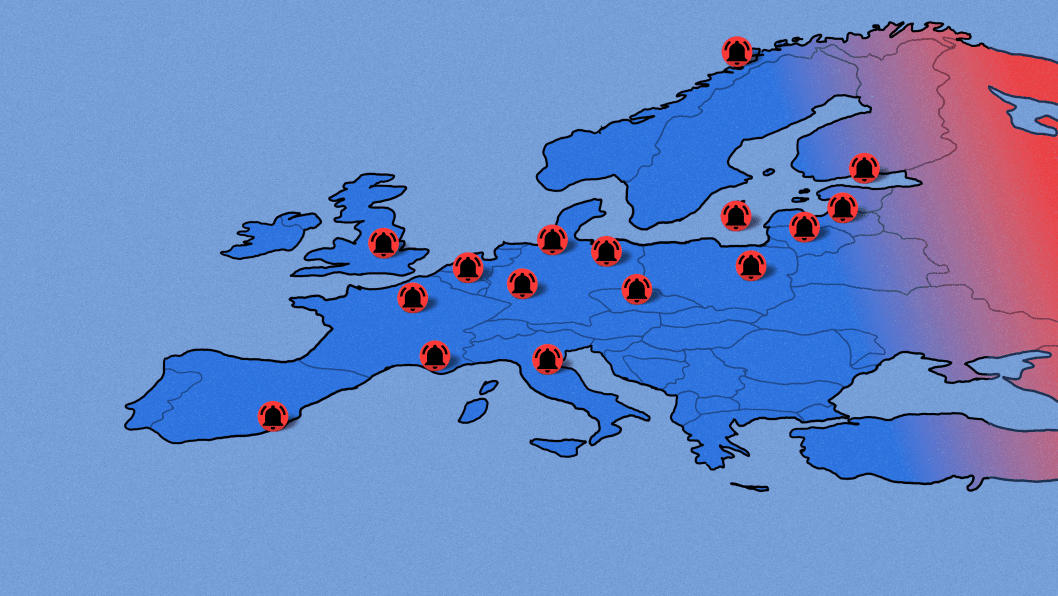
The Joint Expeditionary Force includes ten countries: the United Kingdom, Denmark, Finland, Estonia, Iceland, Latvia, Lithuania, the Netherlands, Sweden, and Norway. Established in 2015, the coalition is designed to respond quickly to crises, deter threats, and conduct operations primarily in the Baltic and Arctic regions.
Russian officials have previously issued similar warnings. Nikolai Patrushev, an aide to a Russian leader, Vladimir Putin, has said that NATO countries were preparing scenarios involving the capture of Kaliningrad, cautioning that Moscow would respond “immediately and decisively” to any attack on the region.
A Russian leader has also suggested that a blockade of Kaliningrad could escalate into a broader conflict between Russia and NATO, highlighting the strategic sensitivity of the Baltic region amid ongoing tensions.
Such statements fit a familiar Russian pattern of framing NATO as an imminent aggressor, a narrative Moscow has used repeatedly to justify its own military posture.
In the years leading up to the full-scale invasion of Ukraine, Russian officials similarly claimed that the Alliance posed a direct threat, even as NATO countries emphasized their defensive stance.
Earlier, reports emerged that, on the other hand, Russia launched a new recruitment campaign for reservists across nearly all of its western border regions, following legislative changes that allow the Kremlin to call up reserve forces not only during wartime but also in peacetime.
Discuss this article:

-421e8a9c474cc6ae67d60a56d7572c56.jpg "Russian ruble coins and one hundred dollars are seen on a table. (Source: Getty Images)")
-72b63a4e0c8c475ad81fe3eed3f63729.jpeg "Photo of Cyril Barabaltchouk")
-87c2fcc9eb515511a4049f71f4c02252.jpg "Geran-5 K5-K variant of the Russian drone.")